Water Damage Restoration 101: A Beginner’s Guide to Saving Your Berks County Basement
- info603880
- Apr 21
- 5 min read
It’s a rainy Tuesday morning here in Berks County, and you walk downstairs to the basement to grab a load of laundry. Instead of the usual concrete floor, you’re greeted by a giant, unwanted indoor swimming pool. Your heart drops, and panic starts to set in. Is the furnace ruined? What about those boxes of old photos?
First things first: breathe. We know exactly how overwhelming this feels. Whether it’s a burst pipe in Reading or a sump pump failure in Wyomissing, water damage is a stressful mess. But you don’t have to handle it alone. This guide is your roadmap to navigating water damage restoration like a pro, ensuring your home stays safe and your sanity stays intact.
Why Your Basement is a Magnet for Trouble
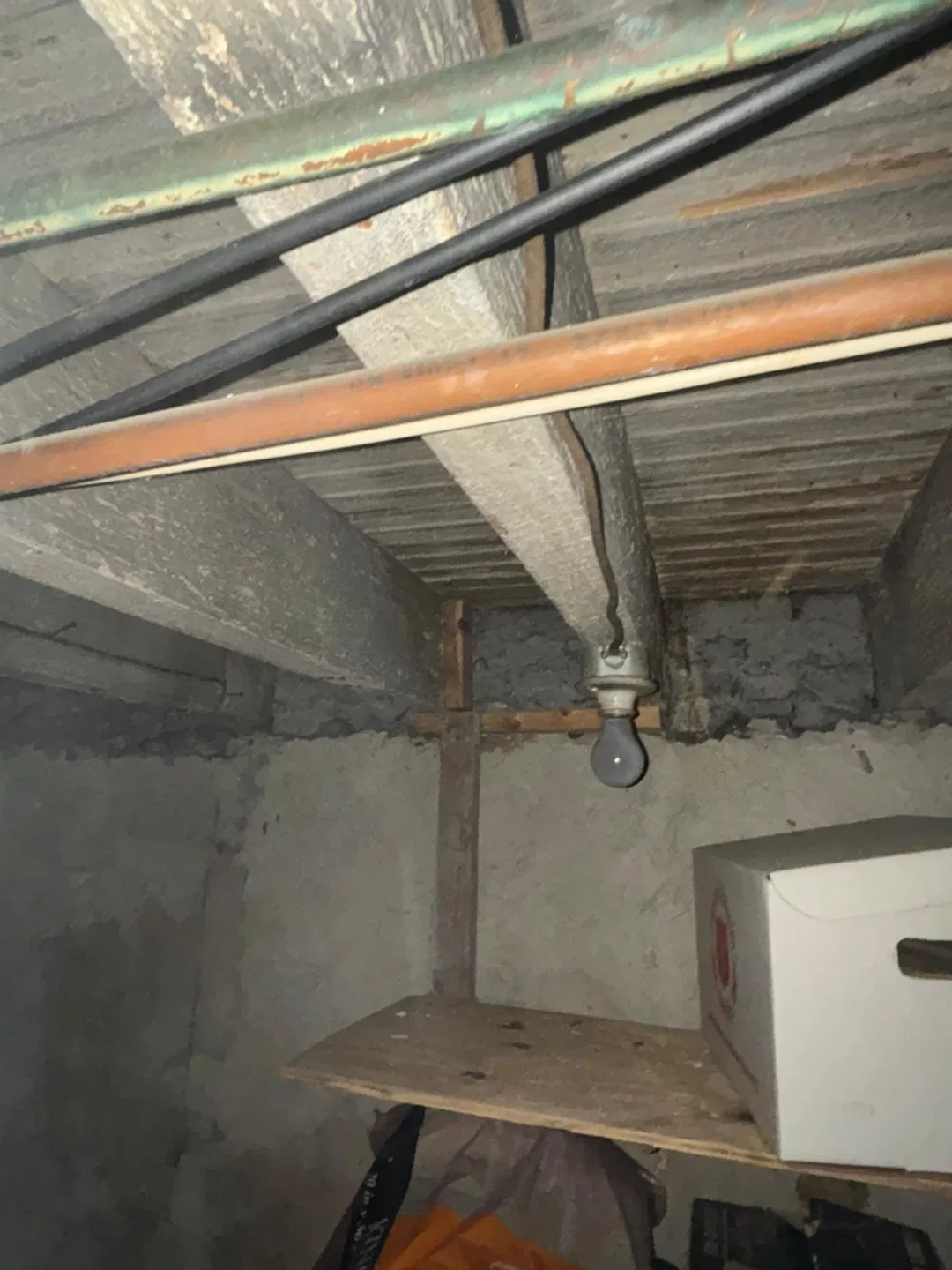
Basements are the lowest point in your home, which basically makes them a natural target for any water looking for a place to sit. In our part of Pennsylvania, we deal with everything from heavy spring thaws to sudden summer thunderstorms that can overwhelm local drainage systems.
Common culprits for Berks County basement flooding include:
Sump Pump Failure: These little machines are your basement's best friend until they lose power or the motor gives out.
Foundation Cracks: Over time, the soil around your home shifts, and water finds its way through tiny gaps.
Burst Pipes: Our winter freezes can be brutal on plumbing that isn't properly insulated.
Sewage Backups: A much nastier problem that requires immediate sewage clean up and professional sanitization.
The "Golden Window": Why Speed is Everything
When it comes to water, the clock is ticking against you. We often talk about the "Golden Window" of restoration: the first 24 to 48 hours. Why is this timeframe so critical?
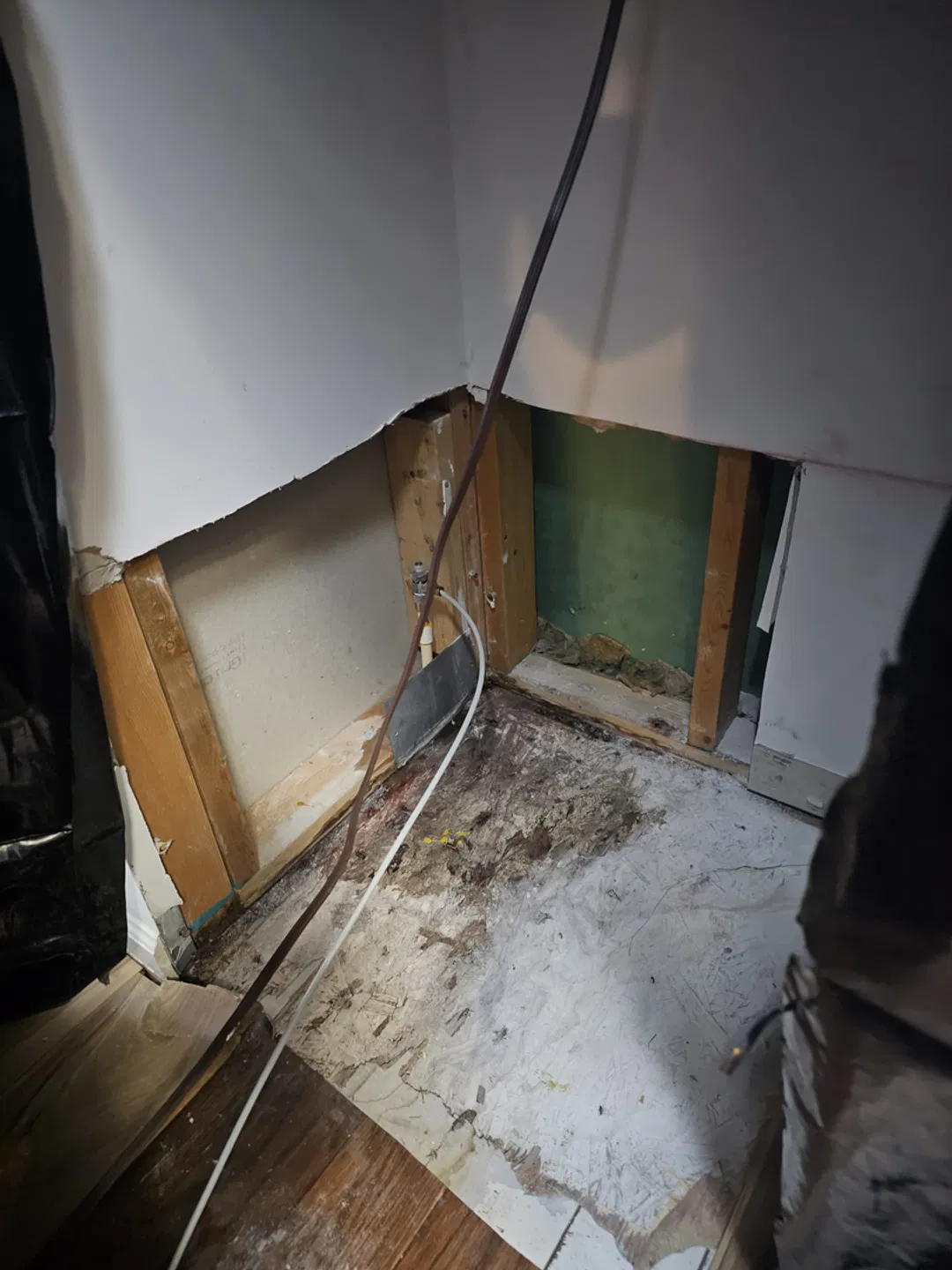
Mold remediation becomes a much bigger (and more expensive) job if water sits for more than two days. Mold spores love dark, damp basements, and they don't wait around for an invitation. Within hours, water can also start warping your floorboards, soaking into your drywall, and compromising the structural integrity of your wooden framing.
If you're staring at standing water right now, don't wait. The faster you start the emergency flood cleanup, the more of your property you can save.
The 4-Step Restoration Playbook
So, what actually happens when the pros show up? It’s not just about mopping up the mess. Professional water damage restoration is a scientific process designed to get your home back to "pre-loss condition."
1. Assessment and Inspection
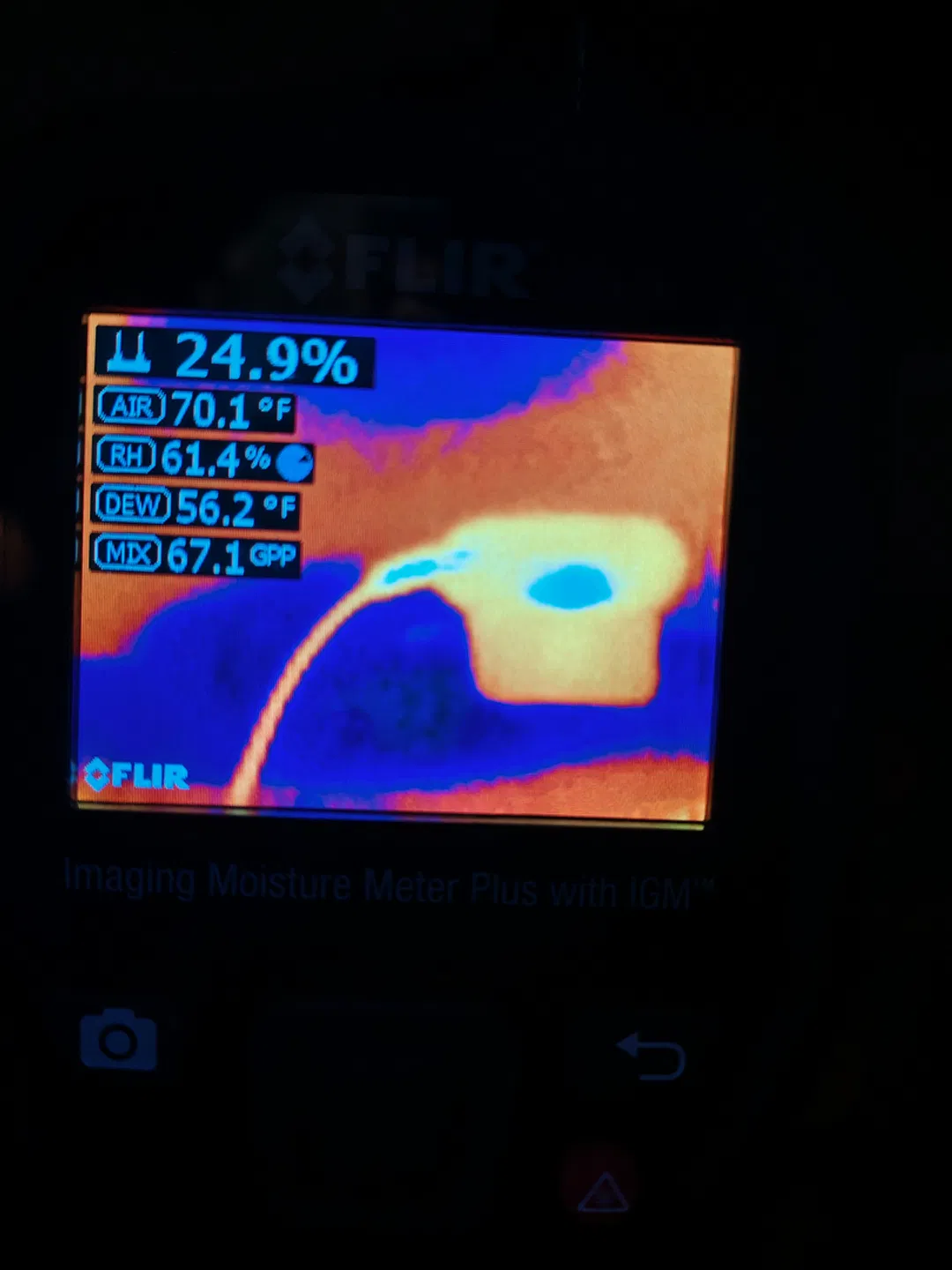
We don't just look at the puddles. We use high-tech tools like thermal imaging cameras and moisture meters to find water hiding behind your walls or under your flooring. Often, the water you can’t see is the most dangerous because it leads to hidden rot and mold.
2. Water Extraction
This is the heavy lifting phase. Using truck-mounted extraction units, we remove the bulk of the standing water. Think of it like a giant, industrial-strength vacuum that can pull hundreds of gallons out of your basement in record time.

3. Structural Drying and Dehumidification
Once the standing water is gone, your walls and floors will still be damp to the touch. We set up industrial air movers and dehumidifiers to pull that deep-seated moisture out of the materials. This phase usually takes 3 to 5 days, and we monitor it daily to make sure everything is drying on schedule.
4. Cleaning and Sanitizing
If the water came from a storm or a sewer line, your basement is now covered in bacteria. We use hospital-grade antimicrobials to sanitize the area. This is also where we handle any necessary odor control so your basement doesn't end up with that lingering "old sponge" smell.
DIY vs. Professional Help: When to Call the Cavalry
We love a good DIY project as much as anyone, but water damage is one area where "doing it yourself" can backfire. Here’s a quick rule of thumb:
You can probably handle it if: It’s a small spill from a clean water source (like a tipped-over bucket) on a non-porous floor.
You MUST call a professional if: The water is more than an inch deep, it involves sewage, it has touched drywall or insulation, or it has been sitting for more than 24 hours.
Professionals have the equipment to dry the inside of your walls. If you just dry the surface, you're essentially creating a greenhouse for mold behind your baseboards. For a deeper look at what the experts know, check out these restoration secrets for SEPA homeowners.
Identifying Hidden Moisture
One of the coolest (and most important) parts of our job is using technology to see the invisible. Water follows the path of least resistance, which means it can travel far from the original leak.
We use FLIR (Forward Looking Infrared) technology to spot temperature differences. Since wet materials are usually cooler than dry ones, the camera shows us exactly where the moisture has traveled.
If you’re worried about a slow leak you can’t quite find, consider setting up a 5-minute leak check routine. It’s a simple habit that can save you thousands of dollars in the long run.
Berks County Specifics: Protecting Your Investment
Living in areas like Boyertown, Kutztown, or Fleetwood means dealing with a variety of terrain. If your home is at the bottom of a hill, your sump pump is your MVP. We highly recommend having a battery backup for your pump. Why? Because the heavy storms that cause flooding often knock out the power, leaving your primary pump useless right when you need it most.
If you’re unsure if your pump is up to the task, take a look at our guide on sump pump failure prevention. While that guide mentions our neighbors in Bucks County, the mechanical advice is exactly the same for us here in Berks!
What About Your Belongings?
It's heartbreaking to see your furniture or boxes of memories sitting in water. During the restoration process, we perform what’s called "content manipulation." We move your items to a dry area or off-site storage to assess what can be saved.
Hard surfaces (plastic, metal, solid wood) can usually be cleaned and sanitized.
Porous items (upholstery, carpeting, paperwork) are trickier and often depend on the category of water.
If the water was "black water" (sewage or floodwater from outside), many porous items will unfortunately need to be disposed of for safety reasons. This is why sewage clean up is such a specialized field: the health risks are simply too high to take chances.
Final Thoughts: Stay Calm and Call a Hero
Dealing with a flooded basement is a marathon, not a sprint. It takes time to do it right, but taking the correct steps now prevents a lifetime of mold issues and structural headaches later.
At My Water Damage Hero, we live and work right here in the SEPA community. We know the local codes, the local weather patterns, and exactly how to talk to your insurance company to make the process as smooth as possible. You don't have to be an expert in moisture points or dehumidification: that’s what we’re here for.
If you’re currently standing in a wet basement, or if you’ve noticed a musty smell that just won’t go away, don’t wait for it to get worse. Contact us today and let’s get your home back to the safe, dry sanctuary it’s supposed to be.
Want to learn more about who we are and why we’re so passionate about helping our neighbors? Swing by our story page to meet the team. We’re ready to be your hero!
Comments