Emergency Flood Cleanup 101: A SEPA Homeowner’s Quick Guide to Staying Dry and Safe
- info603880
- Mar 11
- 5 min read
If you’re reading this while standing in an inch of water in your basement, take a deep breath. We know that heart-sinking feeling when you walk downstairs and hear a "squish" instead of a "thud." Whether it was a sudden summer cloudburst in Montgomery County or a pipe that finally gave up the ghost in Chester County, water damage is a stressful mess.
But here’s the good news: you’ve got this, and My Water Damage Hero is right here in your corner. Emergency flood cleanup isn't just about mopping up the puddles; it’s about protecting your home’s structure and your family’s health. In this guide, we’re going to walk through the immediate steps you need to take to stay safe, minimize the damage, and get your life back to normal.
Safety First: Don’t Get Zapped!
Before you rush into that flooded area to save your old photo albums, we need to talk about safety. Water and electricity are a deadly combo. If the water has reached your outlets or your circuit breaker is in the flooded zone, do not enter the water.
Turn off the power: If you can safely reach your fuse box without stepping in water, shut off the power to the affected areas. If you can’t reach it safely, call an electrician or your utility provider immediately.
Watch for structural issues: Water is heavy. If you see sagging ceilings or bulging walls, stay out. The last thing you want is a structural collapse while you're trying to move a rug.
Generator safety: If you’re using a portable generator because the power is out, keep it outside! At least 20 feet away from your home. Carbon monoxide poisoning is a silent danger during flood recovery.
The 24-to-48-Hour "Golden Window"
When it comes to water damage restoration, time is your absolute biggest enemy. Why? Because mold doesn't wait. Mold spores can begin to colonize and grow on damp surfaces within 24 to 48 hours.
If you act fast, you can often prevent a minor flood from turning into a major mold remediation project. This is why we emphasize rapid response. If the job feels too big for a shop-vac, don't hesitate to call in the pros. We offer rapid emergency water damage services specifically because every hour counts.

Step 1: Remove the Standing Water
Once it’s safe to enter, the goal is water extraction. If you have a few inches of water, a heavy-duty wet/dry vacuum might handle it. But if you’re looking at a basement swimming pool, you’ll need a submersible pump.
Shovel the mud: If the flood brought in silt or mud (common in Berks and Bucks County flash floods), shovel it out while it’s still wet. Once that stuff dries, it turns into concrete.
Keep it moving: If the water is more than six inches deep, you need to pump it out. However, if the ground outside is still saturated, pumping too fast can cause your basement walls to buckle from the external pressure. It’s a delicate balance!
Step 2: Sorting the Mess (Keep vs. Toss)
This is the hardest part for many homeowners. You want to save everything, but floodwater: especially if it involves sewage clean up: can be toxic.
What to Toss:
Carpeting and Padding: If it’s been soaked for more than 24 hours, it’s almost impossible to get the backing and padding dry enough to prevent mold. It’s usually safer to rip it out.
Mattresses and Upholstered Furniture: These act like giant sponges for bacteria.
Drywall and Insulation: If the water wicked up the walls, the drywall needs to be cut at least 12 inches above the water line. Wet insulation is a breeding ground for nasty stuff and loses its R-value anyway.
Cardboard: As we’ve mentioned before, cardboard boxes are the secret enemy in a damp home. They attract mold and pests. Toss them!
What to Save:
Hard Surfaces: Metal, glass, and some solid woods can often be cleaned and disinfected.
Electronics: Sometimes they can be saved if they weren't powered on, but they need professional cleaning and drying.
Step 3: Deep Cleaning and Disinfecting
Once the water is gone and the trash is out, it’s time to clean.
First, use a good old-fashioned detergent and warm water on all hard surfaces. This physically removes the dirt and grime. After that, you can move on to disinfecting. You can use a solution of unscented household bleach (about 1 cup per gallon of water) on non-porous surfaces like concrete floors or tile.
Pro-Tip: NEVER mix bleach with ammonia or other household cleaners. The fumes are toxic. Also, don't just spray bleach on mold and think you're done. Bleach kills the surface mold but often doesn't reach the "roots" in porous materials. This is why professional emergency flood cleanup involves specialized antimicrobial treatments.
Step 4: The Drying Phase
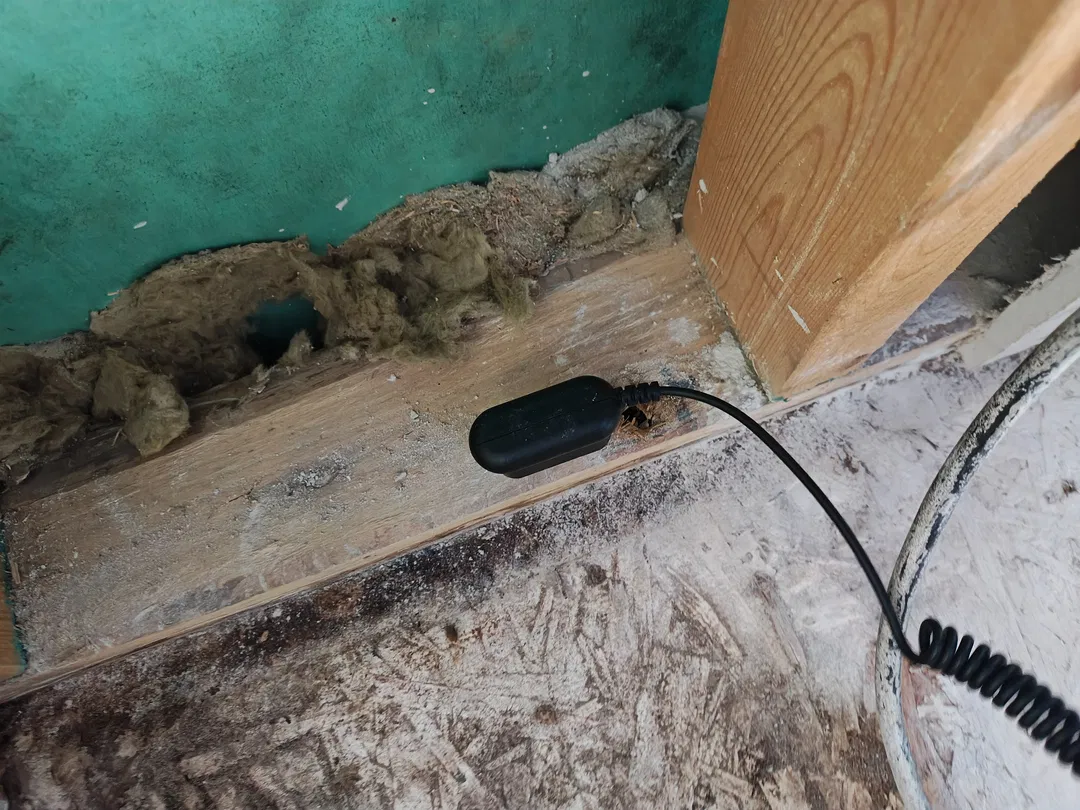
Just because it looks dry doesn't mean it is dry. Moisture hides in the weirdest places: behind baseboards, under subfloors, and inside wall cavities.
Ventilation: Open the windows if the humidity outside is lower than inside.
Air Movers: Standard house fans aren't enough. Professionals use high-velocity air movers to create a "vortex" of air that pulls moisture out of materials.
Dehumidifiers: You need industrial-strength dehumidifiers to pull gallons of water out of the air every day. Your small basement dehumidifier probably won't keep up with a major flood.
At My Water Damage Hero, we use advanced tools like FLIR thermal imaging and moisture meters to find that hidden water. If you leave a pocket of moisture behind a wall in your Delaware County home, you’re basically inviting mold to move in and start a family.

Why DIY Can Be Risky
We love the "can-do" spirit of SEPA homeowners. Whether you’re in a historic home in Chester County or a new build in Montgomery County, taking care of your property is a point of pride. But DIY water damage repairs can lead to bigger problems if not done correctly.
Without professional-grade equipment, it’s very hard to achieve the "dry standard" required to prevent long-term rot and mold. Plus, handling sewage or category 3 "black water" requires specific protective gear and disposal protocols that most people don't have sitting in their garage.
Local Expertise Matters
The weather patterns in Southeast Pennsylvania are unique. We get the heavy snow melts in late winter and the intense tropical remnants in the summer. We know how the local water tables in areas like Bucks and Delaware Counties affect basement drainage.
When you call a local expert, you’re getting someone who understands the specific challenges of our region's architecture: from 100-year-old stone foundations to modern slab-on-grade homes. We’re not just a national franchise; we’re your neighbors.
Checklist for Your Insurance Claim
If you're dealing with a flood, you’re likely going to be talking to your insurance company. Here’s how to make that process smoother:
Take photos of everything: Before you touch a single thing, take pictures and videos of the water levels and the damaged items.
Keep a log: Note the date and time you discovered the damage and every step you took to mitigate it.
Don't throw away big-ticket items yet: If you have to toss a ruined sofa, take a photo of the brand tag and the damage first.
Save your receipts: Every fan you rent and every gallon of cleaning solution you buy should be documented.
Wrapping Up
Dealing with a flood is a marathon, not a sprint. The initial emergency flood cleanup is just the first lap. By acting quickly, staying safe, and knowing when to call in the cavalry, you can protect your home and your peace of mind.
Remember, you don't have to do this alone. If the water is rising or the smell is getting musty, My Water Damage Hero is ready to jump in. We serve Montgomery, Berks, Bucks, Delaware, and Chester counties with 24/7 emergency response because we know that disasters don't keep business hours.
Stay dry, stay safe, and give us a shout if you need a hero!

Comments