Water Damage Restoration Secrets Revealed: What Experts Want Montgomery County Homeowners to Know
Picture this: You’ve just had a long day at work, and you’re looking forward to relaxing in your Montgomery County home. You step through the front door, and instead of the usual "welcome home" feeling, you’re greeted by the unmistakable squelch of a soaked carpet. Or maybe it’s a drip-drip-drip coming from the ceiling.
Panic is a totally natural reaction. Your home is likely your biggest investment, and seeing it underwater is overwhelming. But here’s the good news: you don't have to handle this alone. At My Water Damage Hero, we’ve seen it all, from frozen pipes in Lansdale to flash flooding in Upper Merion.
We’re pulling back the curtain today. We want to share the "insider secrets" that restoration experts know but homeowners often overlook. Knowing these tips can save you thousands of dollars and protect your family’s health. Let’s dive into what you need to know about water damage restoration before the next storm hits.
Secret #1: The 24-Hour "Golden Window"
The biggest secret in the industry is also the simplest: speed is everything.
Most homeowners think they have a few days to figure out a plan. In reality, you have about 24 to 48 hours before things go from "unfortunate" to "disastrous." Within two days, mold spores can begin to colonize on damp surfaces. Once mold takes root, your water damage project suddenly turns into a much more expensive mold remediation project.
Experts call this the "Golden Window." If you can get the water out and the air moving within that first day, your chances of saving your drywall, hardwood floors, and furniture skyrocket. This is why we offer 24/7 emergency flood cleanup, because water doesn't wait for business hours.

Secret #2: "Dry to the Touch" Doesn't Mean It's Dry
This is where many DIY attempts fail. You might run a few household fans, wait a day, and feel the carpet. It feels dry, so you think you’re in the clear.
Here’s the secret: Moisture loves to hide. It seeps behind baseboards, soaks into the subfloor, and climbs up the insulation inside your walls. Even if the surface feels dry, the "inner skeleton" of your home could still be soaking wet.
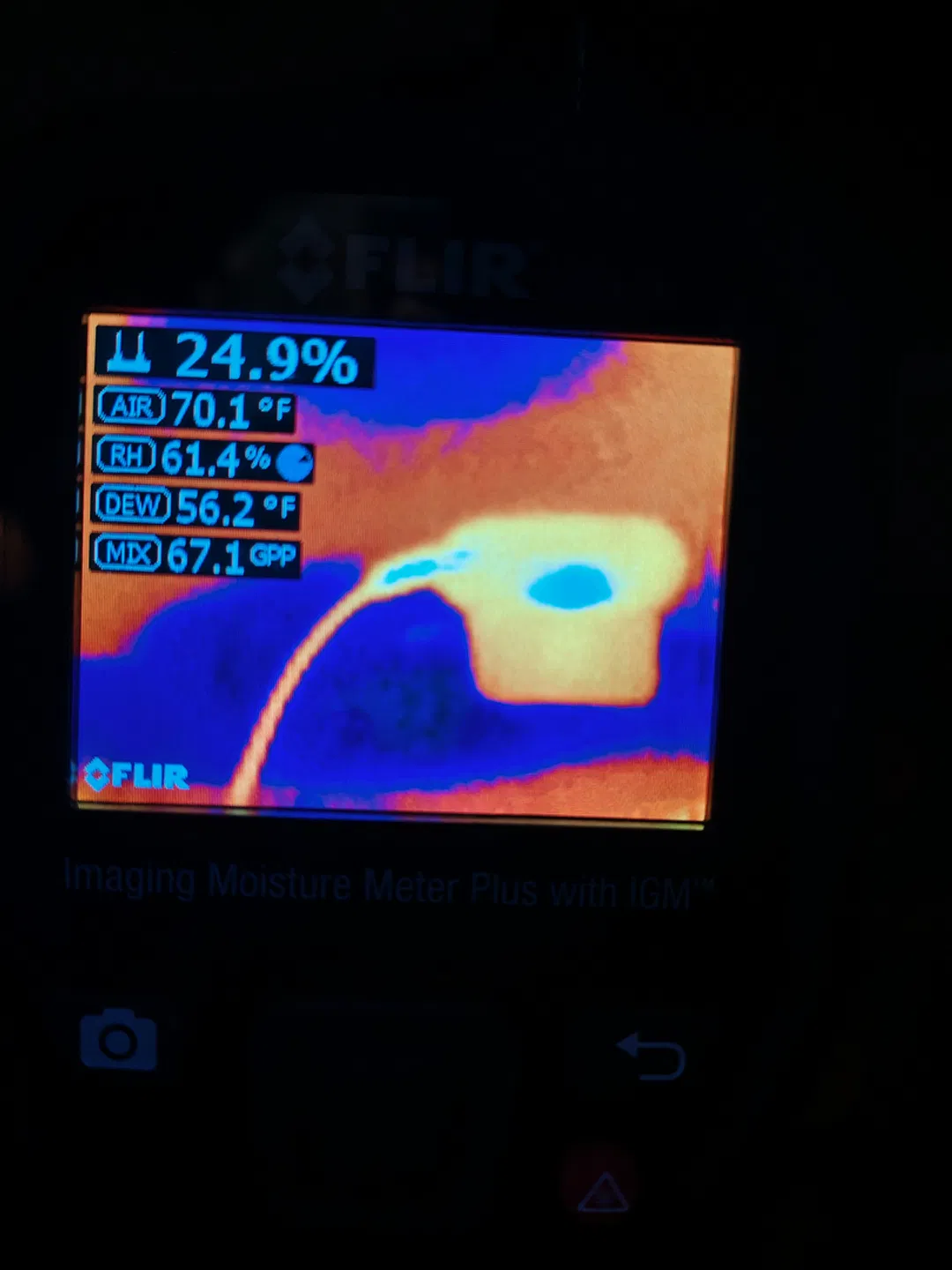
Professional restorers use specialized tools like moisture meters and thermal imaging cameras to see through walls. We look for the "hidden" water that causes structural rot and hidden mold growth months down the line. If you’re curious about the technical side, check out our quick start guide to emergency flood cleanup.
Secret #3: Not All Water Is Created Equal
In the restoration world, we categorize water into three types. Knowing which one you’re dealing with is vital for your safety.
Category 1 (Clean Water): This comes from a broken supply line or a leaking faucet. It’s generally safe to handle, but it can quickly turn into Category 2 if left sitting.
Category 2 (Gray Water): This might contain chemical or biological contaminants. Think dishwasher or washing machine overflow.
Category 3 (Black Water): This is the dangerous stuff. We’re talking about sewage clean up or rising floodwaters from a local creek.
If you’re dealing with black water, stay away. It contains pathogens that can make you and your pets very sick. This is a job for the pros who have the right PPE (Personal Protective Equipment) and industrial-strength disinfectants. For more on the risks, read about sewage clean up health risks.
Secret #4: Your Insurance Adjuster Isn't a Restoration Expert
Don't get us wrong, insurance is great. But an adjuster’s job is to evaluate the claim based on a quick walkthrough. They might not see the moisture trapped under your hardwood floors.
Experts know that you need a restoration partner who will advocate for you. We document everything, moisture readings, photos of the damage, and the exact steps taken to dry the property. This documentation is gold when it comes to getting your claim approved. We work directly with insurance companies in Montgomery and Bucks counties to make sure nothing is missed. You can learn more about understanding repair costs here.
Secret #5: Local Weather Patterns Matter
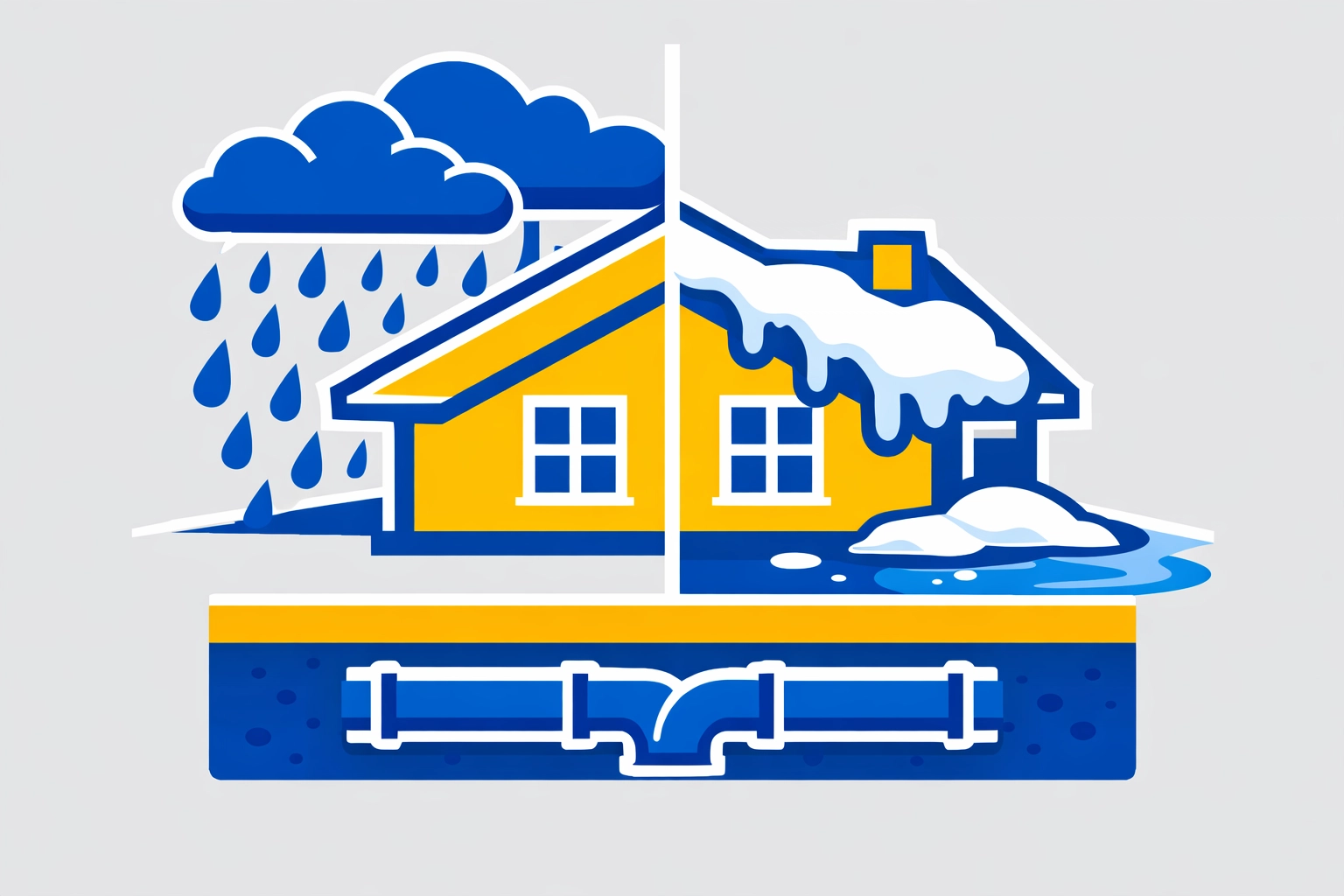
Montgomery County and the surrounding SEPA areas (Chester, Delaware, Berks, and Bucks) have specific challenges.
Spring Thaw: When the snow melts quickly in late February or March, the ground can't absorb it all, leading to basement seepage.
High Humidity: Our summers are famously humid. High humidity makes it much harder for a home to dry out naturally, which is why we use industrial-grade dehumidifiers during water removal.
Old Infrastructure: Many of our beautiful towns have older plumbing systems that are prone to bursts or sewage backups.
Secret #6: The Power of Extraction vs. Evaporation
Many people think that just "airing out" a room is enough. But professionals know that extraction is 500 times more efficient than evaporation.
Using a high-powered water extraction tool to physically suck the water out of the carpet and padding is the first step. Only after we’ve pulled out every drop of liquid water do we bring in the air movers and dehumidifiers to handle the remaining moisture. If you skip the extraction and go straight to fans, you’re essentially just blowing humid air around, which can lead to secondary damage like "ice-cubing" (where high humidity causes ceiling tiles to sag).
Secret #7: Mold Remediation Is a Science, Not a Scrub
If you see a spot of mold on your wall after a leak, your first instinct might be to grab a bucket of bleach and a scrub brush.
Expert advice: Please don't do that. Bleach is mostly water; while it kills mold on the surface, the water in the bleach can soak into the porous drywall and actually "feed" the mold roots that are hidden inside.
True mold remediation involves containment (to prevent spores from spreading to the rest of your house), HEPA vacuuming, and specialized antimicrobial treatments. It’s about more than just cleaning; it’s about making the environment uninhabitable for mold. Check out our expert mold testing guide for more details.
How to Protect Your Home Daily
While we are always here for emergencies, we love it when our neighbors can avoid them altogether. Here are a few "pro habits" for Montgomery County homeowners:
Check your sump pump: Especially before those heavy spring rains. Consider a battery backup!
Inspect appliance hoses: Those rubber hoses on your washing machine should be replaced with braided stainless steel ones.
Know your shut-off valve: If a pipe bursts, knowing how to turn off the main water line in seconds can save you thousands.
Clean your gutters: Clogged gutters dump water right against your foundation, which is a recipe for basement flooding.
For a full list of habits, see our post on 15 daily safety habits to prevent flood cleanup.
Why Trust My Water Damage Hero?
We aren't just a big national franchise. We live and work right here in the area, serving homeowners from Reading to West Chester and everywhere in between. We know the local codes, the local weather, and the local architecture.
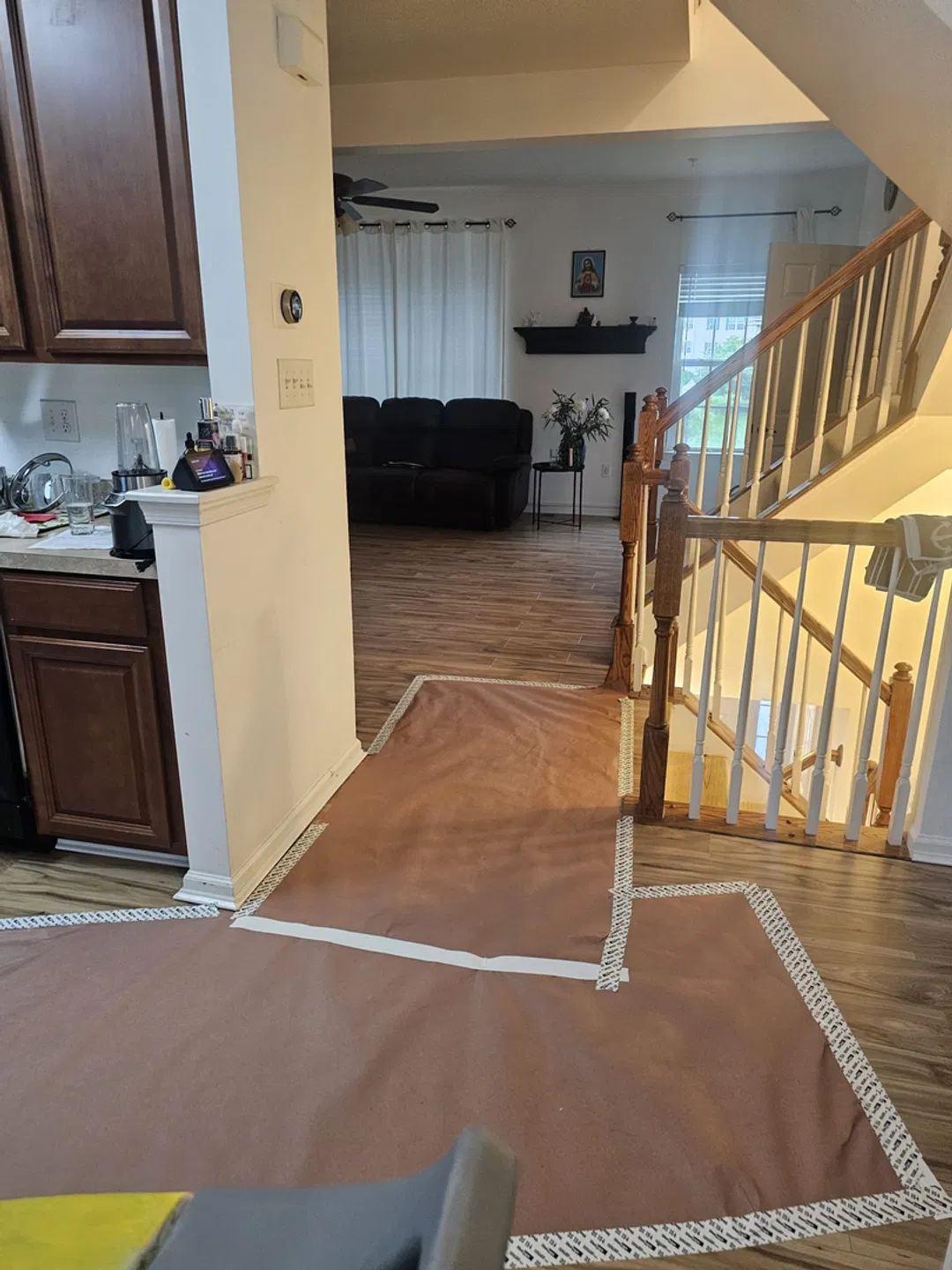
When we come into your home, we treat it like our own. That means laying down protective floor coverings to keep your non-damaged areas clean and being transparent about every step of the process.
Wrapping It Up
Water damage is scary, but it’s manageable if you have the right secrets in your pocket. Remember the "Golden Window," don't trust a surface-level dry, and always prioritize your safety when dealing with sewage or floodwaters.
If you find yourself facing a soggy situation, don't wait. Whether it’s fire damage, smoke damage, or a basement full of water, we’re ready to help you get your home: and your peace of mind: back to normal.
Ready to get started?Contact us today or learn more about our story and why we’re the heroes Montgomery County trusts. We’re just a phone call away, 24/7!
Comments