10 Reasons Your Sump Pump Isn't Working (And How to Prevent Water Damage Restoration in Bucks County)
- info603880
- Apr 18
- 6 min read
Picture this: It’s a typical rainy evening in Doylestown. You’re cozy on the couch, listening to the rhythmic pitter-patter of a Bucks County downpour. Suddenly, you realize you haven’t heard that familiar thrum-click of your sump pump in a while. You head down to the basement, and your heart sinks: there’s a shimmering layer of water reflecting your flashlight beam.
Panic is natural. A failing sump pump is one of the most stressful "homeowner moments" you can face. But don't fret! At My Water Damage Hero, we’ve seen it all, from minor puddles to full-blown indoor swimming pools. Most of the time, sump pump failure is preventable if you know what to look for.

Let’s dive into the top 10 reasons your sump pump might be ghosting you when you need it most, and more importantly, how you can avoid needing emergency flood cleanup in your beautiful Pennsylvania home.
1. The Classic Power Outage
It sounds simple, but it’s the number one reason pumps fail. When do you need your sump pump the most? During a massive thunderstorm. What often happens during massive thunderstorms in Bucks County? The power goes out. If your pump is plugged into a standard outlet and the grid goes down, your basement is essentially unprotected.
The Fix: Don’t rely on luck. Invest in a high-quality battery backup system. This ensures that even if PECO is working on a downed line down the street, your basement stays dry. You can also look into a water-powered backup pump if your home uses municipal water.
2. A Stuck Float Switch
The float switch is the "brain" of your pump. It’s a buoyant device that rises with the water level; once it reaches a certain height, it triggers the motor to start. Often, these switches get pinned against the side of the basin or tangled in wires. If the float can’t rise, the pump never knows it’s time to work.
The Fix: Take a peek into your sump pit. Is the pump centered? Does the float move freely up and down? Sometimes a simple adjustment to the pump's position is all it takes to prevent a call for water damage restoration.
3. Clogged Discharge Pipes
Your pump might be working like a champ, but if the water has nowhere to go, it’s just going to cycle back into your basement. Discharge pipes can get clogged with dirt, rocks, mulch, or even small critters looking for a home. In the winter, these pipes are notorious for freezing solid, creating an icy wall that stops water in its tracks.
The Fix: Ensure your discharge line is clear and directed away from your foundation. If you’re worried about freezing, you can install an "IceGuard" or similar attachment that allows water to escape even if the main pipe is frozen.
4. An Overwhelmed Pump
Sometimes, the storm is just bigger than your equipment. If you have a 1/4 horsepower pump trying to keep up with a deluge in a large Bucks County basement, it might simply get overwhelmed. When the volume of water entering the pit exceeds the pump's discharge rate, you’re going to see rising water.
The Fix: Check the "head height" and GPH (gallons per hour) rating of your pump. If your basement is deep or you live in a particularly low-lying area, you might need to upgrade to a 1/2 or 3/4 horsepower model to avoid emergency flood cleanup.
5. The "Old Age" Burnout
Everything has an expiration date, and sump pumps are no different. Most pumps have a lifespan of about 7 to 10 years. If yours has been humming along since the early 2010s, it’s a ticking time bomb. Components wear out, seals leak, and motors eventually burn out from the constant stress of PA's rainy seasons.
The Fix: Don’t wait for it to fail. If your pump is over a decade old, replace it now. It’s much cheaper to buy a new pump than to pay for mold remediation after a flood.
6. Incorrect Installation
We love a good DIY project, but a sump pump installation needs to be precise. If the check valve is installed backward, the pump will run but no water will leave. If the pit isn’t deep enough, the pump will "short cycle," turning on and off too rapidly, which leads to early motor failure.
The Fix: If you aren’t 100% confident in your plumbing skills, have a pro take a look. A quick inspection can save you thousands in future damages.
7. A Broken Check Valve
The check valve is a one-way street for water. It lets water out of the discharge pipe but prevents it from flowing back into the pit when the pump turns off. If this valve breaks, the water in the pipe falls back into the pit, the float rises, the pump turns on... and the cycle repeats endlessly until the motor burns out.
The Fix: Listen to your pump. If you hear a loud "thud" every time it stops, or if it seems to be running every two minutes even when it’s not raining hard, your check valve might be the culprit.
8. Debris in the Sump Pit
Your sump pit isn’t a trash can, but you’d be surprised what finds its way in there. Silt, gravel, and even loose bits of concrete can get sucked into the pump’s intake screen. This forces the motor to work harder and eventually causes it to seize up.
The Fix: Once a year, put on some gloves and clean out the bottom of your sump pit. Removing that layer of muck can add years to your pump's life.
9. Frozen Discharge Lines
This is a big one for our neighbors in Bucks, Montgomery, and Berks counties. When the temperature drops below freezing, the water sitting in your discharge line can turn to ice. When the next thaw comes (or a mid-winter rain), the pump tries to push water out, hits the ice block, and potentially burns out the motor.
The Fix: Make sure your discharge pipe is sloped downward so water doesn’t sit inside it. You can also use a "freeze relief" device that gives water an alternative exit point if the main line is blocked by ice.
10. Lack of Regular Testing
The worst time to find out your pump is broken is when it’s already raining. Many homeowners forget about their sump pump until they see water on the floor.
The Fix: Every few months, pour a five-gallon bucket of water into the pit to make sure the float rises and the pump activates. This simple 5-minute routine can be the difference between a dry basement and a call to My Water Damage Hero.
What Happens If the Pump Fails?
Even with the best maintenance, sometimes Mother Nature wins. If you find yourself standing in a damp basement, the clock is ticking. Water damage doesn't just ruin your carpet; it can lead to structural issues and, within 24 to 48 hours, mold remediation becomes a necessity.
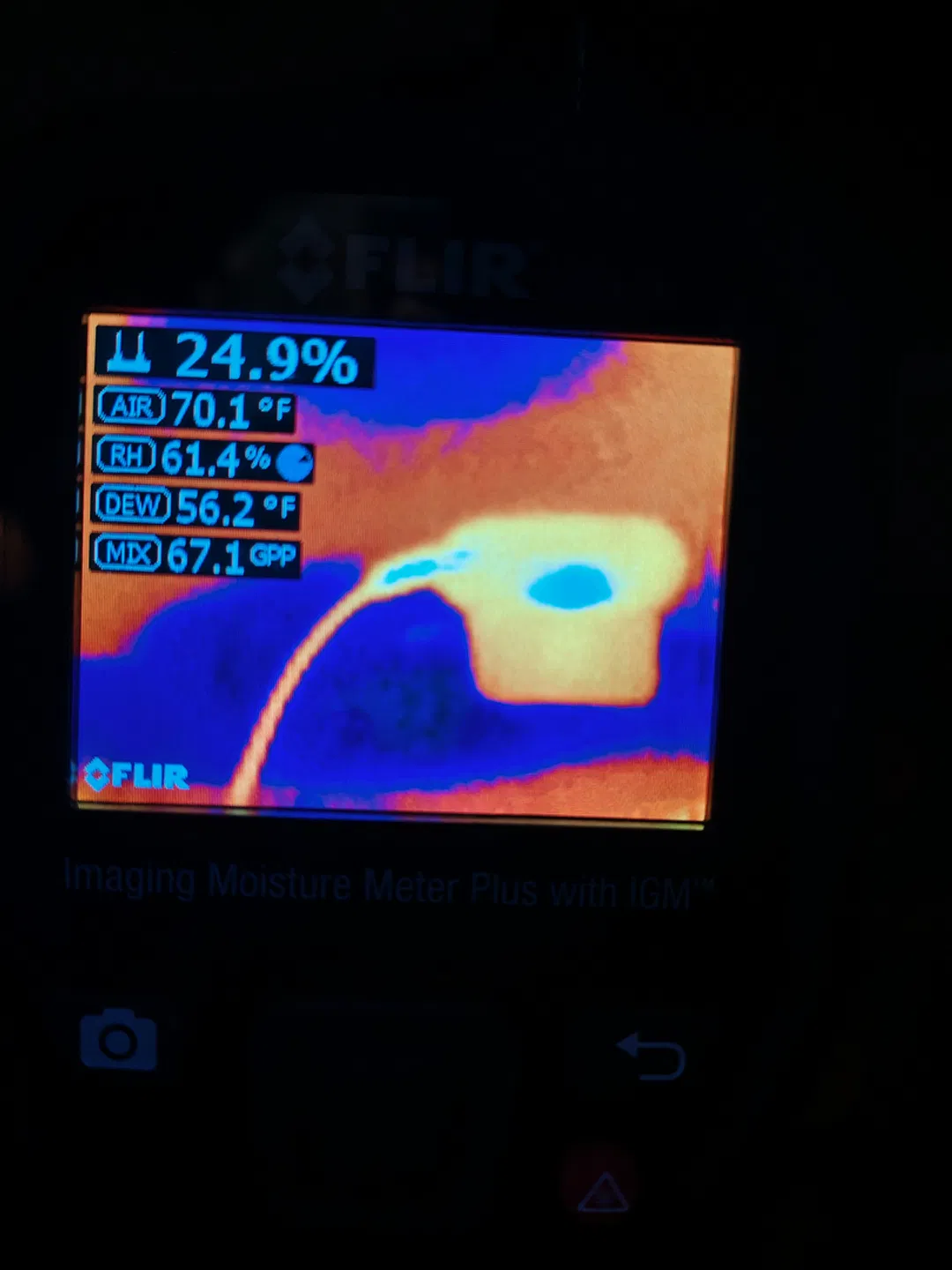
At My Water Damage Hero, we use advanced tools like moisture meters and FLIR thermal imaging to find hidden pockets of water that the naked eye can't see. Our goal is to get your home dry and safe before mold has a chance to settle in.
The Dangers of Sewage Backup
Sometimes, a sump pump failure isn't just "clean" rainwater. If your basement has a floor drain connected to the sewer line, or if the flooding is severe enough to back up your pipes, you might be dealing with a sewage clean up situation. This is a biohazard and should never be handled without professional protective gear.

Why Bucks County Residents Trust Us
We live and work right here in the area. We know the local water tables, we understand the local architecture, and we’re familiar with the specific challenges of Pennsylvania weather. Whether you’re in Levittown, Bensalem, or Perkasie, we’re just a phone call away.
We don't just "suck up water." We provide a full restoration experience, including:
Water Extraction: Using industrial-grade pumps to get the bulk of the water out fast.
Professional Drying: Deploying high-velocity air movers and LGR dehumidifiers to pull moisture from the air and walls.
Sanitization: Essential for preventing odors and health risks.
Insurance Coordination: We help you navigate the tricky world of sump pump insurance coverage.
Final Thoughts on Prevention
Your sump pump is the unsung hero of your home. By spending just a little time each season checking the float, clearing debris, and ensuring your power supply is solid, you can avoid the headache of a flooded basement.
But if the unthinkable happens, don't panic. Take a deep breath and call a professional. The faster you act, the less damage your home will suffer.

Ready to secure your home against the next big storm? Whether you need advice on a backup system or you’re currently dealing with a "stressful mess," we’re here to help. Contact us today and let us be your water damage heroes!
Comments