Water Damage Restoration 101: A Beginner’s Guide to Protecting Your Berks County Home Daily
Hey there, Berks County neighbor! If you’re reading this, maybe you’ve just discovered a mysterious puddle in your basement, or perhaps you’re just a proactive homeowner looking to keep your Reading or Wyomissing property in tip-top shape. Either way, you’re in the right place.
Water damage is one of those things we all hope never happens to us, but the reality is that it’s one of the most common issues homeowners face in Pennsylvania. Whether it's a sudden summer thunderstorm causing an emergency flood cleanup or a sneaky pipe leak that’s been dripping for weeks, the stress is real. But don’t worry, water damage doesn’t have to be a disaster. With a little bit of knowledge and some daily habits, you can protect your home and your peace of mind.
Let’s dive into everything you need to know about water damage restoration and how to keep your home dry and safe.
Why the Clock is Ticking: The 24-48 Hour Window
Here is the thing about water: it doesn't like to stay still, and it doesn't like to stay "clean." The moment water enters areas of your home where it shouldn't be, a literal countdown begins. Within just a few minutes, that water is soaking into your carpets, wicking up your drywall, and saturating your wooden subfloors.
But the real trouble starts at the 24 to 48-hour mark. This is the "magic" window where mold spores decide to settle in and start a family. Once mold takes hold, you’re no longer just looking at a simple drying job; you’re looking at full-scale mold remediation. Mold can cause health issues and structural damage, so the goal is always to get things dry before that 48-hour deadline hits.
Common Culprits in Berks County Homes
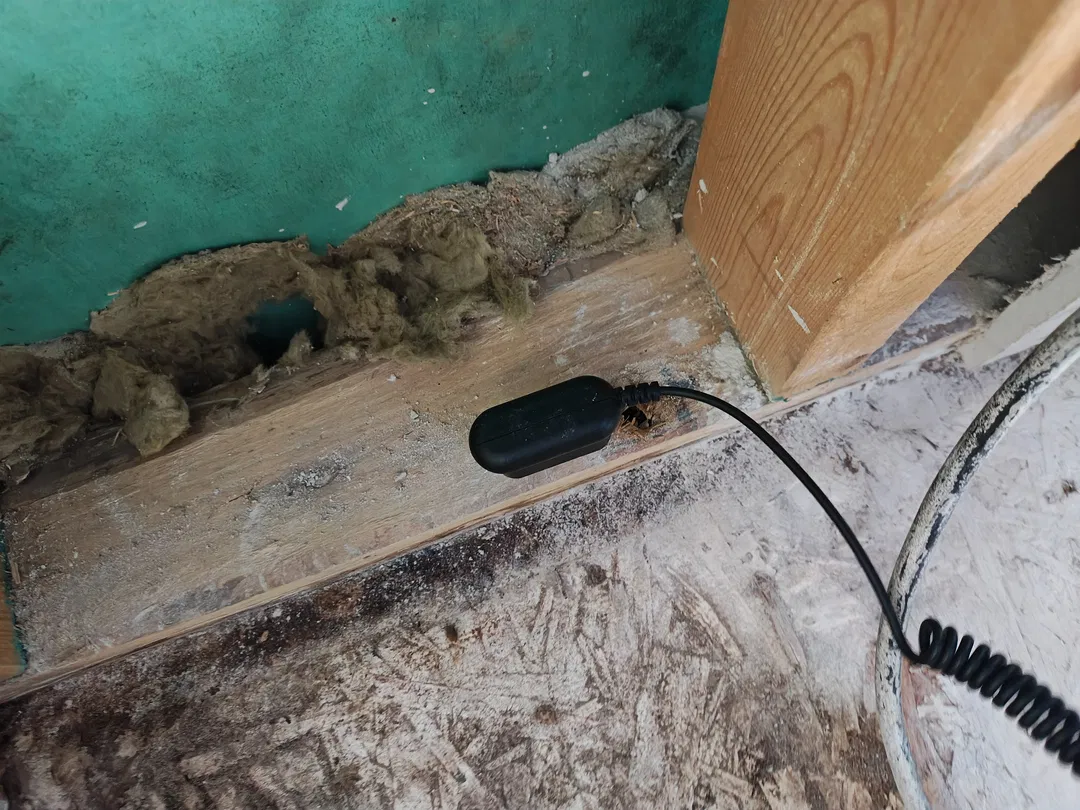
Living in Berks County, we get a bit of everything, heavy snow in the winter, humid summers, and those notorious spring rains that turn backyards into small ponds. Understanding where the water comes from is the first step in protecting your home.
The Sump Pump Struggle: Many of our local homes have basements that rely heavily on sump pumps. If that pump fails during a storm, you’re looking at an immediate need for flood cleanup.
Aging Pipes: Many beautiful homes in areas like Boyertown or Kutztown have older plumbing. Copper pipes can pinhole, and galvanized pipes can corrode, leading to slow leaks behind your walls.
Appliance Mishaps: Dishwashers, washing machines, and water heaters are all ticking time bombs if they aren't maintained. A burst washing machine hose can dump dozens of gallons of water into your home in minutes.
Sewage Backups: This is the one nobody wants to talk about. Whether it’s a clog in the main line or a municipal backup, sewage clean up is a specialized job that requires professional gear and sanitization.
The Professional Restoration Process: What to Expect
If you do find yourself facing a soggy situation, you might wonder what actually happens when the pros show up. It's not just about a few fans and a mop. It’s a scientific process designed to save your structure and prevent mold.
1. The Assessment (The "Detective" Phase)
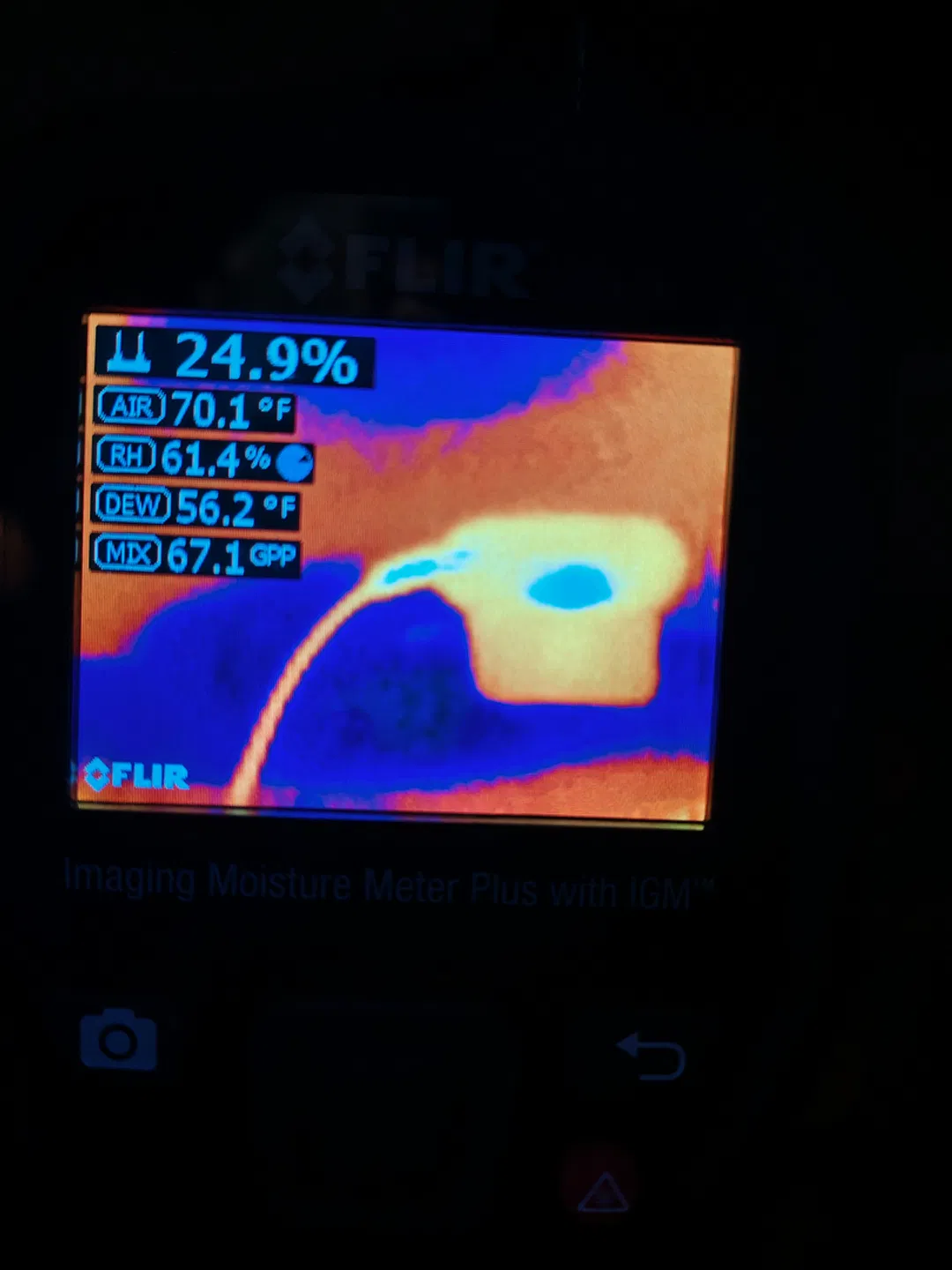
The first thing a technician will do is find the source. We use high-tech tools like thermal imaging cameras and moisture meters to see what the naked eye can’t. We might find that while your carpet feels dry, the padding underneath is completely soaked.
2. Water Extraction
This is where the heavy lifting happens. Using truck-mounted vacuums or industrial portable extractors, we remove as much standing water as possible. The more water we get out in liquid form, the faster the drying process will go. If you're dealing with a major mess, check out our guide on water extraction.
3. Structural Drying and Dehumidification
Once the standing water is gone, your walls and floors still hold "bound" moisture. We use high-velocity air movers to pull moisture out of the materials and industrial-grade dehumidifiers to pull that moisture out of the air. This prevents that "musty" smell from ever starting.
4. Cleaning and Sanitizing
Water isn't always clean. If you're dealing with a sewage clean up or a basement flood from outdoor runoff, everything needs to be scrubbed and treated with antimicrobial agents to ensure your home is safe for your family.
5. Restoration and Repairs
The final step is getting your home back to its pre-loss condition. This might mean replacing a bit of drywall, installing new carpet padding, or repainting. Our goal is to make it look like the leak never happened.
Your Daily "Dry Home" Habits
You don't need to be an expert to keep your home safe. In fact, a few simple daily and weekly habits can prevent the need for an emergency call.
Listen to Your House: Do you hear a faint "hiss" behind the toilet? Is there a rhythmic "drip-drip" coming from the kitchen sink? Don't ignore those sounds! A tiny leak today is a big restoration bill tomorrow.
The "Under-Sink" Peek: Once a week, when you’re grabbing the trash bags or cleaning supplies, take a quick look under your sinks. Look for dampness, warped wood, or that tell-tale "musty" scent.
Check the Sump Pump: Especially before a big storm is predicted for Berks County, pour a bucket of water into your sump pit to make sure the float triggers and the pump kicks on.
Monitor Your Water Bill: If your bill suddenly spikes and you haven't been watering the lawn or filling a pool, you likely have a hidden leak. This is a classic sign that it's time for a professional leak check.

When Can You DIY and When Should You Call the Heroes?
We love a good DIY project as much as the next person, but water damage is tricky. If you spill a glass of water on the hardwood, grab a towel and you’re good to go. But if you’re dealing with any of the following, please consider reaching out for professional help:
Standing Water: If there is more than an inch of water, your shop-vac won't be enough to prevent structural damage.
Sewage or Dirty Water: If the water came from a toilet, a drain, or outside, it contains bacteria and pathogens. It’s simply not worth the health risk to clean it yourself.
Wet Drywall or Insulation: These materials act like sponges. If they stay wet for more than 24 hours, mold remediation becomes almost a certainty.
Electrical Concerns: Water and electricity are a dangerous mix. If water is near outlets or your electrical panel, stay away and call a pro immediately.
A professional team has the advanced equipment to ensure your home isn't just "dry to the touch," but actually dry at the core.

Protecting Your Berks County Investment
Your home is likely your biggest investment. Whether you’re living in a historic home in Oley or a new build in Exeter, water is your home’s number one enemy. By staying vigilant and understanding the basics of water damage restoration, you’re already ahead of the game.
Remember, if the unthinkable happens and you find yourself standing in a puddle at 2 AM, don't panic. Take a deep breath, turn off your main water valve if possible, and know that experts are just a call away. We’re here to help our Berks County neighbors get back to normal as quickly and safely as possible.
Stay dry, keep an eye on those pipes, and don't forget that a little bit of prevention goes a long way! For more tips on keeping your home safe, check out our full guide on home safety for SEPA families.
Comments