Boost Your Home Safety Instantly with These 5 Water Damage Restoration Tips for SEPA Families
Hey there, neighbor! If you’re living in Montgomery, Berks, Bucks, Delaware, or Chester County, you know exactly how unpredictable our weather can be. One minute it’s a beautiful spring day, and the next, we’re dealing with a torrential downpour that turns your backyard into a small pond.
Dealing with water in your home is, quite frankly, a stressful mess. Whether it’s a burst pipe in the middle of a freezing winter night or a basement that’s starting to look more like a swimming pool after a heavy storm, panic is a completely natural reaction. But here’s the good news: you don't have to tackle this alone. At My Water Damage Hero, we’ve seen it all, and we’re here to help you move from "oh no!" to "it’s under control."
In this guide, we’re diving into five actionable tips that can help you boost your home safety instantly. These aren't just generic ideas; they are tailored for our local SEPA families who want to protect their investment and keep their loved ones safe.
1. Clear the Path: Gutters and Downspouts
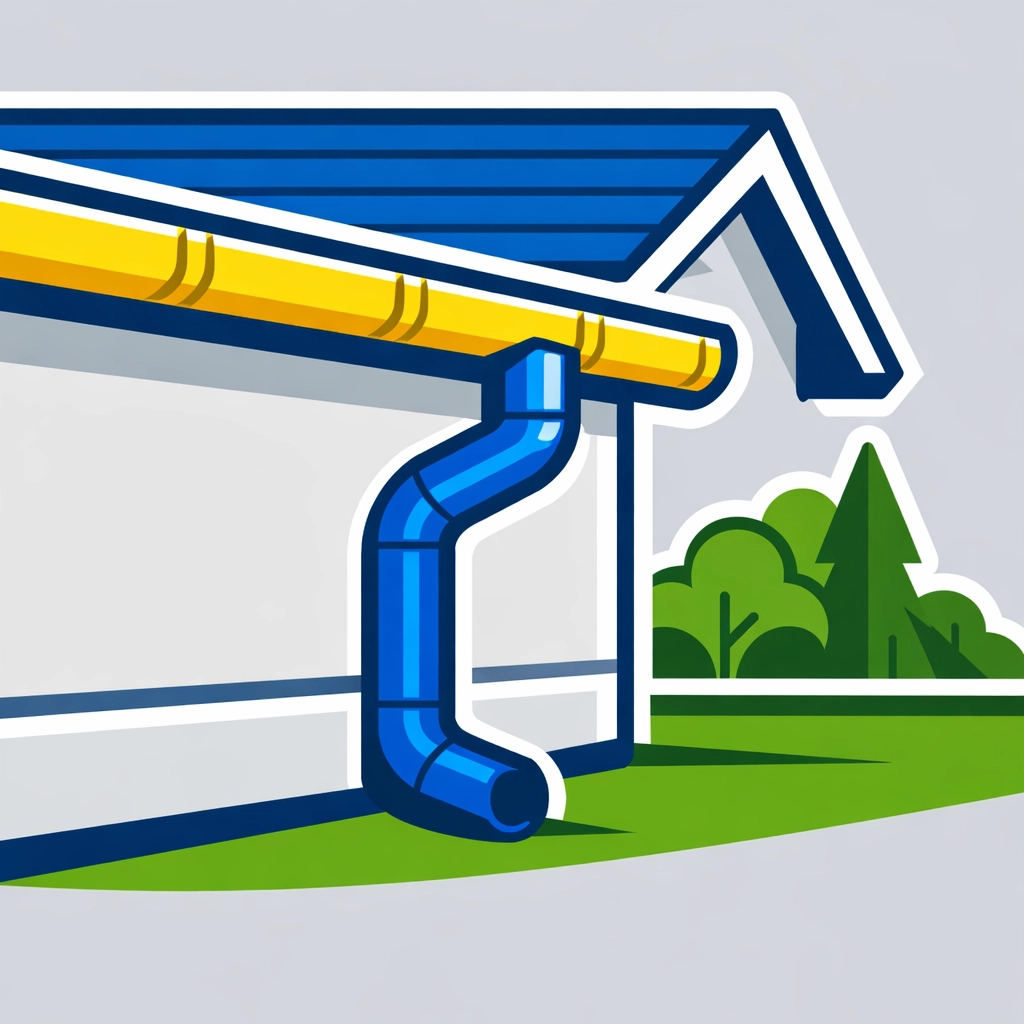
Let’s start outside. It might seem like a simple chore, but keeping your gutters clean is your first line of defense against serious water damage restoration needs later on. When your gutters are packed with leaves from our beautiful Pennsylvania maples and oaks, rainwater has nowhere to go.
Instead of flowing safely away from your home, that water overflows. It pours down your siding and pools right at your foundation. Over time, this constant soaking can erode the soil and cause cracks in your foundation. Even worse, that water can seep directly into your basement or crawl space.
Our Pro Tip: Clean your gutters at least twice a year: once in late spring and again in late fall. Also, make sure your downspouts extend at least five to ten feet away from your foundation. If they’re just dumping water right at the base of your house, they aren't doing their job!
2. Seal the Deal: Windows, Doors, and Exterior Openings
Have you ever noticed a little bit of moisture on your windowsill after a driving rainstorm in Bucks County? Or maybe a draft coming from the bottom of your front door? Those aren't just minor annoyances; they are open invitations for water to enter your home.
Windows and doors are vulnerable entry points. Rainwater can be pushed through tiny gaps by high winds, leading to hidden moisture inside your walls. This is often where mold remediation stories begin. If moisture gets trapped behind your drywall, mold can start growing in as little as 24 to 48 hours.
What you can do today:
Inspect the Caulk: Walk around the exterior of your home and look for cracked or missing caulk around window frames and door sweeps.
Weather Stripping: Replace any worn-out weather stripping. It’s a cheap fix that saves you thousands in restoration costs.
Door Sweeps: Install rubber sweeps at the bottom of exterior doors to create a watertight seal.
If you're worried about what might be happening behind those walls, you might want to check out how we use hidden moisture mapping to find leaks without tearing things down.
3. Foundation and Basement Vigilance
Your foundation is the literal backbone of your home. In areas like Chester and Delaware Counties, where many homes have older foundations, small cracks are common. However, even a hairline crack can allow enough water through to cause a major headache.
Regularly walk through your basement or crawl space. Look for "efflorescence": that white, powdery substance that appears on brick or concrete when water evaporates. It’s a sign that moisture is moving through the material. If you spot pooling water or damp spots, it’s time to act.
Ignoring these signs can lead to a need for emergency flood cleanup. If a heavy storm hits and those small cracks give way, you could be looking at several inches of water in your basement before you even finish dinner.
For a quick way to stay on top of this, try our 3-minute basement check. It’s a simple habit that has saved plenty of Montgomery County homeowners from total disaster.
4. Get Smart with Leak Detection and Shutoff Valves
We live in an age of amazing technology, so why not use it to protect your home? Smart leak detection sensors are a game-changer for SEPA families. These tiny devices can be placed under sinks, near your water heater, or behind your washing machine. If they detect even a drop of water, they send an alert straight to your smartphone.
Imagine being at work in Berks County and getting a notification that your dishwasher is leaking. You can rush home (or call a neighbor) before it turns into a full-blown sewage clean up or flood situation.
The most important tip: Do you know where your main water shutoff valve is? If a pipe bursts right now, could you turn off the water in under 60 seconds? If the answer is no, go find it right now. Label it with a bright tag so everyone in the family knows where it is. Knowing this one thing can be the fastest way to protect your home after a pipe burst.
5. Test Your Sump Pump (Before the Storm Hits)
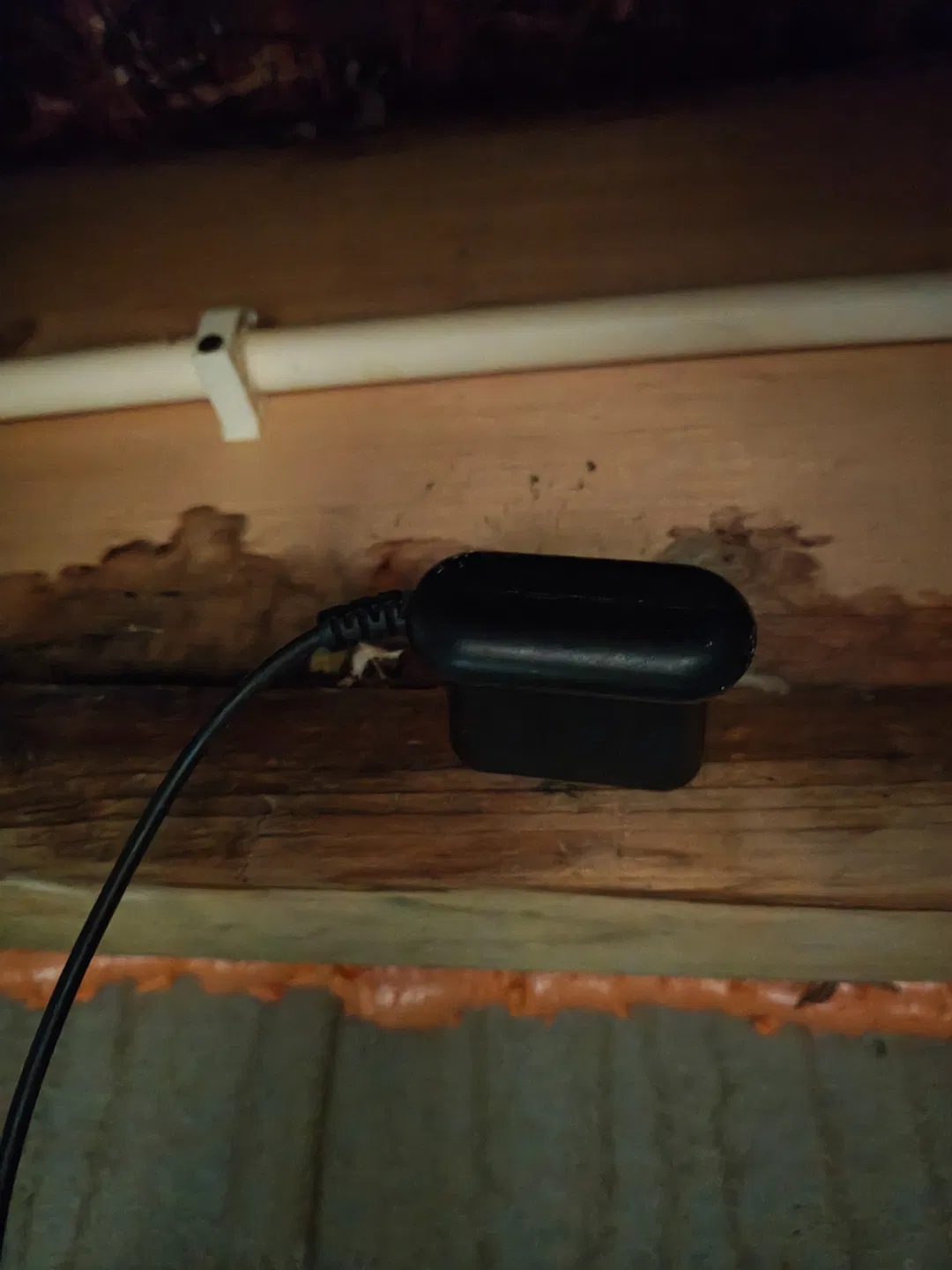
If you have a basement in SEPA, you likely have a sump pump. This little machine is your home’s unsung hero during a storm. But like any mechanical device, it can fail. And usually, they fail right when you need them most.
Testing it is easy. Just pour a five-gallon bucket of water into the sump pit. The float should rise, the pump should kick on, and the water should disappear quickly. If it doesn't, you need a plumber or a restoration expert to take a look immediately.
Bonus Tip: Consider a battery-powered backup. Our area is prone to power outages during big storms. If the power goes out, your main sump pump won't work. A battery backup ensures that even if the lights go out, your basement stays dry. This is a critical step in preventing the need for emergency flood cleanup.

When DIY Isn't Enough: The My Water Damage Hero Difference
We love a good DIY project as much as anyone, but when it comes to water, the stakes are incredibly high. Water is sneaky. It hides under floorboards, inside insulation, and behind baseboards. If you don't get every single drop out and dry the structure completely, you’re almost guaranteed to deal with mold or structural rot down the line.
That’s where we come in. At My Water Damage Hero, we treat your home like it’s our own. We’re a family-owned business, and we understand how devastating a flood or leak can feel. We use advanced technology like infrared cameras and high-powered moisture meters to ensure your home is truly dry.
If you’ve already experienced a leak and aren't sure what to do next, don't sweat it. Check out our beginner's guide to the first 24 hours of emergency flood cleanup. It’ll help you keep your cool while you wait for the pros to arrive.
Final Thoughts for Our SEPA Neighbors
Your home is more than just a building; it’s where your family’s memories are made. Whether you’re in the heart of Montgomery County or out in the rolling hills of Chester County, being proactive about water safety is one of the best things you can do for your peace of mind.
Remember:
Keep those gutters clear.
Seal up any gaps in your exterior.
Keep a close eye on your foundation.
Install sensors and know your shutoff valve.
Test your sump pump regularly.
And if things go sideways? Don't panic. We’re here 24/7 to help you through it. From sewage clean up to mold remediation and everything in between, My Water Damage Hero has your back.
Stay safe out there, SEPA! If you ever need a hand, you know who to call. We're just around the corner, ready to be your hero.
Comments