The Ultimate Guide to Water Extraction Service in Pennsylvania: Everything You Need to Succeed When Floods Hit
- info603880
- Mar 17
- 5 min read
You walk downstairs to grab a load of laundry or head into the office on a Monday morning, only to hear that dreaded squish. Your heart sinks. Whether it’s a burst pipe in Montgomery County or a flash flood soaking your basement in Delaware County, seeing standing water in your home or business is enough to make anyone panic.
But take a deep breath. You’ve got this, and we’re here to help you navigate it.
When a flood hits, the clock starts ticking immediately. This isn’t just about a wet carpet; it’s about protecting the structural integrity of your property and the health of your family. In this guide, we’re going to walk through everything you need to know about professional water extraction services here in Pennsylvania and how to turn a disaster into a distant memory.
Why Speed is Your Best Friend
Here’s the thing: water doesn't just sit there. It’s invasive. It creeps into baseboards, soaks into drywall, and finds its way under your subflooring. In the restoration world, we talk a lot about the "Golden Window": the first 24 to 48 hours after water enters a building.
Why does this window matter so much? Because that’s how long it takes for mold to start throwing a party in your walls. If you act fast with professional water damage restoration, you can often save materials that would otherwise have to be ripped out and replaced.
If you’re currently standing in puddles, don't wait for "business hours." Most reputable Pennsylvania restoration teams: including us here at My Water Damage Hero: offer 24/7 emergency services because we know floods don't keep a 9-to-5 schedule.
The Professional Water Extraction Process: What to Expect
If you’ve never called for an emergency flood cleanup, you might wonder what actually happens when the big yellow trucks pull up. It’s a lot more than just a giant vacuum. Here is the typical roadmap to getting your home dry again.
1. Assessment and Safety First
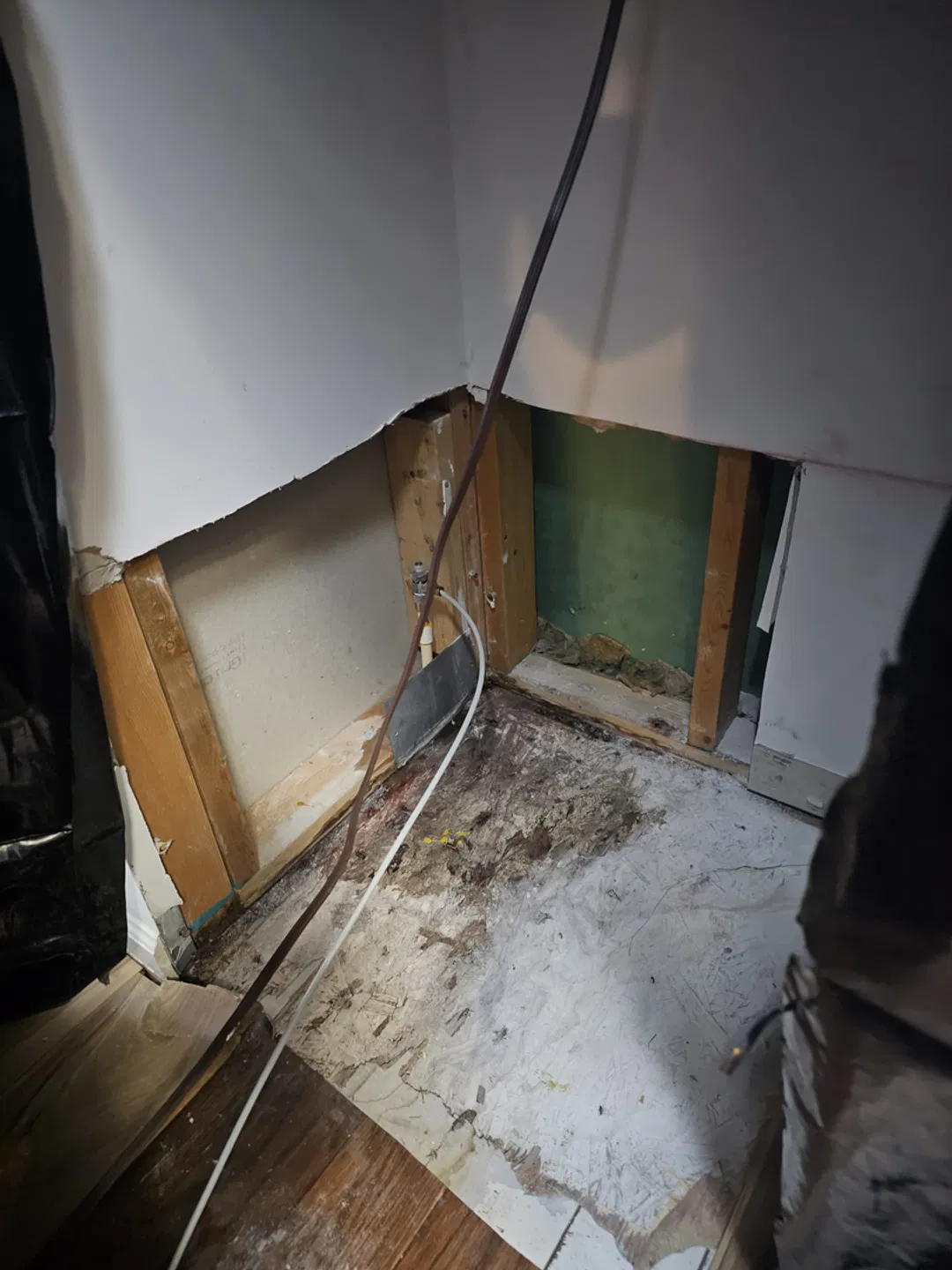
The very first thing a technician will do is a full walkthrough. They aren't just looking at the puddles; they’re using moisture meters and infrared cameras to find water hiding behind walls. They’ll also identify the "category" of water. Is it clean water from a pipe, or is it "black water" from a sewer backup? This determines the entire safety protocol.
2. Immediate Water Extraction
This is the heavy-lifting phase. We use industrial-grade truck-mounted vacuum systems to suck out the standing water. We're talking hundreds or even thousands of gallons in a very short amount of time. The goal is to get the "bulk" water out so the drying process can actually begin.

3. Evaporative Drying and Dehumidification
Once the standing water is gone, your floors might look dry, but they aren't. They’re still "moist" to the touch, and the air is likely thick with humidity. We set up high-velocity air movers and LGR (Low Grain Refrigerant) dehumidifiers. These machines pull moisture out of the air and the structural materials of your home, preventing wood from warping and mold from growing.
4. Cleaning and Sanitizing
Water: especially if it came from the ground or a drain: carries bacteria. We use professional-grade antimicrobial treatments to ensure your home isn't just dry, but safe for your kids and pets to crawl around on again.
Why Your Shop-Vac Isn't Enough
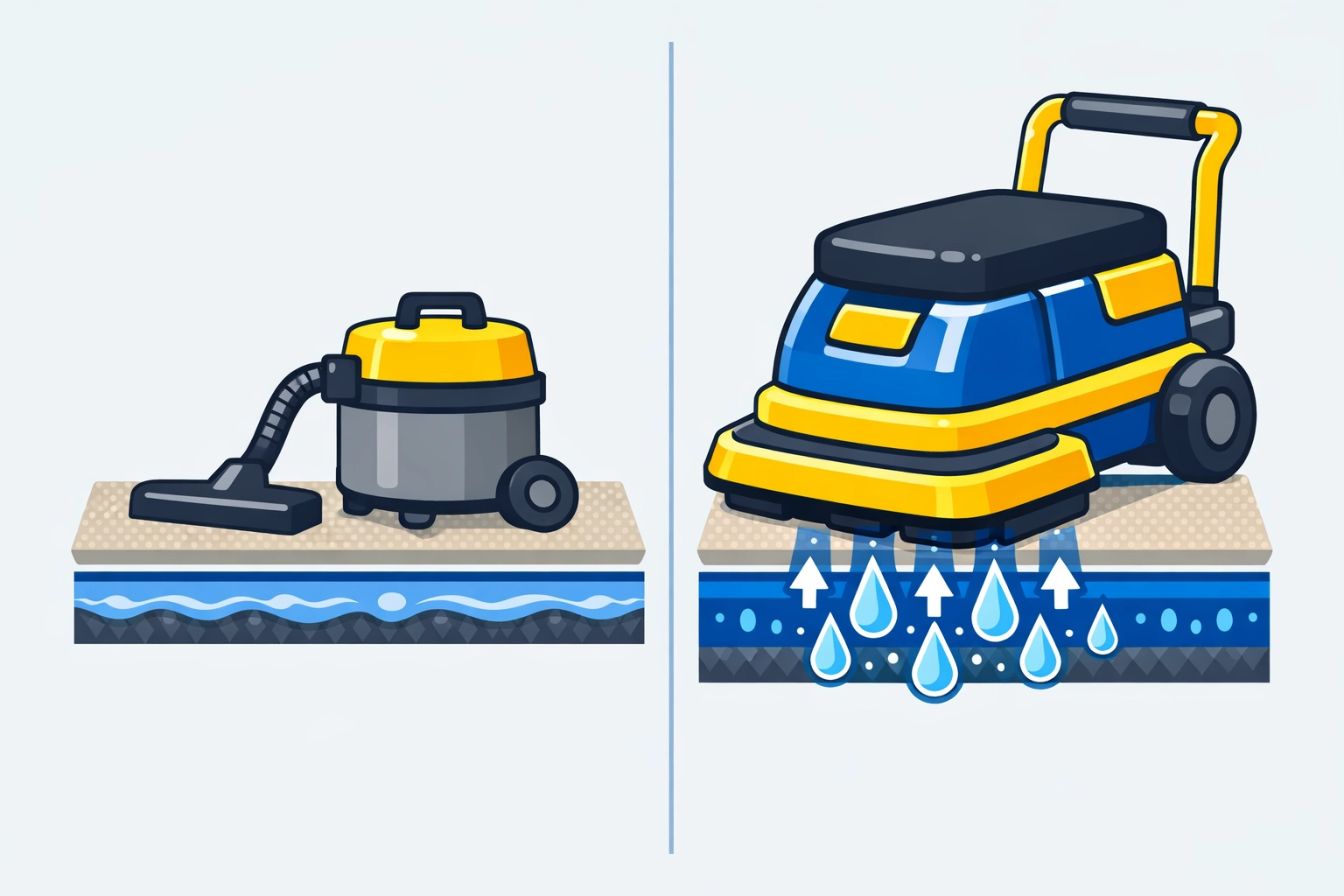
We love a good DIY project as much as the next neighbor, but water extraction is one area where the "home hack" approach usually falls short. A standard household wet/dry vac is great for a spilled gallon of milk, but it lacks the lift and CFM (cubic feet per minute) power to pull water out of carpet padding or from deep within hardwood pores.
Furthermore, professionals use specialized tools like "weighted extractors" (sometimes called "Rovers") that use the technician's weight to squeeze water out of the padding without having to pull up the entire carpet. This can save you thousands in replacement costs!
Hidden Dangers: When it’s More Than Just Water
Sometimes, a flood brings guests you didn't invite. In our neck of the woods: from the suburbs of Bucks County to the historic homes in Berks County: two major issues often follow a flood: sewage clean up and mold remediation.
The Sewage Scare
If your flood was caused by a sewer backup, stop what you’re doing and do not touch the water. This is a "Category 3" loss, meaning the water is highly contaminated. You need pros who have the right PPE (Personal Protective Equipment) and specialized disinfectants. If you’re in Chester County, check out our deep dive on sewage clean up health risks to understand why this isn't a DIY job.
The Mold Menace
Mold loves Pennsylvania humidity. If water extraction isn't done correctly or if it's delayed, you'll likely start smelling that "musty" odor within a few days. Professional mold testing and remediation are essential to ensure your indoor air quality remains safe.
Navigating Insurance Without the Headache
One of the most stressful parts of a flood isn't the water: it's the paperwork. Does your policy cover a sump pump failure? What about a pipe burst?
Here are a few tips to help your claim go smoothly:
Take Photos of Everything: Before any work starts, snap photos and videos of the damage and the source of the leak.
Keep Samples: If we have to cut out a piece of your custom carpet or hardwood, keep a small square for the adjuster to see the quality of the material.
Check Your Sump Pump Rider: Many standard policies require a specific "Endorsement" for water backup. You can learn more about sump pump insurance coverage here.
Most restoration companies (including us!) will work directly with your insurance adjuster, providing them with the moisture maps and drying logs they need to process your claim quickly.
Local Expertise Matters in SEPA
Pennsylvania weather is unpredictable. One day it's a beautiful spring afternoon in Pottstown, and the next, a heavy rainstorm is sending runoff into your window wells.
When you call a local expert who knows the architecture of homes in Montgomery or Delaware County, you’re getting someone who understands local building codes and common basement issues specific to our area. Whether you’re dealing with an old fieldstone foundation that’s seeping water or a modern finished basement in Chester County that’s been drowned by a failed water heater, local knowledge is power.
Quick Tips for the First 30 Minutes of a Flood
If you are reading this while standing in water, here is your "Right Now" checklist:
Identify the Source: If it's a pipe burst, shut off the main water valve immediately.
Turn Off the Power: If the water has reached electrical outlets or your circuit breaker is in the flooded area, do not enter the water. Call an electrician or your utility company.
Protect Your Furniture: Use aluminum foil or wood blocks under furniture legs to prevent "wicking" (where the wood sucks up the water) and to prevent furniture stains on your carpet.
Call the Pros: Get an extraction team on the way. The sooner the water is gone, the less damage you'll have to repair later.
Final Thoughts
Flooding is overwhelming, but it doesn't have to be the end of your beautiful home. With the right water damage restoration team and a quick response, you can dry out your property and get back to your normal routine faster than you think.
Remember, the goal of water extraction isn't just to get the floor dry; it's to protect your investment and your peace of mind. If you’re in Montgomery, Berks, Bucks, Delaware, or Chester County and need a hand, don't hesitate to contact us. We’ve seen it all, and we’re here to be your hero!
Stay dry out there, Pennsylvania!
Comments