The Ultimate Guide to Emergency Flood Cleanup in Delaware County: Everything You Need to Know to Save Your Floors
- info603880
- Mar 16
- 5 min read
Hey there, Delaware County neighbor. If you’re reading this while standing in a half-inch of water in your Media basement or watching a leak drip through your kitchen ceiling in Havertown, take a deep breath. We know exactly how you feel. It’s stressful, it’s messy, and your mind is probably racing through a million "what ifs."
Panic is a natural reaction when you see your beautiful hardwood floors or cozy carpets submerged. But here’s the good news: with the right steps and a quick response, you can save your home from long-term disaster. Whether it’s a burst pipe, a heavy SEPA rainstorm, or a grumpy sump pump that decided to quit, this guide is your roadmap to navigating emergency flood cleanup like a pro.
Step 1: Safety First (Don't Skip This!)
Before you grab a mop or start moving furniture, we need to talk about safety. Water and electricity are a dangerous duo. If the water has reached your electrical outlets or if you have to walk through standing water to get to the breaker box, stop right there.
Turn off the power: If it’s safe to do so, shut off the electricity to the affected areas.
Stop the source: If the flood is from a plumbing failure, turn off the main water valve immediately.
Gear up: Wear rubber boots and gloves. You don't always know what's in that water (especially if it’s a backup requiring sewage clean up).
Once the immediate danger is handled, you can start thinking about the cleanup process. If you're feeling overwhelmed, check out your quick start guide to emergency flood cleanup for those critical first few minutes.

Step 2: Identify the Type of Water
Not all floodwater is created equal. In the world of water damage restoration, we categorize water to determine how dangerous it is.
Category 1 (Clean Water): Think broken supply lines or bathtub overflows. It’s "clean," but it won't stay that way for long once it hits your floor.
Category 2 (Grey Water): This might come from your dishwasher or washing machine. It contains some contaminants and can make you feel a bit icky.
Category 3 (Black Water): This is the serious stuff. We’re talking sewage backups or rising floodwaters from local creeks. This requires professional sewage clean up because of the bacteria and pathogens involved. For more on this, read about the health risks of sewage.
Step 3: The Battle for Your Floors
Your flooring is often the biggest investment in your home, and it’s usually the first thing to get hit. Here is how different materials handle a flood.
Hardwood Floors
Hardwood is resilient, but it’s also porous. When wood absorbs water, it expands. This leads to "cupping" (the edges of the planks rise) or "crowning" (the center of the plank bulges). The Fix: You have a very narrow window: usually about 24 hours: to get the moisture out. We use specialized floor mats that act like giant vacuums to pull moisture through the wood pores.
Carpeting and Padding
Can you save your carpet? It depends. If it’s clean water, there’s a good chance. However, the padding underneath acts like a giant sponge. Usually, the pad needs to be replaced even if the carpet can be cleaned. If it's Category 3 water, the carpet almost always has to go. Check out our deep dive on saving carpets in Delaware County for more details.
Tile and Laminate
Tile itself is water-resistant, but the grout is not. Water can seep under the tile and rot the subfloor. Laminate is the most sensitive; once the edges soak up water, the "wood" inside swells and stays that way permanently.

Step 4: Extraction and Structural Drying
Once the "bulk" water is gone, the real work begins. You might think the floor feels dry to the touch, but water is sneaky. It hides behind baseboards, under cabinets, and inside the drywall.
This is where professional emergency flood cleanup tools come in. We don't just use shop-vacs; we use industrial-strength extractors and high-velocity air movers.
Why You Need High-Tech Detection
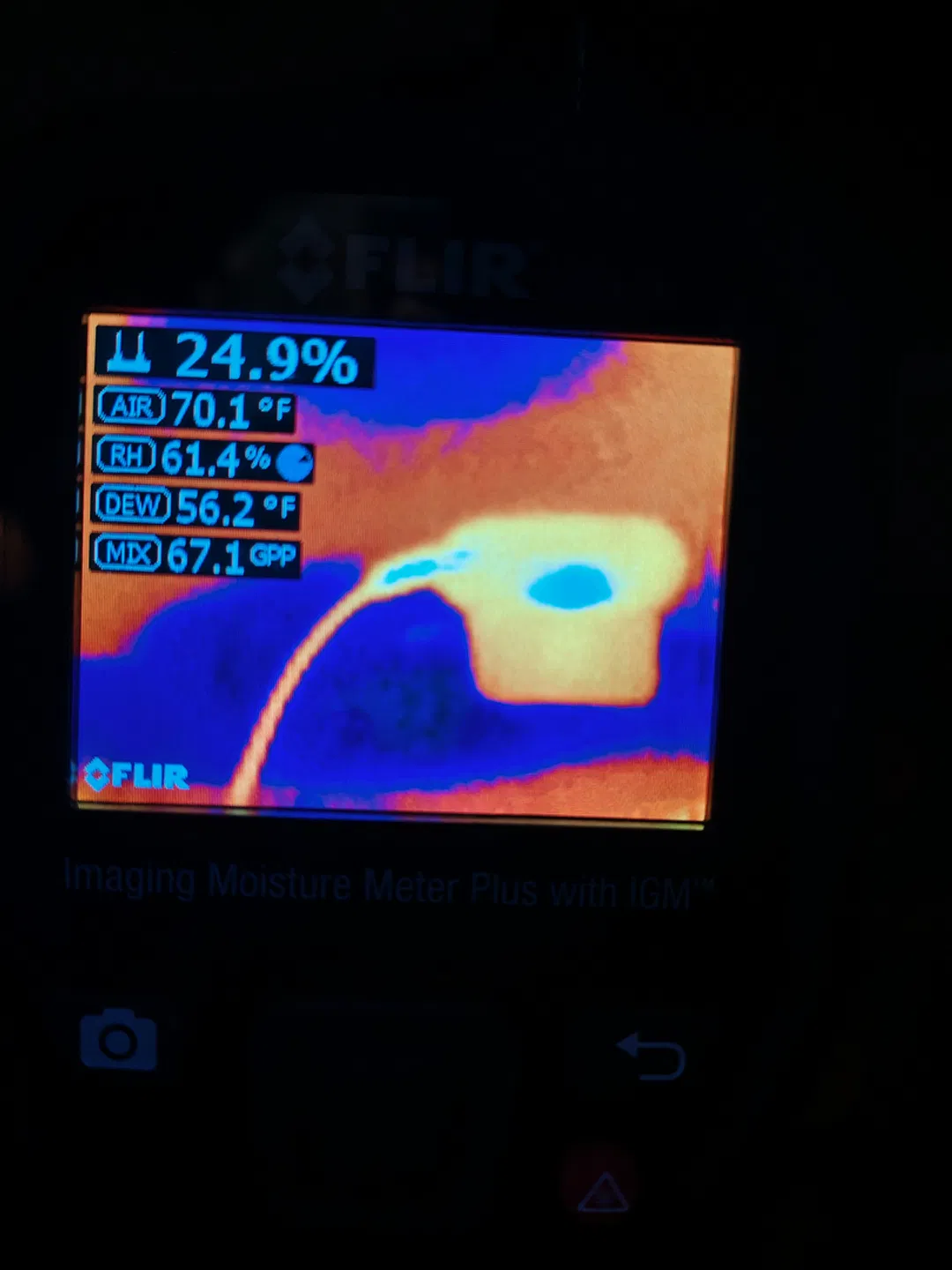
At My Water Damage Hero, we use FLIR thermal imaging and moisture meters to "see" the water you can't. If you leave even a small pocket of moisture behind a wall in Upper Darby, you’re looking at a mold remediation project in about three days.
Step 5: The 24-48 Hour Mold Window
Mold doesn't wait for your insurance adjuster to call back. It starts growing within 24 to 48 hours of a water event. This is why "DIY drying" often fails. Household fans just don't move enough air to drop the humidity levels fast enough.
If you start noticing a musty smell, that’s mold telling you it’s moved in. Effective mold remediation involves not just cleaning the visible spots, but addressing the humidity that allowed it to grow in the first place. For more tips on local prevention, see how to boost your home safety.
Step 6: Document Everything for Insurance
Dealing with insurance is often the part homeowners dread the most. Here’s a quick tip: Take more photos than you think you need.
Photograph the source of the leak.
Photograph the water levels against the walls.
Keep samples of damaged flooring if you have to remove it.
Log the time everything happened.
Professional restoration companies usually work directly with your insurance, providing the moisture maps and documentation they need to approve your claim quickly.
When Should You Call the Pros?
Look, we're all for a good DIY project. But when it comes to water damage restoration, the stakes are high. Your home’s structural integrity and your family’s health are on the line.
You should call a professional if:
The water is contaminated: If it's sewage or outdoor flood water, don't touch it.
The volume is high: If more than one room is affected, your home dehumidifier won't keep up.
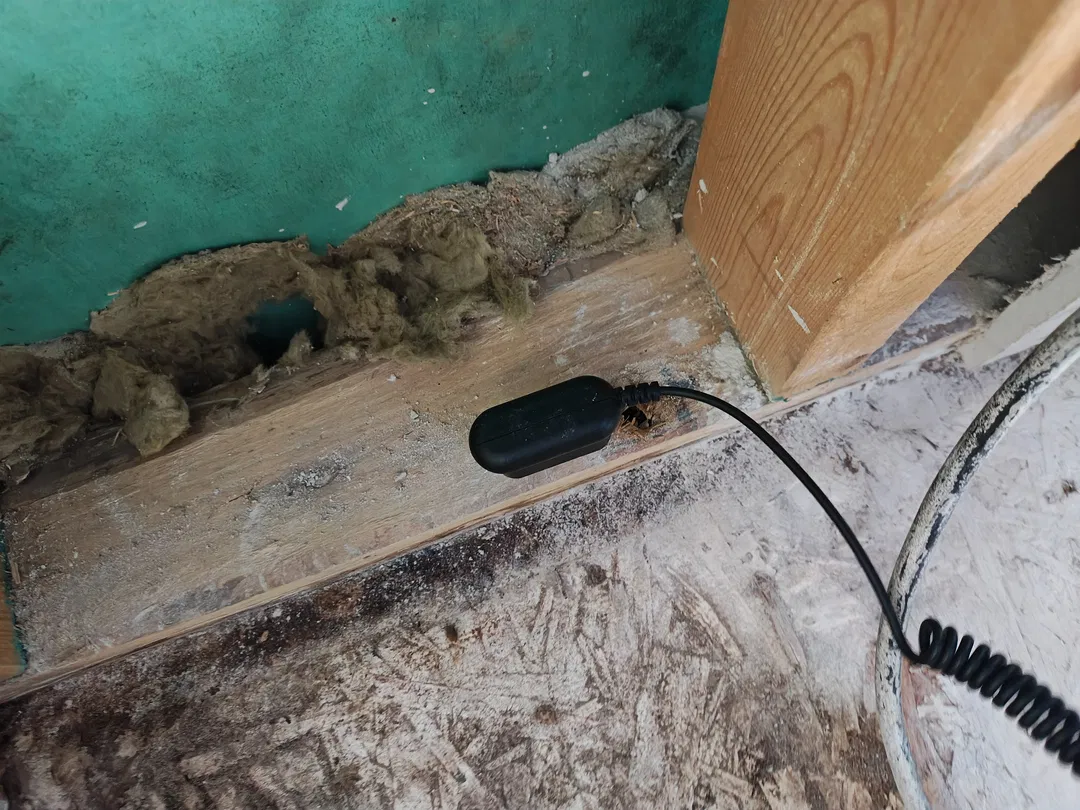
It’s in the walls: If water has seeped under baseboards or into the drywall, it won't dry on its own.
You want peace of mind: Knowing that a pro has certified the space as "dry" can save you thousands in future mold repairs.
Delaware County Expertise
Living in places like Radnor, Springfield, or Wayne means we deal with specific local challenges: from aging clay pipes that love to backup, to those heavy SEPA summer storms that overwhelm our basements. We’re not just a faceless franchise; we’re your neighbors. We know the architecture of Delco homes and we know how to dry them out fast.
Summary Checklist for Emergency Flood Cleanup:
Safety First: Shut off power and water source.
Call for Help: Contact a restoration pro for a fast assessment.
Document: Take photos of everything before moving it.
Protect: Move furniture out of the water or put foil/plastic under the legs.
Extract: Get the standing water out as fast as possible.
Dry: Use industrial dehumidifiers to reach deep moisture.
Sanitize: Clean all affected areas to prevent bacterial growth.
Flooding is a nightmare, but it doesn't have to be the end of your beautiful home. By acting fast and focusing on proper drying techniques, you can save your floors and get back to normal life in no time.
If you're currently dealing with a mess, don't wait. The longer water sits, the more damage it does. Whether you need water damage restoration, sewage clean up, or mold remediation, we're here to be your hero.

Stay dry out there, Delaware County! And remember: if the water rises, My Water Damage Hero is just a phone call away.
Comments