Boost Your Home Safety Instantly with These 5 Emergency Flood Cleanup Tips for Delaware County
- info603880
- Mar 13
- 5 min read
There’s nothing quite like that sinking feeling, literally: when you walk into your basement or kitchen and realize you’re standing in an inch of water. Whether it’s a flash flood after a heavy SEPA storm, a rogue pipe that decided to give up the ghost, or a washing machine mishap, flooding is stressful. It’s messy, it’s overwhelming, and let’s be honest, it’s a bit scary.
But here’s the good news: you don’t have to panic. While water moves fast, you can move faster. If you live in Delaware County, you know we get our fair share of unpredictable weather and aging plumbing. Knowing exactly what to do in those first few hours can be the difference between a quick cleanup and a full-blown mold nightmare.
At My Water Damage Hero, we’ve seen it all from Upper Darby to Media. We’re here to help you navigate the chaos with five essential emergency flood cleanup tips that will boost your home safety instantly. Let’s dive in (figuratively, of course).
1. Safety First: Gear Up and Power Down
Before you even think about grabbing a mop, you need to think about your safety. Floodwater isn't just "extra water." It can be "black water" containing bacteria, chemicals, or even sewage. If you are dealing with a backup, you need professional sewage clean up immediately to avoid serious health risks.
Don’t walk through standing water. You have no idea what’s hiding in there: sharp debris, slippery surfaces, or even an electrical current. If the water has reached your electrical outlets or your circuit breaker is in the flooded area, do not enter. Call an electrician or your utility company first.
If it is safe to enter, make sure you are wearing the right gear:
Heavy-duty rubber boots: To keep your feet dry and protected.
Waterproof gloves: To prevent skin contact with contaminants.
N-95 Respirator: Especially if the water has been sitting for a bit, as mold spores can start to travel quickly.
Protecting yourself is the most important step in any emergency flood cleanup. You can’t save your home if you’re injured or sick!
2. Stop the Source Immediately
It sounds obvious, but when panic sets in, sometimes we forget the basics. If the flooding is coming from inside the house: like a burst pipe or a leaking water heater: you need to shut it down.
Do you know where your main water shut-off valve is? If not, stop reading this for a second and go find it. Usually, it's near your water meter or where the main line enters the house. Turning this valve is the fastest way to stop the "bleeding." For more tips on preventing these disasters, check out our 5-minute morning routine that helps prevent water damage.
If the water is coming from Mother Nature (heavy rains or rising creeks in Delco), you can’t exactly turn her off. In those cases, your priority shifts to redirecting the water and starting the extraction process as soon as it’s safe to do so.

]
3. Document Everything for Insurance
Before you start hauling out soaked carpets or scrubbing floors, grab your smartphone. You are about to become a crime scene photographer, and the "crime" is the water damage.
Insurance companies are notoriously picky. They need proof of the extent of the damage to process your claim fairly.
Take photos and videos: Capture the water levels, the source of the leak, and every single item that got wet.
Don't throw anything away yet: Even if that designer rug is ruined, keep it until the adjuster says it’s okay to toss it.
List damaged items: Create a detailed inventory of electronics, furniture, and personal belongings.
Contact your insurance provider immediately. Most policies require "timely notification." While you wait for them, documenting everything ensures you have the evidence needed for a smooth water damage restoration process.
4. Extract the Standing Water Fast
Now comes the hard labor. The longer water sits, the deeper it seeps into your subfloors, drywall, and baseboards. Standing water is the primary fuel for structural damage and mold growth.
If the flooding is minor, you might be able to use a wet/dry vac. However, for most basement floods in Delaware County, household tools just won't cut it. You need professional-grade extraction equipment.

This is where calling in the pros saves you money in the long run. We use industrial pumps and high-powered vacuums that can move hundreds of gallons of water in minutes. Quick extraction prevents the water from "wicking" up your walls, which can save you from having to replace all your drywall later. If you're wondering about the costs or risks, reading about why DIY repairs can lead to bigger problems might help clarify the situation.
5. Dry, Dehumidify, and Monitor
Once the standing water is gone, your home might look dry, but don't be fooled. Moisture hides in the "bones" of your house: inside wall cavities, under hardwood floors, and deep within concrete slabs. This "hidden moisture" is the number one cause of mold remediation calls a few weeks later.
To properly dry your home:
Air Movers: Use high-velocity fans to circulate air across wet surfaces.
Dehumidifiers: You need industrial-strength dehumidifiers to pull moisture out of the air. Your little basement unit from the big-box store isn't going to stand a chance against a major flood.
Moisture Mapping: Professionals use specialized tools like moisture meters and thermal imaging to find wet spots you can't see with the naked eye.
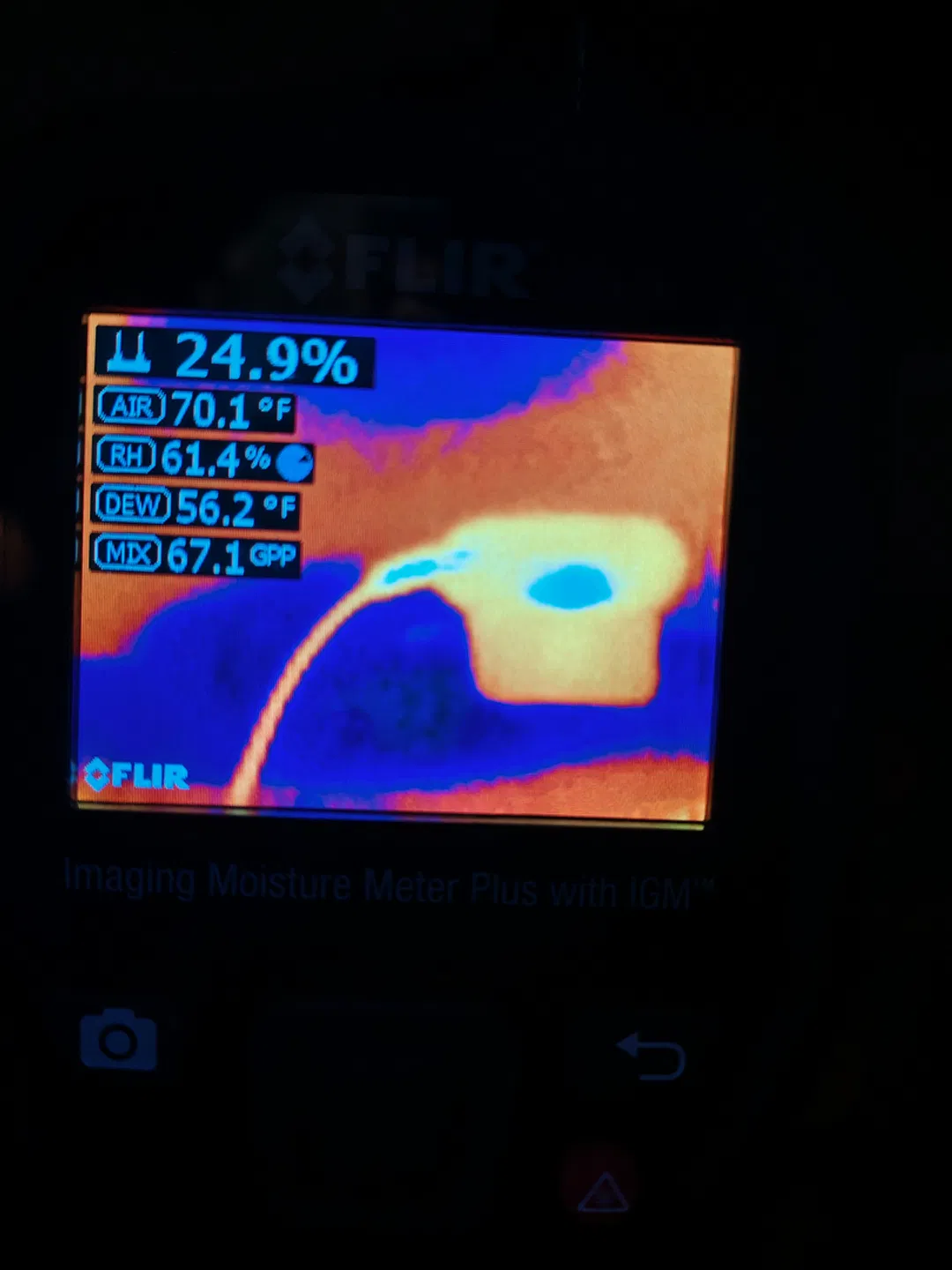
By monitoring the drying process with technology like moisture mapping, we ensure that your home is truly dry, not just "surface dry." This is the only way to prevent that musty Delco basement smell from becoming a permanent resident in your home.
Why Speed Matters in Delaware County
In Southeast Pennsylvania, the humidity can be brutal. When you combine that humidity with standing water, you're basically creating a spa for mold. Mold can begin to grow in as little as 24 to 48 hours. That's why we emphasize a 3-hour response time. The faster we get the water out and the air moving, the less likely you are to face expensive structural repairs.
Local Expertise You Can Count On
At My Water Damage Hero, we aren't just a faceless corporation. We’re your neighbors. We know the specific challenges of homes in Chester, Montgomery, and Delaware counties. We know how the local water tables affect our basements and how our specific climate impacts the restoration process.
Whether you're dealing with a sewage backup or an overflowing appliance, we bring the right tools and the right attitude to get your life back to normal. We even help with the insurance "headache," making sure they have all the documentation they need to get your claim processed fairly.
Ready to Restore Your Peace of Mind?
Flooding is a major disruption, but it doesn't have to be a permanent disaster. By following these five tips: staying safe, stopping the source, documenting the damage, extracting the water, and drying thoroughly: you’re already ahead of the game.
If the job feels too big to handle alone, don’t hesitate to reach out. We offer 24/7 emergency flood cleanup services across Delaware County and the surrounding SEPA area. We’ll bring the heavy equipment, the expertise, and a friendly smile to help you through the mess.

Stay safe, Delco! And remember, if you need a hero to help with the water, we're just a phone call away. For more tips on keeping your home safe, feel free to explore our blog for daily advice on everything from mold prevention to fire damage restoration.
Comments