Are You Making These Common DIY Flood Recovery Mistakes? The Truth About Emergency Flood Cleanup in Bucks County
- info603880
- Mar 29
- 5 min read
If you’ve ever walked downstairs to find your basement looking more like a swimming pool than a storage space, you know that instant "stomach-drop" feeling. Whether it’s a burst pipe in Doylestown or heavy rains flooding your yard in Langhorne, a water emergency is overwhelming. Your first instinct is probably to grab every towel in the house and start mopping.
We get it. You want to save your home, your memories, and your sanity. But here’s the thing: in the rush to fix things, many well-meaning homeowners in Bucks County actually end up making the damage worse.
At My Water Damage Hero, we’ve seen it all. From the "it's probably dry enough" mistake to the "bleach fixes everything" myth, DIY errors can turn a small cleanup into a massive, expensive restoration project.
Let’s dive into the most common DIY flood recovery mistakes and, more importantly, how you can avoid them to protect your home.
1. The "Wait and See" Approach
The biggest mistake you can make is waiting. You might think, "I'll let it air out overnight and see how it looks in the morning."
In the world of water damage restoration, time is your biggest enemy. Mold can start growing in as little as 24 to 48 hours. If that water sits in your carpets or behind your baseboards for even a day, you aren't just dealing with water anymore: you're dealing with a potential health hazard.
Insurance companies also look at the timeline. Most policies require you to take "reasonable action" to prevent further damage. If you wait three days to call for help, they might argue that the mold growth was preventable, which could lead to a denied claim. If you're wondering what to do in those first critical moments, check out our quick start guide to emergency flood cleanup.
2. Underestimating the Power of a Shop-Vac
Don't get us wrong: a high-quality wet/dry vac is a great tool for a spilled gallon of milk or a minor window leak. But when you’re facing a flooded basement, it’s like bringing a squirt gun to a forest fire.
Professional emergency flood cleanup requires industrial-grade extraction. Home-grade vacuums simply don't have the "lift" or the CFM (cubic feet per minute) to pull water out of carpet padding or deep from within floor joists. You might get the standing water off the surface, but the subfloor remains soaked.
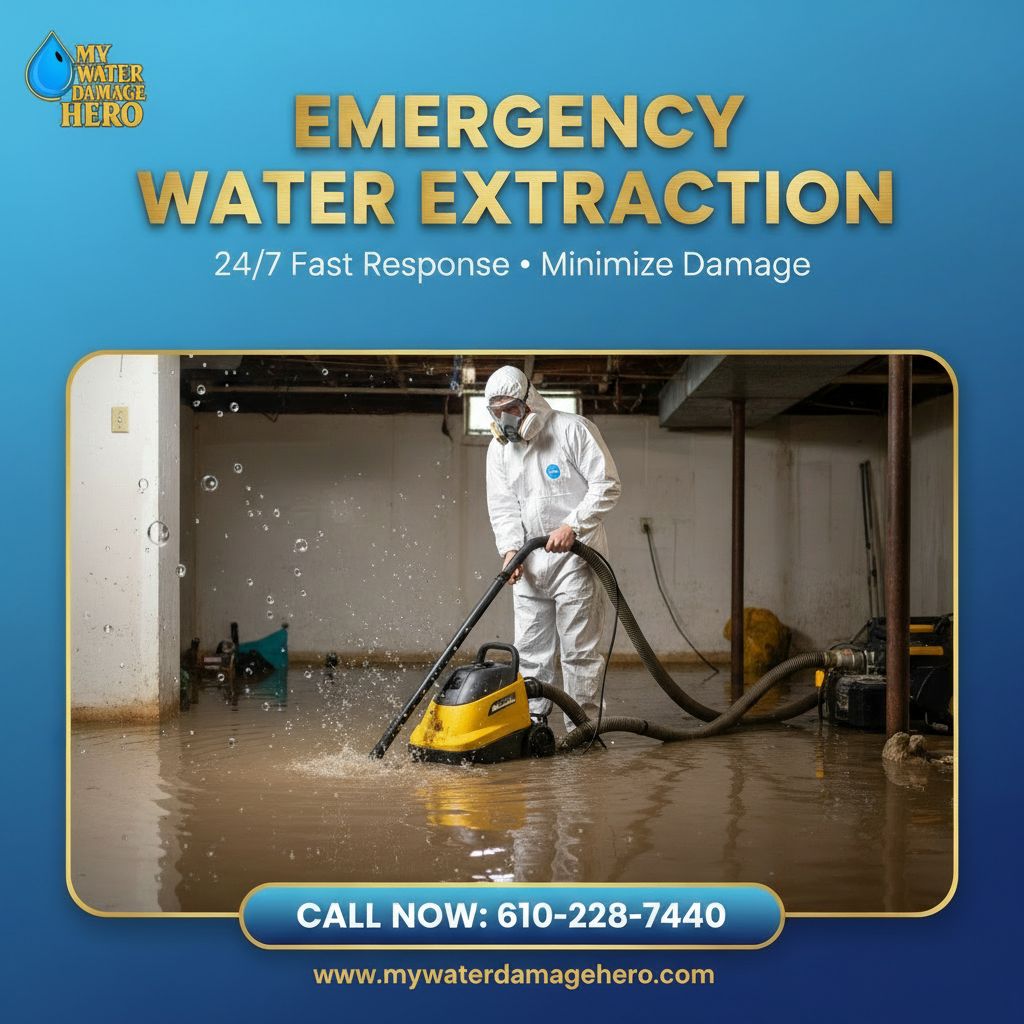
When we come in, we use heavy-duty extractors that pull gallons of water out in minutes, followed by industrial air movers and LGR (Low Grain Refrigerant) dehumidifiers. These aren't your average "Target-aisle" fans. They are designed to pull moisture out of the air and the structure itself.
3. Ignoring the "Hidden" Water (The Wicking Effect)
This is where DIYers often get caught. You’ve dried the floor, and it feels dry to the touch. You’re good, right?
Not necessarily. Water is sneaky. Thanks to something called "capillary action," water can wick up into your drywall, insulation, and wooden studs. Just because the surface of your wall feels dry doesn't mean the insulation behind it isn't a soggy, moldy mess.
In many Bucks County homes: especially our beautiful historic properties: older building materials can hold moisture for weeks. If you don't address this hidden moisture, you’ll eventually notice a musty smell, peeling paint, or even sagging ceilings.
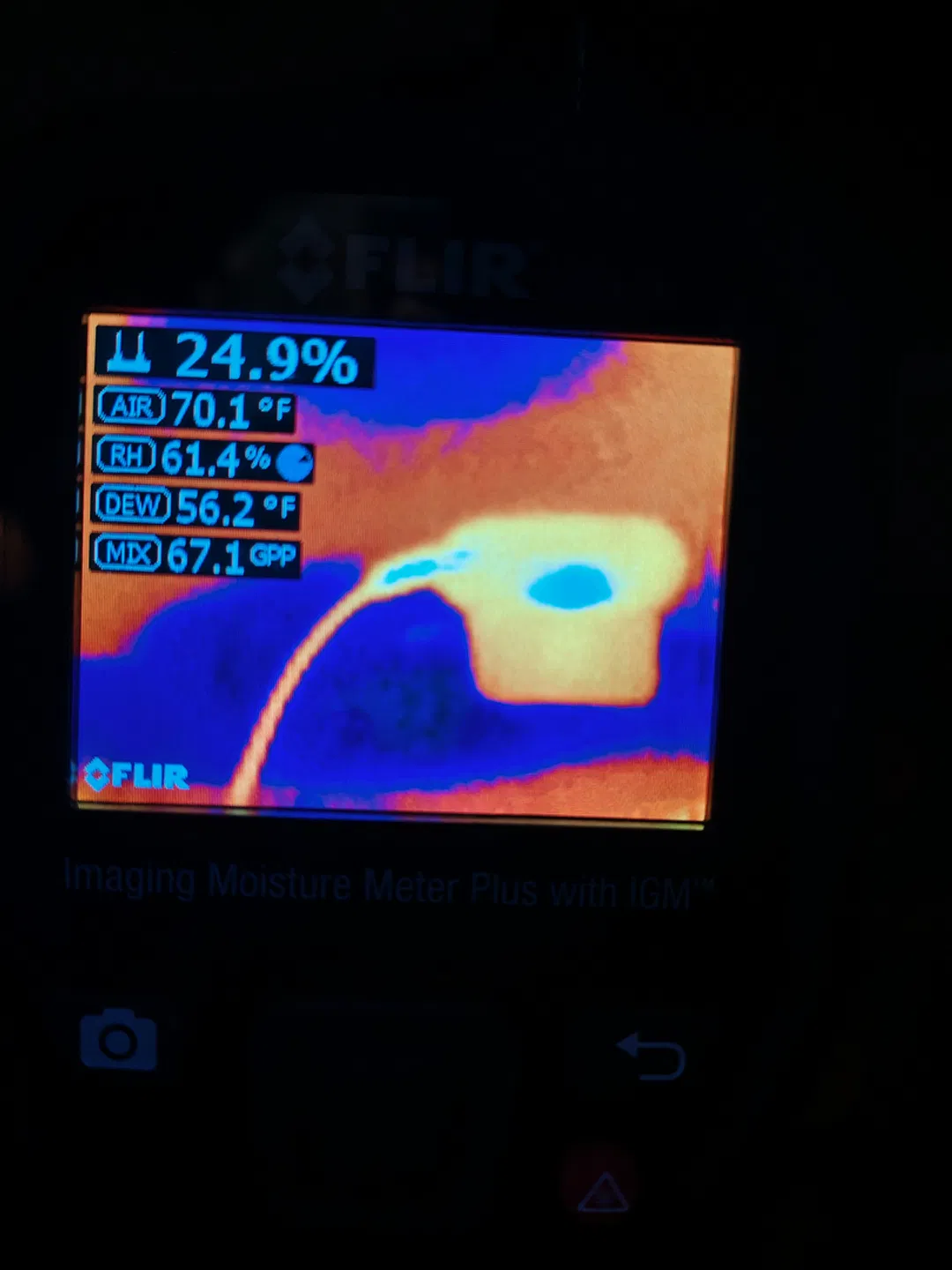
We use FLIR thermal imaging and specialized moisture meters to "see" through walls. This ensures we don't leave a single drop behind. If you want to see how we track down these hidden leaks before they become nightmares, take a look at how to create a 5-minute leak check routine.
4. The "Bleach Fixes Everything" Myth
If you see a spot of mold after a flood, your first thought might be to grab the bleach. Stop right there!
Bleach is great for non-porous surfaces like your kitchen counter or a bathtub. However, it is mostly water. When you put bleach on porous materials like drywall or wood, the chlorine stays on the surface, but the water part of the bleach soaks in: actually feeding the mold roots deep inside the material.
To truly handle mold remediation, you need professional-grade antimicrobial treatments that neutralize the spores without adding more moisture to the problem. If you're dealing with a fuzzy situation, you might want to read more about why professional mold testing is better than DIY kits.
5. Forgetting to Shut Off the Main Water Valve
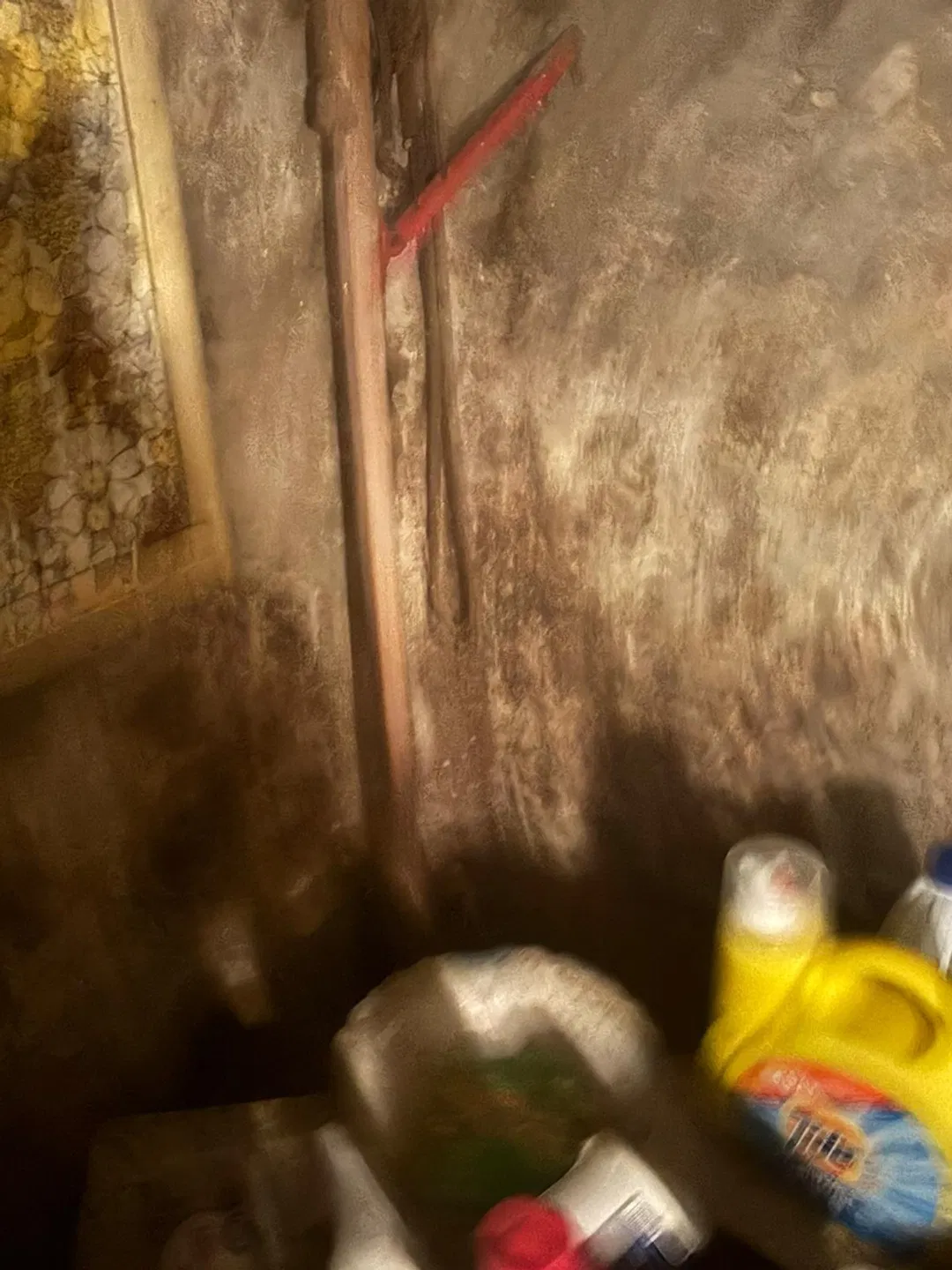
In the panic of a burst pipe, many homeowners forget the most basic step: stopping the flow. We’ve seen people frantically mopping while the water is still spraying behind the washing machine!
Locate your main water shut-off valve now: before an emergency happens. In Bucks County, these are usually in the basement, near the water meter, or in a crawlspace. Once the water is off, open your faucets to drain the remaining pressure from the lines. This simple step can save you thousands of dollars in restoration costs.
6. Throwing Away "Evidence" Too Soon
It’s tempting to drag all those soaked rugs and boxes of damaged holiday decorations straight to the curb. But for insurance purposes, that "trash" is evidence.
FEMA estimates that just one inch of water can cause up to $25,000 in damage. To get your claim approved, you need documentation.
Take Photos and Videos: Record everything before you touch it.
Keep Samples: If you have to cut out a piece of ruined high-end carpet, keep a square of it to show the adjuster the quality.
Log Serial Numbers: Write down the info for any appliances or electronics that got wet.
If you aren't sure what your insurance covers, you're not alone. Many homeowners are surprised by what is (and isn't) included. For more tips on navigating this, check out our guide on 10 things you should know to save your basement.
7. Safety Blind Spots: Electricity and Sewage
Water and electricity are a deadly combo. If your basement is flooded and the water has reached the level of your outlets or your circuit breaker, do not walk into that water. You could be electrocuted.
Then there’s the "gross" factor. If the flood is caused by a sewer backup, you are dealing with "Category 3" water: also known as black water. This contains bacteria, viruses, and pathogens that can make your family seriously ill. Sewage clean up is not a DIY job. You need specialized PPE (Personal Protective Equipment) and hospital-grade disinfectants to make the space safe again. You can learn more about the hidden risks of sewage here.
Why Bucks County Residents Trust the Heroes
At My Water Damage Hero, we don't just "suck up water." We restore your peace of mind. We live and work right here in the SEPA area, serving neighbors from Bensalem to Quakertown. We know the local architecture, the common basement issues, and exactly how to handle our crazy Pennsylvania weather.
Whether you need water damage restoration, mold remediation, or help after a fire, we are here 24/7. Don't risk your home's structural integrity or your family's health on a DIY "best guess."
Quick Recap: What to do right now
Safety first: If water is near electricity, call an expert immediately.
Stop the flow: Shut off the main water valve.
Document: Take photos of everything: even the "ugly" stuff.
Call the pros: Get industrial drying equipment in place within the first 24 hours.
Dealing with a flood is stressful, but you don't have to do it alone. We’ve helped over 3,100 of your neighbors get back on their feet, and we’re ready to help you too. Check out our 10-year hero journey to see why we're the top choice for restoration in the region.
Stay dry, Bucks County! And remember, if the water rises, a hero is just a phone call away.
Comments