The Fastest Way to Protect Your Home After a Pipe Burst This Winter
- info603880
- Jan 30
- 5 min read
There's nothing quite like the sound of rushing water where it shouldn't be. If you've just discovered a burst pipe in your home, your heart is probably racing right now. Take a deep breath. Panic is natural, but you've got this.
A burst pipe during a frigid winter night is one of the most stressful emergencies a homeowner can face. The good news? The actions you take in the next few minutes can make the difference between a minor inconvenience and thousands of dollars in water damage restoration costs.
Whether you're in Montgomery County dealing with frozen pipes or a Chester County homeowner who just heard that dreaded "whoosh," this guide will walk you through exactly what to do, step by step, in plain English.
Let's get your home protected. Fast.
Step 1: Shut Off Your Main Water Supply Immediately
This is the single most important thing you can do. Every second that water keeps flowing, the damage spreads further into your floors, walls, and belongings.
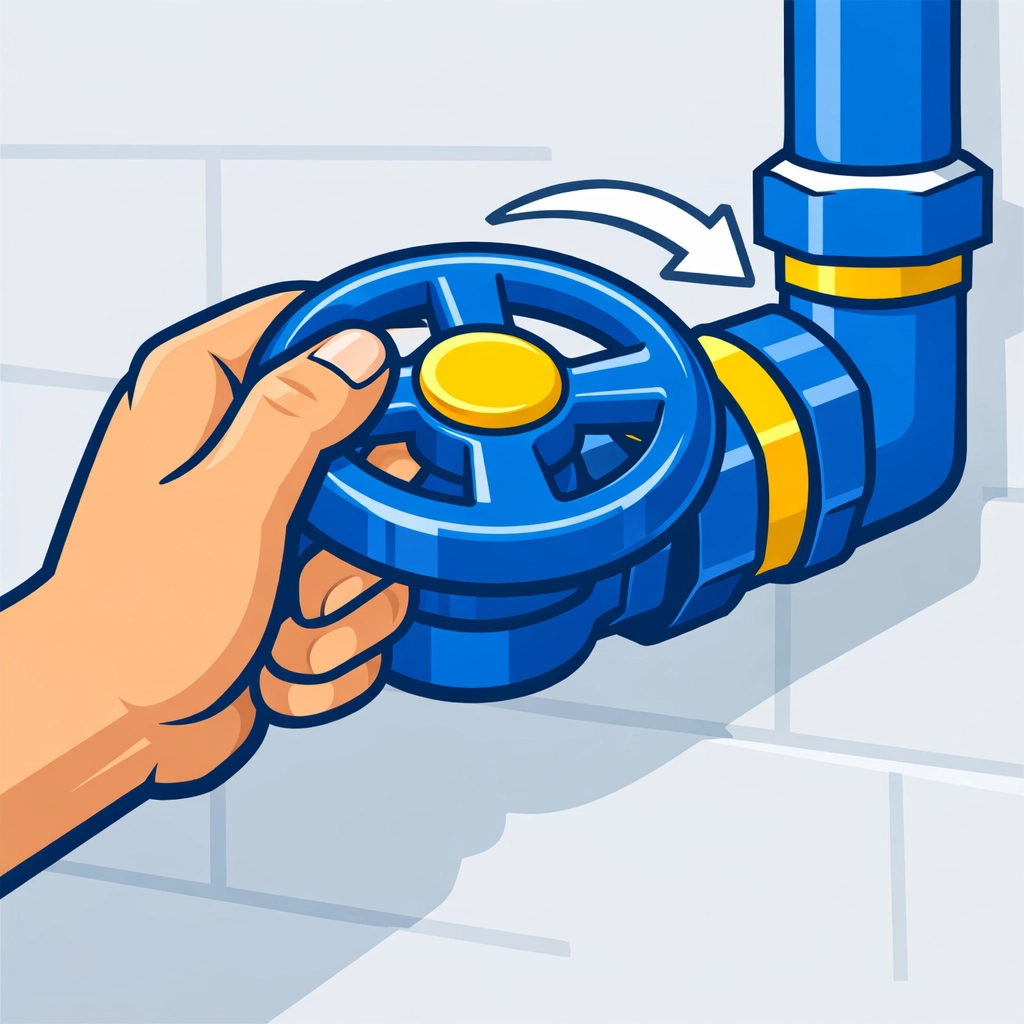
Find your main water shut-off valve and turn it off right now.
Your main shut-off valve is typically located in one of these places:
Basement: Near the front foundation wall, close to the water meter
Crawl space: Along an interior wall
Utility closet: Common in townhomes and condos
Outside: Near the street in a covered box (usually requires a special key)
Turn the valve clockwise to stop the water flow. If it's a lever-style handle, turn it perpendicular to the pipe.
Can't find it? Don't waste precious minutes searching. Call a plumber or your water company immediately, they can shut it off at the street.
Step 2: Drain the Remaining Water from Your Pipes
Shutting off the main valve stops new water from entering, but there's still water sitting in your pipes. You need to get it out before it causes more damage or refreezes.
Here's how:
Open all faucets in your home, both hot and cold
Flush every toilet once or twice
Open outdoor spigots if accessible
Turn off your water heater to prevent damage to the unit
This drains the remaining water and relieves pressure in your plumbing system. It also helps you identify exactly where the burst occurred, watch for where water stops flowing or drips continue.
Step 3: Stop the Spread of Water Damage
Now that the water source is controlled, it's time for damage control. Water moves fast. It seeps into floorboards, soaks into drywall, and wicks up into insulation before you even realize it.
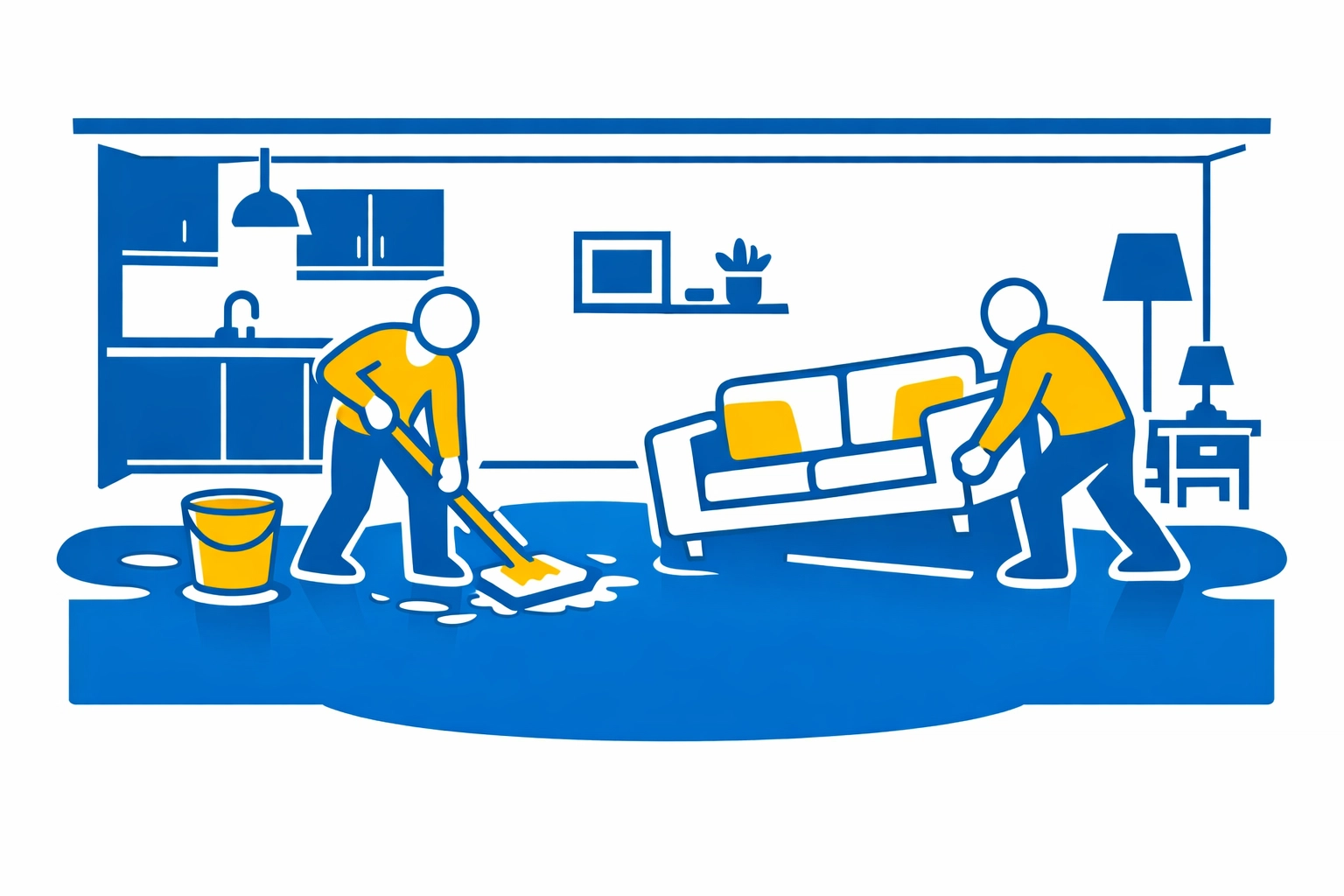
Grab towels, mops, and buckets. Remove as much standing water as you can. If you have a wet/dry vacuum, now's the time to use it.
Here are your immediate priorities:
Move furniture and valuables away from wet areas
Lift curtains and drapes off wet floors
Remove area rugs before they become waterlogged
Open cabinet doors under sinks to check for hidden water
If water is dripping from a ceiling, poke a small hole in the center of the bulge. Yes, really. This controlled release prevents the ceiling from collapsing unexpectedly and directs water to a spot where you can catch it with a bucket.
Step 4: Document Everything for Insurance
Before you clean up too much, grab your phone and start snapping photos. Your insurance company will need documentation of the damage, and trust us: you'll want evidence of what things looked like before any repairs began.
Take photos and videos of:
The burst pipe itself (if visible)
Water-damaged walls, floors, and ceilings
Damaged furniture and personal belongings
Water levels and spread patterns
Any visible mold or discoloration
Write down the date and time of discovery, what you heard or saw, and every action you've taken. This timeline can be incredibly helpful when filing your claim.
Need help navigating the insurance process? Check out our guide on mistakes homeowners make with water damage claims.
Step 5: Start the Drying Process Immediately
Here's the thing about water damage: what you can't see is often worse than what you can. Moisture trapped behind walls and under floors creates the perfect breeding ground for mold. And mold can start growing in as little as 24 to 48 hours.
Get air moving right away:
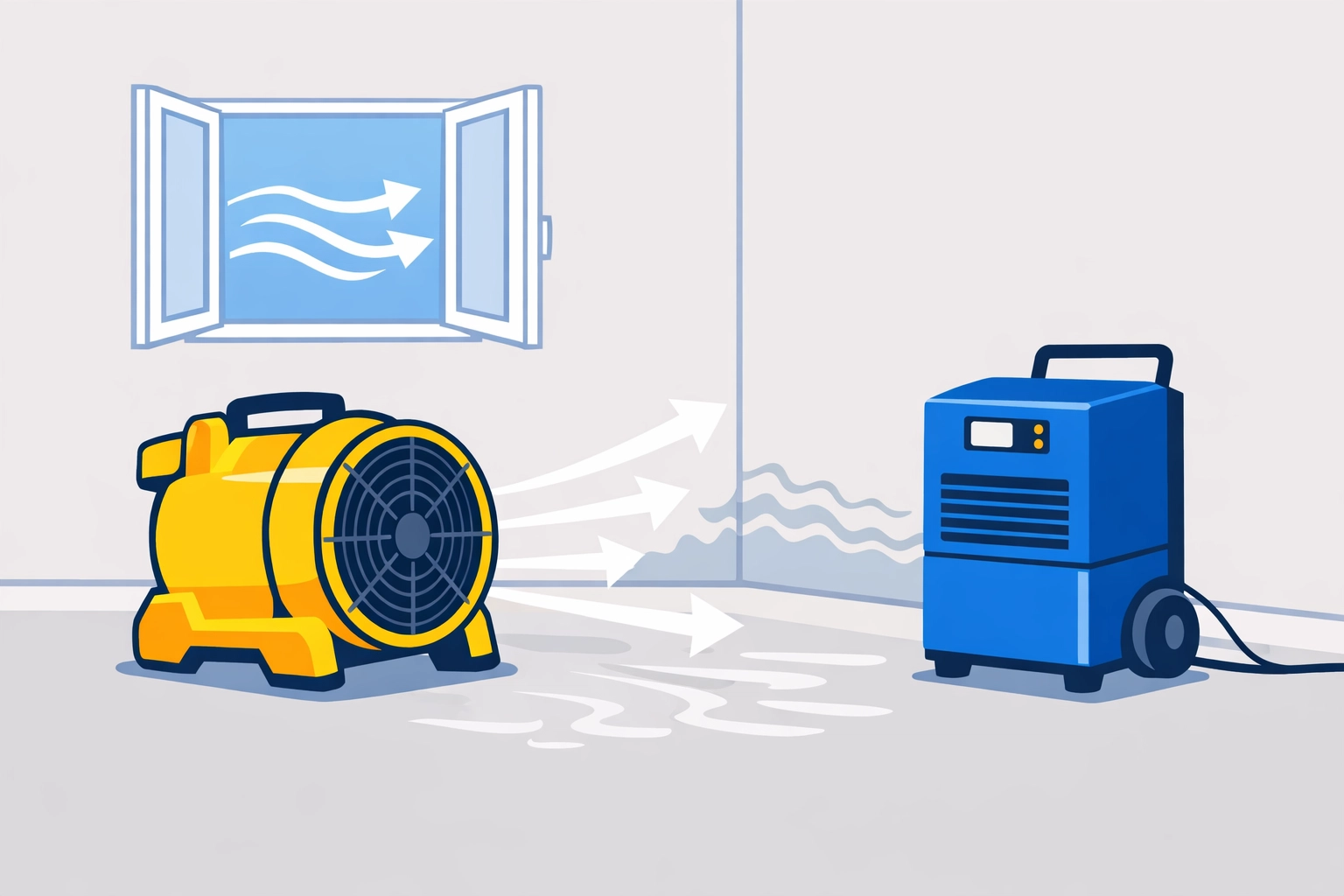
Open windows if the outdoor temperature allows
Turn on fans and point them at wet areas
Run your HVAC system to circulate air
Use dehumidifiers if you have them
Remove wet materials that can't be saved quickly: soaked cardboard boxes, saturated carpet padding, and waterlogged insulation often need to go. These materials hold moisture like sponges and become mold magnets.
For more on why certain materials are problematic, take a look at our post about cardboard boxes and hidden home hazards.
Step 6: Call a Professional Water Damage Restoration Team
You've done the emergency response. You've stopped the bleeding, so to speak. But here's the honest truth: DIY efforts can only go so far.
Professional water damage restoration teams have equipment you simply don't have access to:
Industrial-grade dehumidifiers that pull moisture from the air
Commercial air movers designed to dry structures quickly
Moisture meters and thermal imaging to find hidden water pockets
Antimicrobial treatments to prevent mold growth
A burst pipe can release hundreds of gallons of water in just a few hours. That water doesn't just sit on the surface: it penetrates deep into building materials. Without proper extraction and drying, you risk structural damage, warped floors, and serious mold problems down the road.
The counties we serve: Montgomery, Berks, Bucks, Delaware, and Chester: see their fair share of brutal winter weather. Frozen pipes are practically a rite of passage around here. That's why having a local restoration team on speed dial makes all the difference.
Wondering if you really need professional help? Our article on why DIY water damage repairs can backfire breaks it down.
Preventing Future Pipe Bursts
Once you've recovered from this emergency, let's make sure it doesn't happen again. Prevention is always easier (and cheaper) than restoration.
Winter-proof your plumbing:
Insulate exposed pipes in basements, attics, and crawl spaces
Keep your thermostat above 55°F even when you're away
Let faucets drip during extreme cold snaps: moving water is harder to freeze
Open cabinet doors under sinks on exterior walls to let warm air circulate
Disconnect outdoor hoses and shut off exterior faucet supplies
If you're leaving town during winter, consider having someone check on your home. A burst pipe in an empty house can cause catastrophic damage before anyone notices.
Your Quick-Reference Checklist
When a pipe bursts, you won't have time to read a long article. Here's the fast version:
Shut off the main water valve (clockwise to close)
Open all faucets to drain remaining water
Turn off the water heater
Remove standing water with towels, mops, or a wet vac
Move belongings away from wet areas
Document damage with photos and video
Start drying with fans and dehumidifiers
Call a professional restoration team
We're Your Neighbors, Not a Franchise
At My Water Damage Hero, we know how scary a burst pipe can be. We've helped families throughout Montgomery, Berks, Bucks, Delaware, and Chester counties recover from water emergencies: often in the middle of the night, on the coldest days of the year.
When you call us, you're not getting a distant call center. You're getting your neighbors. People who know these communities, understand the unique challenges of older homes in our area, and genuinely care about getting your life back to normal.
Water, mold, or fire emergency? Call 610-228-7440. We're here when you need us most.
Stay warm, stay safe, and remember: you've got this. And if you need backup, we're just a phone call away.
Comments