7 Mistakes You're Making with Your Water Damage Insurance Claim (and How to Fix Them)
- info603880
- Jan 28
- 6 min read
Updated: Jan 28
So your basement just flooded. Or maybe a pipe burst in the middle of the night. Now you're standing in a puddle, wondering how you're going to navigate the insurance claim process on top of everything else.
Here's the thing, dealing with water damage is already stressful enough for homeowners here in Montgomery, Berks, Bucks, Delaware, and Chester counties. But making mistakes on your insurance claim? That can turn a bad situation into a financial nightmare.
Don't worry. We've seen it all, and we're here to help you avoid the most common pitfalls. Let's walk through the seven mistakes that could cost you big, and exactly how to fix them.
Mistake #1: Waiting Too Long to File Your Claim
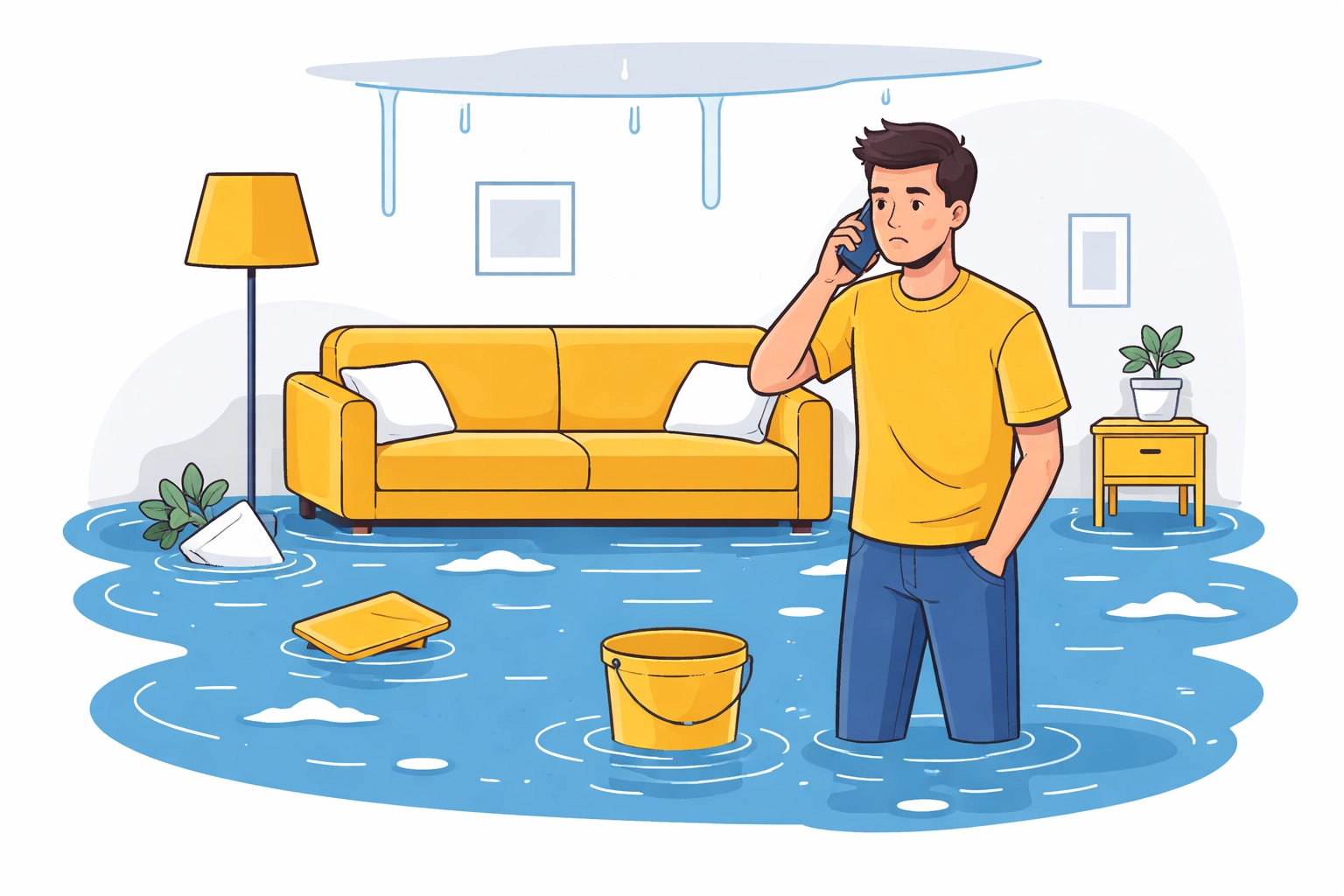
We get it. When water damage hits your home, your first instinct is to clean up the mess. You want to get back to normal as fast as possible. But here's where many homeowners go wrong, they wait days (or even weeks) before calling their insurance company.
Why this hurts you: Most insurance policies have strict deadlines for reporting damage. Wait too long, and your insurer might question whether the damage is as bad as you say. Even worse, they could deny your claim entirely.
Water damage also spreads quickly. What starts as a wet carpet can turn into warped floors and mold growth within 24 to 48 hours. The longer you wait, the harder it becomes to prove the original extent of the damage.
The fix: Pick up the phone and call your insurance company the moment you discover water damage. Even if you're still in the middle of dealing with the chaos, get that claim started. Document the date and time you called, and write down the name of the representative you spoke with.
Mistake #2: Failing to Document the Damage Thoroughly
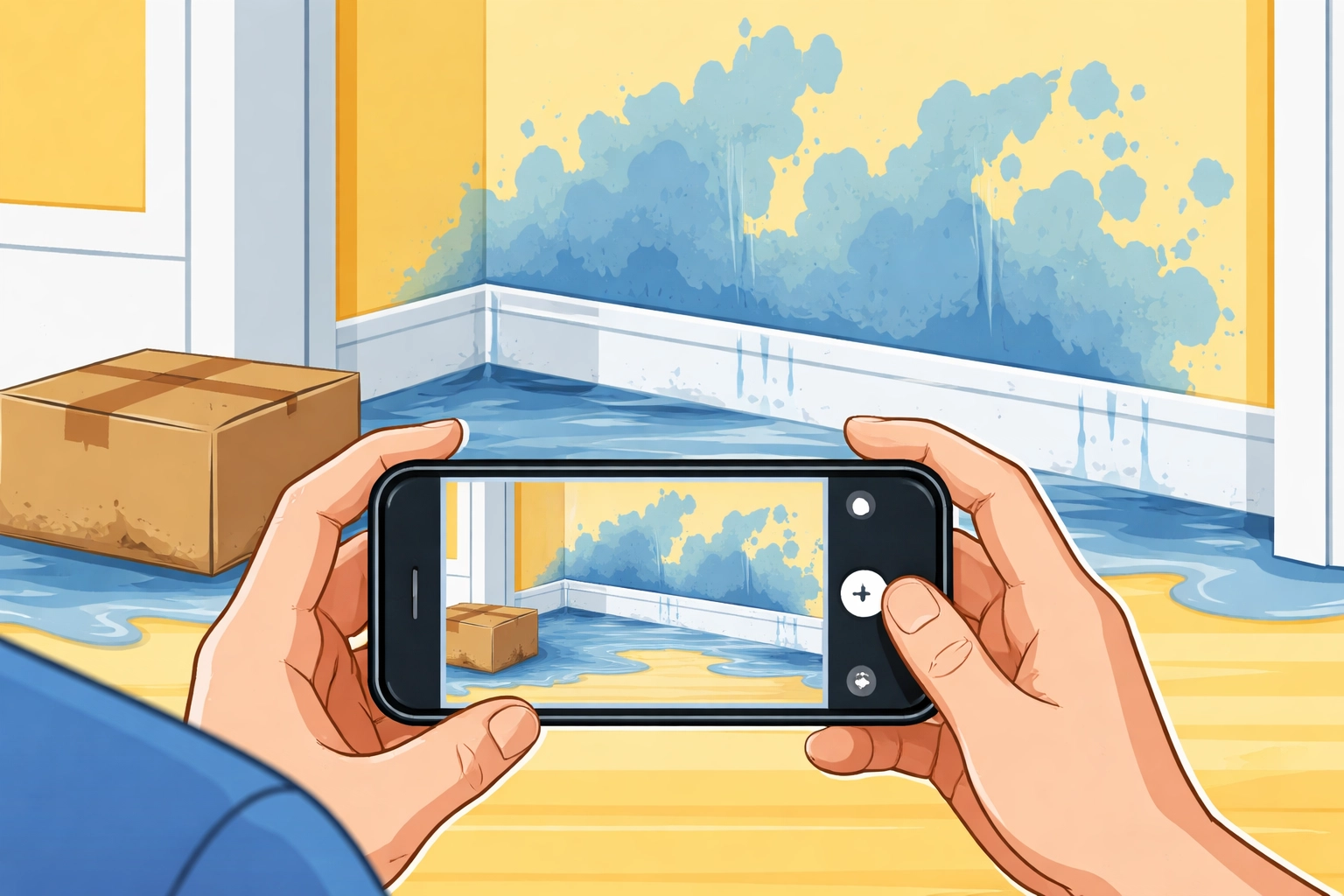
Picture this: You come home to a flooded kitchen from a burst pipe. Your instinct is to grab towels, a mop, and start cleaning immediately. Totally understandable! But if you don't document everything first, you're setting yourself up for a reduced payout.
Why this hurts you: Without detailed photos and videos, insurance adjusters have no way to see how bad things really were. They might question the extent of your loss and offer you far less than you deserve.
The fix: Before you touch anything, grab your phone and start documenting. Take photos and videos from multiple angles showing:
Affected areas – walls, floors, ceilings, baseboards
Damaged belongings – furniture, electronics, personal items
The water source – if you can identify where the water came from
Water levels – show how high the water reached
Date your photos (most phones do this automatically) and keep every receipt for emergency cleanup work. This creates a paper trail that supports your claim.
Mistake #3: Not Taking Steps to Prevent Further Damage
Here's something that surprises a lot of folks: your insurance policy actually expects you to take reasonable steps to stop the damage from getting worse. If you just let water sit there while you wait for the adjuster, your insurer might reduce your payout.
Why this hurts you: Insurance companies call this "failure to mitigate." If they think you didn't do your part to minimize the damage, they can deny portions of your claim or reduce your compensation.
The fix: Take immediate action to protect your home:
Shut off the water supply if you haven't already
Remove standing water using towels, a wet/dry vacuum, or buckets
Start drying efforts with fans and dehumidifiers
Move valuables out of harm's way
Prevent mold growth by increasing air circulation
Keep all receipts for any supplies or equipment you purchase. These emergency expenses are typically reimbursable as part of your claim.
Need help fast? A professional water damage restoration team can handle mitigation properly while preserving evidence for your claim.
Mistake #4: Overlooking Hidden Damage
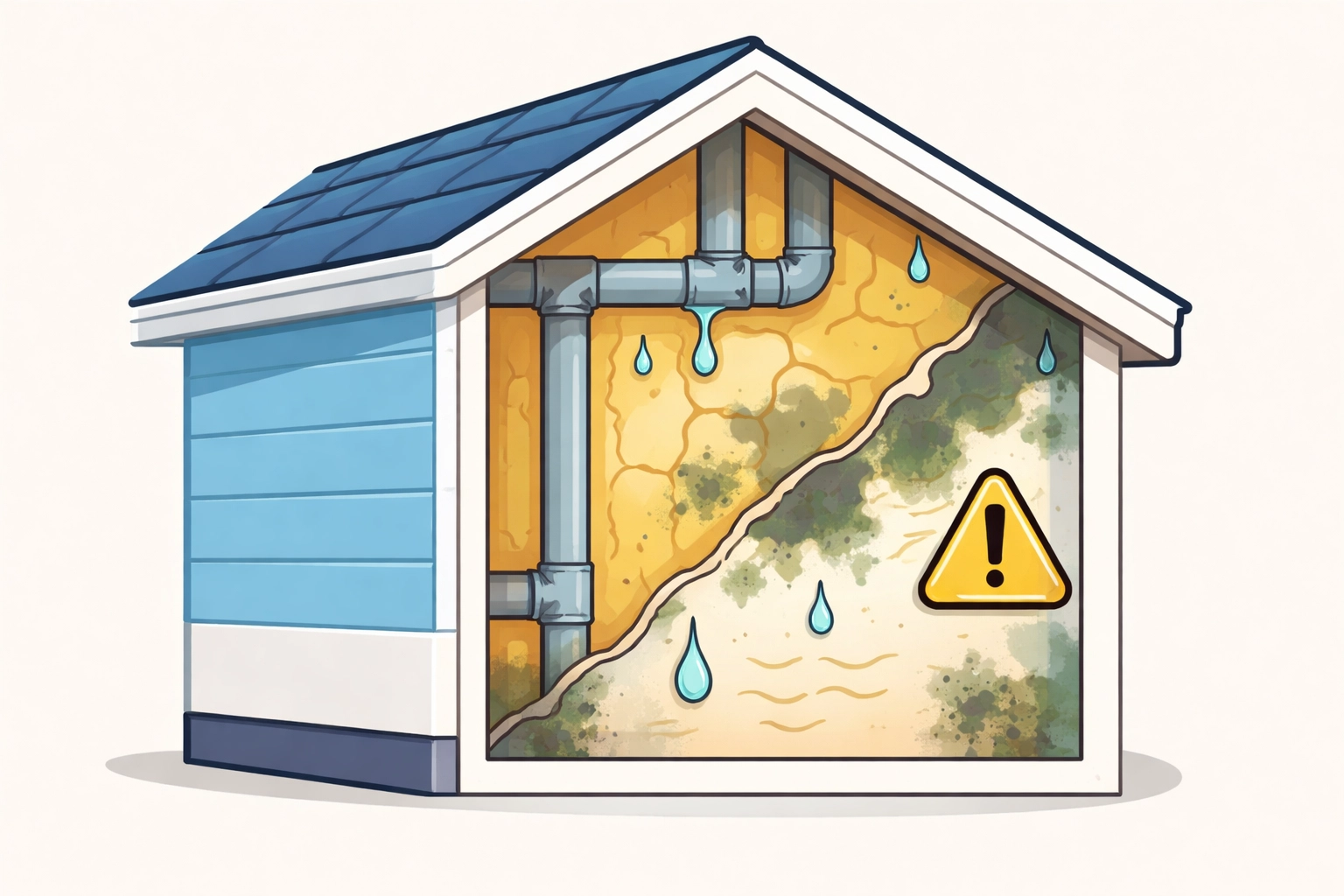
Water is sneaky. Just because your floors look dry on the surface doesn't mean there isn't moisture lurking behind your walls, under your flooring, or in your ceiling. Many homeowners file claims based only on what they can see, and end up dealing with mold or structural problems months later.
Why this hurts you: Hidden moisture leads to mold growth, wood rot, and structural damage that can cost thousands to repair. If you've already settled your claim, you're stuck paying out of pocket.
The fix: Request a professional inspection before finalizing your claim. Restoration experts use specialized equipment, like moisture meters and infrared cameras, to detect water hiding in places you can't see.
Here in Chester, Delaware, Montgomery, Berks, and Bucks counties, our older homes are especially prone to hidden water damage. Those beautiful historic houses often have materials that absorb and trap moisture. A thorough inspection ensures your claim reflects the full extent of the damage.
Mistake #5: Not Understanding Your Insurance Policy
This one's huge. Many homeowners assume their policy covers all types of water damage, only to discover the hard way that it doesn't.
Why this hurts you: Not all water damage is created equal in the eyes of your insurer:
Sudden damage (like a burst pipe) is usually covered
Gradual damage (like a slow leak you ignored) often isn't
Groundwater and flooding typically require separate flood insurance
Sewage backups may need additional coverage
If you don't know what's in your policy, you might file a claim for something that's excluded, or miss out on coverage you actually have.
The fix: Don't wait for disaster to strike. Pull out your policy and read through it now. Look for:
What types of water damage are covered
Exclusions and limitations
Your deductible amount
Coverage limits
Confused by the insurance jargon? Call your agent and ask them to explain specific scenarios. It's better to know before you need to file.
Mistake #6: Accepting the First Settlement Offer Without Question
When that first settlement offer arrives, it's tempting to just take it and move on. You're exhausted, you want this whole ordeal to be over, and the number looks... okay?
Why this hurts you: Here's a little secret: that first offer is often a lowball. Insurance companies are businesses, and their adjusters are trained to minimize payouts. The initial settlement may not fully cover the cost of proper repairs.
The fix: Don't accept the first offer without doing your homework. Get detailed repair estimates from licensed contractors. Compare those numbers to what your insurer is offering.
If there's a gap, negotiate. Provide your documentation, professional estimates, and any additional evidence to justify a higher payout. You have the right to push back.
Working with a restoration company can help here too. We provide detailed damage reports that support your case and give you leverage in negotiations.
Mistake #7: Making Permanent Repairs Before the Adjuster Arrives
You've documented everything, filed your claim, and now you're ready to rip out that damaged drywall and start fresh. Hold on just a minute.
Why this hurts you: If you make permanent repairs before the insurance adjuster inspects your home, they can't verify the extent of the damage. This makes it incredibly difficult to prove your loss: and could result in a denied or reduced claim.
The fix: Wait for the adjuster to complete their inspection before making any permanent repairs. Focus only on temporary fixes that prevent further damage:
Tarping a damaged roof
Boarding up broken windows
Running dehumidifiers to prevent mold
Keep every receipt for these temporary measures. They're part of your claim.
The Bottom Line
Filing a water damage insurance claim doesn't have to be a nightmare. By avoiding these seven mistakes, you put yourself in the best position to get the compensation you deserve.
Here's a quick recap:
File immediately – don't delay
Document everything – photos, videos, receipts
Mitigate further damage – your policy requires it
Check for hidden damage – water hides in sneaky places
Know your policy – understand what's covered
Negotiate your settlement – don't accept lowball offers
Wait for the adjuster – no permanent repairs until after inspection
As a family-owned restoration company serving Montgomery, Berks, Bucks, Delaware, and Chester counties, we've helped countless neighbors navigate this exact process. We know how overwhelming it can feel: and we're just a call away if you need guidance or professional restoration services.
You've got this. And if you need backup, we're here to help.
Comments