The SEPA Homeowner's Daily Checklist: How to Spot Mold Before It Becomes a Mold Remediation Emergency
- info603880
- 2 days ago
- 5 min read
You brush your teeth. You check the mail. You feed the dog. But are you checking for mold?
Here's the thing: mold doesn't announce itself with flashing lights. It creeps in quietly, behind your shower tile, under that bathroom sink, or in the corner of your basement you never really look at. And by the time you see it, you might already be looking at a full-blown mold remediation emergency.
The good news? A few minutes each day can save you thousands of dollars and a whole lot of stress. Whether you're in Montgomery County, Berks County, or anywhere else in Southeastern Pennsylvania, the humid summers and unpredictable weather make our homes perfect breeding grounds for mold. Let's dive into a simple daily checklist that'll help you catch mold before it catches you.
Why SEPA Homeowners Need to Be Mold-Vigilant
Living in our corner of Pennsylvania means dealing with humidity that spikes in summer and basements that love to collect moisture. Throw in aging homes with older plumbing, and you've got a recipe for mold growth.
Mold needs three things to thrive: moisture, organic material (like wood or drywall), and warmth. Your home? It's basically a mold spa. But you can disrupt that cycle with consistent, quick checks. Think of it as preventive maintenance, like changing your oil before your engine seizes.
Your 5-Minute Daily Mold Check
1. Start in the Bathroom
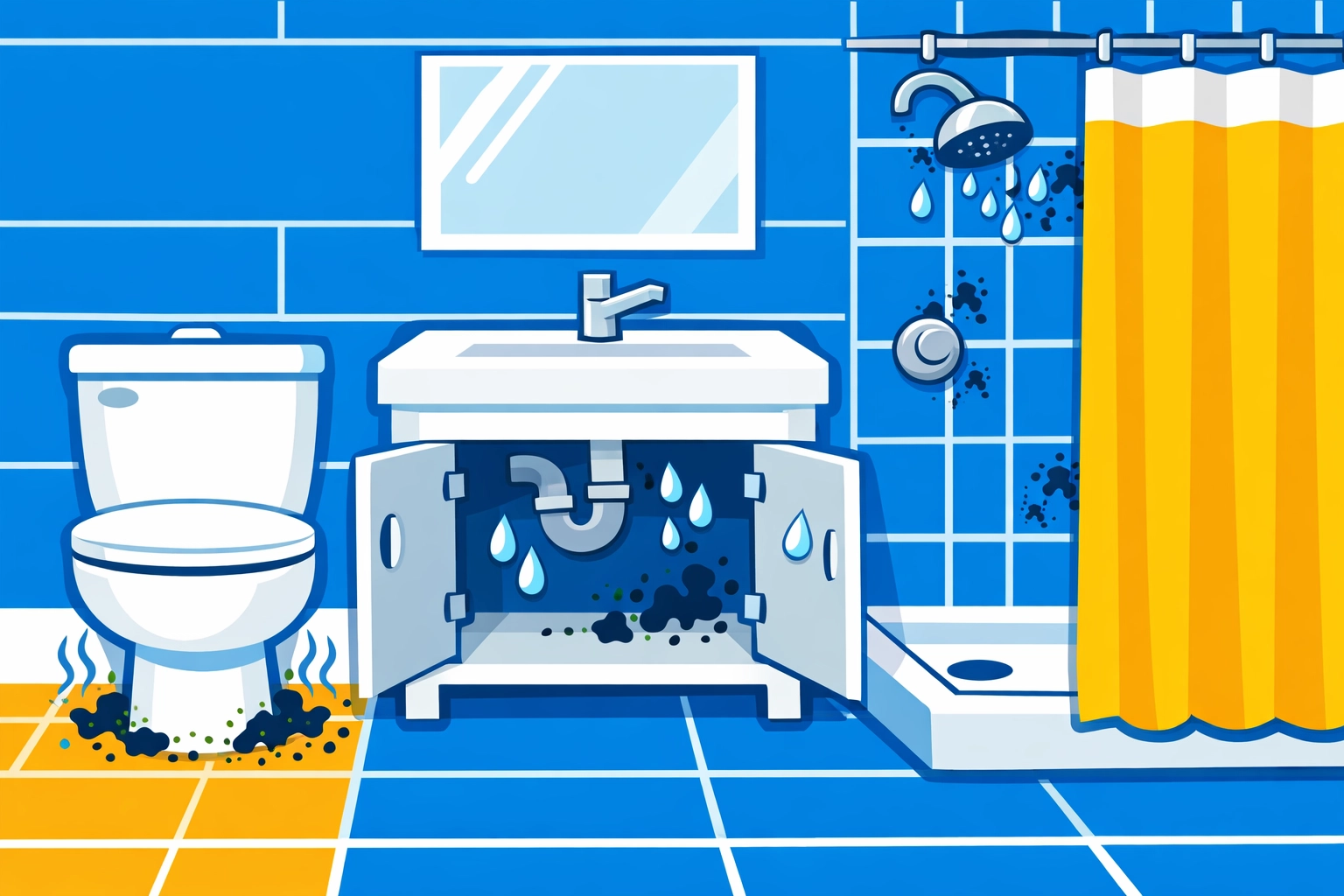
Your bathroom takes a beating every single day. Hot showers create steam, and steam creates moisture. Here's what to scan for:
Around the toilet base: Look for water pooling or discoloration on the floor. A leaky wax ring can cause hidden water damage.
Under the sink: Open the cabinet and check for drips, warping, or that telltale musty smell.
Shower and tub: Inspect grout lines and caulking. Cracked caulk is an open invitation for water to seep behind tiles.
Shower curtain and liner: Check for black or pink spots. If your liner looks fuzzy or slimy, it's time for a replacement.
If humidity levels feel high, crack a window or run the exhaust fan for at least 20 minutes after showering. Keeping indoor humidity below 50% is your first line of defense.
2. Swing Through the Kitchen
Kitchens generate moisture from cooking, dishwashing, and that leaky faucet you've been meaning to fix. Give these spots a quick once-over:
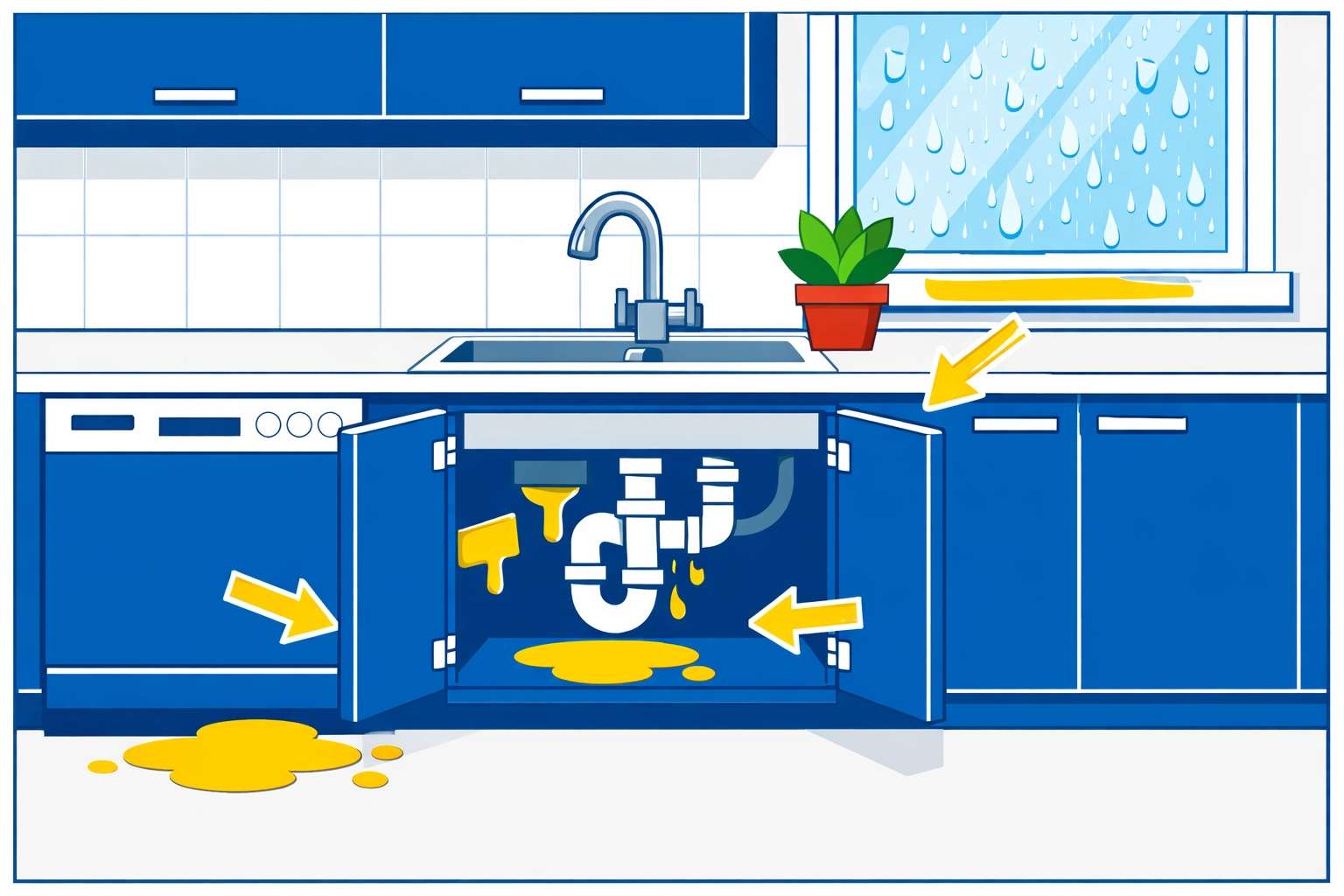
Under the sink: Same drill as the bathroom, check for leaks, puddles, or soft, spongy cabinet bottoms.
Around the dishwasher: Look for water stains on the floor or baseboards near the appliance.
Refrigerator drip pan: If your fridge has one (check your manual), pull it out and make sure it's not overflowing or growing science experiments.
Window sills: Morning condensation on kitchen windows? That's excess humidity looking for somewhere to settle.
Pro tip: Run your kitchen exhaust fan while cooking, especially when boiling water or frying. It helps vent moisture outside instead of letting it cling to your walls.
3. Peek Into the Basement or Crawl Space
We get it, basements can be dark, dusty, and kind of creepy. But they're also Ground Zero for water damage and mold growth in SEPA homes. You don't need to do a deep inspection every day, but a quick walk-through helps:
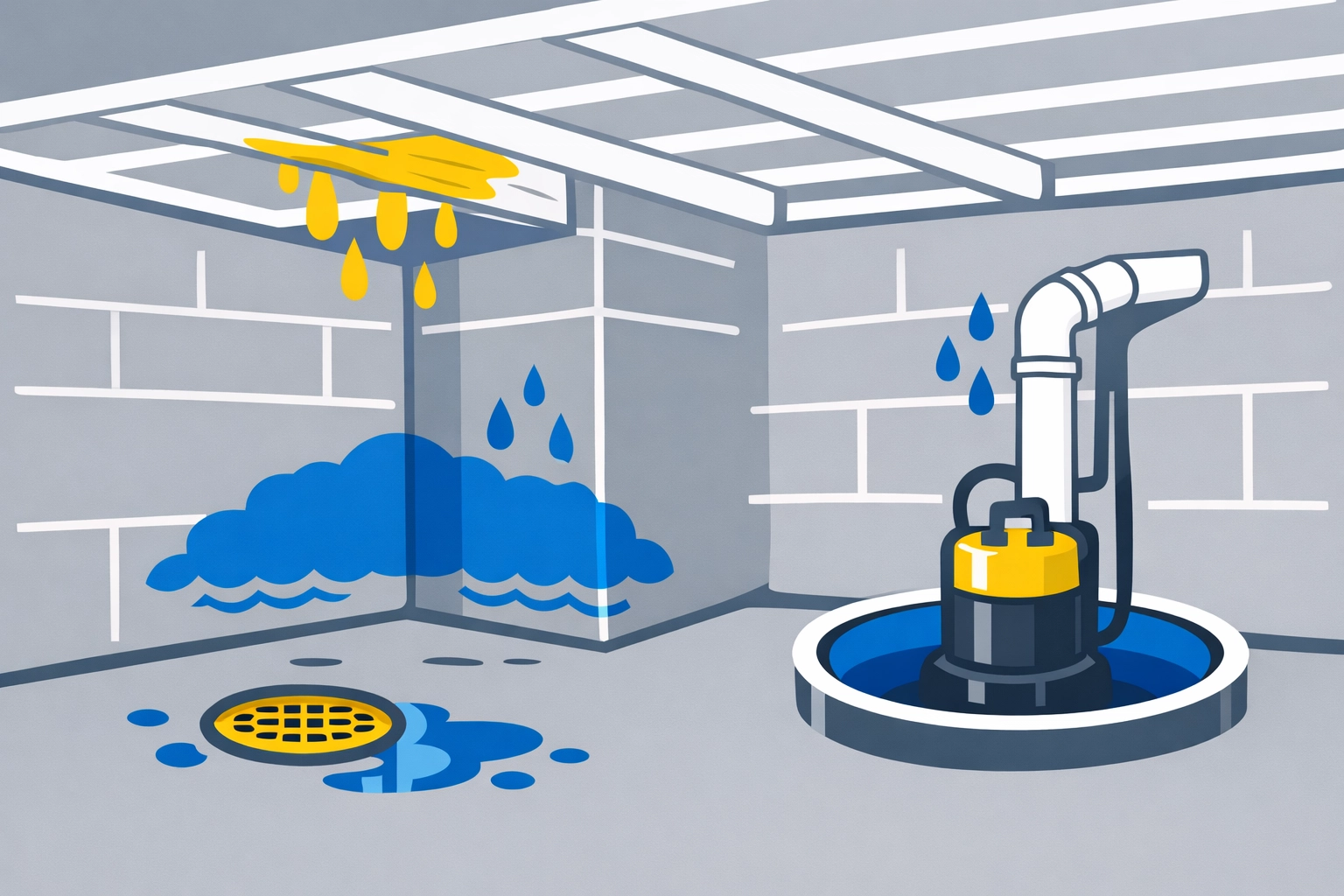
Ceiling joists and beams: Look up. Water stains, discoloration, or fuzzy growth on wooden beams mean you've got a moisture problem.
Walls and corners: Check for dampness, peeling paint, or white, chalky deposits (that's efflorescence, a sign of moisture intrusion).
Floor drains: Make sure they're clear and not backing up. A clogged drain can lead to sewage clean up nightmares.
Sump pump: If you have one, give it a quick glance. Is it running properly? Any standing water around it?
If your basement smells musty or earthy, don't ignore it. That odor is mold releasing spores into the air. Consider running a dehumidifier to keep levels in check.
4. Check Windows and Doors
Windows and doors are the unsung villains of mold growth. They're where indoor and outdoor temperatures meet, creating condensation. During your daily routine, scan for:
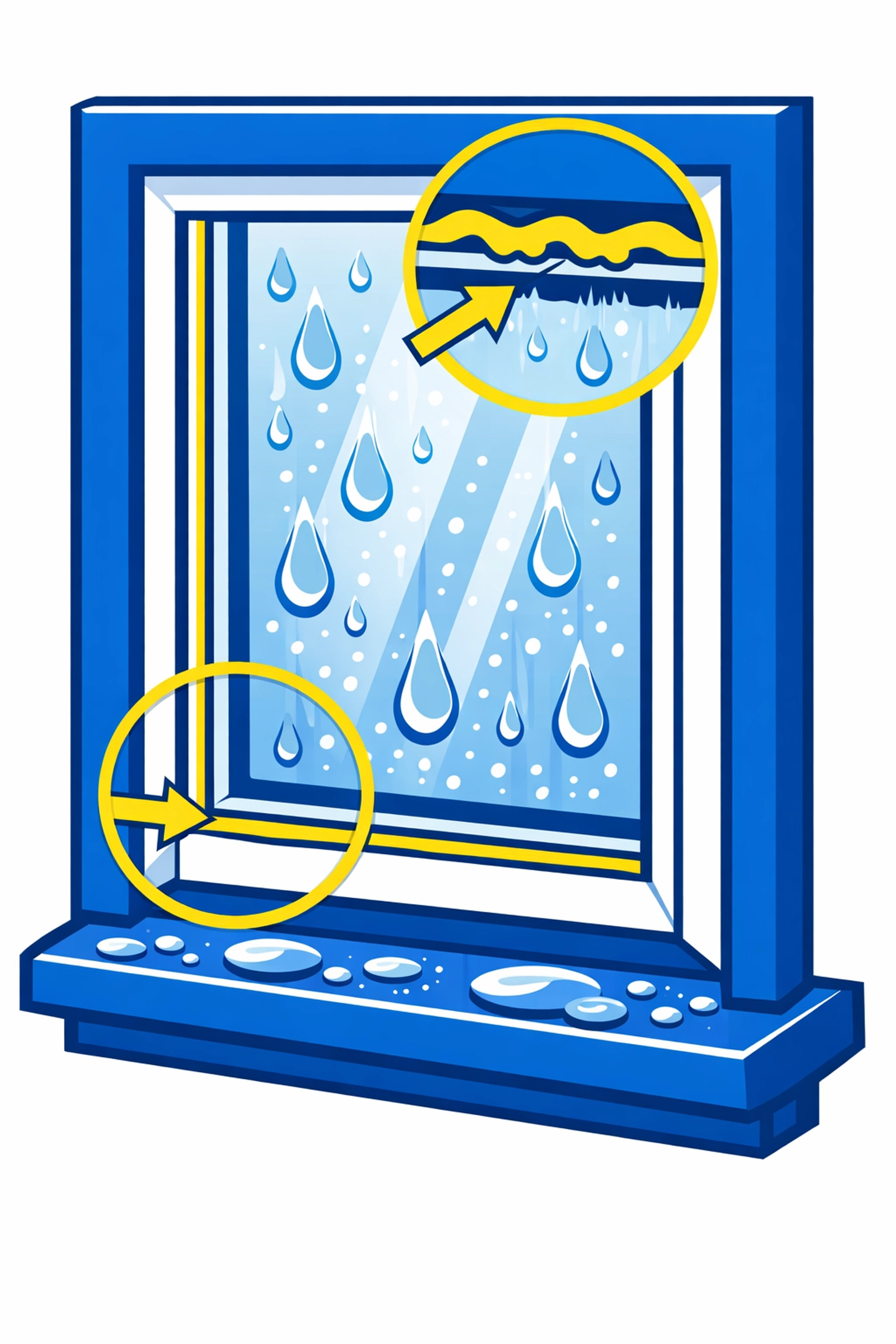
Condensation: Water droplets on glass, especially in winter, signal high indoor humidity.
Window sills and frames: Look for water stains, warping, or black spots in corners.
Broken seals: If you see fogging between double-pane windows, the seal is compromised, trapping moisture inside.
Door thresholds: Check for water seeping under exterior doors, especially after rain.
A simple fix? Use weatherstripping to seal gaps, and wipe down condensation immediately with a dry cloth.
5. Listen to Your HVAC System
Your heating and cooling system circulates air throughout your home. If mold gets into your HVAC, it spreads spores everywhere. While you can't inspect the whole system daily, you can:
Sniff vents: A musty smell coming from air vents? That's a red flag.
Check for dust buildup: Excessive dust around vents can mean your system isn't filtering properly.
Feel for moisture: Run your hand near return vents. They should feel dry, never damp.
Have your HVAC system professionally serviced twice a year. Technicians can spot mold on coils and in ductwork before it becomes a full-blown issue.
Red Flags That Demand Immediate Attention
Some signs shouldn't wait for your next daily check. If you notice any of these, it's time to dig deeper or call in the pros:
Visible mold patches: Black, green, or white fuzzy growth on walls, ceilings, or floors
Persistent musty odors: Even if you can't see mold, you're smelling it
Water stains: Yellow or brown discoloration on ceilings or walls
Peeling or bubbling paint: Moisture trapped behind surfaces pushes paint away
Warped floors or sagging ceilings: Signs of serious water damage
Allergy symptoms: Increased sneezing, coughing, or respiratory issues when you're home
What to Do If You Spot a Problem
Don't panic. Finding a small issue early is exactly what this checklist is designed to do. Here's your action plan:
Stop the source: If you find a leak, shut off the water to that fixture and fix it ASAP.
Dry it out: Use fans, dehumidifiers, or even towels to remove moisture quickly. Mold needs 24 to 48 hours of moisture to start growing.
Clean small spots: For tiny mold patches (smaller than 10 square feet), you can clean them with a mixture of water and detergent. Avoid bleach on porous surfaces, it doesn't kill mold roots.
Document it: Take photos. If the problem turns out to be bigger than expected, you'll want records for insurance claims.
When to Call My Water Damage Hero
Here's the honest truth: some mold problems are DIY-friendly. Others? Not so much. You should reach out to professionals for mold remediation if:
Mold covers more than 10 square feet
It's in your HVAC system or ductwork
You've had significant water damage from flooding or sewage backup
You're dealing with black mold (Stachybotrys chartarum)
The source of moisture isn't obvious
You or your family are experiencing health symptoms
Professional teams have moisture meters, infrared cameras, and industrial-grade equipment to find hidden problems and eliminate mold safely. We serve homeowners throughout Montgomery, Berks, Bucks, Delaware, and Chester counties, and we're just a call away when you need backup.
Make It a Habit
The best part about this checklist? It takes less time than scrolling through social media. Build it into your morning coffee routine or your evening wind-down. Walk through your home with fresh eyes, and you'll start noticing changes before they become crises.
Mold doesn't have to be scary. With a little vigilance and a lot of consistency, you can keep your SEPA home dry, healthy, and mold-free. And if you ever spot something that makes you go, "Hmm, that doesn't look right," trust your gut and get in touch. We're here to help you stay one step ahead.
Comments