Your Quick-Start Guide to Winter Home Safety: 7 Ways Delaware County Homeowners Can Avoid Water Damage This Season
- info603880
- Feb 3
- 5 min read
Winter in Delaware County is beautiful, until a burst pipe turns your home into an indoor ice rink. The reality? Cold temperatures don't just bring snow days and cozy nights by the fire. They also bring a serious risk of water damage that can cost you thousands in repairs.
But here's the good news: most winter water damage is completely preventable. You don't need to be a plumbing expert or hire someone to watch your house 24/7. You just need to know where your home is vulnerable and take a few proactive steps before temperatures drop.
Let's walk through seven practical ways you can protect your Delaware County home from winter water damage this season.
1. Insulate Those Vulnerable Pipes
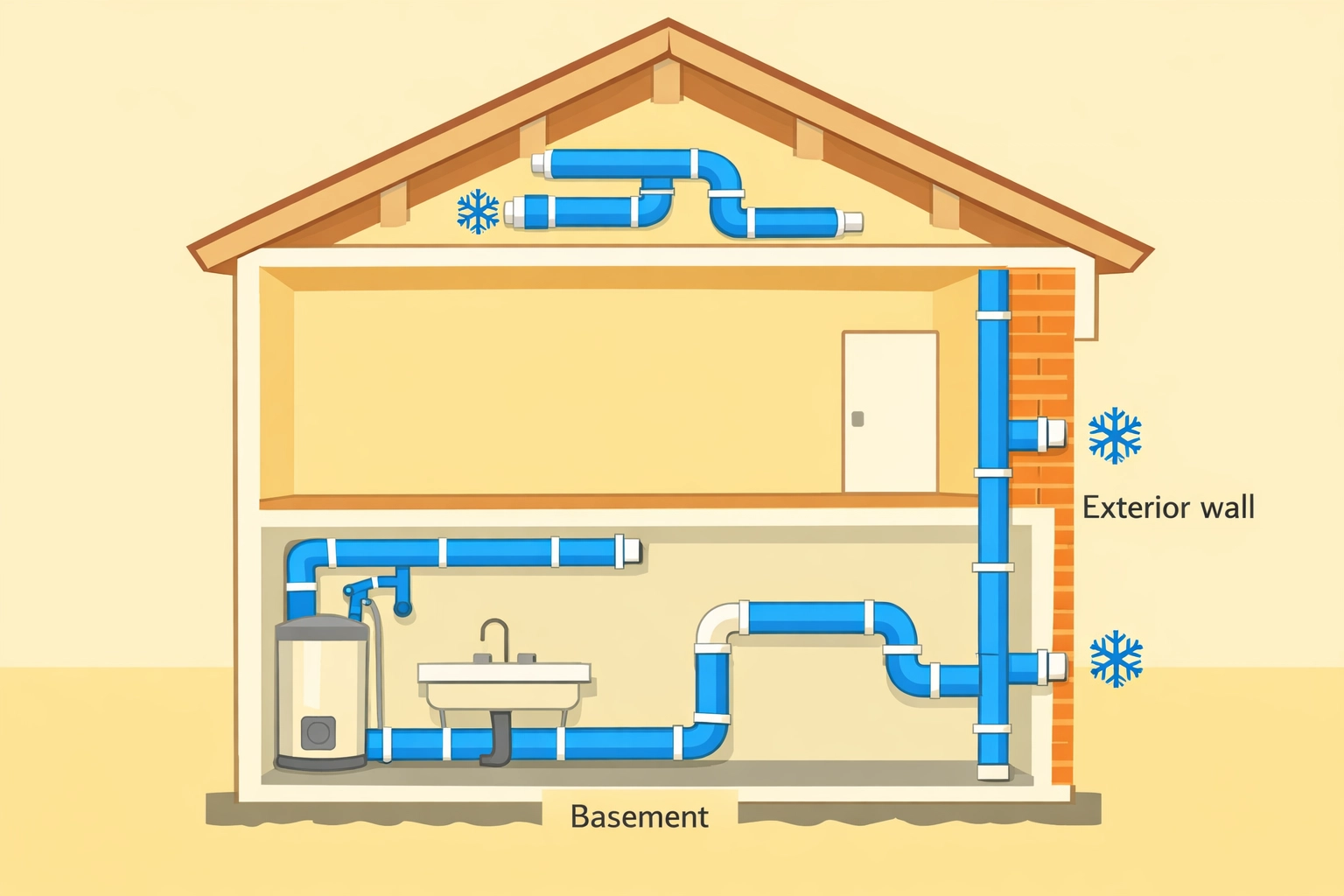
Your pipes don't all face the same risk when temperatures plummet. The ones running through unheated spaces, basements, attics, crawl spaces, and along exterior walls, are the most likely to freeze and burst.
Here's what you need to do:
Wrap exposed pipes in foam insulation sleeves. You can grab these at any hardware store for just a few bucks per pipe.
Pay special attention to pipes in your garage, under sinks, and near exterior walls. These spots get forgotten easily but are prime candidates for freezing.
Add extra layers of protection where needed. If a pipe runs along a particularly cold wall or in a drafty space, double up on insulation.
Think of pipe insulation as a winter coat for your plumbing. It won't prevent every problem, but it's your first line of defense against frozen pipes and the water damage that follows.
2. Keep Warm Air Circulating Around Pipes
Insulation helps, but moving warm air is even better at preventing frozen pipes. When cold snaps hit Delaware County, you want to make sure your home's heat reaches those vulnerable spots.
Simple strategies that work:
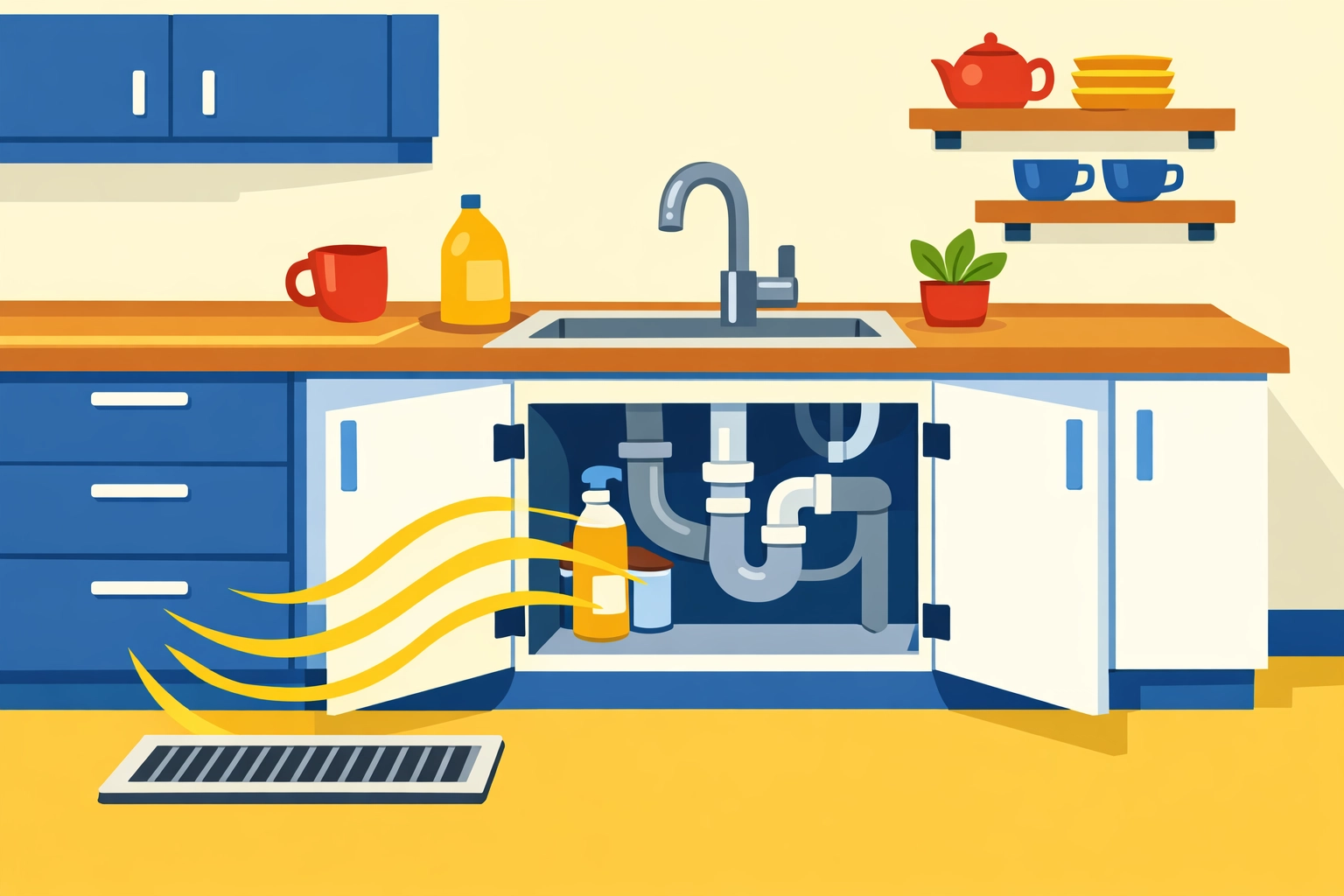
Open cabinet doors under kitchen and bathroom sinks. This lets heated air from your home reach the pipes tucked away inside.
Close doors to unheated spaces like garages and utility rooms. You're trying to keep the warm air where it matters most, around your plumbing.
Don't block heating vents near pipes. That warm air needs a clear path to do its job.
If you've got pipes in a particularly cold corner of your basement or an unheated room, consider running a small space heater nearby during extreme cold. Just make sure it's a safe distance from anything flammable.
3. Let Your Faucets Drip During Cold Spells
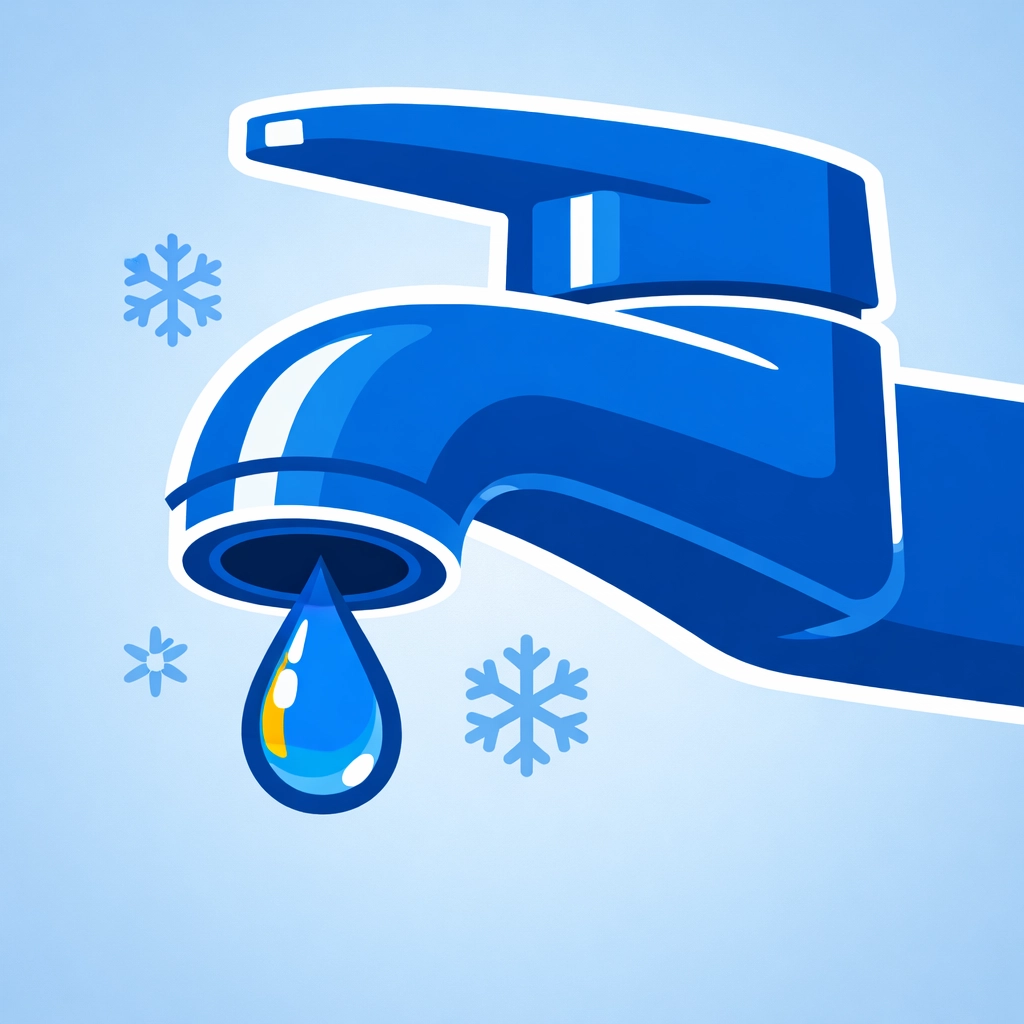
This tip sounds counterintuitive, why waste water when you're trying to prevent damage? But here's the thing: moving water doesn't freeze as easily as standing water. Even a tiny trickle keeps things flowing and relieves pressure that builds up when ice forms.
When to let faucets drip:
Overnight when temperatures are forecast to drop below freezing
During extended cold snaps (think those brutal January weeks)
For faucets connected to pipes that run through unheated spaces
You don't need a steady stream, just a slow, pencil-thin drip is enough. Focus on faucets that are on exterior walls or connected to vulnerable pipes you've identified.
Yes, your water bill might tick up slightly. But compare that to the cost of emergency flood cleanup and water damage restoration after a burst pipe. The drip wins every time.
4. Never Let Your Home Get Too Cold
Planning a winter getaway? Heading out of town for the holidays? Great, but don't turn off your heat completely.
Keep your thermostat set to at least 65 degrees, even when you're not home. This isn't just about keeping pipes warm. It also prevents moisture from accumulating inside walls and helps avoid mold remediation headaches down the road.
If you're worried about energy costs while you're away:
Lower the thermostat to 65 instead of 70, you'll save energy without risking your pipes
Close vents in rooms you don't use often
Make sure your heating system is in good working order before you leave
Coming home to a functioning, damage-free house is worth way more than the few extra dollars in heating costs.
5. Shut Off and Drain Water for Extended Absences
If you're leaving your Delaware County home for an extended period, say, a month-long winter vacation, consider taking things a step further than just adjusting the thermostat.
Here's the safest approach:
Shut off your main water supply. This eliminates the risk of water flooding your home if something does go wrong.
Drain the system. Open all faucets and flush toilets to get standing water out of the pipes.
Pour non-toxic antifreeze in drain traps. This prevents any remaining water from freezing and cracking your pipes.
Yes, this is more work. But if you're going to be gone for weeks during the coldest part of winter, it's the most foolproof way to protect your home from water damage.
Not sure how to drain your water system? It's worth calling in a professional to do it right. A small service fee now beats a catastrophic water damage restoration bill later.
6. Clear Your Gutters and Outdoor Vents
Winter water damage doesn't always start inside your home. Sometimes it begins on your roof or in your gutters.
Before the first heavy snow:
Clean out all gutters and downspouts. Remove leaves, twigs, and debris that can trap water and cause ice dams.
Check that downspouts direct water at least 6 feet away from your foundation. You don't want melting snow and ice pooling next to your home.
Clear snow from outdoor air-intake and exhaust vents. These keep your heating system and appliances running safely. Blockages can cause system failures: and in some cases, dangerous carbon monoxide buildup.
Ice dams on your roof can lead to water seeping under shingles and into your attic. From there, it's a short trip to ceiling stains, ruined insulation, and potential mold problems. A clean gutter system helps prevent this chain reaction before it starts.
7. Winterize Outdoor Water Features and Hoses
That garden hose you used all summer? It's now a liability. Water left in hoses, outdoor faucets, and decorative water features will freeze, expand, and potentially crack pipes leading back into your house.
Your pre-winter checklist:
Disconnect and drain all garden hoses. Store them in your garage or shed.
Shut off outdoor faucet valves from inside your home. Then open the outdoor faucet to drain any remaining water.
Drain and winterize fountains, birdbaths, and irrigation systems. Any standing water is a freezing hazard.
Cover exterior faucets with insulated covers. These inexpensive foam covers add an extra layer of protection.
This takes maybe 30 minutes total, but it prevents a surprising number of winter water damage emergencies. Those outdoor pipes are more connected to your home's plumbing than you might think.
When Prevention Isn't Enough
Look, you can do everything right and still end up with a problem. A freak cold snap, an unexpected equipment failure, or just bad luck can strike even the most prepared homeowner.
If you do find yourself dealing with water damage this winter: whether from a burst pipe, ice dam, or flooding: time is everything. Water damage spreads fast, and the longer it sits, the more expensive repairs become. Mold can start growing in as little as 24 to 48 hours in the right conditions.
That's where professional water damage restoration comes in. Emergency teams can extract standing water, dry out affected areas, and prevent secondary damage like mold growth. They've got the equipment and expertise to handle what most homeowners can't tackle alone.
Stay Warm, Stay Dry
Winter in Delaware County doesn't have to mean water damage worries. These seven strategies give you a solid defense against frozen pipes, ice dams, and the flooding that can follow.
The key is being proactive. Don't wait until the polar vortex hits to think about pipe insulation. Don't learn about ice dams after water is dripping through your ceiling. Take an afternoon now to walk through your home, identify vulnerable spots, and knock out these simple prevention steps.
Your future self: and your wallet( will thank you.)
Comments