Stop Wasting Time on Home Safety: Try These 7 Quick Hacks to Prevent Water Damage Restoration in Delaware County
- info603880
- Apr 24
- 5 min read
Let’s be real for a second: you’re busy. Between commuting along the Blue Route, catching your kid’s soccer game in Media, or just trying to keep up with life in Delaware County, home maintenance usually sits at the bottom of your "to-do" list. It’s easy to ignore that tiny drip under the sink or that weird smell in the basement until it turns into a full-blown crisis.
We’ve seen it a thousand times at My Water Damage Hero. A homeowner wakes up to a flooded basement, and suddenly, they're facing a massive water damage restoration project that could have been avoided with about ten minutes of effort a few months prior.
You don't need to be a professional contractor to protect your home. You just need a few "hacks": quick, low-effort wins that keep your property dry and your wallet full. If you want to stop wasting time on "what-ifs" and start feeling secure, here are seven quick hacks to prevent the need for emergency flood cleanup in your Delco home.
1. The "Color-Coded" Main Water Shutoff Hack
Do you know exactly where your main water shutoff valve is? If a pipe bursts right now, could you find it in the dark with a flashlight? For many homeowners in older Delaware County neighborhoods, that valve is tucked away in a dusty corner of a crawlspace or hidden behind a pile of holiday decorations.
The Hack: Find your main shutoff valve today. Once you find it, wrap it in bright neon tape or hang a giant, colorful tag on it.
Why? Because when a pipe snaps, panic sets in. You don't want to be playing hide-and-seek with a valve while gallons of water ruin your hardwood floors. Being able to kill the water supply in seconds can be the difference between a small mop-up and a total water extraction service emergency.
2. The "Quarterly Cup" Sump Pump Test
If you have a basement in Pennsylvania, you likely have a sump pump. It’s your home’s first line of defense against the heavy rains we get every spring. But here’s the thing: sump pumps are mechanical, and they fail. Often at the worst possible moment.
The Hack: Every three months, grab a five-gallon bucket of water and slowly pour it into your sump pit.
The water level should rise, the float should lift, and the pump should kick on and drain the water away. If it doesn't? You just saved yourself from a 3 AM sewage clean up or flood nightmare. If you’re wondering why your pump might be acting up, check out our guide on 10 reasons your sump pump isn’t working.

3. Swap Your Appliance Hoses (The "Stainless Steel" Hack)
Take a look behind your washing machine. Are those black rubber hoses original to the machine? Rubber hoses are notorious for becoming brittle and cracking over time. When they go, they don’t just drip; they burst, sending a constant stream of water into your laundry room.
The Hack: Spend $20 at the local hardware store and swap those old rubber hoses for braided stainless steel "burst-proof" hoses.
This one-time, 10-minute task virtually eliminates one of the top causes of indoor flooding. It’s a small investment that prevents a massive water damage restoration bill down the road. While you're at it, check the supply line to your refrigerator’s ice maker too!
4. Deploy Smart "Water Spies"
We live in an age of smart technology, so why not use it to protect your home? Even if you're out to dinner in West Chester or visiting family in Chester County, you should know if there’s a leak at home.
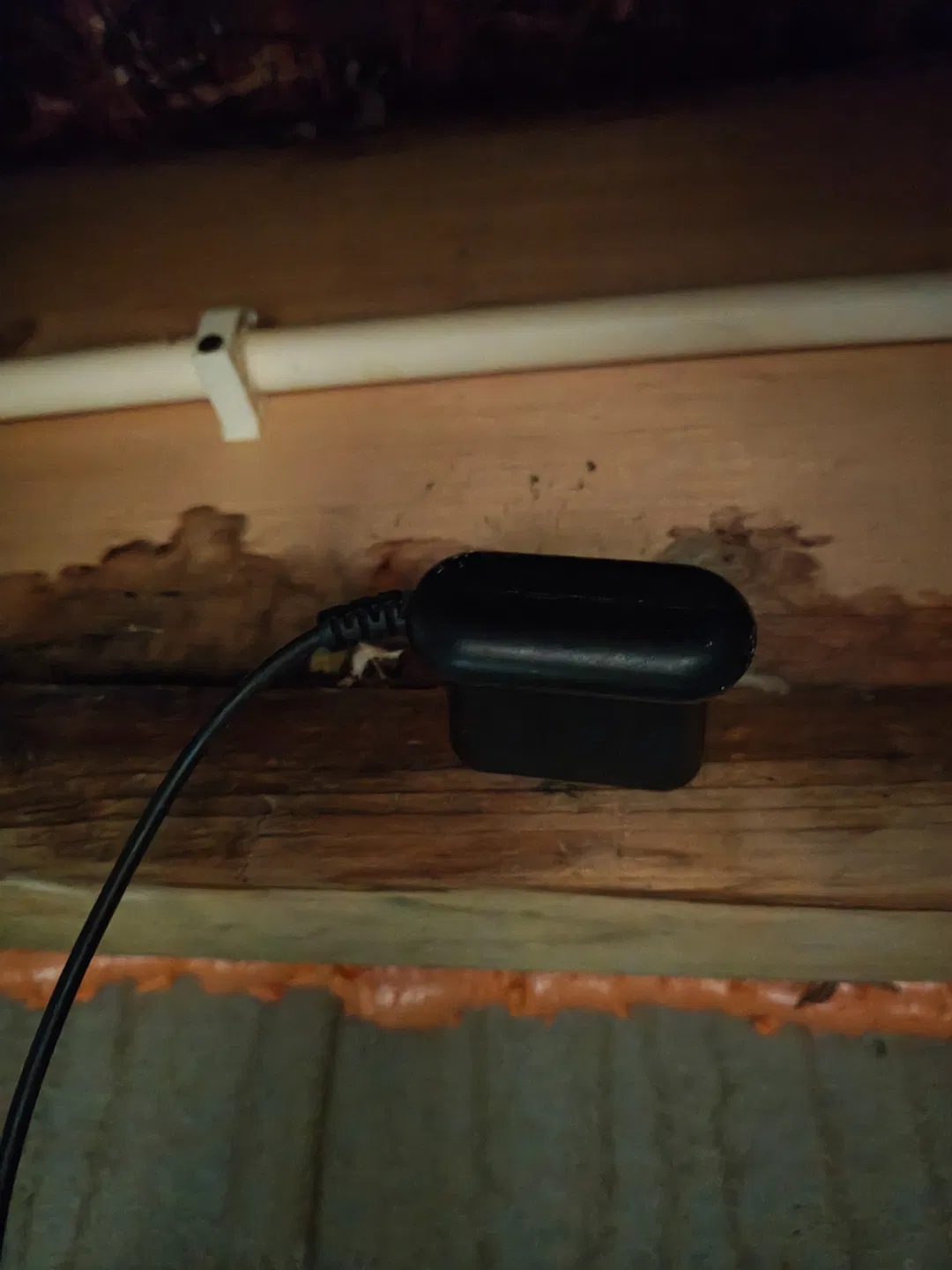
The Hack: Place inexpensive, Wi-Fi-enabled water sensors in "high-risk" zones: under the kitchen sink, behind the toilet, and next to the water heater.
These little devices connect to your phone and send an alert the second they detect moisture. Catching a leak when it’s just a puddle is much better than finding it when it’s a lake.
5. The "Downspout Extension" Strategy
Delaware County has its fair share of hills and slopes. If your gutters are dumping water right at the base of your foundation, that water has nowhere to go but into your basement. This is a primary cause of foundation cracks and seepage.
The Hack: Buy plastic downspout extensions (they’re cheap and slide right on) and make sure they discharge water at least six to ten feet away from your home.
It sounds too simple to be a "hack," but it’s incredibly effective. By moving the water away from your foundation, you’re drastically reducing the hydrostatic pressure that forces moisture through concrete walls. This simple move helps you avoid the need for emergency flood cleanup after the next big Delco thunderstorm.
6. Manage Your "Air Hygiene" to Stop Mold
Water damage isn't always about a flood. Sometimes, it’s about high humidity levels that lead to mold remediation needs. If your basement feels damp or smells "musty," mold is likely already starting to grow behind your walls.
The Hack: Buy a cheap hygrometer (a digital humidity meter) and keep your indoor humidity levels between 30% and 50%.
If the reading goes above 60%, turn on a dehumidifier immediately. Mold loves damp, stagnant air. By controlling the "food" (moisture) that mold needs to survive, you protect your family’s health and your home's structural integrity. If you're worried about a smell, you might want to learn more about mold testing and moisture meters.

7. The "Hero" Contact Hack
When the worst happens: and sometimes, despite our best efforts, it does: the biggest waste of time is searching the internet for a reliable contractor while your carpets are soaking up water.
The Hack: Add My Water Damage Hero to your phone contacts right now under "Emergency Water Damage."
Having a pro ready to go means you won't waste precious minutes during a crisis. We specialize in everything from sewage clean up to fire and smoke damage across Delaware, Montgomery, Berks, Bucks, and Chester counties. We’re local, we’re fast, and we’re ready 24/7.
Why Speed Matters in Delaware County
In our neck of the woods, we deal with high humidity and older construction. These factors mean that once water enters your home, the clock starts ticking fast. Within 24 to 48 hours, mold can begin to colonize. Within days, your drywall can lose its structural integrity, and your hardwood floors can begin to "cup" or "buckle."
Using these hacks isn't just about saving time; it's about being a proactive homeowner. We want you to enjoy your home, not stress over it. If you ever find yourself facing a situation that these hacks couldn't prevent, remember that you don't have to handle it alone.
Whether it's a 5-minute morning routine or a full beginner's guide to home safety, our goal is to keep SEPA families safe and dry.

Quick Summary Checklist for Delco Homeowners:
Locate and Tag: Find your water shutoff and make it visible.
Test the Pump: Pour water in the pit every season.
Upgrade Hoses: Move to stainless steel for your washer.
Sensor Up: Use tech to monitor hidden areas.
Drain Away: Ensure gutters dump water far from the house.
Watch Humidity: Keep it under 50% to prevent mold.
Stay Prepared: Keep our number handy just in case!
Don't let water damage ruin your week. Take 30 minutes this weekend to implement a few of these hacks. Your future self (and your bank account) will thank you! If you need a professional eye to check out a suspicious stain or a damp basement, feel free to contact us anytime. We’re here to be your hero!
Comments