Water Damage Restoration 101: A Beginner’s Guide to Mastering Home Safety in Delaware County
- info603880
- Apr 1
- 6 min read
If you’ve ever walked down into your Delaware County basement after a heavy spring rain only to hear a dreaded squish under your feet, you know that instant feeling of panic. It’s a sinking sensation, literally. Whether it’s a burst pipe in Havertown, a water heater fail in Media, or a flash flood in Upper Darby, water damage doesn't wait for a convenient time to strike.
But here’s the good news: while water damage is a stressful mess, it’s not the end of the world. With the right knowledge and a quick response, you can save your home from long-term disaster. Welcome to your beginner's guide to mastering home safety through the lens of water damage restoration. Let’s dive in and get your home back to being the safe, dry sanctuary it’s supposed to be.
Why Speed is Your Best Friend in Delaware County
In the world of restoration, time isn't just money, it’s your floorboards, your drywall, and your health. When water sits, it doesn't just stay wet; it begins a destructive process that gets harder (and more expensive) to fix every hour that passes.
The "Golden Window" for emergency flood cleanup is usually the first 24 to 48 hours. After that, you're no longer just dealing with water; you're likely looking at a need for mold remediation. Mold spores love damp environments and can start colonizing in less than two days. By acting fast, you’re not just cleaning up a mess; you’re preventing a biological hazard from taking over your home.
Step 1: Assessing the Situation (The "What" and "Where")
Before anyone starts pumping water out, we have to know what we’re dealing with. Not all water is created equal. In the restoration industry, we categorize water into three main groups to determine the level of safety gear and cleaning power needed.
Category 1: Clean Water. This is the "safe" stuff. Think of a broken supply line to your sink or a leaking faucet. It doesn't pose a major health risk, but it can still ruin your hardwood floors if it sits too long.
Category 2: Gray Water. This comes from appliances like your dishwasher or washing machine. It might contain chemicals or dirt. It's not immediately toxic, but you definitely don't want to go swimming in it.
Category 3: Black Water. This is the big one. It includes sewage backups and rising floodwaters from local creeks. This water is highly contaminated and requires professional sewage clean up protocols. If you're dealing with this, please don't try to DIY it: the bacteria and pathogens are no joke.
Professional restoration teams use advanced technology to find water that the human eye can't see. We’re talking about infrared cameras and moisture meters that can "see" through your walls to find hidden pockets of dampness.
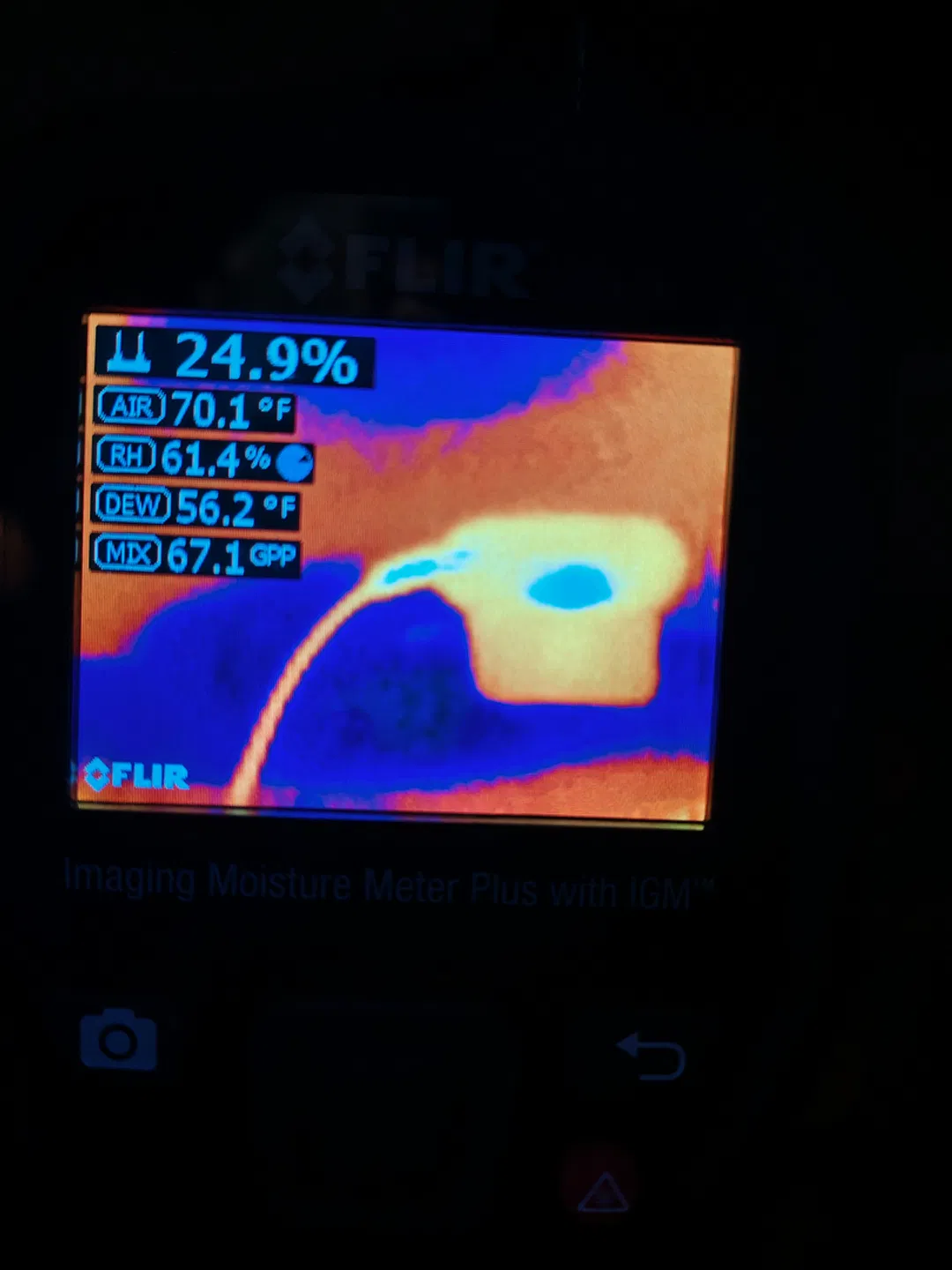
Step 2: Emergency Water Extraction
Once the source of the water is stopped (turn that main shut-off valve!), the next step is getting the standing water out. This is the "heavy lifting" phase of water damage restoration.
If you have a minor leak, a shop vac might do the trick. But for a true flood, you need industrial-grade equipment. We use submersible pumps and high-powered vacuums that can pull hundreds of gallons of water out of your home in minutes. The goal is to get the "bulk" water out so the drying process can actually begin.

Step 3: The Science of Drying and Dehumidification
This is where many homeowners get tripped up. Just because a surface feels dry to the touch doesn't mean the structure is dry. Wood, drywall, and insulation are like sponges. They soak up moisture and hold onto it deep inside.
To properly dry a home in Delaware County: where our humidity can be quite high: we use a combination of:
Industrial Air Movers: These aren't your average floor fans. They move massive amounts of air at high speeds to evaporate moisture from surfaces.
Dehumidifiers: These machines pull the moisture out of the air, preventing that "damp" smell and stopping mold in its tracks.
While it’s tempting to turn these off at night because they’re loud, don't! They need to run 24/7 until our moisture meters confirm that your home has reached its "dry standard." If you want to learn more about keeping your home safe on a daily basis, check out our guide on 7 daily home checks every Delaware County homeowner should do.
Step 4: Cleaning and Sanitization
After the water is gone and the air is dry, it’s time to clean. This step is crucial, especially if you’ve had a sewage backup or a flood from outside. We use professional-grade antimicrobial treatments to sanitize floors, walls, and any salvageable belongings.
This stage also focuses on odor removal. Water damage often leaves behind a musty, stale smell. We don't just mask it with perfumes; we use equipment like hydroxyl generators or ozone machines to neutralize the odors at a molecular level.
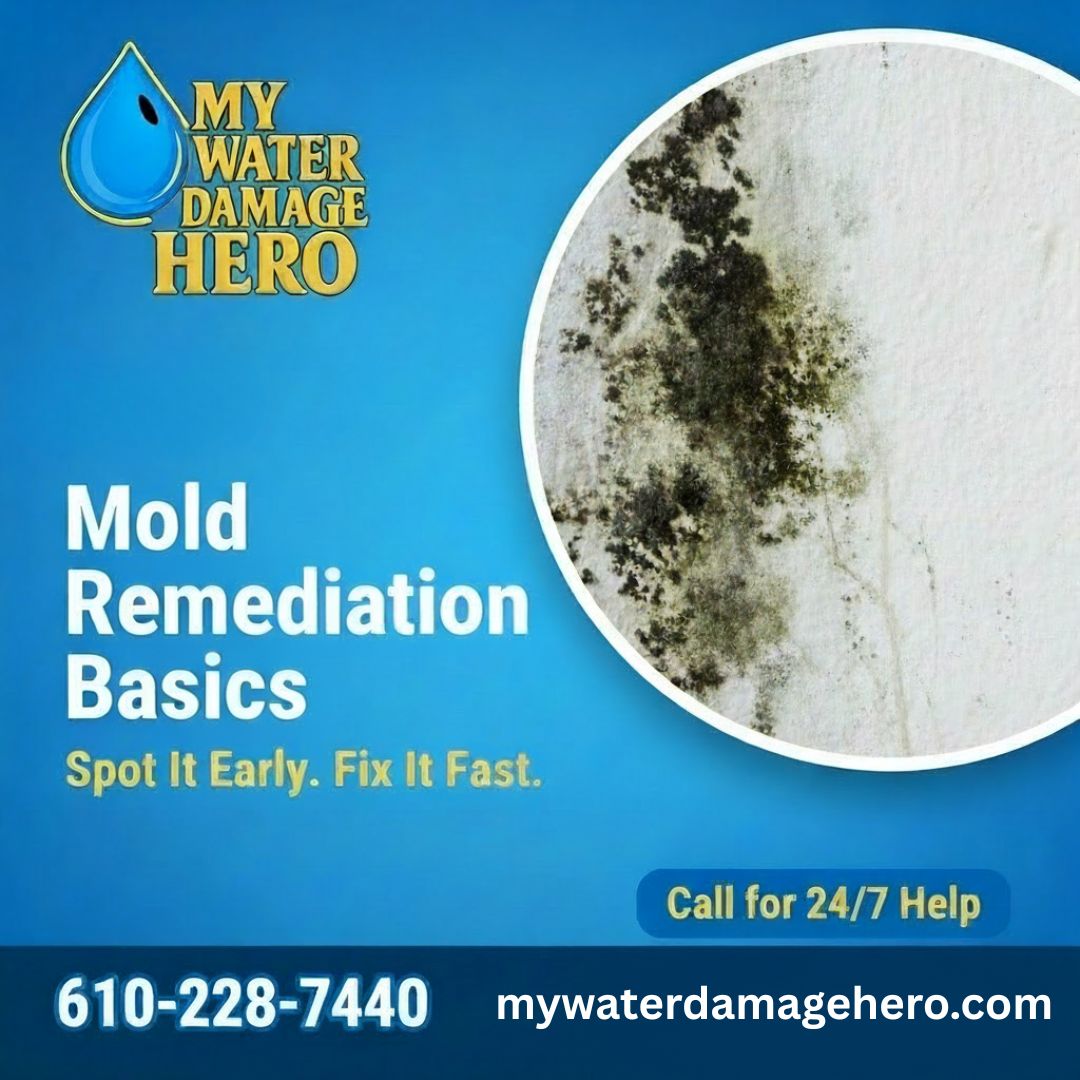
Step 5: Mold Remediation and Prevention
If the water was sitting for more than 48 hours, or if you had a slow leak you didn't notice for weeks, mold remediation becomes part of the plan. Mold is a tricky beast. It hides behind baseboards and under carpets.
In Delaware County, our older homes often have stone foundations or unfinished basements that are prone to dampness. This makes them a prime target for mold growth. If you see dark spots on your walls or smell a persistent "earthy" scent, it's time to call in the experts for a proper assessment.

Step 6: Restoration and Putting Your Home Back Together
The final step is the most rewarding: restoration. This is where we move from "fixing the problem" to "making it like it never happened." This could involve:
Replacing drywall and repainting.
Installing new flooring or carpet.
Minor structural repairs.
Our goal at My Water Damage Hero is to take you from the "panicked phone call" phase to the "back to normal" phase as smoothly as possible. We’re neighbors helping neighbors, and we know how much your home means to you.
Don't Forget the Basement!
In Delco, our basements are often the first line of defense: and the first place to flood. An unfinished basement might not seem like a big deal, but moisture there can affect the air quality of your entire house. Exposed pipes, old wiring, and porous concrete walls can all contribute to long-term issues if they aren't handled correctly after a leak.
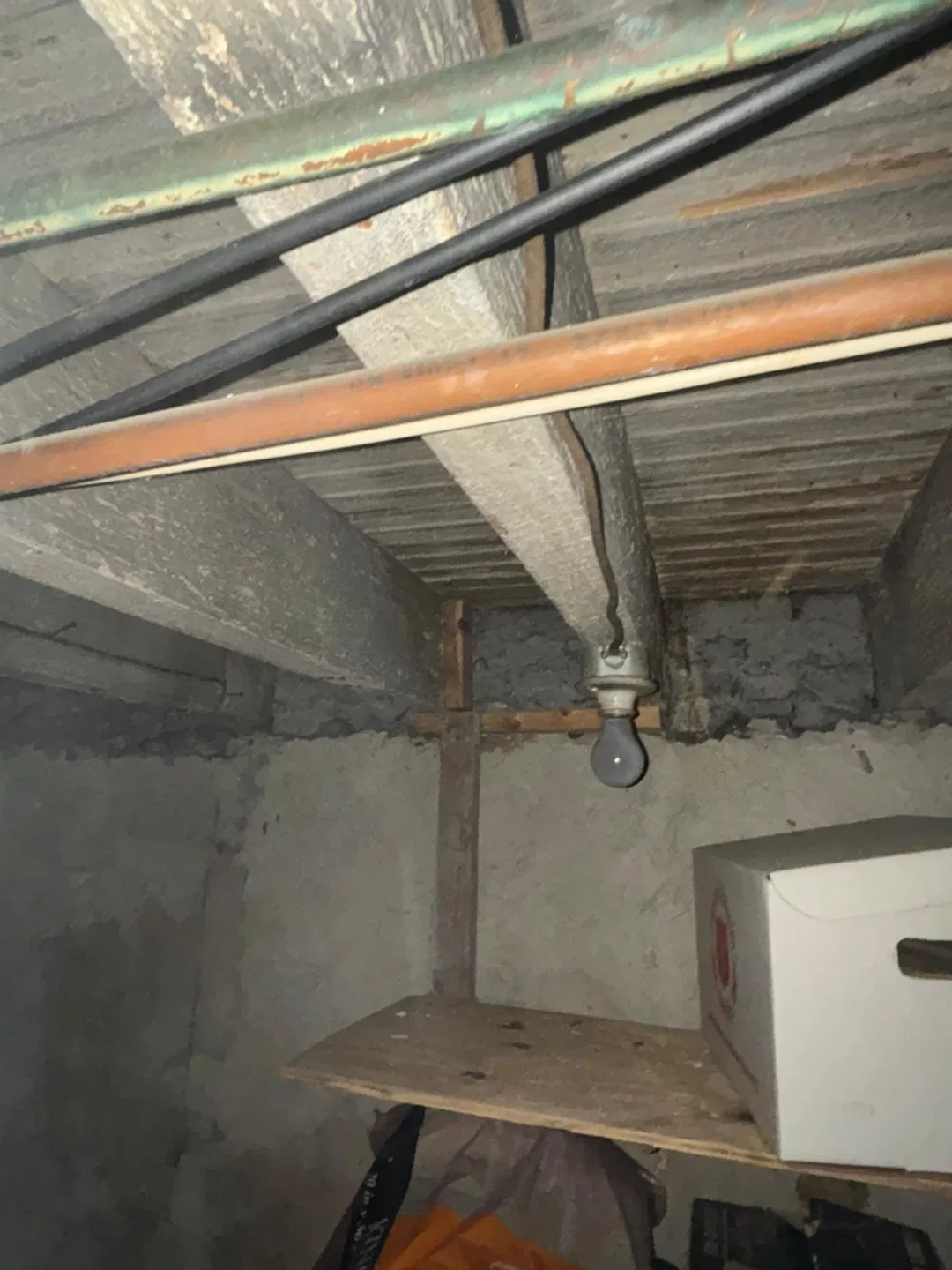
If you're worried about your basement's defense system, you might want to look into our quick start guide to emergency flood cleanup, especially if you rely on a sump pump.
Local Expertise Matters
Why choose a local Delaware County team? Because we know the area. We know the local codes, we know the weather patterns that lead to flooding in our neighborhoods, and we can get to your door in a flash. Whether you're in Chester, Springfield, or Newtown Square, having a team that can respond in hours: not days: is what saves your property.
Quick Tips for Immediate Action:
Safety First: If the water is deep or near electrical outlets, stay out. Turn off the power if it's safe to do so.
Stop the Flow: Find your main water shut-off valve. If you don't know where it is, find it today!
Protect Your Assets: Move electronics, photos, and heirloom furniture to a dry area or upstairs.
Take Photos: For insurance purposes, document everything before any work starts.
Call the Heroes: Don't wait. The sooner we start, the less damage you'll have to deal with.
Final Thoughts
Water damage restoration might seem like a complex, overwhelming process, but it really comes down to a few key steps: Stop, Extract, Dry, and Restore. By understanding the basics, you’re already ahead of the game.
Remember, you don't have to face a flooded basement or a burst pipe alone. Whether you need emergency flood cleanup, sewage clean up, or mold remediation, My Water Damage Hero is here for you 24/7. We’re committed to keeping Delaware County homes safe, dry, and healthy.
Stay dry, Delco! And if you ever find yourself in a "squishy" situation, you know who to call. To stay proactive, consider setting up a 5-minute daily water damage restoration prevention routine( your future self will thank you!)
Comments