Emergency Flood Cleanup 101: A Local’s Guide to Mastering Home Safety in Chester County
Hey neighbor! If you’re reading this, there’s a good chance you’re currently staring at a puddle where your favorite rug used to be, or maybe you’re just preparing for the next big SEPA storm. Whether it’s a burst pipe in West Chester or a flash flood near the Brandywine, dealing with water in your home is incredibly stressful.
At My Water Damage Hero, we see it all the time. One minute you’re enjoying a quiet evening, and the next, you’re calf-deep in your basement trying to figure out where the "off" switch is. Panic is natural, but don’t fret: you’ve got this, and we’re here to help you navigate the mess.
This guide is your local roadmap to mastering emergency flood cleanup and keeping your family safe. Let’s dive in and get your home back to normal.
The First Rule of Flooding: Safety First, Always
Before you even think about grabbing a mop, we need to talk about safety. Water and electricity are a literal "shocking" combination, and floodwater isn't exactly Fiji water: it can be pretty nasty.
Kill the Power: If you can reach your breaker box without stepping in water, turn off the electricity to the affected areas. If you have to walk through water to get to the panel, stop. Call an electrician or your utility provider instead.
Watch Your Step: Flooded floors are slippery, and murky water can hide sharp objects or open floor drains. Wear sturdy, rubber-soled boots.
Avoid "Black Water": If the flooding involves a sewage backup, stay out. Sewage clean up is a hazardous job that requires specialized gear and sanitizers to prevent serious illness.
Gear Up: If you’re checking things out, wear gloves and a mask. You never know what’s been stirred up in those old Chester County pipes.
The Critical 48-Hour Clock
Here’s the thing: moisture is a ticking time bomb. You have a window of about 24 to 48 hours before things go from "wet mess" to "moldy nightmare." This is why emergency flood cleanup isn't something you can put off until the weekend.
When water sits, it doesn't just stay on the surface. It wicks up into your drywall, soaks into the subflooring, and hides behind baseboards. If you don't start the drying process immediately, you're looking at a high probability of needing mold remediation later.

Step-by-Step: Your Emergency Action Plan
If the source of the water is a burst pipe or a leaking appliance, shut off the main water valve immediately. If it’s nature knocking on your door, focus on these steps:
1. Document Everything
Before you move a single piece of furniture, grab your phone. Take photos and videos of the standing water, the damaged belongings, and where the water came in. This is pure gold for your insurance adjuster. You can find more tips on how to handle the insurance side of things in our ultimate guide to emergency flood cleanup.
2. Remove the Standing Water
If it’s a small amount, a wet/dry vac can do wonders. However, if you’re looking at several inches of water, a household shop-vac won't cut it. You’ll need professional-grade extraction equipment to get the bulk of the water out quickly.
3. Move What You Can
Get your furniture, electronics, and valuables out of the wet zone. If a piece of furniture is too heavy to move, place aluminum foil or wood blocks under the legs to prevent the wood stain from bleeding into the carpet and to stop the furniture from soaking up more water.
4. Start the Drying Process
Open windows if the humidity outside is lower than inside. Use every fan you own, but keep in mind that household fans only move air: they don't necessarily dry out the "bones" of your house. This is where high-velocity air movers and industrial dehumidifiers come into play.
Why You Can’t Always See the Damage
In Chester County, we have a lot of beautiful, historic homes. These homes often have thick walls and layers of flooring that love to trap moisture. Just because your carpet feels dry doesn't mean your subfloor isn't soaking wet.
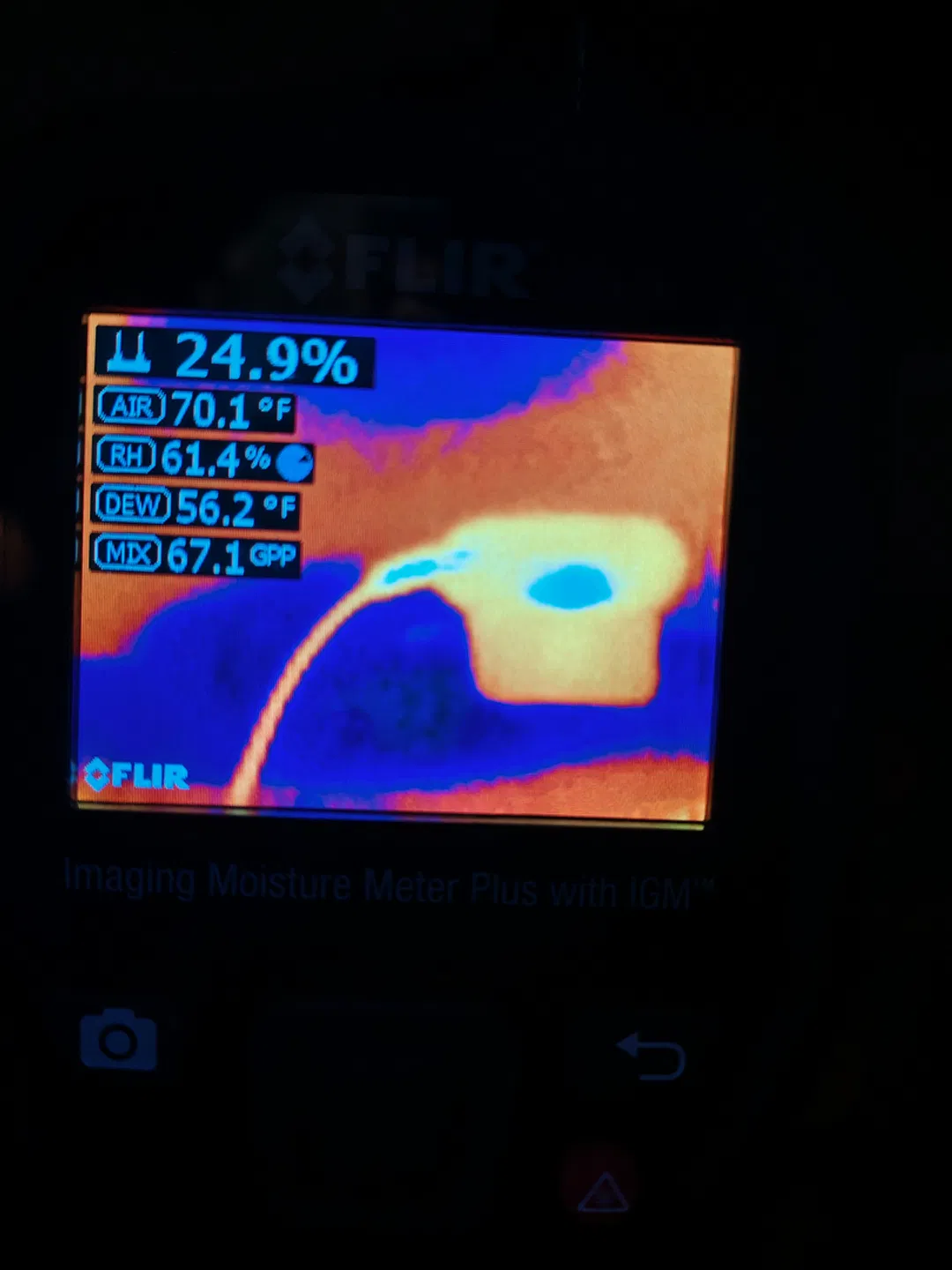
Professionals use tools like moisture meters and infrared cameras to find hidden pockets of water. If you leave these spots alone, they become the perfect breeding ground for spores. Check out our post on water damage restoration secrets to see why what you can't see is often the biggest threat.
The Hidden Danger: Mold Remediation
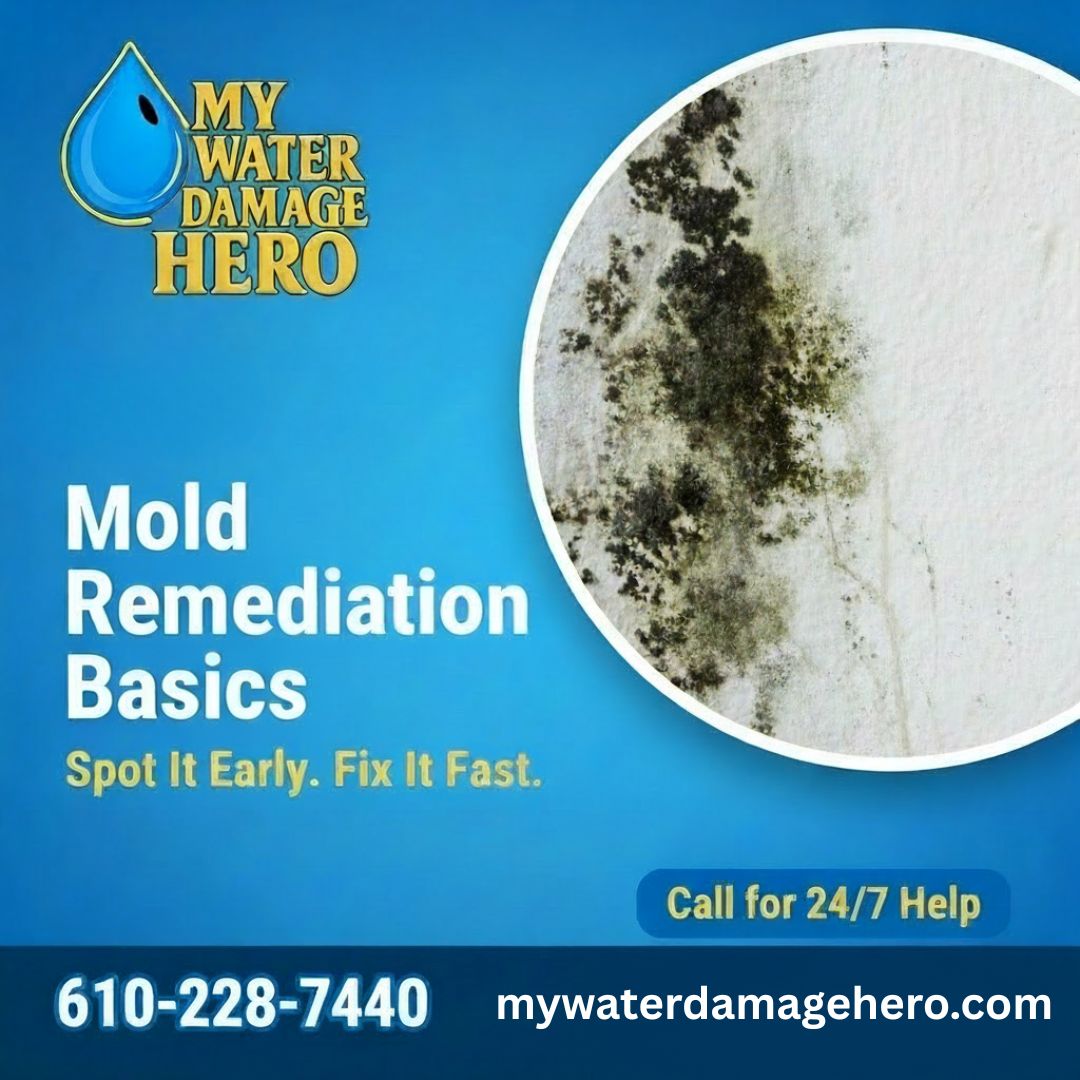
We mentioned the 48-hour window earlier, and it’s worth repeating. Mold remediation is much more expensive and invasive than simple water drying. If you notice a musty smell or see dark spots appearing on your walls a few days after a flood, you’ve likely got a mold problem.
In our area, the humidity can be brutal, which only speeds up mold growth. If you're in Berks or Chester County, you know that heavy rainfall is becoming the norm. We’ve written about why PA’s heavier rainfall means you can’t wait 48 hours anymore.
Don't try to scrub mold away with bleach: that often just feeds it (bleach is mostly water, after all). Real remediation requires containment and professional-grade antimicrobial treatments.
Preventing the Next Flood
While we’re always here to help when disaster strikes, we’d much rather help you prevent it. Here are a few Chester County-specific tips:
Sump Pump Health: If you have a basement, your sump pump is your best friend. Check it twice a year. Pour a bucket of water into the pit to make sure it kicks on. For more details, see our guide on sump pump health checks.
Gutter Maintenance: Our local trees are beautiful, but they sure do love to clog up gutters. Ensure your downspouts are pointing at least 6 to 10 feet away from your foundation.
Foundation Checks: Older homes in towns like Phoenixville or Coatesville can develop small cracks in the foundation. Seal these up before the spring thaw or summer storms.
Daily Habits: Sometimes it’s the small things, like not leaving the dishwasher running when you leave the house. We have a great list of 15 daily safety habits that can save you a massive headache.
When to Call in the Heroes
Look, we know the DIY spirit is strong in Pennsylvania. But water damage restoration is a science. If you’re dealing with more than just a small spill, or if the water is "gray" or "black" (like from a dishwasher or a sewer), it’s time to call in the professionals.
A professional team like My Water Damage Hero doesn't just "dry" things: we restore your peace of mind. We handle:
Emergency water extraction to get the bulk out fast.
Structural drying with high-end equipment.
Decontamination and sanitizing (especially important for sewage clean up).
Coordination with your insurance company to make the claim process smoother.

You’re Not Alone in This
Flooding feels like an invasion. It disrupts your life, ruins your comfort, and leaves you feeling overwhelmed. But remember: it’s just water, and we have the tools and the heart to fix it.
Whether you’re in Montgomery, Delaware, or right here in Chester County, we’re your neighbors first and restoration experts second. We’ve helped families all over SEPA get their lives back on track after a disaster, and we can do the same for you.
If you’re currently dealing with a mess, don’t wait for the mold to move in. Take a deep breath, follow the safety steps we outlined, and reach out for help if you need it. You can check out more local advice for home safety in Chester County here.
Stay dry, stay safe, and remember( your home is worth protecting!)
Comments