Boost Your Home Safety Instantly with These 5 Daily Water Damage Restoration Tips for Chester County Property Owners
- info603880
- Apr 26
- 5 min read
Hey there, neighbor! If you’re reading this, chances are you’ve either dealt with a soggy basement after a Chester County thunderstorm or you’re smart enough to want to be prepared before the next one hits. Whether you’re in West Chester, Kennett Square, or Downingtown, we all know that water has a way of finding its way into the places it least belongs.
Dealing with water damage is a stressful mess. One minute you’re enjoying a quiet evening, and the next, you’re standing ankle-deep in a flooded laundry room. It’s overwhelming, and that initial panic is totally natural. But here’s the good news: you don’t have to tackle this alone. At My Water Damage Hero, we see these situations every day, and we know exactly how to turn that "oh no" moment into a "we got this" plan.
Boosting your home safety doesn’t always require a massive construction project. Sometimes, it’s about the small, daily habits and quick actions that prevent a small leak from turning into a full-blown water damage restoration nightmare. Let’s dive into five daily tips that will keep your Chester County property safe, dry, and healthy.
1. The "Investigate Immediately" Rule
In the world of property damage, time is your biggest enemy. If you notice a new water stain on the ceiling or hear a mysterious "drip-drip" behind the drywall, don't wait until the weekend to check it out.
Swift action is the cornerstone of effective flood clean-up. In Chester County, our humid summers and wet springs mean that a damp spot can turn into a mold colony in as little as 24 to 48 hours. If you suspect a leak, investigate the source right away. Is it a loose pipe under the sink? A failing water heater? Or maybe a roof leak after a heavy downpour?
Uncovering the source and performing a quick fix: even if it’s just turning off the main water valve: keeps the harm under control before it escalates. Think of it as a daily awareness check. As you go about your routine, keep an eye out for:
Musty odors in the basement.
Peeling paint or wallpaper.
Unexplained increases in your water bill.
Spongy or soft spots on your hardwood or laminate floors.
2. Master the Daily Moisture Check
Did you know that just because a floor feels dry to the touch doesn't mean it actually is dry? Water is sneaky; it loves to hide in subfloors, behind baseboards, and deep inside insulation.
One of the most valuable tips for property owners is to monitor moisture levels regularly, especially if you’ve had a recent minor spill or a high-humidity day. Professionals use specialized tools like infrared cameras and moisture meters to find hidden pockets of water.
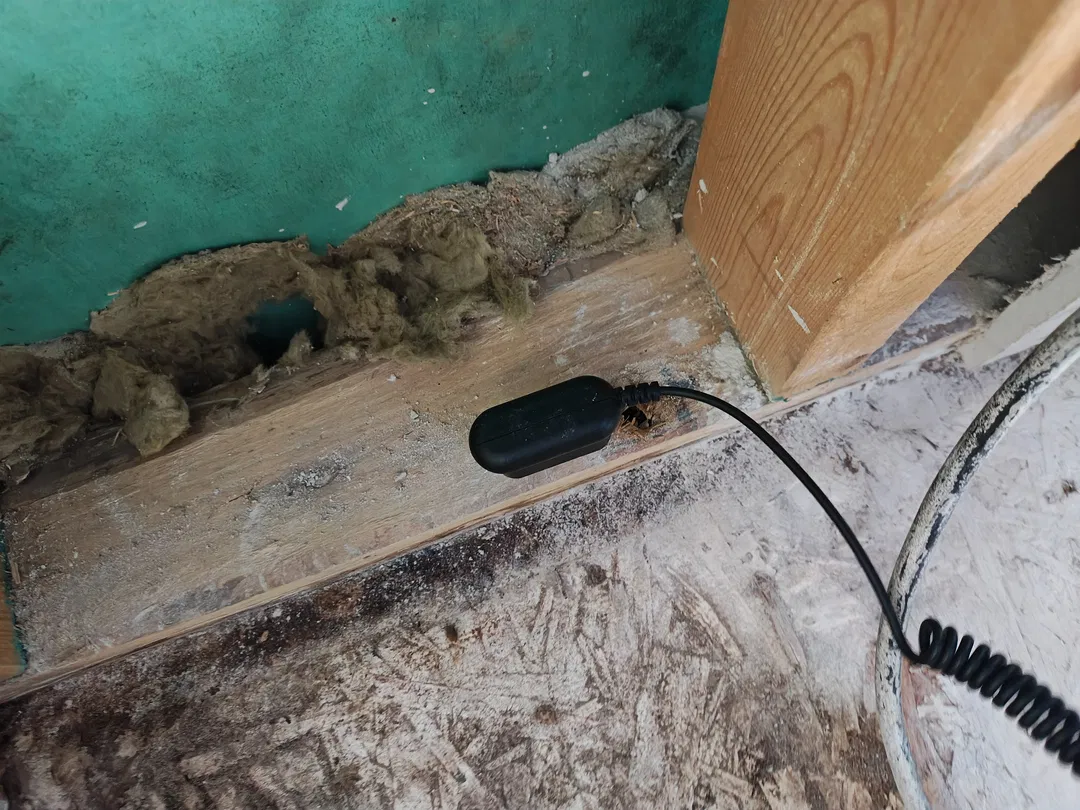
You can do a version of this yourself by being observant. If you’ve recently dealt with a small leak, keep testing the area for several days. If the "dry" spot feels colder than the surrounding area, there’s a good chance there is still moisture trapped underneath. Confirming your property is completely dry is the only way to ensure the water extraction process was successful. If you're unsure, contact us for a professional assessment to prevent long-term structural rot.
3. Climate Control is Your Best Friend
We often talk about water damage in terms of "standing water," but high humidity can be just as destructive over time. In Chester County, our basements are notorious for being "damp." This dampness is a breeding ground for mold and can slowly degrade the structural integrity of your floor joists.
To keep your home safe, make it a daily habit to check your dehumidifier. A good rule of thumb is to keep your indoor humidity levels between 30% and 50%.
Empty the bucket: If your dehumidifier isn’t hosed into a floor drain, make sure you empty it every single day.
Air circulation: Use fans to keep air moving in areas prone to dampness, like basements or crawl spaces.
Industrial help: If you’ve had a significant event, standard home dehumidifiers won't cut it. You’ll need the heavy-duty air movers and industrial drying machines that we use during emergency flood cleanup.

4. Verify Your Water Safety (The Well Water Warning)
Chester County is unique because many of our properties rely on private wells rather than municipal water. If your property experiences flooding, your water supply safety should be your top daily priority until it’s cleared.
Floodwater can carry bacteria, chemicals, and sewage that can contaminate your well. If your well head was submerged or if you notice your tap water looks cloudy or smells "off" after a storm:
Stop drinking the water: Switch to bottled water immediately for drinking, cooking, and brushing teeth.
Boil if necessary: If bottled water isn't available, boil your tap water vigorously for at least one minute.
Flush the lines: Once the floodwaters recede and your well is deemed safe by a pro, flush your water lines. Start with the faucet furthest from the pressure tank and let it run until the water is clear and cold.
Food Safety: This is a big one! Throw away any perishable foods (meat, eggs, milk) that have been above 40 degrees Fahrenheit for more than two hours due to a power outage or flooding. It’s not worth the risk of foodborne illness.

5. The 48-Hour Mold Mitigation Sprint
Preventing mold growth is a race against the clock. Once materials get wet, you have a very narrow window to get them dry before mold spores start to throw a party. In Pennsylvania’s climate, this is especially true.
As we discussed in our post about mold remediation in Berks County, you can’t afford to wait. If you have a daily habit of checking "at-risk" areas, you can catch mold before it becomes a health hazard.
If you find mold, don't just spray it with bleach and call it a day. Bleach often only kills the surface mold, leaving the "roots" alive inside porous materials like drywall or wood. True mold remediation requires removing the affected materials and addressing the moisture source that allowed it to grow in the first place.
Why Local Expertise Matters in Chester County
You might be thinking, "Can't I just handle this with a shop vac and a few fans?" While we love a good DIY spirit, water damage is one of those things where "almost dry" is the same as "still wet."
Whether you’re in the rolling hills of Chadds Ford or the busy streets of Phoenixville, Chester County homes have specific challenges. From historic stone foundations that "weep" water to modern basements with complex sump pump systems, local knowledge is key. We also serve our neighbors in Montgomery, Berks, Bucks, and Delaware counties, so we understand the specific soil types and weather patterns of South Eastern PA.
Professional water removal services ensure that every drop is accounted for. We don't just pull out the water; we restore your peace of mind. We handle the dirty work: like sewage clean up and smoke damage restoration: so you can get back to your normal life.
Your Daily Checklist for a Dry Home
To wrap things up, here is a quick daily "Home Health" checklist you can run through in less than five minutes:
Check the Basement: Do you smell anything musty? Is the dehumidifier running?
Inspect the Sump Pump: Is it plugged in? (Especially important if a storm is in the forecast!)
Look Under Sinks: Are there any slow drips or dampness on the cabinet floor?
Check the Attic: After a rain, look for dark spots on the rafters.
Monitor the Yard: Ensure gutters are pointing water away from your foundation.
If you ever find yourself in a situation that’s more than you can handle, remember that My Water Damage Hero is just a call away. We’re your local experts in restoration, dedicated to keeping our community safe and dry. We've helped countless families get their homes back to normal, and we'd be honored to help you too.

Don't let a little water turn into a big problem. Stay vigilant, stay dry, and remember: you've got a hero in your corner! For more tips on protecting your Pennsylvania home, check out our full blog or learn more about our story.
Comments