Sump Pump Health Matters: 5 Quick Checks to Prevent Emergency Flood Cleanup in Bucks County
- info603880
- Apr 28
- 5 min read
Hey there, neighbor! If you live in Bucks County, you know that our weather can be a bit... unpredictable. One minute you’re enjoying a quiet afternoon in Doylestown, and the next, a massive thunderstorm is rolling through, dumping inches of rain on your roof. When that happens, there is one unsung hero in your home that stands between you and a very expensive, very soggy disaster: your sump pump.
We’ve seen it all here at My Water Damage Hero. From finished basements in Montgomery County that turned into indoor swimming pools to crawl spaces in Berks County that became breeding grounds for mold. Most of the time, these emergencies could have been avoided with just a few minutes of maintenance.
Dealing with a flooded basement is incredibly stressful. The panic is natural when you see water creeping toward your furnace or your stored memories. But don’t fret! You can take control of your home’s safety right now. Let’s dive into five quick checks you can do today to make sure you won't need to call us for an emergency flood cleanup this season.
1. Listen for the "Blender" Sound
The first check is the easiest because you just need your ears. When your sump pump kicks on, it should sound like a steady, humming motor. If you start hearing grinding, rattling, or thumping noises, consider that a giant red flag.
Think of it like your car. If the engine starts sounding like a blender full of rocks, you know something is wrong. In a sump pump, these noises often mean the impeller is damaged or the motor bearings are wearing out. If the pump is struggling to spin, it isn’t moving water efficiently.
If you hear these sounds, it’s a sign that the system is deteriorating. Catching this early means you can replace a part or the whole unit on your own schedule: rather than at 3:00 AM during a Nor'easter when every plumber in Delaware County is booked solid.
2. The 5-Gallon Bucket Test
You wouldn’t go on a long road trip without checking your gas gauge, right? Testing your sump pump manually is the only way to know for sure that it’s ready for the real deal.
Here is how you do it:
Grab a 5-gallon bucket and fill it with water.
Slowly pour the water into the sump pit.
Watch the "float switch" (the part that looks like a bobber).
As the water rises, the float should lift, triggering the pump to kick on.
The pump should quickly discharge the water and then shut itself off.
If the pump doesn't turn on, or if the float gets stuck on the side of the pit, you have a problem. A stuck float is one of the most common reasons for water damage restoration calls in Chester County. It’s a simple mechanical fix, but if it stays stuck during a storm, your basement is toast.
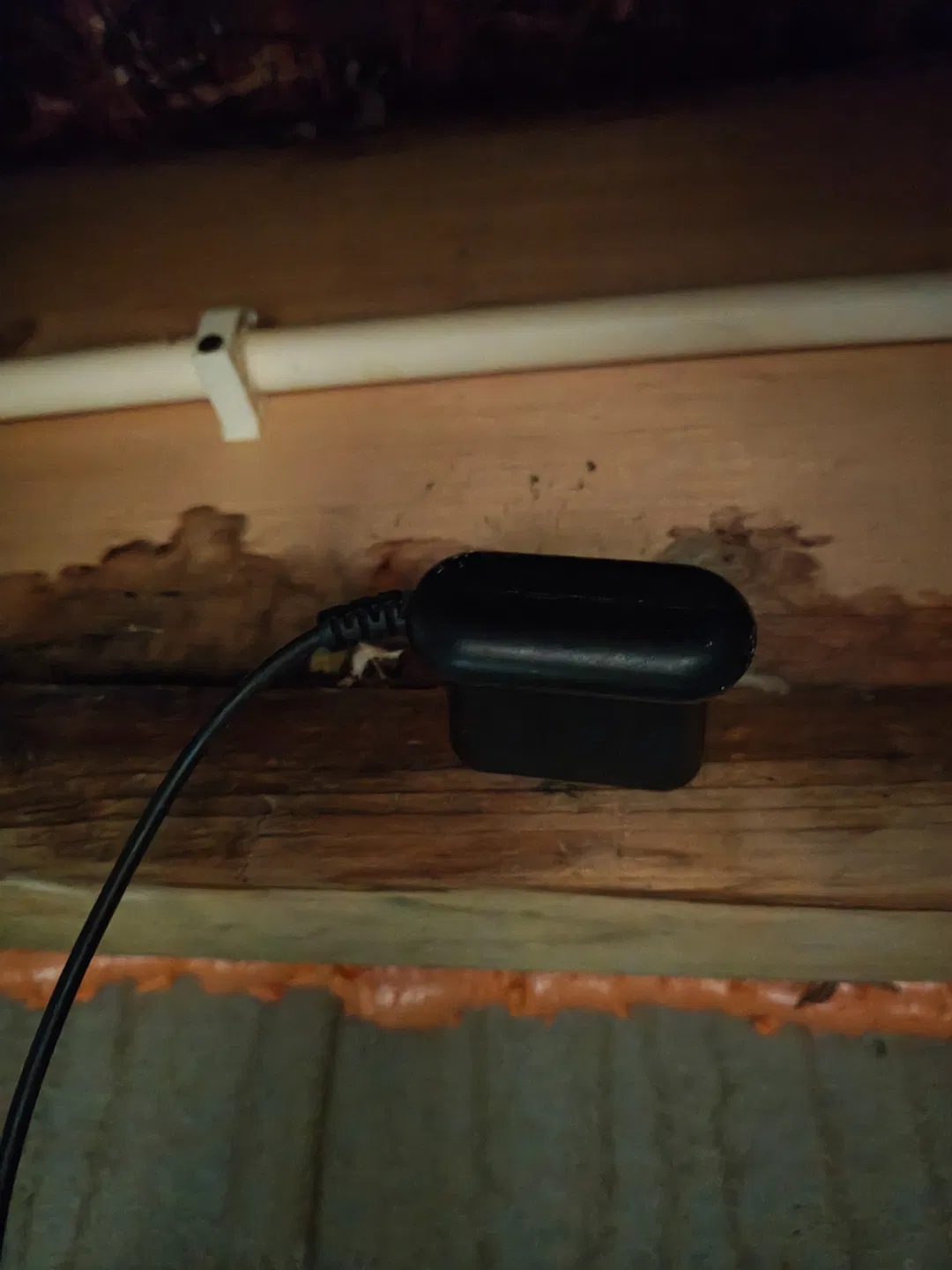
3. Look for the "Orange Creep" (Rust and Corrosion)
Take a flashlight and peer into your sump pit. Do you see a lot of orange or brown flakes? Is the metal housing of the pump looking pitted or scaly?
Sump pumps live in a damp, harsh environment. Over time, rust and corrosion can eat away at the seals and the outer casing. If the seals fail, water can get into the motor, causing a short circuit. If that happens, the pump won't just stop working: it might even trip your circuit breaker, leaving you in the dark and underwater.
While you're looking, check for "iron ochre": a slimy, orange bacteria that can build up in Bucks County soil. This stuff can clog your pump and your discharge lines. If you see significant rust or slime, it might be time to check out our story and see how we help homeowners keep their systems clean and functional.
4. Clear the Path: The Discharge Line
This is the part of the system many people forget. The pump’s job is to get the water out of the pit, but that water has to go somewhere. Usually, it’s pushed through a PVC pipe that leads outside your house.
Go outside and find where that pipe ends. Is it buried under mulch? Is there a bird's nest inside it? Is it dumping water right next to your foundation?
If the discharge line is clogged with debris or ice, the pump will work harder and harder until the motor burns out. Even worse, if the pipe isn't long enough and dumps water right against your basement wall, that water is just going to seep right back into the pit. It’s a never-ending cycle that leads to a very high electric bill and an eventual sewage clean up nightmare if the backup affects your floor drains.

5. Check Your "Life Support" (Power & Backup)
In Pennsylvania, big storms usually mean the power goes out. If your sump pump relies entirely on your home’s electricity, it becomes a very expensive paperweight the moment the lights flicker off.
Check if you have a battery backup system. If you do, check the "replace battery" light on the control box. Most of these batteries only last 3 to 5 years. If yours is older than that, it might not have the juice to keep you dry during an overnight outage.
Also, watch for "frequent cycling." If your pump is turning on and off every 30 seconds, even when it isn't raining heavily, it’s working too hard. This usually means the "check valve" (the part that prevents water from flowing back down the pipe) is broken. Replacing a $20 check valve today can save you from a $5,000 emergency flood cleanup tomorrow.
Why 48 Hours Changes Everything
Let's say the worst happens: your pump fails, and you wake up to two inches of water in your basement. You might think, "I'll deal with this over the weekend."
Don't wait.
In our humid climate, mold can begin to grow in as little as 24 to 48 hours. Once water hits your drywall and wooden studs, the clock is ticking. We recently wrote about why PA's heavier rainfall means you can't wait 48 hours anymore. If you don't get the water out immediately, you aren't just looking at water removal; you're looking at full-scale mold remediation.

Professional Help is Just a Call Away
We know that maintaining a home in places like West Chester or Media can feel like a full-time job. Between the yard work and the commute, things like sump pump health can slip through the cracks. If you've done these checks and realized your system is on its last legs: or if you’ve already found a damp spot on the carpet: give us a shout.
At My Water Damage Hero, we specialize in taking the weight off your shoulders. We handle everything from water extraction to drying out your structural beams with professional-grade dehumidifiers and air movers. We’re your neighbors, and we’re here to make sure your home stays the safe haven it’s meant to be.
Whether you need a quick inspection or a full water damage restoration plan, we’ve got the tools and the local expertise to get it done right. Check out our about us page to see the counties we serve and how we’ve helped families just like yours.
Summary Checklist for Your Bucks County Home:
Listen: No grinding or rattling.
Test: Pour 5 gallons of water and watch it pump.
Inspect: Look for rust, corrosion, or orange slime.
Clear: Ensure the outside pipe is free of debris.
Power: Verify your battery backup is charged and ready.
Taking five minutes today can save you five days of headaches later. If you have any questions or find yourself in a "watery" situation, contact us immediately. We’re available 24/7 because water damage doesn’t wait for business hours, and neither do we!

Stay dry, Bucks County! And remember, a little prevention goes a long way in keeping your home a hero-level sanctuary. If you're looking for more ways to protect your property, check out our guide on creating a 5-minute daily water damage prevention routine. It's easier than you think!
Comments