DIY Mold Test Kits vs. Professional Mold Inspections: Which is Better for Your Local Home?
- info603880
- Jan 19
- 5 min read
So you've spotted something suspicious growing in your basement. Maybe there's a musty smell in your bathroom that just won't quit. Or perhaps you recently dealt with a leak and now you're worried about what might be lurking behind your walls.
The big question hits: should you grab a DIY mold test kit from the hardware store, or call in the pros for a full mold inspection?
If you're a homeowner in Montgomery County, Berks County, Bucks County, Delaware County, or Chester County, you're not alone in asking this question. Mold is incredibly common in our region, especially with our humid summers and older housing stock. Let's break down the real differences so you can make the smartest choice for your home and your family.
The Appeal of DIY Mold Test Kits
We get it. DIY mold testing sounds pretty attractive at first glance. You pop into your local hardware store, grab a kit for somewhere between $10 and $50, and you're on your way. No appointments, no waiting, no strangers walking through your house.
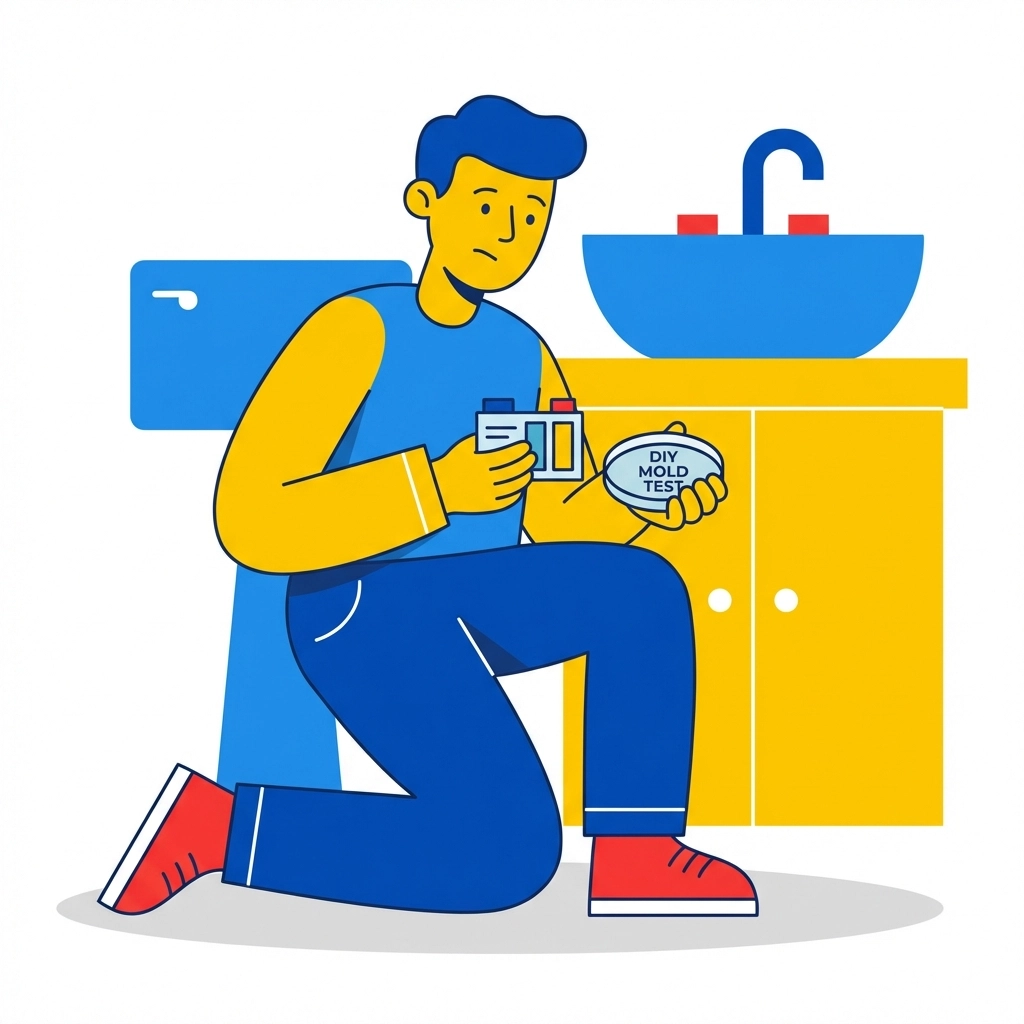
These kits typically work in one of two ways. Some use petri dishes that you leave out to collect airborne spores. Others come with swabs for testing visible spots directly. You collect your samples, send them off to a lab (or wait for results at home), and boom, you've got answers. Or do you?
Here's the thing about DIY kits:
They're budget-friendly and readily available
Results come back relatively quickly
They can confirm whether mold spores exist in a tested area
Great for peace of mind after a minor concern
For a quick gut-check on a small, isolated issue, DIY kits can serve a purpose. If you're just doing routine maintenance checks or want to see if that spot behind the toilet is actually mold, a kit might satisfy your curiosity.
The Problem with Going DIY
But here's where things get tricky. DIY mold test kits have some pretty significant blind spots that most homeowners don't realize until it's too late.
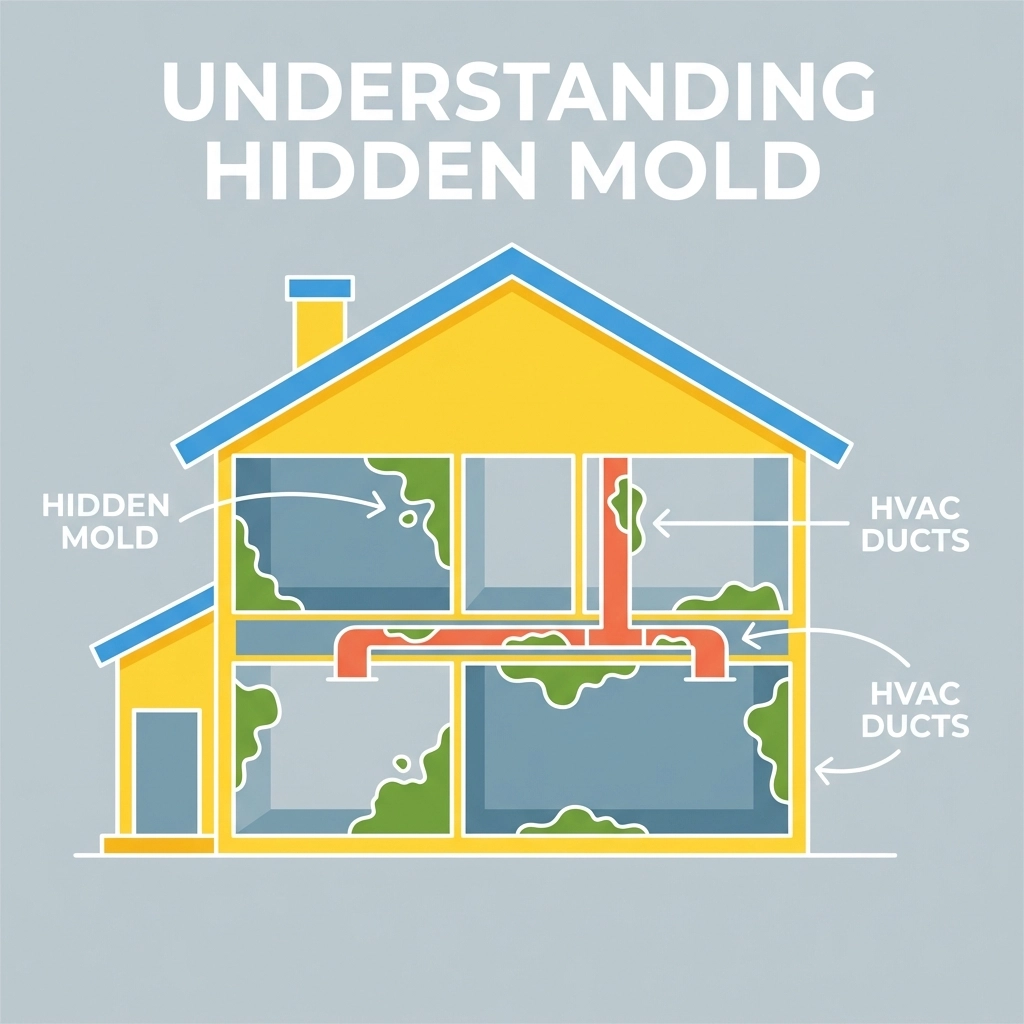
They only test where you test. If mold is hiding in your HVAC system, inside your walls, or under your flooring, a DIY kit won't find it. You're essentially looking for a needle in a haystack with a magnifying glass instead of a metal detector.
False results happen more than you'd think. These kits can produce both false positives and false negatives. A false positive might send you into panic mode over nothing. A false negative? That could mean a serious mold problem goes completely undetected while it spreads.
No outdoor comparison samples. This is a big one. Professional mold testing always compares indoor spore counts to outdoor levels. Why? Because mold spores exist everywhere outdoors, that's totally normal. The real question is whether your indoor levels are elevated compared to outside. DIY kits skip this crucial step entirely.
Interpretation is everything. Even if your DIY test comes back showing mold spores present, what does that actually mean? What type of mold is it? How severe is the contamination? What's causing it? A positive result without context doesn't tell you what to do next.
What Professional Mold Inspections Actually Include
When you hire a certified professional for mold testing and mold inspections, you're getting a completely different experience. Think of it like the difference between taking your own blood pressure at the pharmacy versus getting a full physical from your doctor.
A thorough professional inspection typically includes:
Visual assessment of your entire property, not just the obvious spots
Moisture mapping using specialized equipment to find hidden water sources
Air quality sampling from multiple locations throughout your home
Surface sampling of suspicious areas
HVAC system inspection where mold loves to hide and spread
Outdoor comparison samples for accurate baseline readings
Detailed lab analysis identifying specific mold species
A comprehensive report explaining findings and recommended next steps
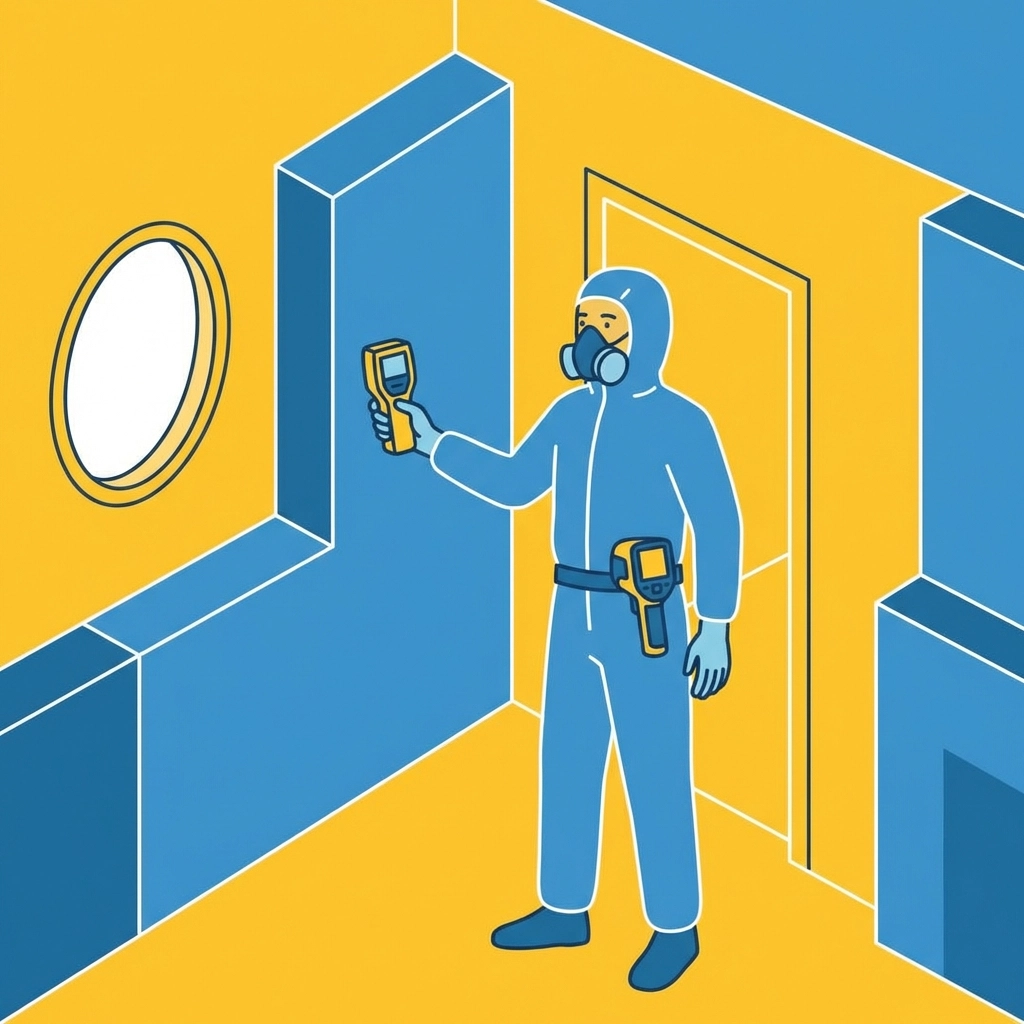
Professionals also have access to tools you simply can't buy at Home Depot. Infrared cameras can detect moisture behind walls without cutting into drywall. Commercial-grade air sampling pumps collect more accurate data than passive petri dishes. And perhaps most importantly, trained inspectors know exactly where to look based on years of experience.
When DIY Testing Makes Sense
Let's be fair, there are situations where a DIY mold test kit is a reasonable first step:
You're on a tight budget and just want to rule out a minor concern
You've already had professional remediation and want to do periodic spot-checks
You're dealing with a very small, visible area and need quick confirmation
You're preparing to sell your home and want preliminary results before listing
If any of these sound like your situation, a DIY kit won't hurt. Just understand its limitations and be prepared to follow up with professional mold inspections if results are concerning or inconclusive.
When You Absolutely Need Professional Mold Inspections
There are times when skipping straight to professional help is the only smart move:
You smell mold but can't see it. That musty, earthy odor means mold is somewhere, you just haven't found it yet. Professionals have the tools and training to track it down.
You've had recent water damage. Whether it was a burst pipe, flooding, or a roof leak, water damage and mold go hand in hand. If you've dealt with water issues, mold testing should be on your radar. Check out our water damage restoration tips for more guidance.
Someone in your home has unexplained health issues. Respiratory problems, allergies that won't quit, headaches, or fatigue can all be linked to mold exposure. When health is on the line, accuracy matters.
You're buying or selling a home. Real estate transactions in Montgomery, Bucks, Berks, Delaware, and Chester counties often involve mold concerns, especially in older properties. Professional documentation protects everyone involved.
You need results for insurance or legal purposes. DIY test results won't hold up when you need official documentation. Only certified professional inspections provide the credibility required for claims or disputes.
The Cost Factor: What Are You Really Paying For?
Yes, professional mold inspections cost more upfront than a $30 kit from the store. But consider what you're actually paying for:
Accuracy that prevents costly mistakes
Expertise in identifying mold species and severity
Comprehensive coverage of your entire home
Actionable recommendations specific to your situation
Documentation that holds up when you need it
Think of it this way: would you rather spend $30 and get a questionable answer, or invest in certainty? Mold remediation can cost thousands of dollars. Getting the diagnosis right the first time saves money in the long run.
A Local Team That Understands Your Home
Here at My Water Damage Hero, we're a local, family-owned company serving homeowners throughout Montgomery County, Berks County, Bucks County, Delaware County, and Chester County. We know the housing stock in this area: from century-old farmhouses to 1970s split-levels to brand-new construction. Each comes with its own mold risks and challenges.
Our team provides thorough mold testing and inspection services designed to give you real answers and clear next steps. No scare tactics, no unnecessary upselling: just honest assessments from people who live and work in your community.
The Bottom Line
DIY mold test kits have their place for quick, budget-conscious checks on minor concerns. But when accuracy matters: when your family's health, your home's value, or significant remediation decisions are on the line: professional mold inspections are worth every penny.
Here's our honest advice: If you're worried enough to test for mold in the first place, you probably want answers you can trust. And that's exactly what professional mold testing delivers.
Got questions about mold in your home? We're just a phone call away. As your neighbors here in southeastern Pennsylvania, we're always happy to chat through your concerns and help you figure out the best path forward.
Comments