The Ultimate Guide to Water Damage Restoration in Lehigh County: Everything You Need to Succeed After a Leak
Waking up to the sound of "sploosh" instead of your alarm clock is a nightmare no Lehigh County homeowner wants to experience. Whether it’s a burst pipe in Allentown, a heavy rainstorm flooding your basement in Bethlehem, or a hidden leak in Emmaus, water damage is stressful, messy, and honestly, a bit overwhelming.
But here’s the good news: you don't have to face it alone. While the sight of standing water might make you want to panic, staying calm and taking the right steps can save your home and your sanity. In this guide, we’re going to walk you through everything you need to know about water damage restoration, from those frantic first few minutes to the moment your home feels like home again.
Step 1: The Golden Hour: What to Do Immediately
When water starts invading your space, the clock starts ticking. Every minute that water sits on your floors or inside your walls, the damage increases. Here’s your 5-minute emergency action plan:
Stop the flow: If the water is coming from a pipe or appliance, shut off your main water valve immediately.
Safety first: If the water is high enough to reach electrical outlets, do not enter the room. Turn off the power at the breaker box if it's safe to reach.
Call the pros: This isn't just a DIY job. You need an emergency flood cleanup team on the way.
Snap some photos: Before you start moving things, take pictures for your insurance company. This is crucial for your claim!
Lift and protect: Move small furniture, rugs, and electronics to a dry area. Put aluminum foil or plastic wrap under the legs of heavy furniture to prevent wood stains on your carpet.
For a more detailed breakdown of what to do in those first chaotic moments, check out our quick start guide to emergency flood cleanup in SEPA.

Understanding the "Three Colors" of Water Damage
Not all water is created equal. Before you grab a mop, you need to know what you’re dealing with. In the restoration industry, we categorize water into three types to determine the safety level and the cleanup method.
Category 1: Clean Water. This comes from a broken supply line or a leaking faucet. It’s generally safe to handle, but if it sits for more than 24 hours, it can quickly turn into Category 2.
Category 2: Gray Water. This might contain chemical or biological contaminants. Think of water from your dishwasher, washing machine, or a toilet overflow (without feces). It requires careful handling and professional cleaning.
Category 3: Black Water. This is the dangerous stuff. We're talking about sewage cleanup or rising floodwaters from rivers and streams. This water is filled with bacteria, viruses, and toxins. Do not attempt to clean this yourself. You need a professional team with specialized gear to handle Category 3 water safely.
If you're wondering what your insurance covers when it comes to the "gross stuff," you might find our article on sewage backup vs. water damage insurance very helpful.
The Professional Restoration Process: How It Works
So, you’ve called My Water Damage Hero: what happens next? We don't just show up with a few towels. Professional water damage restoration is a scientific process designed to save as much of your property as possible.
1. Inspection and Assessment
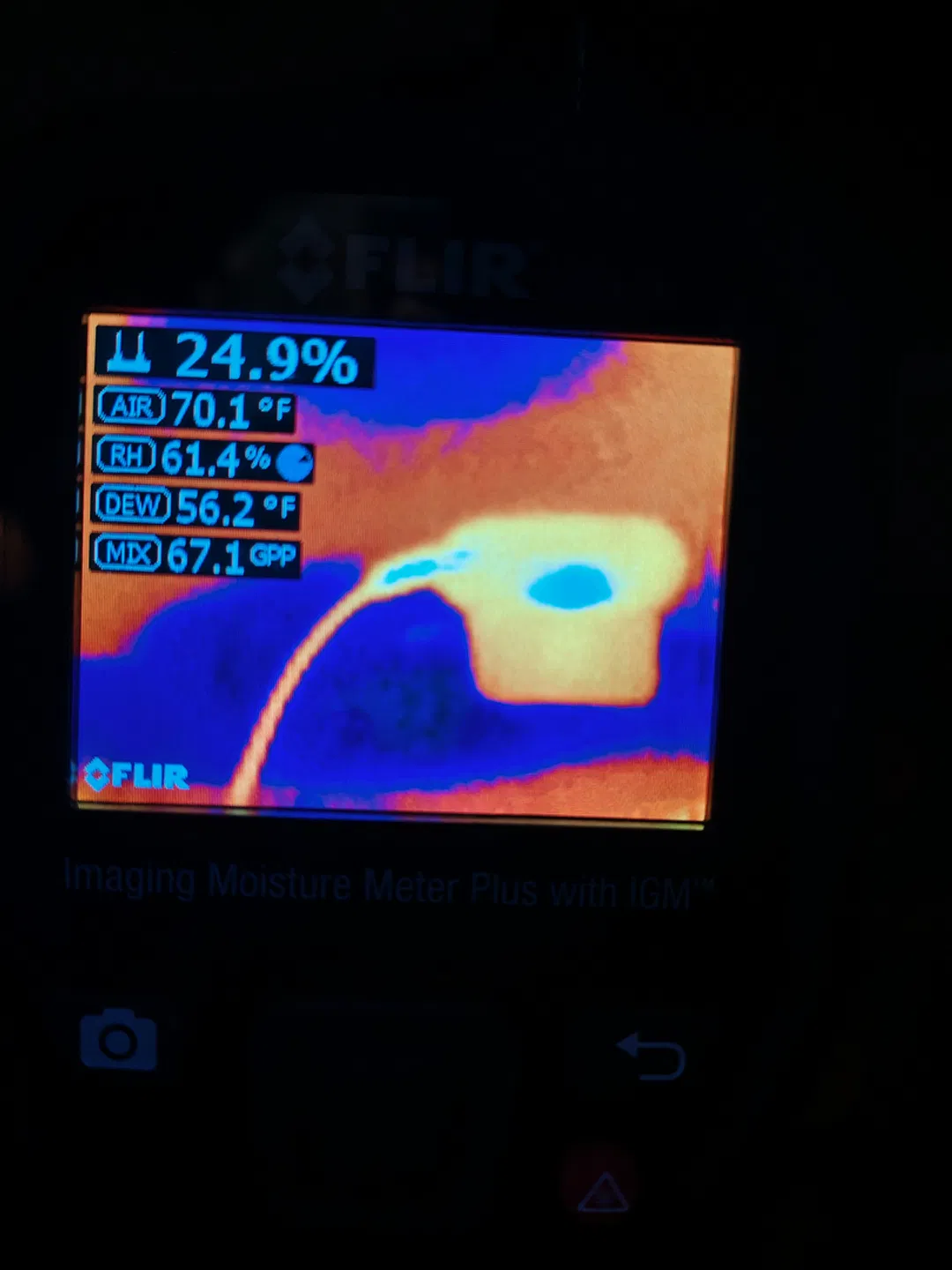
We use high-tech tools like moisture meters and infrared cameras to find water hiding behind walls and under floors. Just because it looks dry doesn't mean it is.
2. Water Extraction
We use industrial-strength pumps and vacuums to remove thousands of gallons of water in a fraction of the time it would take a shop-vac. Removing the bulk of the water quickly is the best way to prevent mold.
3. Structural Drying and Dehumidification
Once the standing water is gone, the real work begins. We set up high-velocity air movers and industrial dehumidifiers. This isn't just about the air; it's about pulling the moisture out of the studs, the subfloor, and the drywall. For some extra DIY tips on this, read our 5 water extraction service tips for Pennsylvania homeowners.
4. Cleaning and Sanitizing
Water damage often brings odors and bacteria. We use hospital-grade antimicrobials to ensure your home isn't just dry, but safe for your family to live in.
Why Lehigh County Homes Face Unique Risks
Living in the Lehigh Valley is great, but our weather and geography can be tough on houses. Between the heavy spring rains and the freezing winters that lead to burst pipes, our homes take a beating.
Many neighborhoods in Lehigh County have older plumbing systems that are prone to failure. Plus, our local soil can sometimes lead to basement seepage during heavy storms. This is why having a local expert who understands the specific challenges of PA homes is so important. We know the difference between a little condensation and a serious structural threat.
The Clock is Ticking: Why You Can’t Wait 48 Hours
Here is a fact that surprises many homeowners: mold can begin to grow within 24 to 48 hours of a water intrusion. Once mold takes hold, your "water problem" becomes a "mold problem," which is often much more expensive and difficult to fix.
Mold remediation involves more than just spraying some bleach. It requires containing the area, using HEPA filtration to scrub the air, and physically removing contaminated materials. Because of the recent trends in PA's weather, including heavier-than-average rainfall, the window for action has gotten even smaller.
If you want to understand more about why our local climate is making mold a bigger threat, check out our post on mold remediation and PA's heavier rainfall.

Navigating the Insurance Maze
Dealing with insurance is often the most stressful part of the restoration process. Many homeowners worry about whether their policy covers "gradual" damage versus "sudden and accidental" damage.
Here’s a tip from the pros: documented proof is your best friend. That’s why we take extensive photos and moisture readings throughout the entire process. We work directly with your insurance company to provide them with the professional documentation they need to process your claim smoothly.
Prevention: Your Best Defense
While we’re always here to help when things go wrong, we’d much rather help you prevent a disaster in the first place. A few minutes of prevention can save you thousands of dollars in restoration costs.
Check your sump pump: Especially before a big Lehigh Valley storm. Test it by pouring a bucket of water into the pit to make sure it kicks on.
Inspect appliance hoses: Check the lines to your washing machine and refrigerator every few months for cracks or bulges.
Clean your gutters: Clogged gutters can cause water to pool at your foundation and seep into your basement.
Know your shut-off: Make sure everyone in the house knows where the main water shut-off valve is located.
Want to get organized? We've put together a 5-minute flood-proof checklist that works perfectly for Lehigh County residents too!
Why Choose a Hero?
When your home is underwater, you don't just need a contractor; you need a hero. At My Water Damage Hero, we treat your home like it’s our own. We understand the stress of a flooded basement or a soggy ceiling, and we pride ourselves on being the friendly, expert neighbors you can count on 24/7.
From the first call to the final inspection, we’re with you every step of the way. We handle the dirty work, the heavy lifting, and the technical drying so you can focus on getting your life back to normal.
Final Thoughts for Lehigh County Residents
Water damage is a major disruption, but it doesn't have to be a permanent disaster. By acting fast, choosing the right professionals, and staying informed, you can navigate the restoration process with confidence.
Whether you’re in Allentown, Bethlehem, or anywhere in the surrounding counties like Bucks, Montgomery, or Berks, remember that help is just a phone call away. Don’t let a leak dampen your spirits: we’ve got the tools, the expertise, and the "heroic" dedication to make things right again.
Stay dry, Lehigh County!
Comments