How to Create a 5-Minute "Flood-Proof" Checklist for Your Montgomery County Home
- info603880
- Apr 13
- 5 min read
Let’s be honest: nobody wakes up in Montgomery County thinking, "Today seems like a great day for a flooded basement." But as we know all too well in Southeastern PA, the weather doesn't always check in with our plans. Whether it’s a sudden spring downpour in Lansdale or a heavy storm rolling through Norristown, water has a sneaky way of finding its way into your home.
The good news? You don’t need a weekend-long DIY project to protect your property. In fact, you can significantly lower your risk of needing an emergency flood cleanup with just five minutes of effort.
At My Water Damage Hero, we’ve seen how a few small habits can be the difference between a dry home and a call for water damage restoration. Let’s dive into how you can create a 5-minute "flood-proof" checklist that actually works.
Why Five Minutes is Your Secret Weapon
It sounds too simple, doesn't it? But here’s the thing: most major water damage incidents are caused by small issues that were ignored or unnoticed. A clogged gutter, a downspout facing the wrong way, or a sump pump that’s decided to take a permanent vacation.
By spending five minutes today, you aren't just "checking boxes." You are building a shield around your home. If you live in Montgomery, Berks, Bucks, Delaware, or Chester County, you know our weather can turn on a dime. Being proactive is the smartest way to avoid the stress of a "wet basement" emergency.
The 5-Minute "Outside-In" Checklist
We recommend doing this quick sweep once a week or whenever a big storm is in the forecast. Put your timer on and let’s go!
1. The Gutter and Downspout Glance (2 Minutes)
Walk around the perimeter of your house. Are your gutters overflowing with leaves or those pesky "helicopter" seeds from the maple trees? If water can't flow through the gutters, it’s going to pour over the sides and pool right at your foundation.
While you're at it, check your downspouts. They should be clear of debris and extending at least 3 to 4 feet away from your home’s foundation. If they’re dumping water right at the base of your wall, you're practically inviting a flood into your basement.

2. The Foundation Scan (1 Minute)
As you walk around, look for any new cracks in your foundation or gaps around basement windows and doors. Water is lazy: it will always take the path of least resistance. If there's a tiny crack, it will find it. Noting these early allows you to seal them before the next big rain.
3. Move the High-Value "Floor Dwellers" (1 Minute)
Head down to your basement or lowest level. Look at what’s sitting directly on the concrete floor. Cardboard boxes full of old photos? Important documents? Electronics?
Spend sixty seconds moving the most valuable or sentimental items to a higher shelf or onto plastic pallets. If a small leak happens, you’ll be glad your memories aren't soaking in a puddle. This simple habit is one of the top daily habits to master your home safety.
4. The Sump Pump "Quick Test" (1 Minute)
If you have a sump pump, it’s your basement’s best friend. Check to make sure it’s plugged in and the area around it is clear. If you have an extra few seconds, pour a bucket of water into the pit to make sure the float triggers the pump to turn on. If it doesn't hum to life, you know you’ve got a problem before the rain starts falling.
Taking it Further: Smart Tech for Your Home
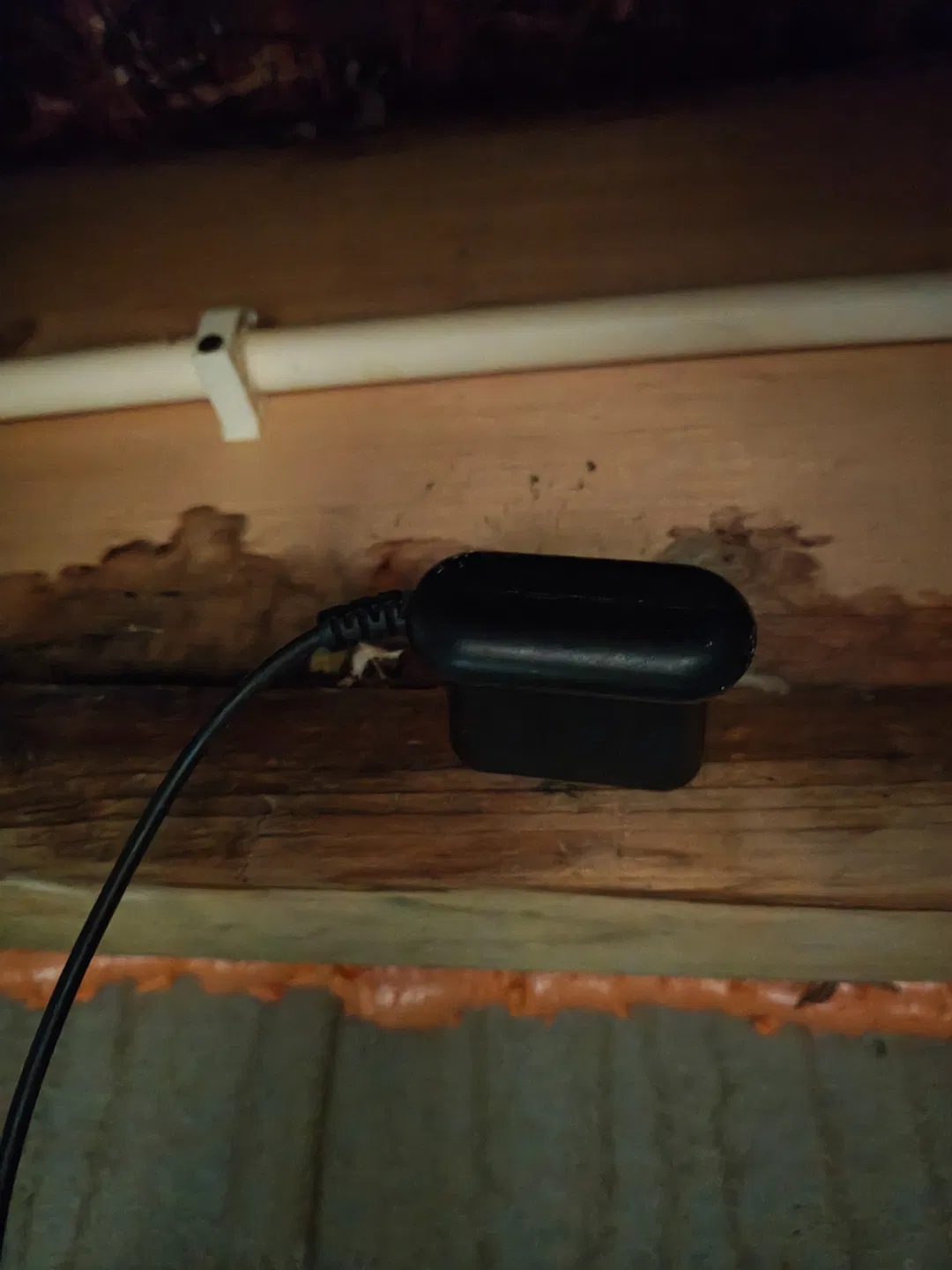
If you want to feel even more secure, consider adding some tech to your 5-minute routine. Water detection sensors are a total game-changer. These small, battery-operated devices can be placed near your water heater, sump pump, or washing machine.
If they detect moisture, they’ll send an alert straight to your phone. This gives you the chance to act fast: potentially avoiding the need for full-scale water extraction services.
Local Resources You Should Use
Being a Montgomery County resident means you have access to some great local tools. Have you checked out the Montgomery County Community Preparedness App? It’s a great way to get timely flood warnings and weather alerts specific to our area.
Also, it’s worth taking a look at your flood risk. Standard homeowners insurance often doesn't cover flood damage, so understanding your property's elevation compared to your neighbors' can help you decide if you need extra coverage. For more on this, check out our post on insurance and sump pump failures.
When the 5-Minute Checklist Isn't Enough
Sometimes, despite our best efforts, Mother Nature wins. Or maybe a pipe bursts while you're at work. If you walk into your home and find standing water, don't panic: but do act quickly.
The first 24 to 48 hours are critical. That is the window where mold remediation becomes a necessity rather than just a precaution. Mold loves damp, dark spaces, and it doesn't take long for it to start growing on drywall and carpeting.
If you're dealing with a backup, remember that sewage clean up is not a DIY job. Sewage contains harmful bacteria and pathogens that require professional-grade cleaning agents and safety gear. It’s always better to be safe and call in the pros for anything involving "black water."
Why Professionals Make the Difference
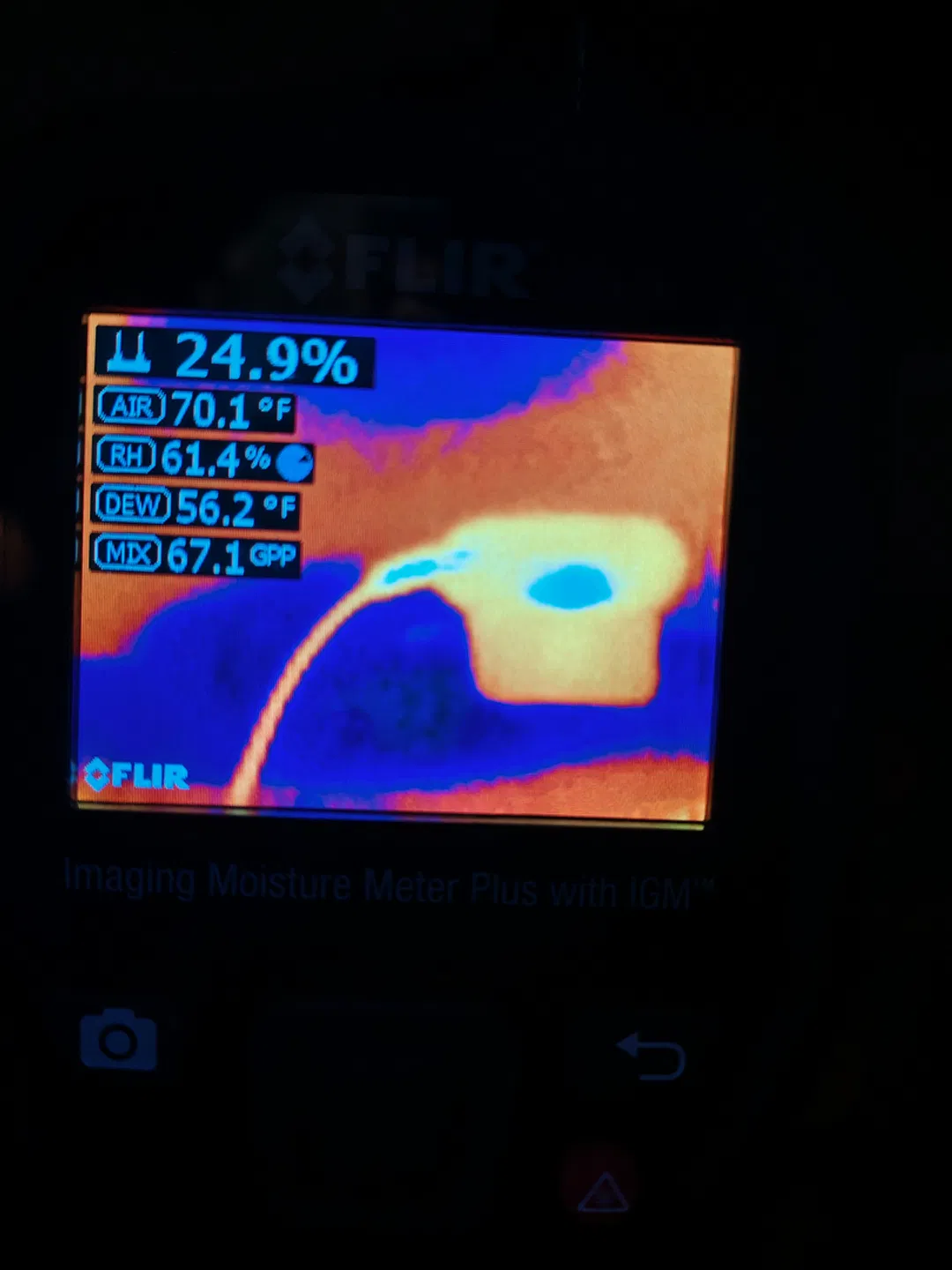
You might be tempted to just rent a shop-vac and call it a day. But water is tricky. It hides behind baseboards, under floorboards, and inside wall cavities. Professionals use tools like moisture meters and thermal imaging cameras (like the one shown above) to find hidden pockets of water that the naked eye can’t see.
If that water isn't fully removed, you’re looking at structural damage and long-term air quality issues down the road. Our team at My Water Damage Hero is ready 24/7 to help neighbors in Montgomery, Delaware, and Chester counties get their lives back to normal.

Your 5-Minute Flood-Proof Recap
To make it easy, here is your ready-to-go checklist. Save this on your phone or print it out and stick it on your fridge!
Check Gutters: Clear of leaves and debris?
Check Downspouts: Pointing at least 3-4 feet away from the foundation?
Outside Scan: Any new cracks in the foundation or gaps around windows?
Inside Scan: Are valuables off the floor and in waterproof bins?
Sump Pump: Is it plugged in and clear of obstructions?
Vehicle Check: If you live in a low-lying area, is your car parked on higher ground?
Final Thoughts
We know how much you care about your home. It’s your sanctuary, your biggest investment, and the place where your family makes memories. Taking just five minutes a week to run through this checklist is a simple, no-cost way to protect all of that.
If you find yourself facing a water emergency, remember that you don't have to tackle it alone. Whether you need emergency flood cleanup or just have questions about a weird smell in your basement, we’re here to help.
Stay dry, Montgomery County! And remember, if water wins the battle, My Water Damage Hero is here to win the war.

Want more tips on keeping your home safe? Check out our simple 5-minute daily trick to prevent emergency flood cleanup or learn why mold remediation in Berks County is becoming more urgent due to our changing weather patterns.
Comments