The Ultimate Guide to Emergency Flood Cleanup in Delaware County: Everything You Need to Succeed When the Rain Won't Stop
- info603880
- Apr 19
- 5 min read
You’re standing at the top of your basement stairs, and instead of seeing your laundry room or home gym, you see a reflecting pool. The rain hasn't stopped for hours, the sump pump gave up the ghost, and now you’re facing a mess that feels completely overwhelming.
If you're a homeowner in Delaware County, you know our weather can be unpredictable. Whether it’s a sudden summer downpour or a lingering Nor'easter, water has a way of finding its way into the places it shouldn't.
First things first: take a deep breath. Panic is a natural reaction, but we're going to get through this together. This guide is your roadmap for emergency flood cleanup. We’ll walk through the safety steps, the cleanup process, and how to make sure your home stays healthy and dry for the long haul.
Safety First: Don’t Dive In Just Yet
Before you grab a bucket and start scooping, we need to talk about safety. Floodwater isn't just "water." It can carry bacteria, chemicals, and hidden dangers that you can't see with the naked eye.
Check the Power: Never enter a flooded room if the electricity is still on. If your circuit breaker is in a dry area, shut off the power to the affected zones. If the breaker box is in the water, do not touch it. Call an electrician or your utility provider immediately.
Gear Up: You need protection. Wear sturdy rubber boots, heavy-duty gloves, and a mask (preferably an N95) to avoid breathing in spores or contaminants.
Watch for Structural Damage: Is the ceiling sagging? Are the stairs feeling "spongy"? If the structure looks compromised, stay out and call in the pros.

The 48-Hour Golden Window
When it comes to water damage restoration, time is your biggest enemy. You have a roughly 24 to 48-hour window before mold starts to take up permanent residence in your walls and floors.
Mold remediation is much more expensive and complicated than simple drying, so moving fast is the smartest thing you can do for your wallet and your health. If you can't get the water out and the area dry within two days, you’re almost guaranteed to deal with mold growth.
Step 1: Document Everything
Before you move a single piece of furniture, grab your phone. Take photos and videos of everything. Your insurance company will need proof of the water levels and the damage to your belongings.
Capture the "high-water mark" on the walls.
Document damaged appliances, electronics, and furniture.
Don't throw anything away until your adjuster says it's okay, unless it's a health hazard (like wet food).
For more tips on handling the early stages of a disaster, check out our quick start guide to emergency flood cleanup.
Step 2: Stop the Source and Remove Standing Water
If the flooding is from a burst pipe, shut off the main water valve. If it’s from heavy rain in Delaware County, you’ll need to wait for the rain to subside or use a submersible pump.
For a few inches of water, a wet/dry vac can work wonders. But if you’re looking at significant flooding, you’ll need professional-grade extraction equipment. Standard shop vacs just can't keep up with the volume of a truly flooded basement.
If your sump pump failed, you might want to read up on why it happened to prevent a repeat performance.

Step 3: Sort the "Keepers" from the "Tossers"
This is the hardest part of emergency flood cleanup. You have to decide what can be saved.
Porous Materials: Items like drywall, insulation, and carpeting are like sponges. If they’ve been soaked in contaminated floodwater (especially if it involves a sewage clean up situation), they almost always have to go.
Hard Surfaces: Concrete, metal, and solid wood can often be cleaned and disinfected.
Electronics: If they got wet while plugged in, they are likely toast. Even if they dry out, the minerals in the water can cause corrosion later.
If you're wondering about your rugs, we have a specific guide on saving carpets in Delaware County.
Step 4: The Science of Drying
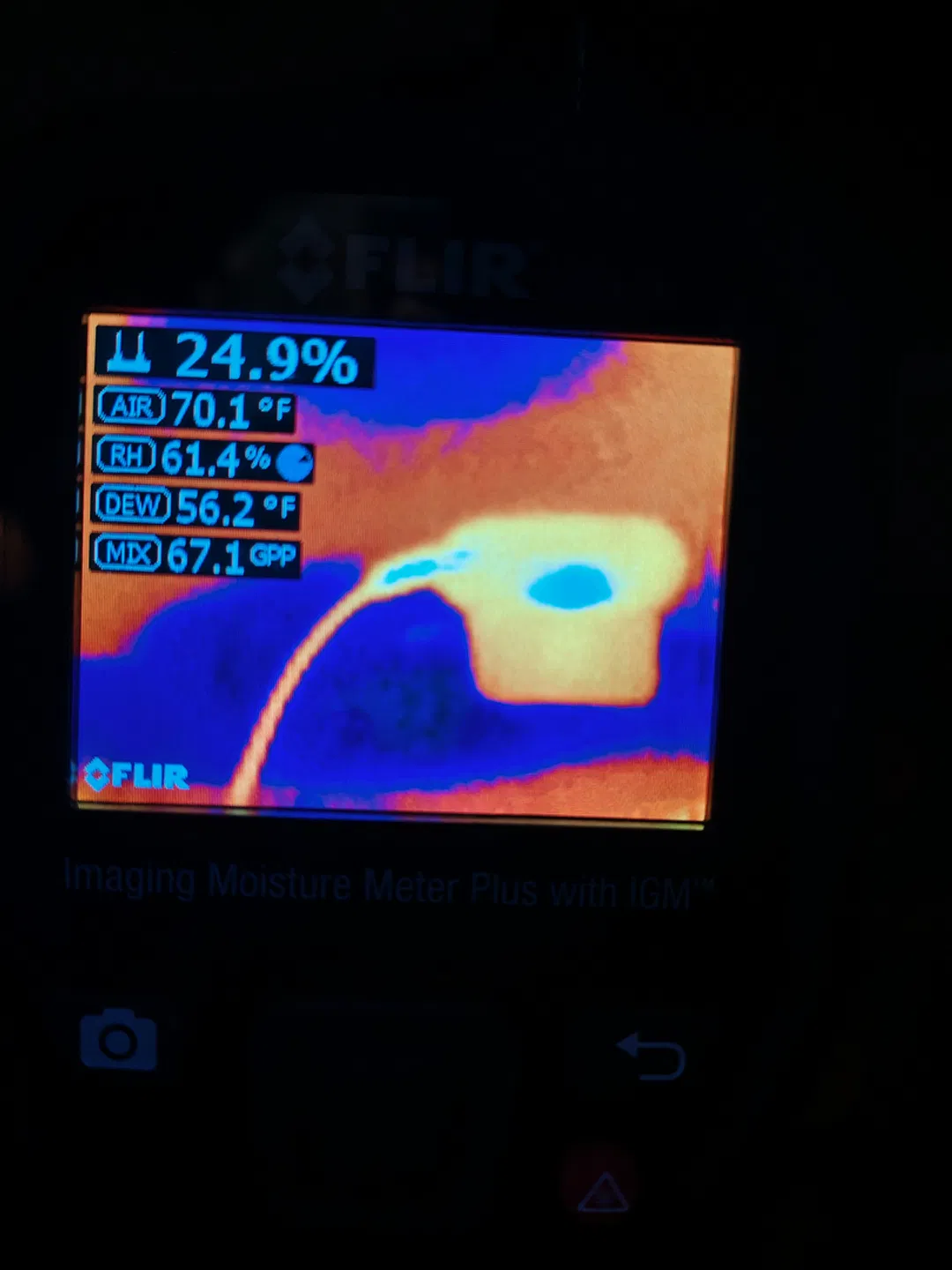
"Dry to the touch" is a lie. Your carpet might feel dry, but the wooden subfloor underneath could still be soaking wet. This is where moisture meters and FLIR (thermal imaging) technology come in. Professionals use these tools to find hidden pockets of water behind walls or under floors.
To dry your home effectively:
Airflow is Key: Use high-velocity air movers. Standard household fans won't cut it.
Dehumidify: You need to pull the moisture out of the air. Keep windows and doors closed when running industrial dehumidifiers to create a "drying envelope."
Check Progress: Use a moisture meter to ensure the levels are dropping daily.
Step 5: Clean and Disinfect
Once the water is gone and the area is drying, it’s time to scrub. Floodwater often carries pathogens. Use a professional-grade disinfectant to kill bacteria and viruses.
A word of warning: Never mix bleach with ammonia. This creates toxic fumes that can be fatal. Stick to one cleaning product and ensure the area is well-ventilated. If you’re dealing with a backup, a professional sewage clean up is strongly recommended because of the high risk of hepatitis and other nasty bugs.
When to Call in the Heroes
Look, we’re all for a good DIY project. But water damage restoration is one of those things where "doing it yourself" can actually cost you more in the long run. If you miss one damp spot behind a baseboard, you could end up with a massive mold problem three months from now.
You should definitely call for help if:
The water is more than an inch deep.
The water is "black" (sewage) or "gray" (laundry/dishwasher backup).
You see mold growth already beginning.
The water has reached the drywall or electrical outlets.
If you're feeling unsure, you can learn more about water damage restoration secrets to see how the pros handle it.

Local Resources for Delaware County Residents
We love our community, and we want to make sure you have every resource available. If you're dealing with a widespread local disaster:
Crisis Cleanup Hotline: Reach out at 1-844-965-1386. Local volunteer groups often assist with mucking out homes and removing debris.
Delco Emergency Management: Report your damage to your local municipality. This helps the county qualify for state and federal aid.
Municipal Services: Call 311 for guidance on gas service restoration or electrical inspections if your systems were submerged.
Prevention: The Best Cleanup is the One You Don't Have to Do
Once the dust (and water) settles, it's time to flood-proof.
Check Your Gutters: Make sure they lead water at least 6-10 feet away from your foundation.
Install a Battery Backup: Your sump pump is only as good as the power running it. A battery backup is a lifesaver during Delco storms.
Routine Checks: Spend 5 minutes every few weeks checking for leaks. Not sure where to start? We’ve got a 5-minute leak check routine just for you.
Wrapping It Up
Dealing with a flood is a marathon, not a sprint. It takes patience, the right tools, and a lot of elbow grease. Whether you're in Media, Upper Darby, or Havertown, know that you don't have to do this alone.
At My Water Damage Hero, we live and work right here in the SEPA area. We know the stress of seeing your home underwater, and we’re here to help you dry out, clean up, and get your life back to normal. From mold remediation to sewage clean up, we have the expertise and the gear to handle the job safely and quickly.
Stay safe, stay dry, and remember: you’ve got a hero in your corner!

Comments