Mold Protocol Writing Explained: Why Your Remediation Project Needs a Real Plan
- info603880
- Jan 20
- 5 min read
So you've discovered mold in your home. Maybe it's lurking behind the drywall in your basement. Maybe you caught a whiff of that unmistakable musty smell in your bathroom. Whatever tipped you off, you're now staring down a mold problem: and you want it gone.
Here's the thing: getting rid of mold isn't as simple as grabbing some bleach and scrubbing away. Real mold remediation requires a real plan. That's where mold protocol writing comes in.
If you're a homeowner in Montgomery County, Berks County, Bucks County, Delaware County, or Chester County, you need to understand why a written mold remediation protocol matters. It's not just paperwork. It's the difference between actually solving your mold problem and watching it come back worse than before.
Let's break it down.
What Exactly Is a Mold Remediation Protocol?
A Mold Remediation Protocol (MRP) is basically the game plan for tackling your mold problem from start to finish. Think of it like a detailed blueprint that tells everyone involved: inspectors, contractors, and remediation crews: exactly what needs to happen, how it should happen, and in what order.
This isn't something someone scribbles on a napkin. A proper mold protocol is a comprehensive written document that follows industry standards and best practices.
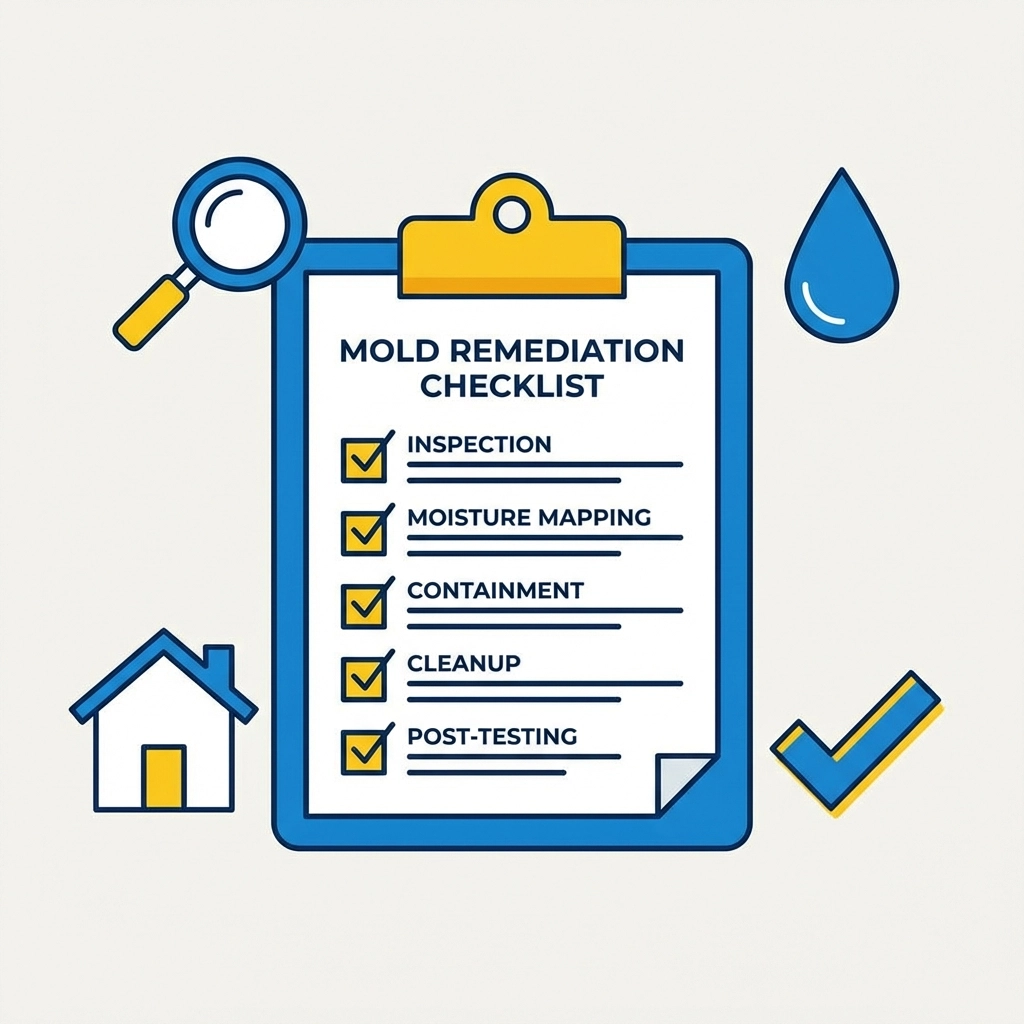
It covers everything from identifying where the mold is coming from to verifying that it's completely gone after the work is done. Without this plan in place, you're essentially flying blind. And when it comes to mold, that's a recipe for disaster.
Why Can't You Just Wing It?
We get it. You're dealing with a stressful situation, and you want it handled fast. But here's why skipping the protocol is a bad idea:
Mold spreads. During remediation, disturbing mold without proper containment can send spores flying into clean areas of your home. What started as a problem in one room can quickly become a whole-house nightmare.
The source matters. Mold doesn't just appear out of nowhere. There's always a moisture source: a leaky pipe, poor ventilation, water intrusion from outside. If you don't identify and fix that source first, your mold will come right back. A protocol ensures this step doesn't get skipped.
Your health is on the line. The number one priority during any mold remediation project is protecting the health and safety of everyone involved: you, your family, and the workers. A written protocol establishes clear safety procedures before anyone picks up a tool.
Documentation protects you. A proper protocol creates a record of everything: what was found, what was done, and proof that your home is safe to occupy afterward. This matters for insurance claims, potential real estate transactions, and your own peace of mind.
What's Actually Included in a Mold Protocol?
A well-written mold remediation protocol isn't just a vague outline. It's detailed and specific to your situation. Here's what you can expect to see:
Source Identification and Correction
Before any mold gets removed, the water or moisture problem causing it needs to be fixed. Period. This might mean repairing a roof leak, fixing plumbing issues, or addressing drainage problems around your foundation.
Containment Strategies
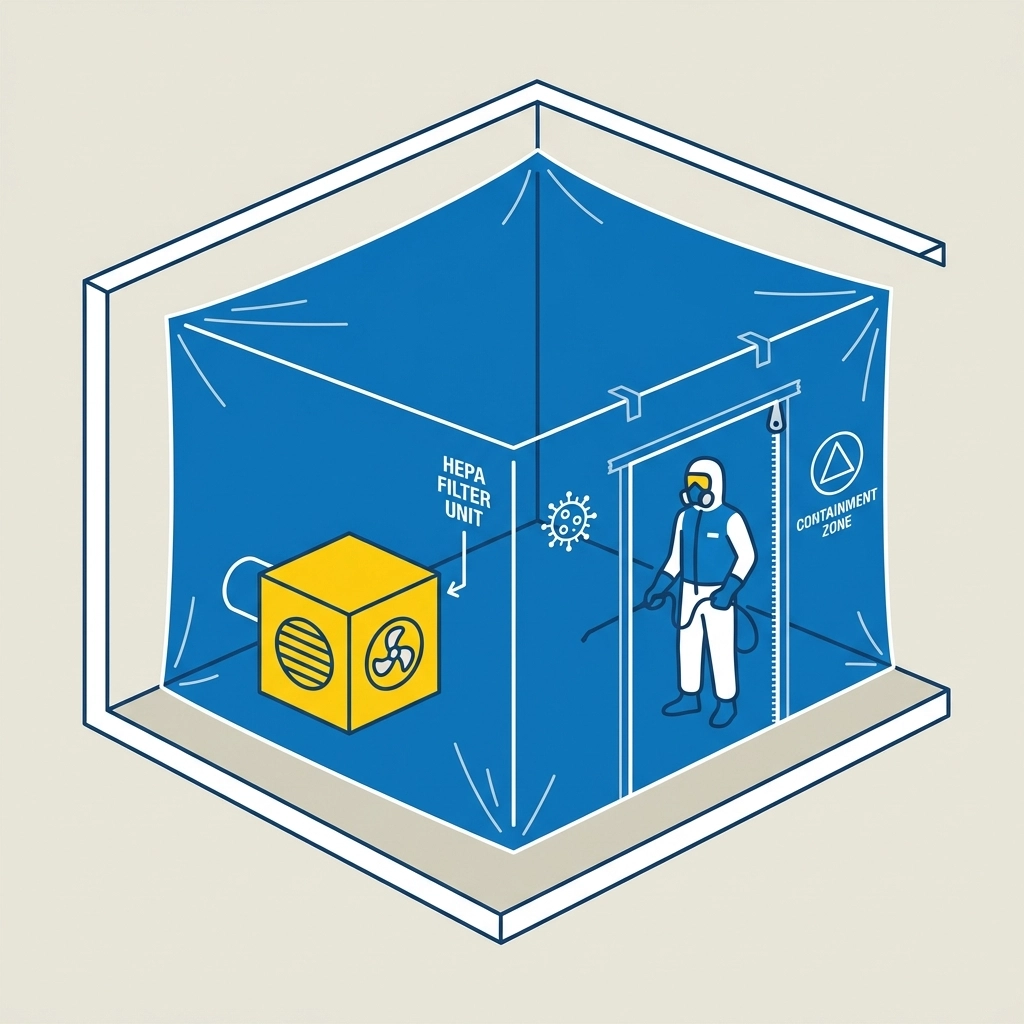
To prevent mold spores from spreading during remediation, professionals use containment measures. This typically includes 6-mil polyethylene sheeting to seal off the affected area and air filtration devices with HEPA filters to capture airborne spores.
Personal Protective Equipment (PPE) Requirements
The protocol specifies exactly what safety gear workers need to wear. We're talking respirators, gloves, protective suits: the works. This isn't optional; it's essential for keeping everyone safe.
Specific Remediation Techniques
Not all mold situations are the same. The protocol outlines techniques tailored to your specific circumstances: the type of materials affected, how extensive the contamination is, your home's construction, and other factors unique to your property.
Post-Remedial Verification
How do you know the job is actually done? A good protocol includes follow-up inspections and testing to verify that all mold has been removed and your home is safe. This step is crucial: it's your proof that the remediation worked.
Complete Documentation
Photos, written reports, detailed records of every action taken. All of this gets documented. It's not busywork; it's protection for you and evidence that the job was done right.
When Do You Actually Need a Mold Protocol?
Here's the timeline: A mold remediation protocol gets written after a qualified mold assessor conducts a thorough assessment of your home.
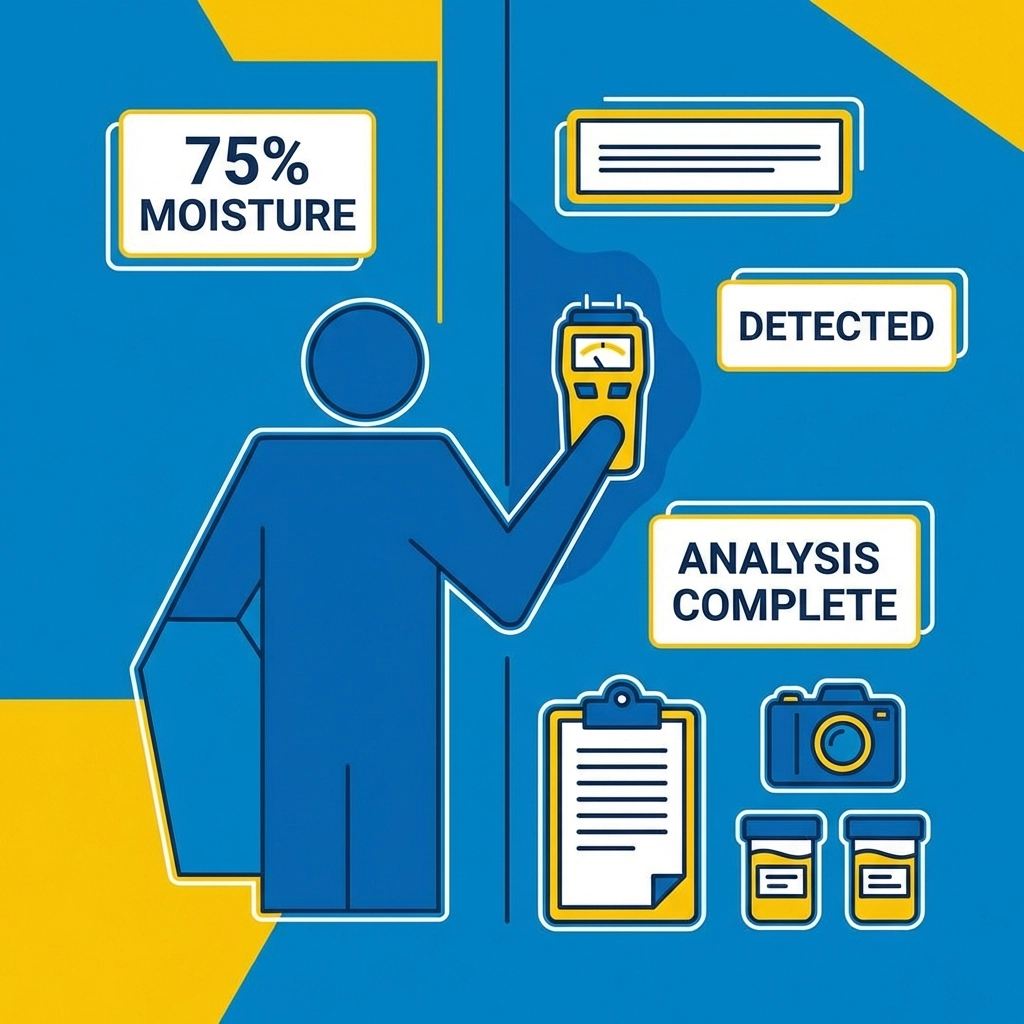
During this assessment, the inspector gathers all the information needed to create an effective plan. This includes:
Site visits to examine the affected areas
Interviews with you about what you've noticed (water damage, musty smells, health symptoms)
Room drawings to map out the contamination
Moisture readings to identify problem areas
Air and surface sampling when necessary
Once the assessment determines that there's an unacceptable amount or type of mold present, the protocol gets written. This document then guides the entire remediation process.
Why Local Expertise Matters for Your Mold Protocol
Here's something that might surprise you: mold problems in our area have their own quirks. Homes in Montgomery, Berks, Bucks, Delaware, and Chester counties deal with specific challenges: older construction, basement moisture issues common to our region, and seasonal humidity patterns that can fuel mold growth.
That's why working with a local, family-owned company makes such a difference. We know these neighborhoods. We understand the common issues homeowners around here face. And we're not some faceless corporation: we're your neighbors.
When we write a mold protocol for your home, it's customized to your specific situation. Not a generic template pulled from a database somewhere. A real plan created by people who understand local conditions and genuinely care about getting this right for you.
The Bottom Line: Don't Skip the Plan
We know discovering mold in your home is overwhelming. The urge to just make it go away as fast as possible is completely understandable. But cutting corners on mold remediation almost always backfires.
A proper mold protocol writing process ensures:
The root cause gets fixed so mold doesn't return
Contamination stays contained during removal
Everyone stays safe throughout the project
The work gets verified so you know it's actually done
You have documentation for insurance and future reference
Think of the protocol as your protection. It's the roadmap that keeps your mold remediation project on track and ensures you end up with a truly healthy home: not just a temporary fix.
Ready to Get Your Mold Problem Solved the Right Way?
If you're dealing with mold in your home and you're in Montgomery, Berks, Bucks, Delaware, or Chester County, we'd love to help. As a local, family-owned company, we take pride in doing things right: and that starts with a proper plan.
Want to learn more about how we approach restoration projects? Check out our story or reach out to us directly. We're always happy to answer questions and help you figure out your next steps.
Your home deserves a real plan. And so do you.
Comments