Looking for Sewage Clean Up? 10 Things You Need to Know Before Calling Anyone in SEPA
- info603880
- Jan 27
- 5 min read
Finding sewage in your home is nobody's idea of a good day. Whether it's a backed-up toilet, a failed septic system, or a flooded basement after a heavy storm, dealing with sewage is stressful, smelly, and honestly pretty gross.
But here's the thing, you don't have to panic. And you definitely don't have to figure this out alone.
Before you start frantically Googling "sewage clean up near me" and calling the first number that pops up, take a breath. There are some important things you should know first. As a local, family-owned restoration company serving Montgomery, Berks, Bucks, Delaware, and Chester counties, we've helped countless neighbors through exactly this situation.
Let's walk through the 10 things every SEPA homeowner needs to know before picking up the phone.
1. Sewage Is a Health Hazard, Don't Try to DIY This One
We get it. You're a capable person. You've tackled plenty of home projects before. But sewage clean up? This isn't the time for a DIY approach.
Sewage contains harmful bacteria, viruses, parasites, and other nasty contaminants that can make you seriously sick. We're talking E. coli, hepatitis, and other pathogens you really don't want to mess with.
Bottom line: Keep your family and pets away from the affected area. Don't touch anything without proper protective gear. And please, don't try to clean it up with paper towels and bleach. This requires professional-grade equipment and training.

2. Time Is Critical: The Faster You Act, the Better
Here's something a lot of folks don't realize: the longer sewage sits in your home, the worse the damage gets. We're not just talking about the smell (though that gets pretty unbearable fast).
Within 24 to 48 hours, contamination can spread to walls, flooring, and even your home's structural components. Mold can start growing. What started as a manageable cleanup can turn into a full-blown restoration project.
So when you discover sewage in your home, don't wait until Monday morning to deal with it. Time matters.
3. Look for 24/7 Emergency Services
Sewage backups don't happen on a convenient schedule. They hit at 2 AM on a Sunday. They happen on holiday weekends. They show up right when you're about to host your in-laws for dinner.
That's why you want a sewage clean up company that offers true 24/7 emergency response. Not one that says "leave a message and we'll call you back during business hours." You need someone who answers the phone and shows up when you need them.
Here in Montgomery, Berks, Bucks, Delaware, and Chester counties, we know how important fast response times are. When your neighbor needs help, you show up. Period.
4. Certification and Training Actually Matter
Not all restoration companies are created equal. When you're dealing with something as hazardous as sewage, you want technicians who know what they're doing.
Look for companies with IICRC certification (that's the Institute of Inspection, Cleaning and Restoration Certification). This means their team has been trained in industry standards for water damage and sewage cleanup.
Ask questions like:
Are your technicians certified?
What training does your team have?
How long have you been doing this?
A reputable company won't mind answering. In fact, they'll be happy to explain their process.
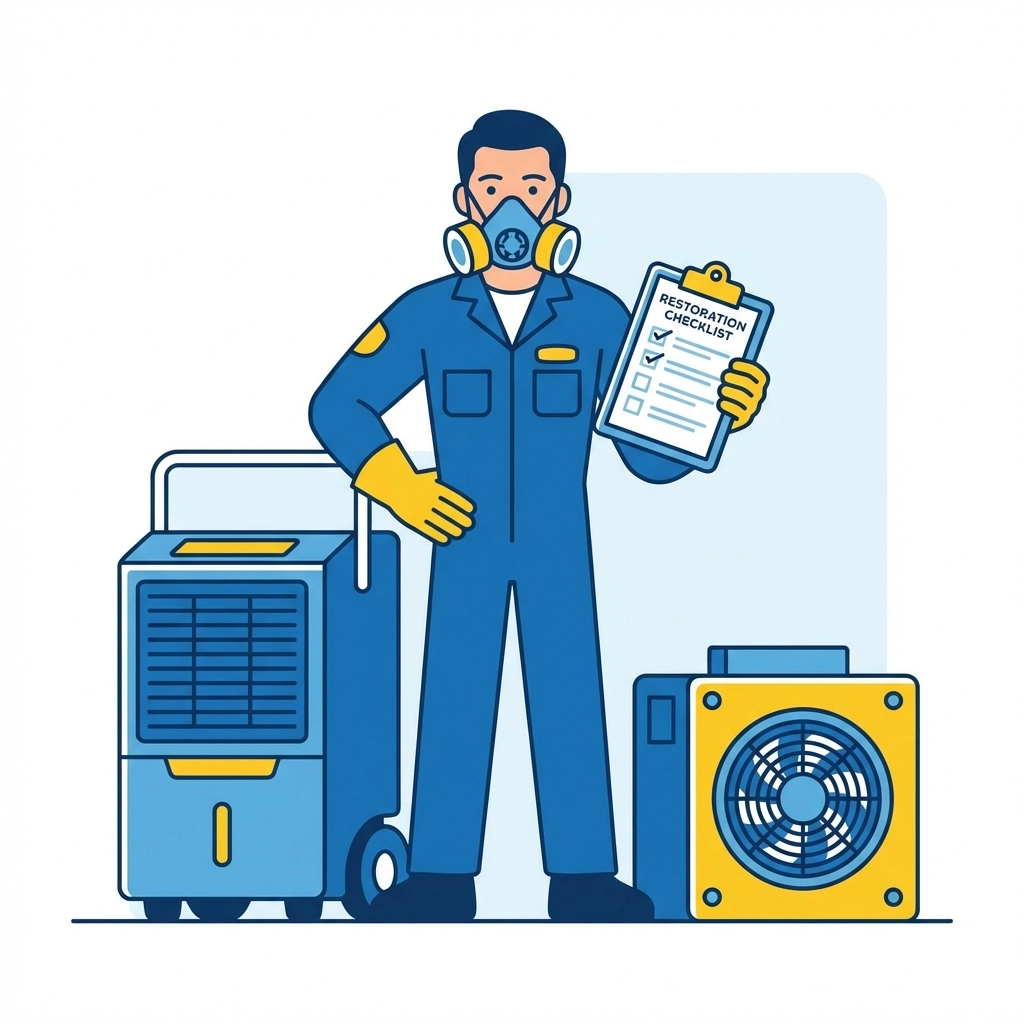
5. Understand What the Process Actually Involves
Sewage clean up isn't just about mopping up water and calling it a day. It's a multi-step process that includes:
Sewage removal – Extracting all the contaminated water
Contamination control – Preventing the spread to unaffected areas
Removal of unsalvageable materials – Carpets, drywall, insulation, and other porous materials often need to go
Sanitization – Deep cleaning and disinfecting all affected surfaces
Deodorization – Getting rid of that awful smell
Drying and monitoring – Using professional equipment to ensure everything is completely dry
Restoration – Repairing or replacing damaged materials
When you call for quotes, make sure you understand what's included. Some companies offer partial services; others handle everything from start to finish.
6. Some of Your Stuff Might Not Be Salvageable
This is the hard truth nobody wants to hear. When sewage contaminates your home, some items simply can't be saved.
Porous materials like carpets, rugs, mattresses, upholstered furniture, and certain types of flooring often need to be removed and disposed of properly. The same goes for contaminated drywall and insulation.
A good restoration company will be honest with you about what can be cleaned and what needs to go. It's not about upselling you: it's about keeping your family safe.
7. Ask About Insurance Coordination
Dealing with insurance after a sewage backup can feel like a second disaster. There's paperwork, documentation, adjusters, and a whole lot of back-and-forth.
Many professional sewage clean up companies offer insurance coordination services. They'll help document the damage, communicate with your insurance company, and streamline the claims process.
Pro tip: Take photos and videos of the damage before anyone starts cleaning. Your insurance company will want to see what happened.
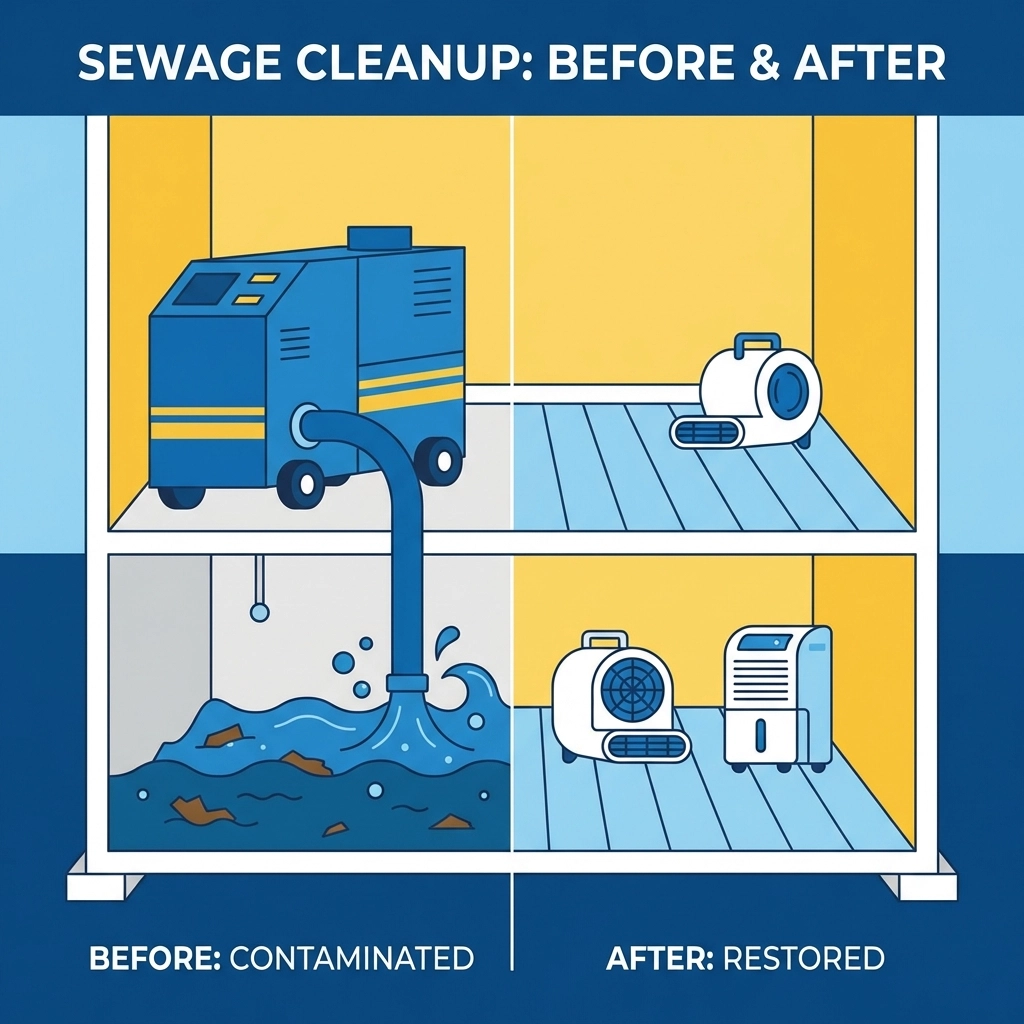
8. Professional Equipment Makes a Huge Difference
You know that wet/dry vacuum you have in the garage? It's great for small spills. But for sewage clean up, you need the big guns.
Professional restoration companies use:
Industrial water extractors – Way more powerful than consumer-grade equipment
Commercial dehumidifiers – To pull moisture from the air and materials
Air scrubbers – To remove airborne contaminants and odors
Moisture meters and infrared cameras – To detect hidden moisture in walls and floors
This equipment ensures your home is truly clean and dry: not just surface-level clean.
9. Consider Extended Protection Options
Once the cleanup is done, you might think you're in the clear. But some companies offer extended protection services that can give you extra peace of mind.
Antimicrobial treatments, for example, can provide protection against bacteria and mold growth for up to 90 days after the initial cleanup. This is especially helpful if you're in an older home or an area prone to moisture issues.
It's worth asking about. A little extra protection now can save you headaches down the road.
10. Choose Local and Family-Owned When You Can
Here's something we feel strongly about: when disaster strikes, working with a local, family-owned company makes a difference.
We're not a faceless national franchise. We're your neighbors. We live and work right here in Montgomery, Berks, Bucks, Delaware, and Chester counties. When we show up at your door, we're invested in helping you because this is our community too.
Local companies also tend to have faster response times and more personalized service. We know the area, we know the common issues homeowners face here, and we genuinely care about getting your home back to normal.
What to Do Right Now If You're Dealing with Sewage
If you're reading this because you've got a sewage situation happening right now, here's your quick action plan:
Keep everyone away from the affected area
Turn off electricity to that part of your home if it's safe to do so
Don't flush toilets or run water until the source is identified
Open windows if you can do so without entering the contaminated space
Call a professional sewage clean up company immediately
Don't wait. Don't try to handle it yourself. And don't just call anyone: call someone you can trust.
We're Here When You Need Us
Sewage backups are awful. There's no way around that. But with the right team on your side, you can get through this faster than you think.
If you're in Montgomery, Berks, Bucks, Delaware, or Chester County and need help with sewage clean up, we're just a phone call away. As a local, family-owned company, we treat every home like it's our own.
Have questions? Need advice? Want to know more about our process? Reach out to us( we're always happy to help a neighbor.)
Comments