Is Your Older Home Safe? The Truth About Asbestos and Lead Testing for Local Property Owners
- info603880
- Jan 21
- 4 min read
If you own an older home in Montgomery County, Berks County, Bucks County, Delaware County, or Chester County, you're probably no stranger to the charm of original hardwood floors, solid craftsmanship, and that character you just can't find in newer builds.
But here's the thing: those beautiful older homes can come with some hidden baggage.
We're talking about asbestos and lead. Two materials that were once considered cutting-edge building supplies but are now known to pose serious health risks. The good news? With proper asbestos testing and lead testing, you can keep your family safe and enjoy your home with total peace of mind.
Let's break down what you need to know.
Why Older Homes Are at Risk
Before we dive into the nitty-gritty, let's get clear on the timeline.
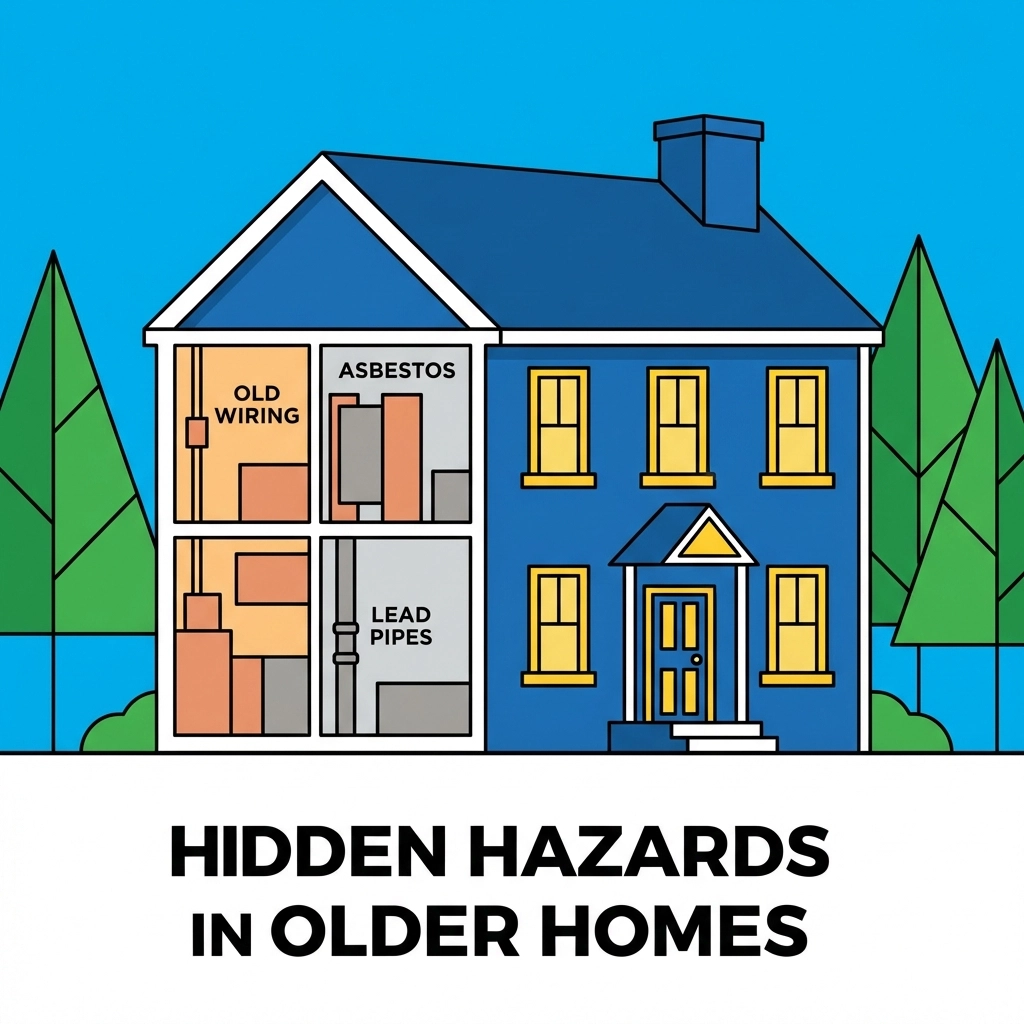
Asbestos was commonly used in building materials up until the 1980s. It showed up in everything from insulation and floor tiles to roofing shingles and even pipe wrapping. Builders loved it because it was fire-resistant and durable.
Lead-based paint was the go-to choice for homes built before 1978. It was popular because it dried quickly, resisted moisture, and held up well over time.
So if your home was built before these cutoff dates? There's a real chance these materials are lurking somewhere inside.
Now, here's something important to understand: just because these materials are present doesn't mean you're automatically in danger. Asbestos and lead are only harmful when they're disturbed. That means if you're planning any renovations, demolition, or even small DIY projects like removing old floor tiles or sanding down a door frame, you need to know what you're dealing with first.
The Real Health Risks You Can't Ignore
Let's talk about why this matters so much: especially if you have kids, elderly family members, or anyone with respiratory issues living under your roof.
Asbestos Exposure
When asbestos-containing materials are cut, scraped, or disturbed, tiny fibers get released into the air. You can't see them. You can't smell them. But once inhaled, they can lodge in your lungs and stay there for years.
Over time, asbestos exposure can lead to:
Asbestosis (chronic lung scarring)
Lung cancer
Mesothelioma (a rare and aggressive cancer)
The scary part? Symptoms often don't show up for 10 to 40 years after exposure. That's why prevention through proper asbestos testing is so critical.
Lead Exposure
Lead-based paint becomes dangerous when it starts chipping, peeling, or when surfaces are sanded or scraped during renovations. This creates toxic lead dust that can be inhaled or ingested.
Children are especially vulnerable. Lead exposure in kids can cause:
Developmental delays
Learning disabilities
Behavioral problems
Damage to the brain and nervous system
Adults aren't off the hook either. Lead exposure can lead to high blood pressure, kidney damage, and reproductive issues.
The bottom line? If you're living in or renovating an older home in our area, lead testing isn't optional: it's essential.
When Should You Get Testing Done?
Great question. Here are the situations when you absolutely need professional testing:
Before any renovation or remodeling project (even small ones!)
When buying an older home (protect your investment and your family)
If you notice deteriorating paint (chipping, peeling, or flaking)
Before demolition work begins
If you have young children and want peace of mind
The key is to test during the planning stage, before any work begins. This gives you time to evaluate the results and plan for safe removal if necessary.
What Does Professional Testing Look Like?
You might be wondering: can't I just grab a DIY test kit from the hardware store?
Here's our honest take: DIY kits can be unreliable, and in some cases, improper testing can actually be illegal. When it comes to your family's health, you want certified professionals handling this.
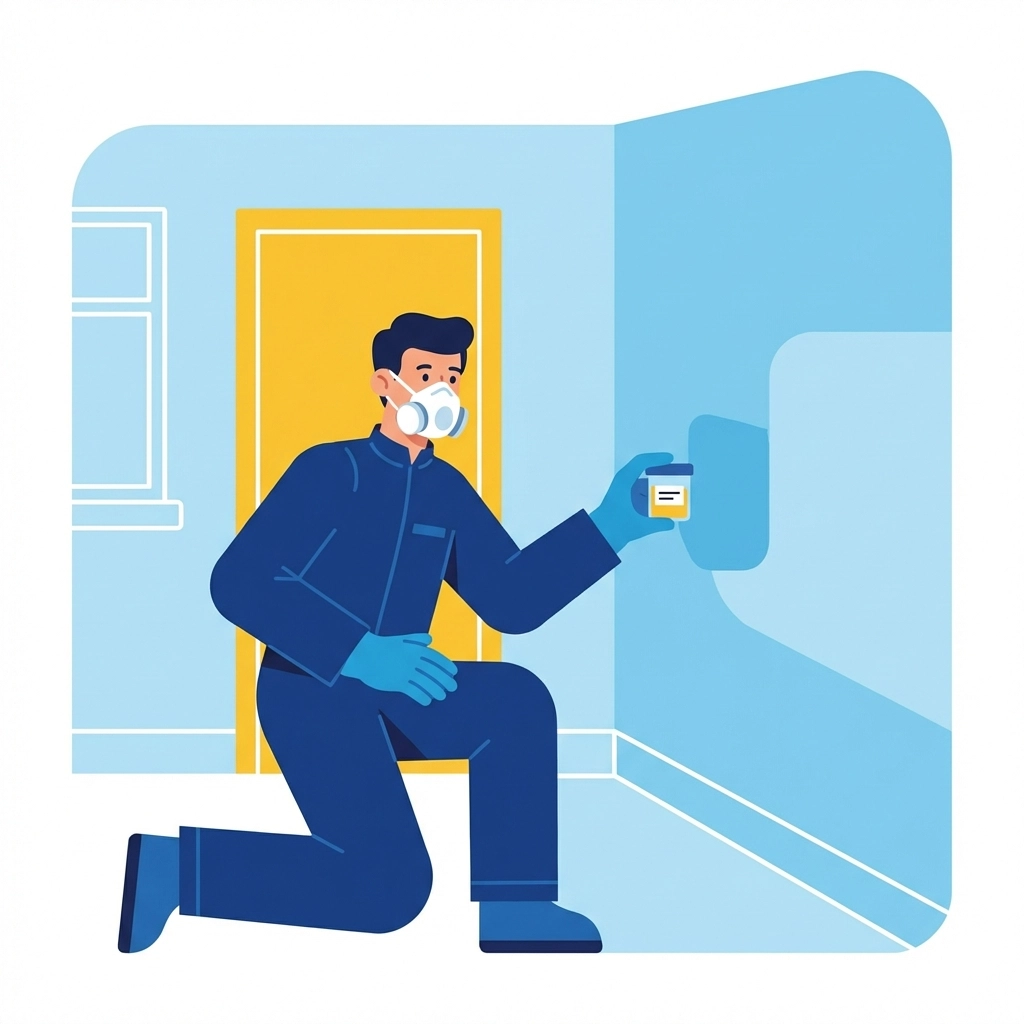
Here's what a proper asbestos testing and lead testing process looks like:
The whole process is designed to give you answers without putting anyone at risk.
What Happens If Hazards Are Found?
Don't panic. Finding asbestos or lead in your home doesn't mean you have to move out or tear everything down.
If testing reveals hazardous materials, you have options:
For Asbestos:
Encapsulation – Sealing the material so fibers can't escape
Enclosure – Building a barrier around the material
Professional Removal – Complete abatement by licensed contractors
For Lead:
Lead remediation can include encapsulation, enclosure, or complete removal of lead-based paint
Surfaces are carefully cleaned to remove all lead dust
Post-remediation testing ensures your space is safe
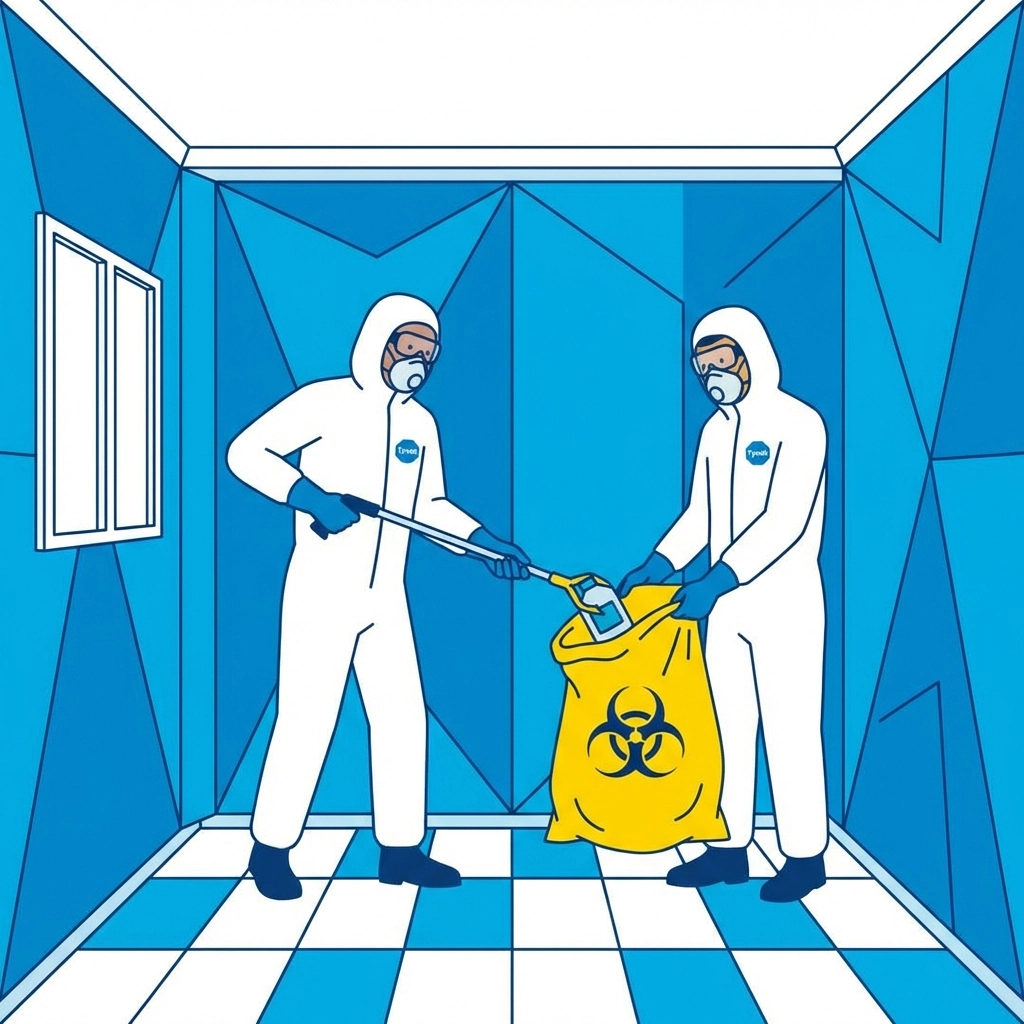
A licensed abatement contractor will seal off work areas, use proper ventilation, and follow strict safety protocols. Once the work is done, clearance testing confirms everything is safe before you move forward with your renovation plans.
Why Working With a Local, Family-Owned Company Matters
Look, we get it. There are plenty of companies out there offering testing and remediation services. So why choose a local team?
Here at My Water Damage Hero, we're a family-owned business serving homeowners right here in Montgomery, Berks, Bucks, Delaware, and Chester counties. We're not some faceless corporation: we're your neighbors.
When you work with us, you get:
Fast response times because we're local
Personalized service from people who actually care
Knowledge of local building styles and common issues in our area
Honest assessments without the pressure tactics
We've seen firsthand how stressful it can be to discover potential hazards in your home. That's why we're committed to walking you through every step with patience and transparency.
Protect Your Home and Your Family
Owning an older home in Southeastern Pennsylvania is something to be proud of. These homes have history, character, and craftsmanship that's hard to find today.
But protecting that home: and the people inside it: means being proactive about potential hazards like asbestos and lead.
Here's a quick recap of what we covered:
Homes built before the 1980s may contain asbestos; homes built before 1978 likely have lead-based paint
These materials are only dangerous when disturbed
Professional asbestos testing and lead testing should happen before any renovation work
If hazards are found, lead remediation and asbestos abatement can make your home safe
Working with local professionals ensures fast, personalized, and trustworthy service
If you're planning a renovation, just bought an older home, or simply want peace of mind, we're here to help. Reach out to us at My Water Damage Hero and let's make sure your home is safe for years to come.
You've got this; and we've got your back.
Comments