Is DIY Sewage Clean Up Safe? Here Are 5 Things You Should Know
So you've walked downstairs and discovered a sewage backup in your basement. Maybe it's just a small puddle near the floor drain. Or maybe it's worse, a full-on mess covering your utility room floor.
Your first instinct? Grab some towels, a mop, and maybe that bottle of bleach under the sink. Roll up your sleeves and tackle it yourself.
We get it. You're a capable homeowner. You've handled plenty of messes before. But here's the thing, sewage clean up isn't like mopping up a spilled drink or cleaning muddy footprints off the floor.
This is different. And before you wade in (literally), there are five critical things you absolutely need to know about DIY sewage clean up. Whether you're in Montgomery County, Berks, Bucks, Delaware, or Chester counties, these facts could protect your health, your home, and your family.
Let's dive in.
1. Sewage Contains Dangerous Pathogens You Can't See
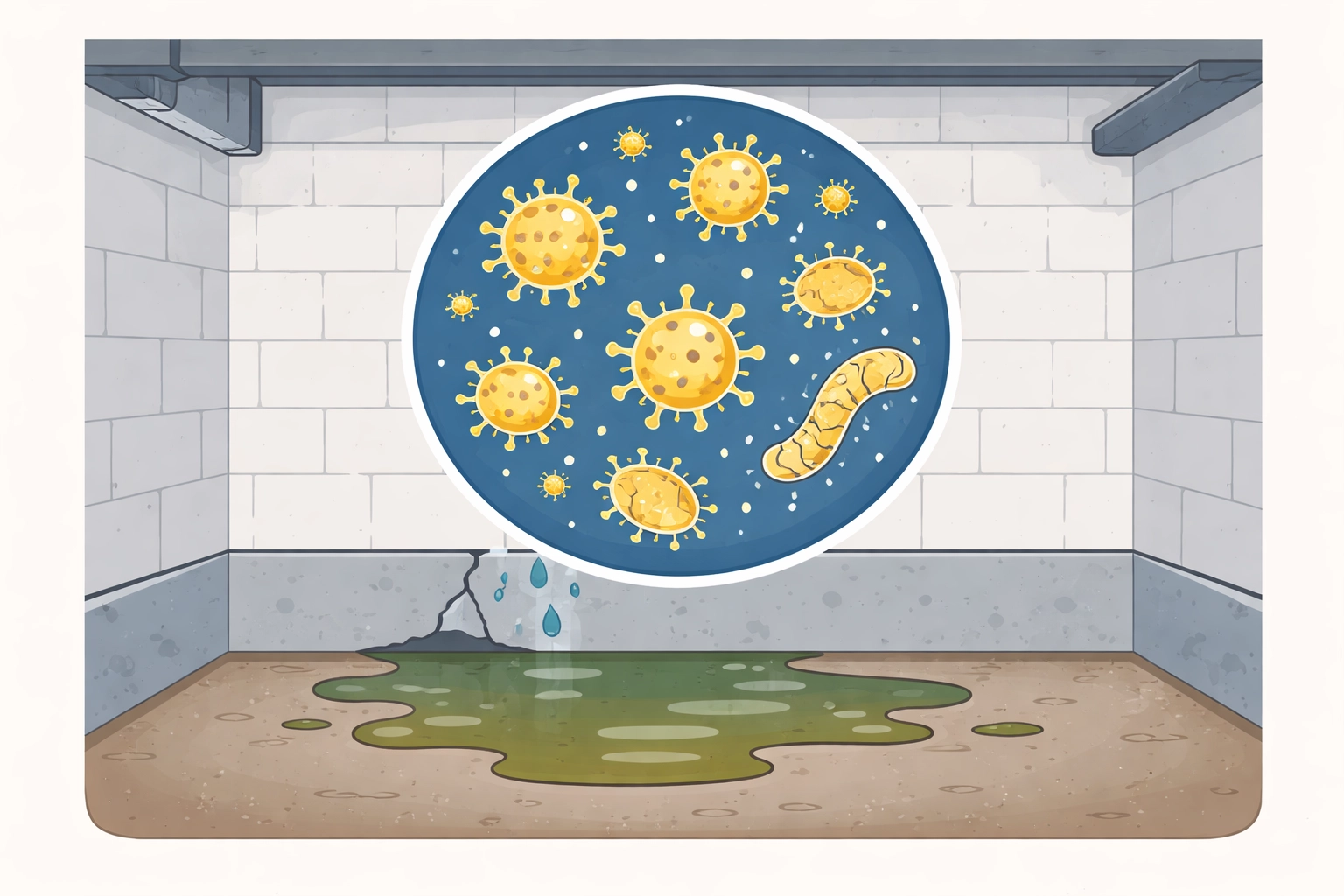
Here's the uncomfortable truth: sewage isn't just dirty water. It's classified as "Category 3" or "black water" in the restoration industry, the most hazardous type of water damage.
What's lurking in that murky water?
Bacteria like E. coli and Salmonella
Viruses including Norovirus and Hepatitis A
Parasites such as Giardia
Fungi and mold spores ready to colonize your home
You can't see these pathogens. You can't smell the difference between "regular dirty" and "dangerously contaminated." But they're there, and they're serious.
Direct contact with sewage, or even breathing in contaminated aerosols, can cause gastrointestinal illness, respiratory infections, skin rashes, and worse. Children, elderly family members, pregnant women, and anyone with a compromised immune system face even greater risks.
That small puddle? It's not worth a trip to the emergency room.
2. Household Cleaning Products Won't Cut It
You might be thinking, "I've got heavy-duty disinfectant. That should handle it, right?"
Unfortunately, no.
Standard household cleaners: even bleach: aren't designed to properly sanitize Category 3 contamination. The problem goes deeper than the surface. Sewage water seeps into porous materials like carpet padding, drywall, and wooden subfloors. These materials absorb contaminated water like a sponge.
Even when the surface looks clean and dry, the contamination remains trapped inside. That means lingering bacteria, persistent odors, and a ticking clock for mold growth.
Professional sewage clean up requires industrial-grade disinfectants, specialized extraction equipment, and proper containment protocols. It's not about elbow grease: it's about having the right tools for the job.
3. Cross-Contamination Spreads Faster Than You Think
Here's where DIY efforts often make things worse.
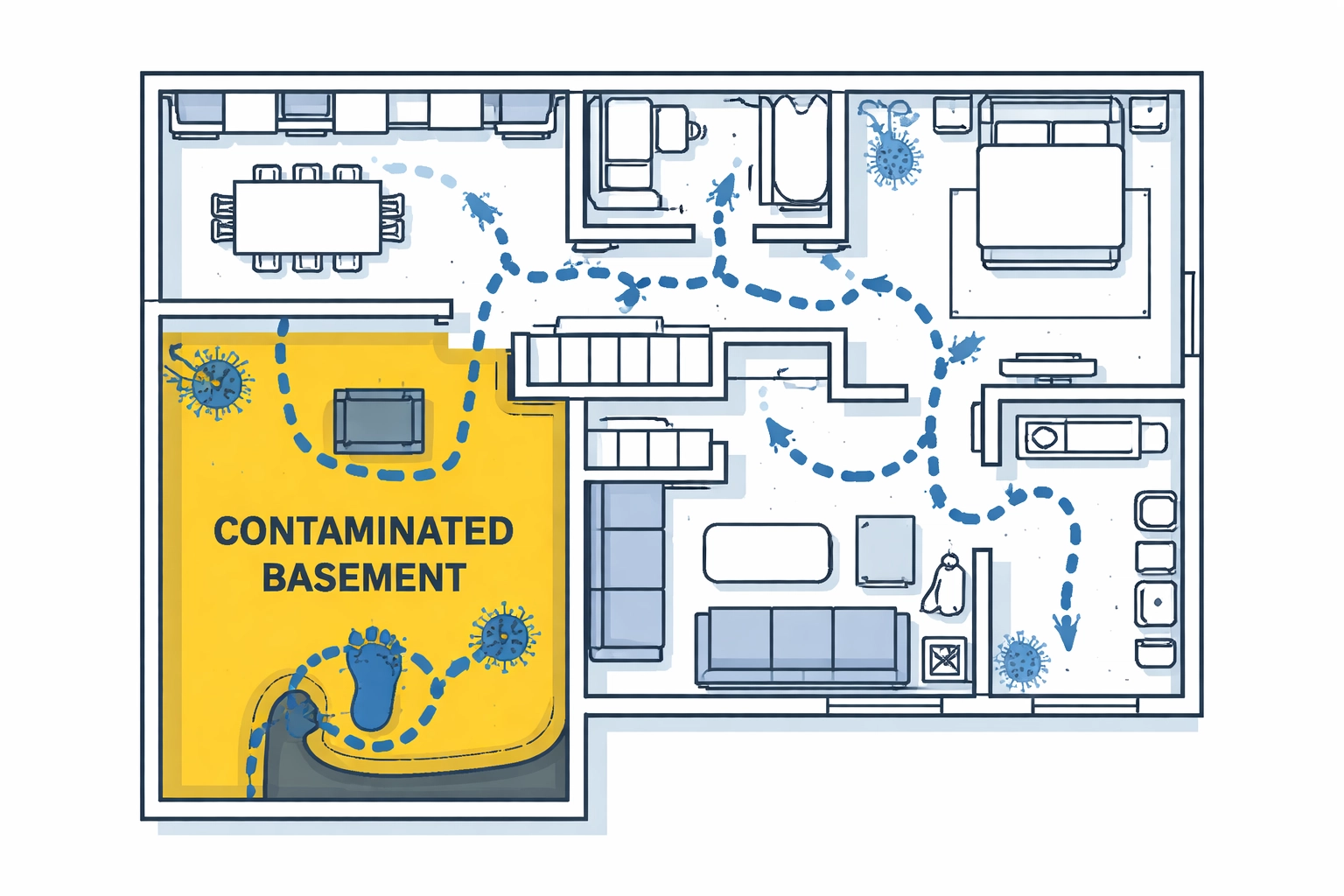
Picture this: You step into the contaminated area wearing your regular shoes. You grab a mop and some towels. You use your shop vacuum to suck up the water. Then you walk through the rest of your house to throw things in the wash or grab more supplies.
Without realizing it, you've just tracked contamination from one room to the next. Your shoes, the mop, the vacuum: they've all become vehicles for spreading harmful pathogens throughout your home.
What started as a basement problem is now a whole-house problem.
Professional restoration teams use strict containment procedures to prevent exactly this. They isolate the affected area, use dedicated equipment, and follow protocols that keep the contamination where it started.
4. Mold Grows Fast: Really Fast
Time is not on your side when dealing with sewage backup.
Mold can begin growing within 24 to 48 hours in damp, contaminated environments. And once it takes hold, it spreads quickly through walls, flooring, and HVAC systems.
But mold isn't the only concern. Prolonged moisture exposure causes serious structural damage:
Wood rot in framing and subfloors
Weakened drywall that crumbles or warps
Corroded metal components in your utilities
Persistent musty odors that won't go away
DIY surface cleaning might make things look better temporarily. But if the moisture isn't properly extracted and the materials aren't thoroughly dried: or removed entirely: you're setting yourself up for bigger problems down the road.
We've seen it happen too many times with homeowners right here in Chester and Delaware counties. A "quick clean up" turns into a major mold remediation project months later.
For more on how water damage leads to mold, check out our guide on water damage restoration tips.
5. Electrical Hazards and Legal Issues Add to the Risk
Let's talk about two dangers that often get overlooked: electricity and waste disposal.
Electrical Hazards
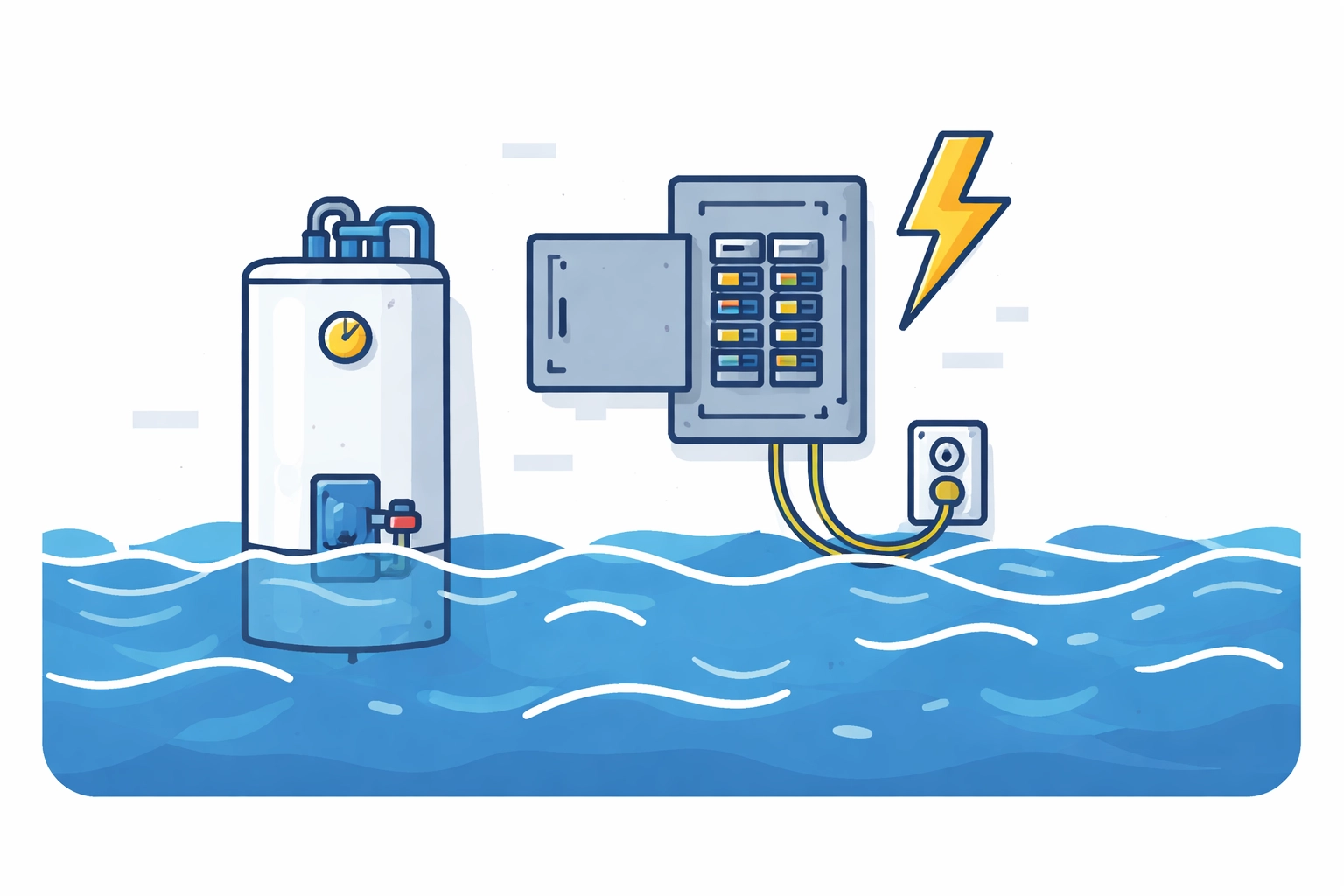
Basements and utility rooms are full of potential electrical dangers: appliances, outlets, power strips, and your home's main electrical panel. When these areas flood with sewage water, the risk of electrocution and electrical fires increases dramatically.
Before entering any flooded area, you should shut off power to that part of your home. But here's the catch: if your electrical panel is in the flooded zone, accessing it safely becomes extremely dangerous.
This isn't something to guess about. When in doubt, call your utility company or a professional who knows how to handle the situation safely.
Improper Waste Disposal
Here's something most homeowners don't think about: you can't just throw sewage-contaminated materials in your regular trash.
Sewage waste is classified as hazardous material. There are local regulations in Montgomery, Berks, Bucks, Delaware, and Chester counties that govern how this waste must be handled and disposed of. Improper disposal can result in fines and legal consequences.
Professional restoration companies follow strict protocols for contaminated material removal. They know the rules, they have the proper containers, and they ensure everything is disposed of legally and safely.
When Should You Call for Professional Sewage Clean Up?
Let's be real: any sewage backup warrants professional attention.
But if you're still on the fence, ask yourself these questions:
Is the affected area larger than a few square feet?
Has the sewage been sitting for more than a few hours?
Are porous materials (carpet, drywall, insulation) involved?
Is the contaminated area near electrical components?
Do you have vulnerable family members at home?
If you answered yes to any of these, it's time to call in the experts.
As a family-owned company serving homeowners throughout Montgomery, Berks, Bucks, Delaware, and Chester counties, we've seen the consequences of DIY sewage clean up gone wrong. We've also seen the relief on homeowners' faces when they realize they don't have to handle this alone.
Professional sewage clean up means:
Proper safety equipment (PPE) to protect workers
Industrial extraction and drying equipment to remove all moisture
Containment protocols to prevent cross-contamination
Antimicrobial treatments that actually work
Safe, legal disposal of contaminated materials
Documentation for insurance claims
Protect Your Home and Your Family
We know you want to take care of your home. That instinct is admirable. But sewage clean up is one of those situations where the risks of going it alone far outweigh the benefits.
The pathogens are invisible but dangerous. The contamination spreads easily. Mold waits for no one. And the electrical and legal hazards add layers of complexity that most homeowners aren't equipped to handle.
Your health and safety: and the safety of your family: are worth more than saving a few dollars on a cleanup that might not even work.
If you're dealing with a sewage backup anywhere in the Montgomery, Berks, Bucks, Delaware, or Chester county area, don't hesitate to reach out. We're your neighbors, and we're here to help you get your home back to normal: safely.
For more information on water damage and restoration, visit our water damage resources or learn about understanding water damage repair costs.
Comments