How to Stop Mold Before It Starts After Water Damage (Easy 5-Step Guide)
So, you've just dealt with water damage in your home. Maybe a pipe burst in your basement in Pottstown. Perhaps a storm flooded your laundry room in West Chester. Or that old water heater in your Berks County home finally gave up the ghost.
First things first, take a breath. You've got this.
Here's the thing: the water damage itself is only half the battle. The real threat? Mold. And it can start growing in as little as 24 to 48 hours after water exposure.
That's not meant to scare you. It's meant to motivate you. Because if you act fast and follow these five simple steps, you can stop mold before it ever gets a chance to take hold in your Montgomery, Bucks, Delaware, or Chester County home.
Let's dive in.
Why Speed Matters When It Comes to Mold Prevention
Before we get to the steps, let's talk about why timing is everything.
Mold spores are everywhere, in the air, on surfaces, floating around your house right now. They're harmless until they find three things: moisture, warmth, and something to feed on (like drywall, wood, or carpet).
When water damage happens, you've essentially rolled out the red carpet for mold. The clock starts ticking immediately.
But here's the good news: if you dry things out quickly and thoroughly, mold doesn't stand a chance. That's why these next 24 to 48 hours are so critical.
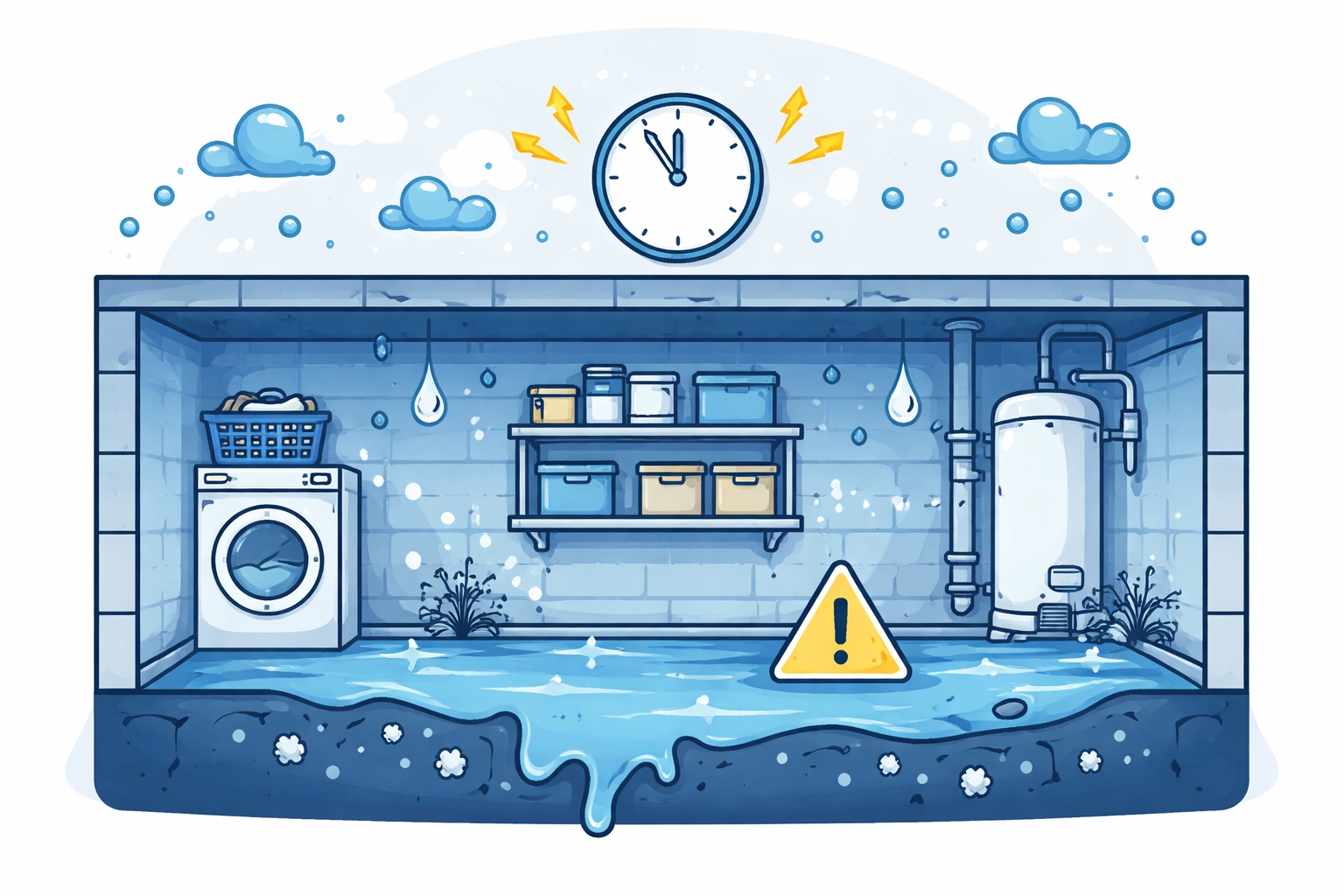
Step 1: Remove Standing Water Immediately
This is your number one priority. Standing water is mold's best friend.
Grab a wet-dry vacuum if you have one. For smaller spills, towels and mops can work in a pinch. If you're dealing with serious flooding, like inches of water in your basement, you might need a sump pump to get the job done.
Don't forget the hidden spots. Water loves to sneak into places you can't easily see:
Inside cabinets and closets
Behind appliances like washers and refrigerators
Under furniture
In crawl spaces
Get in there with towels and check thoroughly. Residual moisture hiding in these areas is often what leads to mold problems down the road.
If the water damage is extensive, don't hesitate to call in professionals. Sometimes you need industrial-grade equipment to truly extract all that water.
Step 2: Ventilate Like Your Home Depends on It (Because It Does)
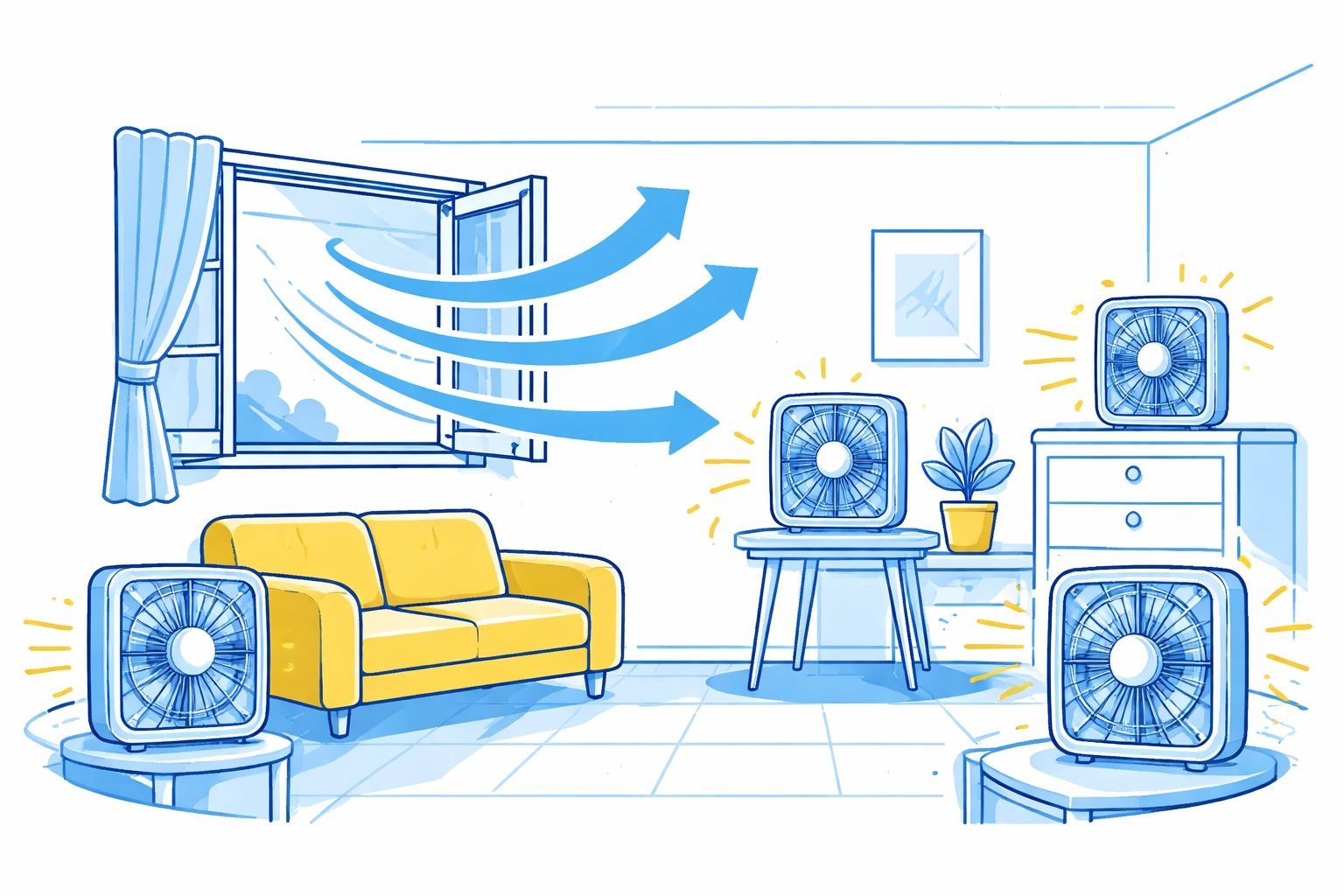
Once you've removed the standing water, it's time to get air moving.
Open every window and door in the affected area. Set up fans, box fans, standing fans, whatever you've got, and point them toward the wet zones. The goal is to create airflow that pushes moisture out and brings fresh, dry air in.
If you have ceiling fans, turn them on too. Every bit of air circulation helps.
Here's a pro tip for homeowners in our humid Pennsylvania summers: ventilation works best when outdoor humidity is lower than indoor humidity. If it's a muggy July day in Reading or Norristown, you might actually be bringing more moisture inside. In that case, skip to Step 3 and focus on dehumidification instead.
Step 3: Deploy Your Dehumidifier (Your Secret Weapon)
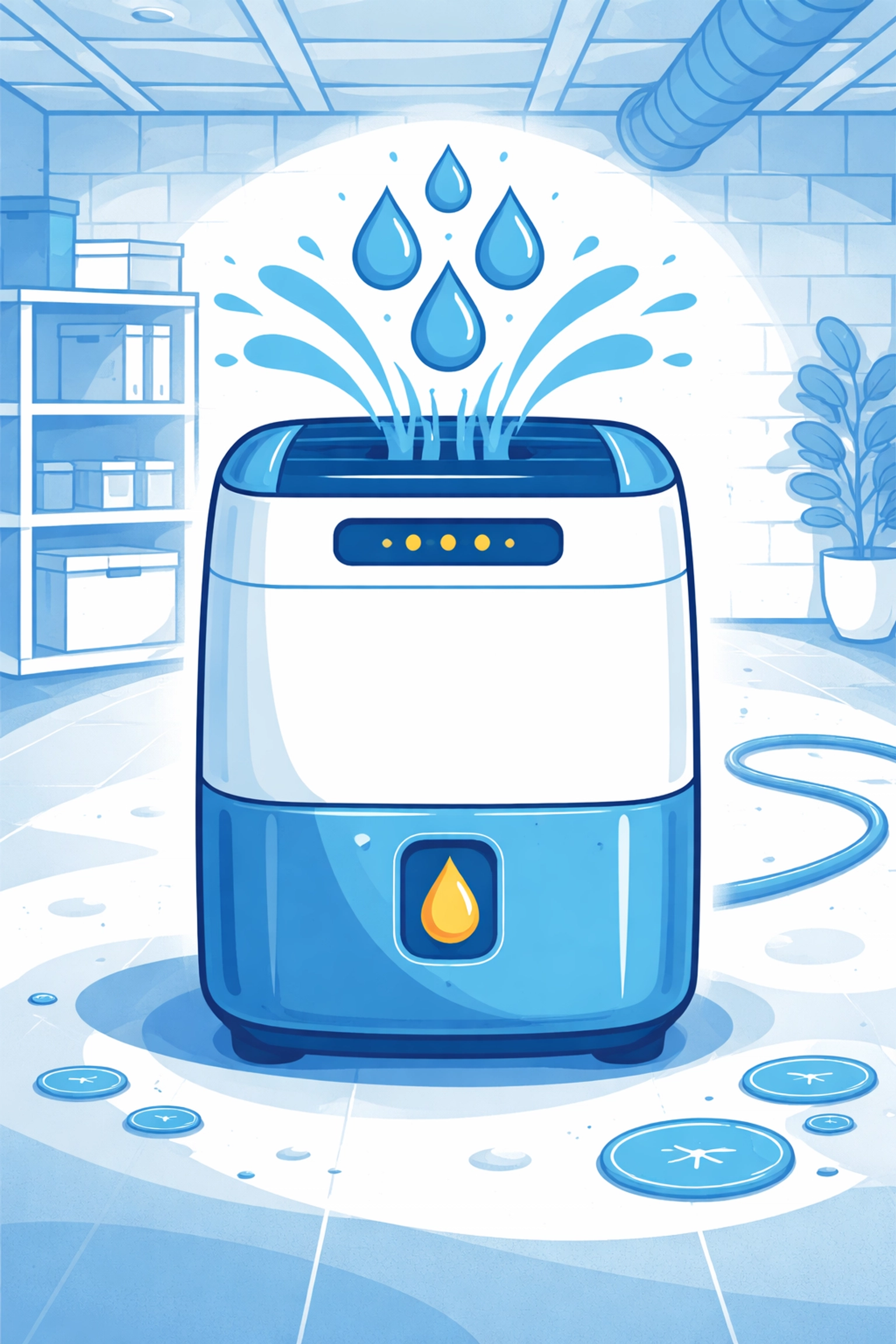
This step is non-negotiable. Even after the visible water is gone, moisture lingers in the air and inside porous materials like drywall and carpet padding.
A dehumidifier pulls that excess moisture right out of the air. Run it continuously in the affected area until things are completely dry. We're talking days, not hours.
Your target? Keep indoor humidity levels at 60% or below. Most dehumidifiers have a built-in gauge, so you can monitor your progress.
If you don't own a dehumidifier, now's the time to invest in one. For homeowners in Montgomery, Berks, Bucks, Delaware, and Chester counties, it's practically essential, our regional humidity can be brutal, especially in basements and older homes.
For larger water damage situations, consumer-grade dehumidifiers might not cut it. Professional water damage restoration teams use commercial dehumidifiers that can handle serious moisture problems much faster.
Step 4: Clean and Disinfect Everything
Alright, your space is dry. Now it's time to clean.
Water: especially if it came from a storm, sewage backup, or appliance malfunction: can leave behind bacteria, dirt, and organic material that mold loves to feed on. Cleaning removes that food source.
For hard, non-porous surfaces like tile, concrete, and sealed wood, here's a simple cleaning solution:
Mix one cup of bleach with one gallon of water
Wipe down all affected surfaces
Let it air dry completely
For a gentler option (especially on surfaces that might not tolerate bleach), try mixing dish soap, white vinegar, and warm water.
Important: If you have a HEPA vacuum, use it. Regular vacuums can actually spread mold spores around. HEPA filters trap those tiny particles so they don't become airborne again.
What about porous materials like carpet, insulation, or drywall that got soaked? This is where things get tricky. If these materials stayed wet for more than 24-48 hours, they may need to be removed entirely. Mold can grow deep inside them where you can't see or clean it.
Step 5: Set Up Long-Term Prevention
You've handled the immediate crisis. Nice work! But mold prevention doesn't stop here.
To protect your home from future problems, think about these long-term strategies:
Fix the source. Whatever caused the water damage in the first place needs to be addressed. Leaky pipe? Get it repaired. Roof damage? Time to call a roofer. Basement drainage issues? Consider waterproofing solutions.
Maintain your home's vulnerable areas:
Check under sinks regularly for slow leaks
Inspect your water heater for signs of corrosion
Clean gutters to prevent water from pooling near your foundation
Make sure your sump pump is working properly
Upgrade moisture-prone spaces. Consider mold-resistant drywall, paint, or caulk in bathrooms, basements, and laundry rooms. These products are designed to resist moisture and inhibit mold growth.
Keep humidity in check year-round. Run exhaust fans when showering or cooking. Use your dehumidifier during humid months. Keep an eye on condensation around windows.
For more tips on protecting your home, check out our guide on understanding water damage repair costs.
When to Call in the Professionals
Look, we're all for DIY when it makes sense. But sometimes water damage is too extensive, too hidden, or too risky to handle on your own.
Consider calling a professional mold remediation and water damage team if:
The affected area is larger than 10 square feet
Water came from a contaminated source (sewage, floodwater)
You notice a musty smell even after cleaning
You see visible mold growth
Water reached inside walls, ceilings, or floors
You have health concerns or allergies in your household
Professional teams have moisture meters, infrared cameras, and industrial equipment that can detect and address water damage you can't see. They can also handle proper mold remediation if prevention efforts weren't fast enough.
Here at My Water Damage Hero, we're a local, family-owned company serving homeowners throughout Montgomery, Berks, Bucks, Delaware, and Chester counties. We've helped countless neighbors tackle water damage and mold prevention: and we're always just a phone call away.
Your Quick-Reference Checklist
Let's recap those five steps:
Remove standing water immediately – Use vacuums, pumps, and towels to extract every drop
Ventilate thoroughly – Open windows, run fans, get that air moving
Run dehumidifiers – Keep humidity below 60% until everything is bone dry
Clean and disinfect – Remove bacteria and organic material mold feeds on
Prevent future problems – Fix leaks, maintain your home, and stay vigilant
Water damage is stressful. There's no getting around that. But with quick action and the right approach, you can absolutely stop mold before it starts.
You've got the knowledge now. You've got a plan. And if you need backup? Your local water damage heroes are ready to help.
Stay dry out there, neighbors.
Comments