Emergency Flood Cleanup 101: A Beginner's Guide to Mastering Home Safety in Bucks County
- info603880
- Apr 8
- 5 min read
If you’ve ever woken up to the sound of rushing water: and it wasn’t your morning shower: you know that sudden sinking feeling in your gut. Whether it’s a heavy spring downpour in Doylestown or a burst pipe in Yardley, water damage is one of those things that feels completely overwhelming the second it happens.
First off, take a deep breath. We know it’s a stressful mess, and panic is totally natural. But here’s the good news: you don't have to navigate this alone. At My Water Damage Hero, we’ve seen it all, from minor leaks to major basement submersions. We’re here to walk you through the essentials of emergency flood cleanup so you can protect your home, your family, and your sanity.
Safety First: Don’t Dive In Just Yet
Before you grab a mop and start splashing around, we need to talk about safety. Floodwater isn't just "wet": it can be dangerous. Between electrical hazards and hidden contaminants, your first priority is making sure the environment is safe to enter.
1. Power and Gas
Never enter a flooded room if the electricity is still on. If you can safely reach your circuit breaker without standing in water, turn off the power to the affected areas. If you have to walk through water to get to the panel, stop right there and call a professional or your utility company. The same goes for gas; if you smell anything funky, get out of the house immediately and call for help.
2. Gear Up
If it’s safe to enter, make sure you’re dressed for the job. You’ll need rubber-soled boots or waders and sturdy rubber gloves. Floodwater often contains "hidden" nasties like bacteria or even chemicals. If your house has been closed up for more than 48 hours, consider wearing an N95 mask to protect yourself from potential mold spores that may have already started to brew.
3. Watch for Structural Shifts
Water is heavy. Really heavy. If you notice sagging ceilings or buckled walls, stay back. These are signs that the structural integrity of your home might be compromised.

Assessing the Mess: What Kind of Water Are We Dealing With?
In the world of water damage restoration, not all water is created equal. Understanding what you’re dealing with helps you decide if it’s a DIY cleanup or if you need to bring in the big guns for sewage clean up.
Category 1 (Clean Water): This comes from broken pipes or a leaky faucet. It’s generally safe to handle, but if left sitting, it quickly turns into...
Category 2 (Gray Water): This might contain soap or mild contaminants (like dishwasher or washing machine overflow). It can make you sick if you’re not careful.
Category 3 (Black Water): This is the serious stuff. We’re talking sewage backups or rising floodwaters from local creeks. This water is unsanitary and requires professional sewage clean up expertise to ensure your home is truly decontaminated.
The 48-Hour Clock: Why Speed Is Everything
When it comes to water, time is your biggest enemy. Within just 24 to 48 hours, mold can begin to grow. This is why a "wait and see" approach usually leads to much more expensive mold remediation bills down the road.
If you’re dealing with a flooded basement in Bucks County, here is a professional tip: Remove standing water gradually. If your basement is totally submerged, don't pump it all out at once. Pumping it out too fast can cause a pressure imbalance between the wet soil outside and your basement walls, potentially causing them to collapse. Aim for about one-third of the volume per day.

Step-by-Step Emergency Cleanup for Beginners
If the water source is stopped and the area is safe, you can start the mitigation process. Here’s how to handle the initial stages:
Extract the Standing Water: Use a wet/dry vac for small amounts. For larger floods, you'll need professional-grade submersible pumps.
Strip Away the Saturated Materials: Drywall, insulation, and carpeting act like sponges. If they’ve been soaked by floodwater (especially Black Water), they usually have to go. Cut out drywall at least 12 inches above the highest water line to ensure you're getting all the moisture.
Open the Windows: If the humidity outside is lower than inside, get that air moving! If it’s a humid PA summer day, keep the windows shut and fire up the AC and high-powered dehumidifiers.
Disinfect Everything: Scrub hard surfaces with a solution of water and a non-sudsing detergent, followed by a mild bleach solution (about 2-3 capfuls per bucket of water).
Finding the Hidden Moisture
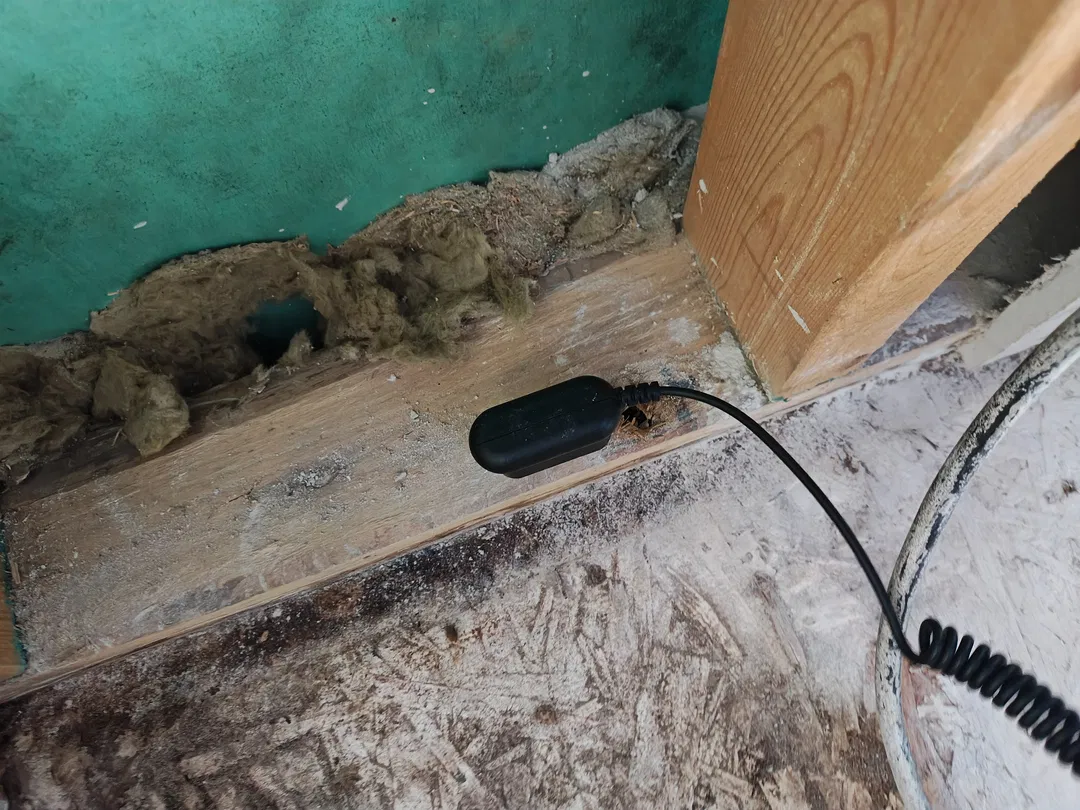
One of the biggest mistakes homeowners make is thinking a floor is dry just because it feels dry to the touch. Moisture hides in subfloors, behind baseboards, and deep inside wall studs.
This is where specialized tools come in. At My Water Damage Hero, we use moisture meters and thermal imaging to find exactly where the water is hiding. Without these tools, you might end up sealing moisture into your walls, which is a recipe for a mold remediation nightmare a few weeks later.
When to Call the Heroes
We love a good DIY spirit, but some jobs are simply too big: and too risky: for a shop-vac and a couple of fans. You should definitely consider reaching out for professional water damage restoration if:
The water covers more than one room.
The water originated from a sewage line or outdoor flooding.
The water has been sitting for more than 24 hours.
You notice a musty, earthy smell (a classic sign you need mold remediation).
You’re worried about hidden damage behind your walls or under your floors.
Our team serves the entire SEPA area, including Montgomery, Berks, Delaware, and Chester counties. We know the local geography and the common issues homeowners face in this region, from old stone basement leaks to modern pipe failures.
Daily Habits to Prevent the Next Emergency
While you can't control the weather in Bucks County, you can control how prepared your home is. We always tell our neighbors that the best emergency flood cleanup is the one that never has to happen.
Check out these simple habits to keep your home dry:
Check Your Sump Pump: Pour a bucket of water into the pit to make sure it kicks on. Do this once a month!
Clean Your Gutters: Ensure water is flowing away from your foundation, not pooling against it.
Inspect Appliance Hoses: Your washing machine and dishwasher hoses should be replaced every five years.
Know Your Main Shut-off: Make sure everyone in the house knows how to turn off the main water valve in an emergency. It takes 30 seconds to learn and can save you thousands of dollars.
For more detailed tips, you can read our guide on 10 daily home checks that prevent water damage.
Mastering the Cleanup
Recovery after a flood is a marathon, not a sprint. It takes time for structural materials to truly dry out. If you rush the "rebuilding" phase and put up new drywall before the studs are at a safe moisture level, you’re just asking for trouble.
Remember, your home is likely your biggest investment. Protecting it from the long-term effects of water damage requires a thorough, systematic approach. Whether you’re scrubbing down a small leak or dealing with a major disaster, stay safe, stay dry, and don’t be afraid to ask for help when the water gets too deep.
If you’re currently dealing with a mess and need a hand, feel free to contact us. We’re here to help our neighbors in Bucks County and beyond get back to normal as quickly and safely as possible. You can also learn more about us and our mission to save homes one hero at a time!
Comments