10 Daily Home Checks That Prevent Water Damage (Every SEPA Homeowner Should Know These)
- info603880
- 3 days ago
- 5 min read
Here's the thing about water damage: it rarely announces itself with a dramatic burst pipe or flooded basement. Most of the time, it sneaks up on you, a slow drip behind the toilet, a tiny crack in your foundation, a gutter that's been clogged since October.
And by the time you notice? You're looking at thousands in water damage restoration costs.
The good news? You can catch most water problems before they become disasters. These ten quick checks take less than ten minutes total, and they'll save you massive headaches (and bills) down the road. Think of them as your daily armor against the sneaky water issues that love to plague SEPA homes, especially with our wet springs and freezing winters.
Let's dive in.
1. Give Your Pipes a Once-Over
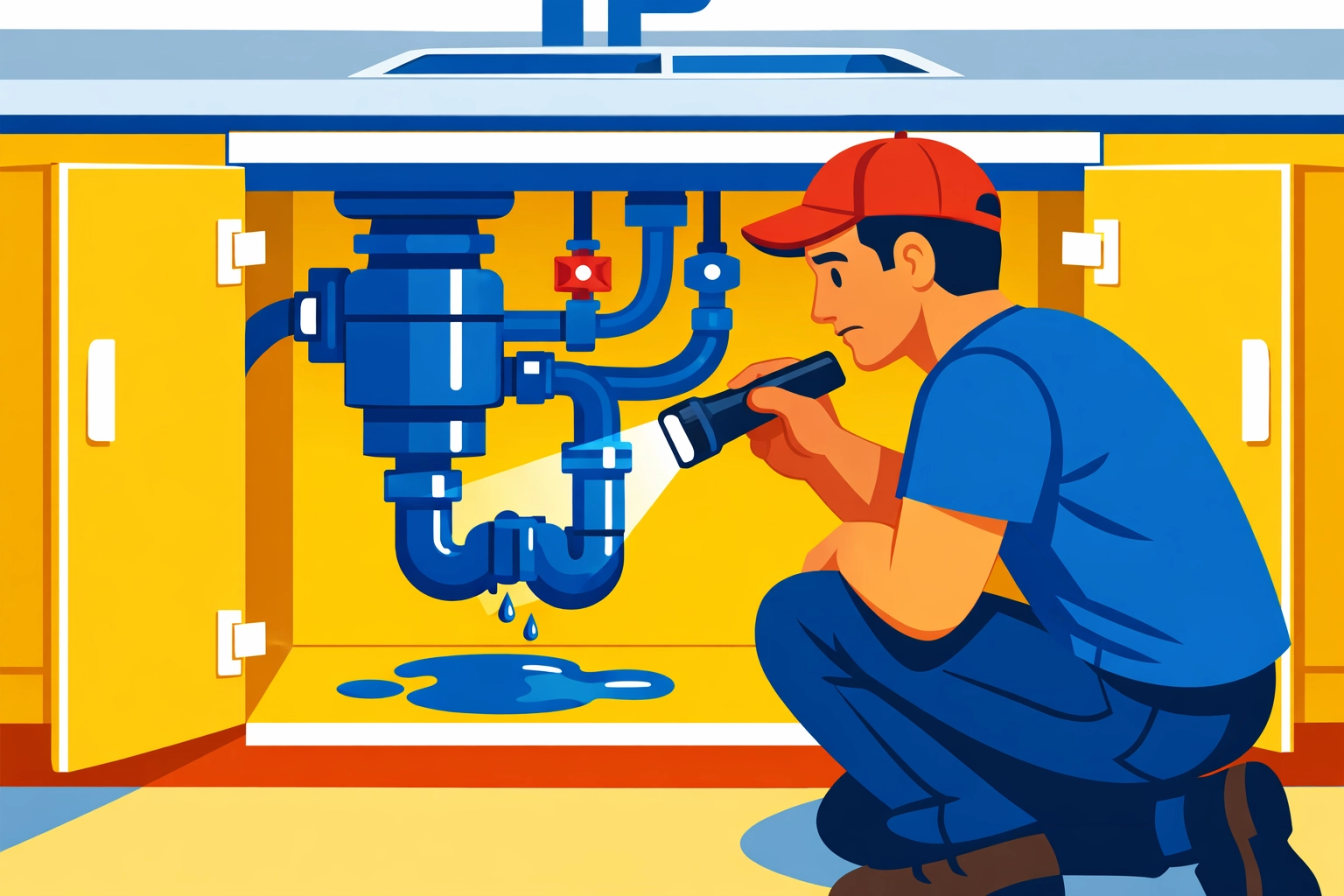
Start under your kitchen sink. Look for moisture, water stains, or that telltale musty smell. Then hit the bathroom, check under the sink, around the toilet base, and behind the toilet tank.
You're looking for:
Puddles or dampness on cabinet floors
Corrosion or rust on pipe connections
Mold growth (even small spots matter)
Loose fittings that wiggle when you touch them
This 60-second scan catches slow leaks before they rot out your cabinets or seep into your flooring. If you spot anything suspicious, don't wait, water damage only gets worse with time.
2. Scan Your Ceilings and Walls
Tilt your head up. Look for discoloration, bubbling paint, or water stains on your ceilings. Then scan your walls, especially in rooms with plumbing (bathrooms, kitchens, laundry rooms).
Fresh water stains look yellow or brown. Old ones fade to a dingy gray. Either way, they're telling you water's getting where it shouldn't.
Pay extra attention to:
Corners where walls meet ceilings (common leak spots)
Areas below bathrooms on lower floors
Exterior walls during rainy stretches
Catching a ceiling leak early can be the difference between a simple pipe repair and a full mold remediation project.
3. Eyeball Your Water Heater
Walk over to your water heater. Check the floor around the base for moisture or pooling water. Look at the tank itself for rust, corrosion, or mineral deposits.
Most water heaters give warning signs before they fail completely:
Rusty water from hot taps
Strange rumbling or popping noises
Puddles that come and go
Visible rust on the tank exterior
Water heater failures are one of the top causes of home flooding in our area. A quick daily glance takes five seconds and could save you from coming home to a basement full of water.
4. Check Your Toilet for Sneaky Leaks
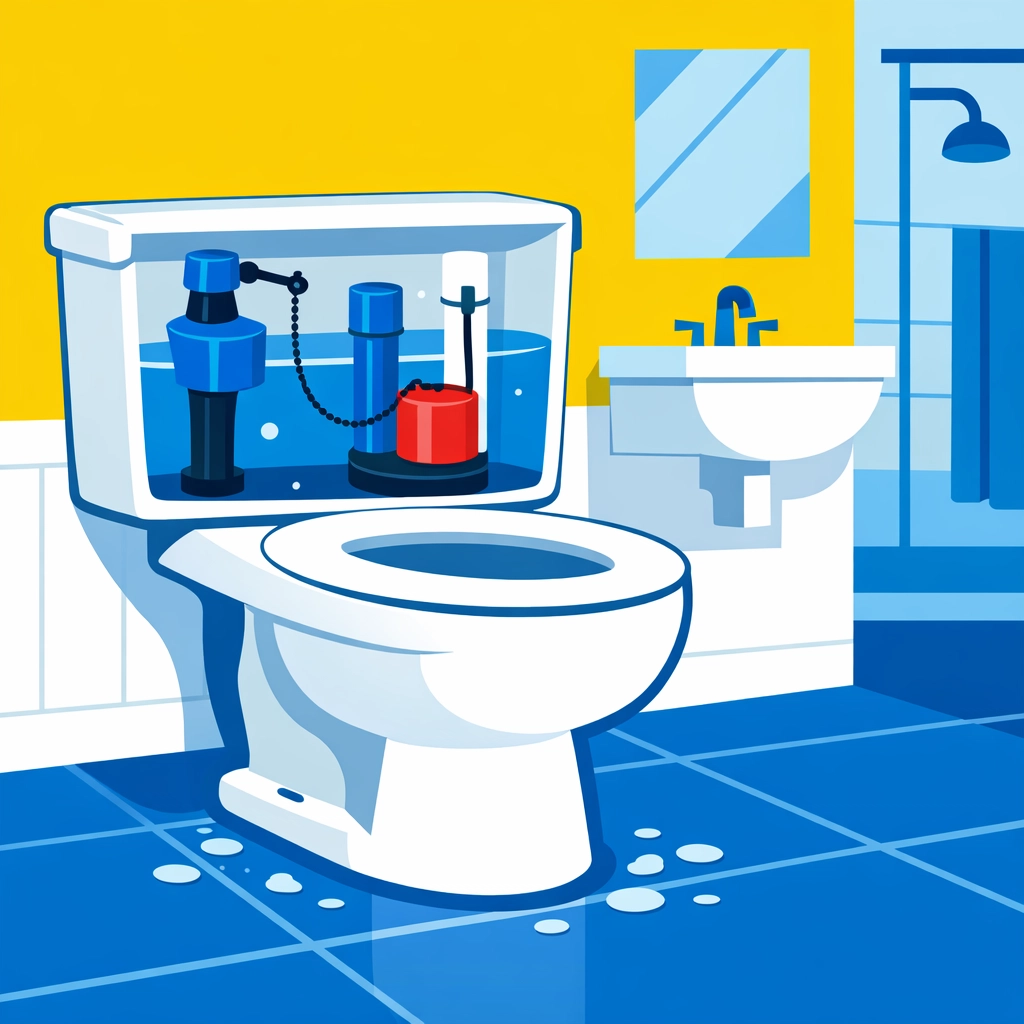
Lift your toilet tank lid. Listen. Is water still running after the flush cycle finishes? That's wasted water (hello, high water bill) and a sign your flapper valve needs replacing.
Then look at the base of the toilet. See any moisture on the floor? Feel around the bottom, sometimes leaks are so slow you'll only notice dampness, not visible water.
Pro tip: Drop a few drops of food coloring in your tank. Wait 15 minutes without flushing. If color appears in the bowl, you've got a leak that's costing you money and potentially damaging your bathroom subfloor.
5. Peek at Your Washing Machine Connections
If your washing machine is running or just finished a cycle, check the hoses. Look for:
Bulges or cracks in the rubber hoses
Loose connections at the wall or machine
Puddles behind or under the washer
Rust on metal fittings
Washing machine hoses fail without warning, and when they do, they can dump dozens of gallons before you even know what's happening. If your hoses are more than five years old, consider replacing them with braided stainless steel versions, they're worth every penny.
6. Walk Your Foundation (Inside and Out)
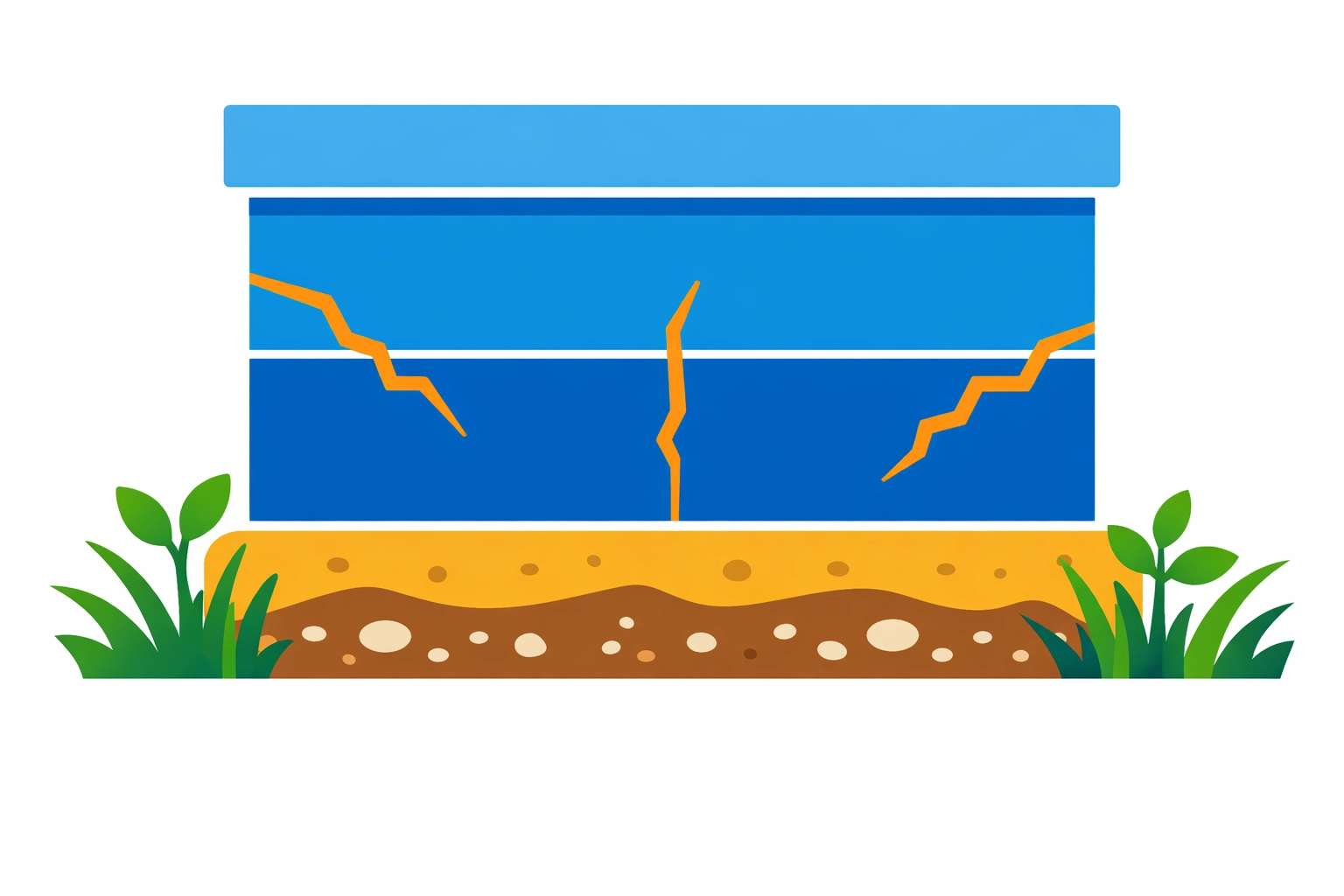
Inside your basement or crawl space, scan the walls for new cracks or dampness. Outside, take a quick lap around your house looking at the foundation where it meets the ground.
You're checking for:
New cracks or cracks that are widening
White powdery deposits (efflorescence, a sign of water seeping through)
Damp spots on foundation walls
Gaps or holes where water could enter
SEPA's freeze-thaw cycles are brutal on foundations. A crack you ignore in February becomes a water entry point during March's heavy rains. Seal small cracks early, and you'll avoid major water intrusion issues later.
7. Glance at Your Gutters and Downspouts
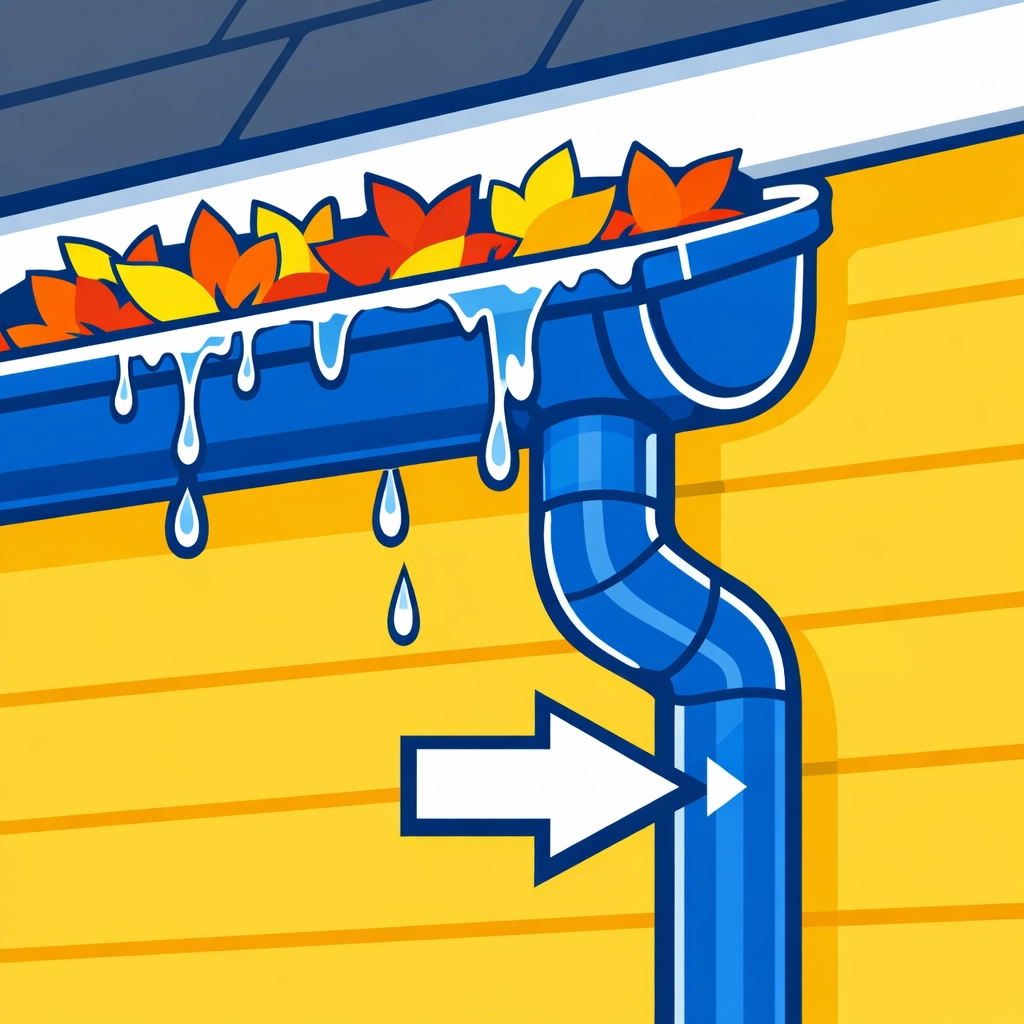
From ground level, look up at your gutters. Are they sagging? Overflowing during rain? Pulling away from the house?
Then check where your downspouts discharge water. It should flow away from your foundation, at least three to six feet out. If water's pooling near your foundation, you're inviting water damage, foundation issues, and potential basement flooding.
Clogged gutters are especially problematic in fall and spring. Leaves and debris block water flow, causing it to overflow and run down your exterior walls. That water works its way into your home through tiny cracks and gaps you didn't even know existed.
8. Test Your Sump Pump (If You Have One)
If you've got a basement and a sump pump, this check is non-negotiable. Pour a bucket of water into the sump pit. The pump should kick on automatically and drain the water within seconds.
If it doesn't activate, or if it runs but doesn't drain the water quickly, you've got a problem. Sump pump failures are a leading cause of basement flooding during SEPA's heavy rain seasons.
Check the discharge pipe outside too, make sure it's not frozen (in winter) or clogged (any season).
9. Inspect Door and Window Seals
Run your hand along the bottom of exterior doors. Feel any dampness or see any water stains on the threshold?
Check your window frames, especially on the sides of your house that get hit with driving rain. Look for:
Peeling paint or wood rot around frames
Gaps in caulking or weatherstripping
Water stains on interior sills or walls below windows
Condensation between double-pane glass
Windows and doors are common water entry points that homeowners overlook. A failing seal might seem minor until water seeps into your walls and creates the perfect environment for mold growth.
10. Monitor Your Water Bill
Okay, this one isn't literally "daily," but make it a habit to glance at your water bill each month. A sudden spike in usage when your habits haven't changed is a red flag for a hidden leak.
Even small leaks add up:
A leaking toilet can waste 200 gallons per day
A dripping faucet wastes about 3,000 gallons per year
A pinhole leak in a pipe can waste thousands of gallons before you notice visible damage
If your bill jumps unexpectedly, start investigating. That mystery water is going somewhere: and that somewhere is probably damaging your home.
Know When to Call the Pros
Here's the reality: You can prevent a lot of water damage with these daily checks. But when you do find a problem: especially active leaks, visible mold, or structural water damage: professional water damage restoration is the smart move.
DIY fixes work great for preventative maintenance. But once water's already caused damage? You need expertise, industrial equipment, and thorough drying to prevent mold and structural issues.
If you're seeing signs of water damage in your Montgomery, Berks, Bucks, Delaware, or Chester County home, don't wait for it to get worse. Water problems multiply quickly, and what costs hundreds to fix today could cost thousands next month.
The Bottom Line
These ten checks take less time than scrolling social media, and they're infinitely more valuable. Water damage doesn't happen overnight: it builds slowly, quietly, in the places you're not looking.
Make these checks part of your morning routine. Grab your coffee, do a quick lap of your home, and catch problems while they're still small.
Your future self (and your wallet) will thank you.
Need help with water damage, emergency flood cleanup, or suspect you've got a hidden moisture problem? We're your neighbors, not a franchise: and we're here to help SEPA homeowners protect their biggest investment. Reach out anytime at 610-228-7440 or visit mywaterdamagehero.com.
Comments