Emergency Flood Cleanup 101: A Beginner’s Guide to Mastering Home Safety in Bucks County
- info603880
- Apr 6
- 5 min read
Hey there, neighbor! If you’re reading this, chances are you’re either staring at a very soggy basement in Doylestown or you’re worried about the next big storm rolling through Lower Bucks. First off, take a deep breath. Seeing your home underwater is a total gut-punch, and it’s completely natural to feel overwhelmed. Whether it’s the Neshaminy Creek overflowing or a simple pipe burst in the middle of the night, home flooding is a stressful mess.
But here’s the good news: you don’t have to be a professional contractor to take the first critical steps toward saving your home. This guide is your "Emergency Flood Cleanup 101." We’re going to walk through exactly what to do in those first 24 hours to keep your family safe and minimize the damage. Let’s dive in: figuratively, of course!
The Golden 24 Hours: Why Speed is Everything
When it comes to emergency flood cleanup, time is your biggest enemy. Did you know that mold can start to take hold in as little as 24 to 48 hours? That’s not a lot of time to mess around. If the water sits, it doesn't just stay on the surface; it seeps into your drywall, wicks up your insulation, and soaks into your subflooring.
In Bucks County, we deal with high humidity levels during the spring and summer, which only speeds up the growth of nasty spores. If you wait too long, a simple water extraction job can quickly turn into a full-scale mold remediation project.

Step 1: Safety First, Cleanup Second
Before you even think about grabbing a mop or a shop-vac, we need to make sure the environment is safe. Flooded homes are full of hidden hazards.
Kill the Power: Never walk into a flooded room if the electricity is still on. If you can safely reach your breaker box without stepping in water, shut off the power to the affected areas. If you have to stand in water to reach the box, call an electrician or PECO immediately.
Check for Gas Leaks: If you smell rotten eggs, get out of the house and call for help.
Gear Up: Floodwater is rarely "clean." Even if it looks clear, it can contain bacteria, chemicals, or even raw sewage. Wear rubber-soled boots and heavy-duty gloves. If you're dealing with a backup, you're looking at a sewage clean up situation, which requires even more protection.
Protect Wounds: If you have any open scratches or cuts, keep them far away from the water. Scrub any contact areas immediately with soap and clean water.
Step 2: Document Everything (For Your Future Self)
Before you start moving furniture or sucking up water, grab your phone. You need to document the damage for your insurance company. Take photos and videos of every room, the height of the water lines on the walls, and any damaged belongings.
It’s tempting to start throwing things away immediately, but your insurance adjuster will need proof of what was lost. For more tips on what to do in those first few hours, check out our guide on what happens hour-by-hour in the first 48 hours.
Step 3: Stop the Source and Start the Extraction
If the flood is coming from a burst pipe or a leaking appliance, turn off the main water valve to your home. If it’s mother nature at your door, there’s not much you can do to stop the intake, but you can start the removal process as soon as the water levels outside recede.
For minor puddles, a wet/dry vac can help. But for true emergency flood cleanup, you need professional-grade equipment. Industrial submersible pumps and high-powered extractors can pull hundreds of gallons out of your home in a fraction of the time it takes a DIY vacuum.

Step 4: The Great Dry-Out
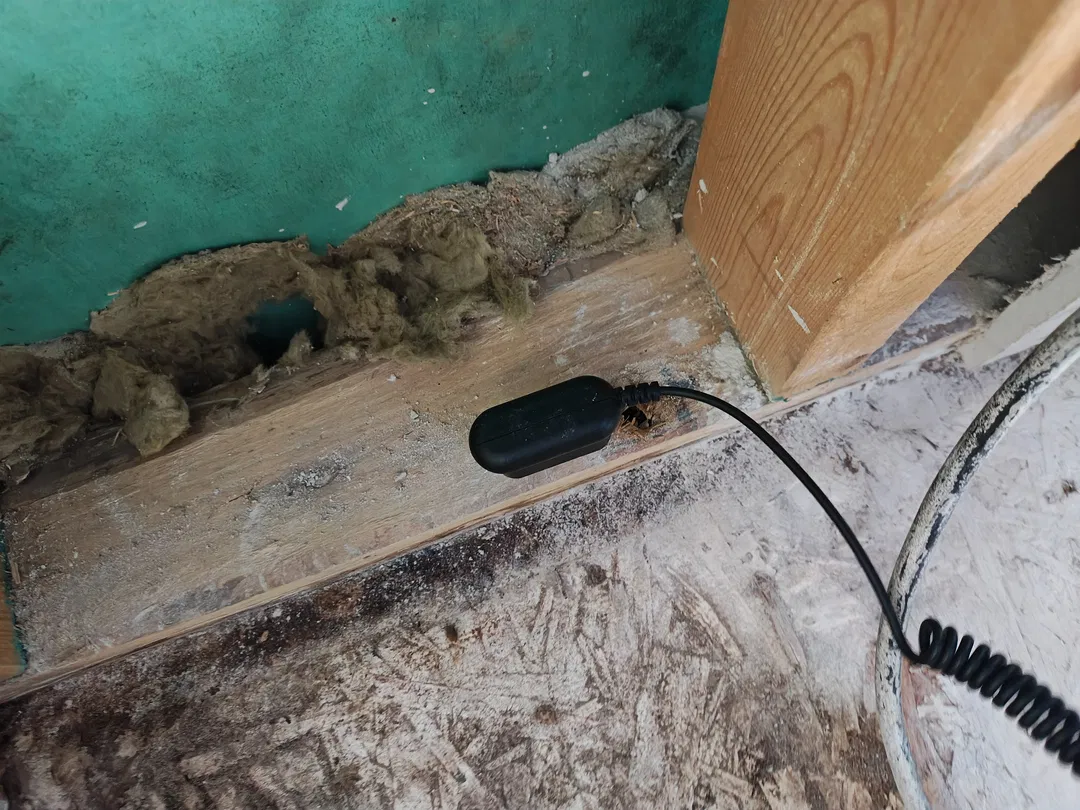
Removing the standing water is only half the battle. The real danger is the moisture you can't see. This is where a lot of homeowners in Montgomery and Bucks counties get stuck. They think because the floor "feels" dry, the job is done.
In reality, water hides behind baseboards and inside wall cavities. Professionals use specialized tools like moisture meters and infrared cameras to find these hidden pockets. If you're curious about how we do it, read about moisture mapping and finding leaks behind drywall.
To speed up drying on your own:
Open windows if the humidity outside is lower than inside.
Use high-velocity fans (not just your ceiling fans) to move air across wet surfaces.
Run a heavy-duty dehumidifier. Home-grade units usually aren't enough for a flood; you’ll likely need an industrial LGR (Low Grain Refrigerant) dehumidifier.
Step 5: Cleaning and Disinfecting
Once the water is gone and the structural elements are drying, you need to disinfect. Floodwater often brings in silt, debris, and microorganisms.
Hard Surfaces: Scrub walls, floors, and hard furniture with a solution of water and a small amount of bleach (about 2-3 capfuls per bucket).
Porous Materials: Items like carpets, pads, and upholstered furniture often act like sponges for bacteria. If they’ve been soaked in "black water" (sewage or groundwater), they usually need to be tossed for safety.
Sewage Situations: If you're dealing with a backup, this is a job for the pros. Sewage clean up involves biohazards that can make your family very sick if not handled with professional-grade antimicrobials. You can learn more about the differences in our post on clean water vs. sewage flooding.
Step 6: Preventing the "M" Word (Mold)
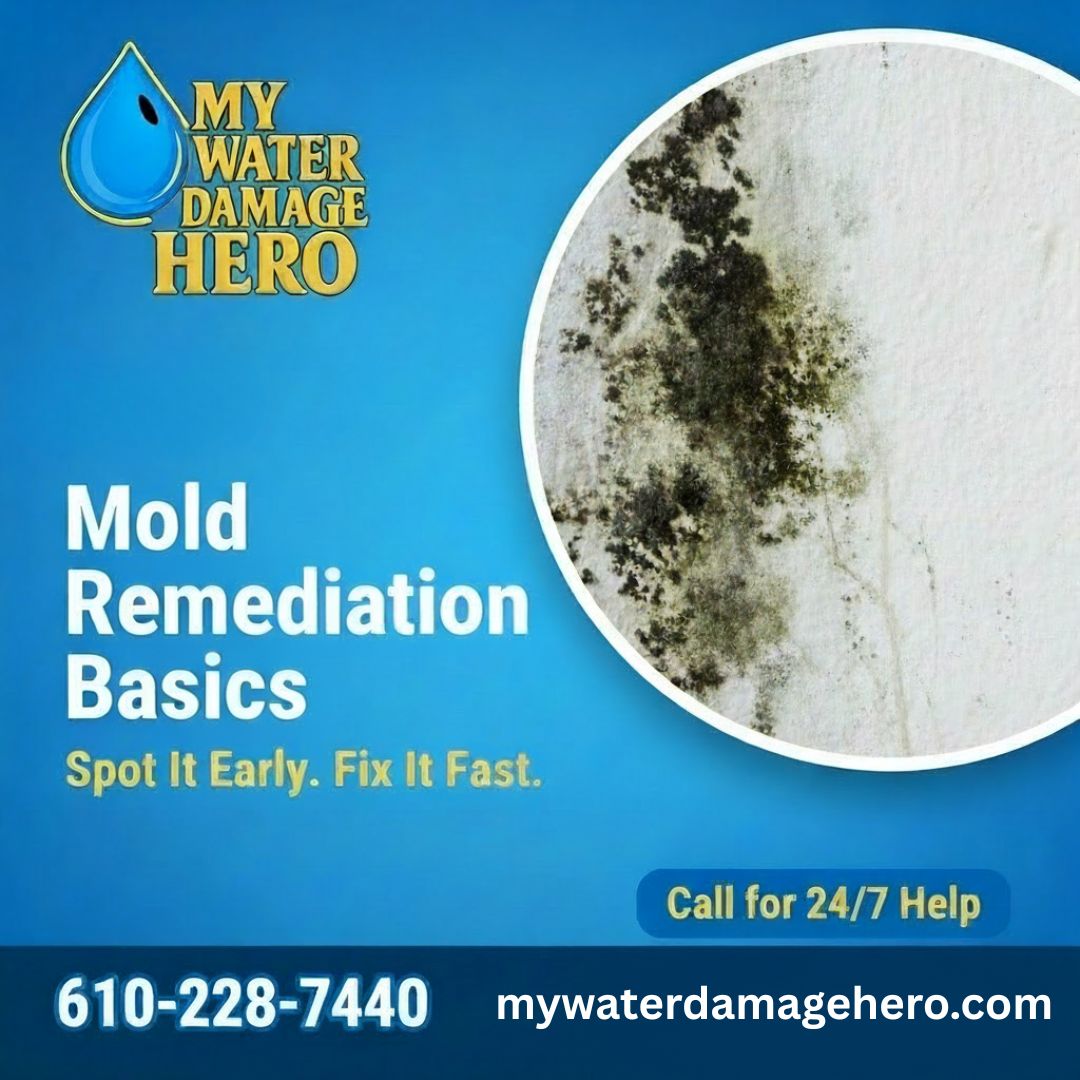
The biggest fear after any flood is mold remediation. Mold doesn't just smell bad; it can cause respiratory issues and structural damage. If you see fuzzy patches or smell a persistent musty odor, you likely have an issue.
In Bucks County, the "mold protocol" is a serious thing. It involves setting up containment barriers (like plastic sheeting) and using HEPA air scrubbers to make sure spores don't travel to the "dry" parts of your house. It’s always better to be proactive. If you aren't sure if you need a pro, take a look at our article on whether you really need mold testing after a leak.
Local Resources for Bucks County Residents
We know the community here is strong. If you’re struggling with the costs of a major disaster, there are local programs like the Bucks United Flood Recovery (BUFR) that help low-to-moderate income residents with repairs and mold mitigation. Always check with the county government to see what emergency disaster declarations might be in place, as this can sometimes open up FEMA assistance.
When Should You Call a Professional?
We love a good DIY spirit, but water damage restoration is one of those things where a mistake today leads to a massive headache (and expense) six months from now. Consider calling a professional if:
The water is more than an inch deep.
The water is contaminated (sewage or street runoff).
The water has been sitting for more than 24 hours.
You see signs of mold growth.
The water has reached your HVAC system or electrical outlets.
At My Water Damage Hero, we live and work in the same SEPA communities you do. We know the local architecture: from the historic stone homes in Upper Bucks to the modern builds in Quakertown: and we know how water behaves in these structures.
If you’re feeling overwhelmed, remember that you don't have to do this alone. Professional teams have the pumps, the drying equipment, and the moisture-tracking tech to make sure your home is actually dry and safe. For more quick tips to keep your home safe daily, check out this beginner's guide to staying dry and safe in SEPA.
Stay dry, stay safe, and remember: you've got this! Whether you're in Bucks, Chester, or Montgomery County, we're just a phone call away when things get soggy.
Comments