Emergency Flood Cleanup 101: A Beginner’s Guide to Mastering Home Safety in Berks County
- info603880
- Apr 4
- 5 min read
Hey there, Berks County neighbor! If you’ve ever walked down to your basement in Reading or Wyomissing and heard that dreaded squish under your feet, you know that instant sinking feeling in your stomach. Whether it’s a burst pipe, a heavy PA thunderstorm, or a washing machine that decided to retire early, flood damage is a stressful mess.
But here’s the good news: you don't have to face it alone, and you definitely don't have to panic. While water damage restoration might seem like a job only for the experts, understanding the basics of emergency flood cleanup can save your home and your sanity. Let’s dive into how you can handle the first few hours of a water emergency like a pro.
The "Oh No" Moment: Your First Three Steps
When water starts flowing where it shouldn't, your brain might go into overdrive. Take a deep breath. Before you grab a mop, you need to prioritize safety and documentation.
Safety First (Always): If the water is deep enough to reach electrical outlets, do not walk into it. Turn off the power at the main breaker if you can do so safely. If you smell gas or suspect a sewage leak, get everyone (including the pets!) out of the house immediately.
Stop the Flow: If the flood is coming from inside the house: like a frozen pipe that finally cracked: find your main water shut-off valve and turn it clockwise. Knowing where this is before an emergency happens is a total game-changer.
Call the Pros: Don't wait until the next morning. Water starts damaging your drywall and flooring within minutes. Calling for professional emergency flood cleanup right away is the best way to prevent long-term structural issues.
Documenting the Damage for Insurance
Before you start moving furniture or soaking up water, grab your phone. You need photos and videos: lots of them. Insurance companies need proof of the "before" state to process your claim smoothly.
Walk through the affected areas and document the water level, damaged furniture, and any visible cracks. This isn't just about the floor; look at the baseboards and the bottom of your drywall. If you’re dealing with a sewage clean up situation, keep your distance, but try to get a clear shot of the source.

Why Time is Your Biggest Enemy: The 24-48 Hour Window
Here’s a fact that surprises a lot of homeowners: mold doesn't wait. It can start growing in as little as 24 to 48 hours after water intrusion. This is why "waiting until Monday" is never a good idea for water damage in Berks County.
Professional water damage restoration isn't just about removing the water you can see; it’s about the moisture you can't see. Water loves to hide behind baseboards, under laminate flooring, and deep inside carpet padding. If that moisture stays trapped, you’re looking at a future need for extensive mold remediation.
The Professional Process: What Happens Next?
When My Water Damage Hero arrives at your property, we don't just show up with a couple of towels. We bring the heavy artillery. Here is what the professional cleanup process typically looks like:
1. Advanced Water Extraction
We use truck-mounted extraction units that can pull hundreds of gallons out of your home in record time. This is much more powerful than any shop-vac you’d find at a hardware store.
2. Moisture Mapping
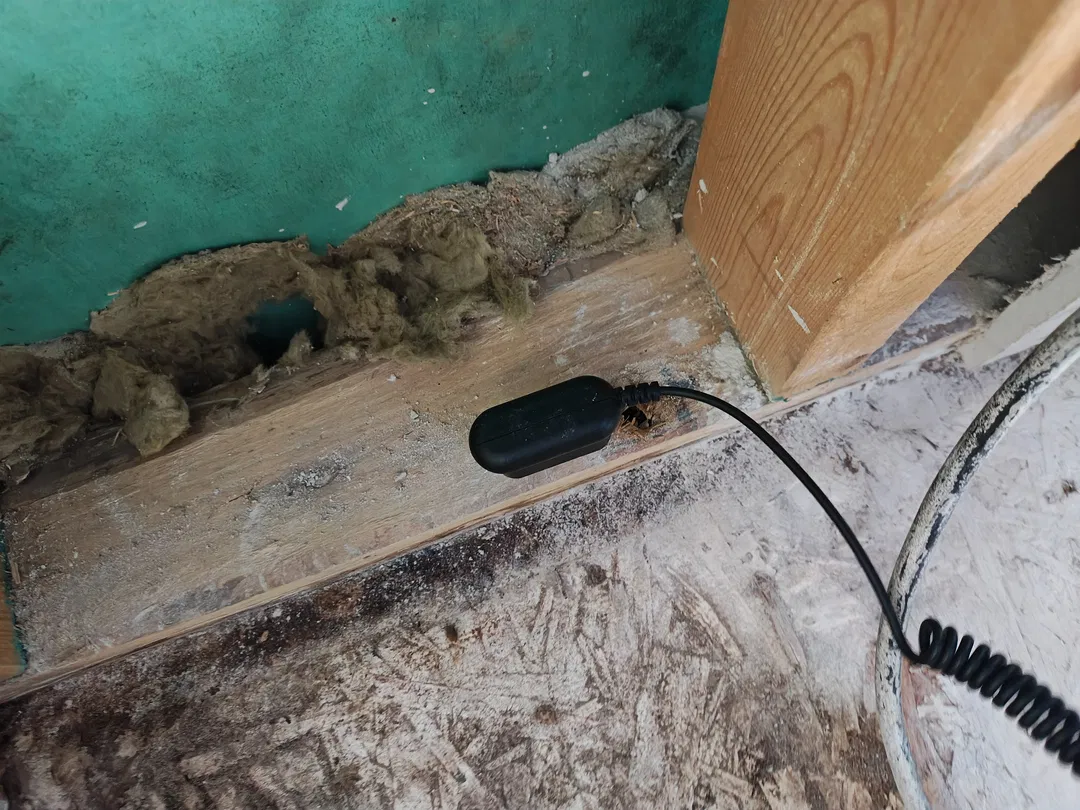
This is the "secret sauce" of restoration. We use thermal imaging cameras and moisture meters to see through your walls. These tools tell us exactly where the water is hiding so we don't have to tear down every piece of drywall.
3. Industrial Drying and Dehumidification
Once the standing water is gone, we set up high-velocity air movers and industrial-grade dehumidifiers. These machines run 24/7 to pull moisture out of the air and the structural materials of your home. It’s loud, and it makes the room warm, but it’s the only way to ensure your home is truly dry.
4. Sanitization and Odor Control
Floodwater: especially if it’s from a storm or a backup: is rarely "clean." It carries bacteria and contaminants. We apply professional-grade antimicrobials to kill germs and prevent that "musty basement" smell from taking over your life.
Handling the Gross Stuff: Sewage Clean Up
If the water in your basement is dark, smells bad, or came from a floor drain, you are likely dealing with a sewage backup. Stop everything and call a professional. Sewage is considered "Category 3" water, which is highly contaminated and dangerous to your health.
DIY sewage clean up puts you at risk for serious illness. Our team has the specific protective gear and sanitizing agents required to make your home safe again. Don't risk your health to save a few bucks on a rental machine.
Common Flood Culprits in Berks County
Living in Berks County means dealing with a variety of weather patterns. From the heavy spring thaws in Kutztown to the summer flash floods in Boyertown, our homes take a beating.
Sump Pump Failure: This is the #1 cause of basement flooding in our area. If your pump loses power during a storm or just burns out from old age, your basement becomes a swimming pool.
Old Plumbing: Many of our beautiful homes in historic areas have older pipes that are prone to pinhole leaks or sudden bursts.
Grading Issues: If your yard slopes toward your foundation rather than away from it, heavy rain will find its way into your crawlspace or basement every single time.
Why DIY Often Falls Short
We love a good DIY project as much as anyone, but water damage is different. Homeowners often make the mistake of thinking that because the carpet feels dry to the touch, the job is done.
Unfortunately, the subfloor underneath is often still soaked. Without professional-grade dehumidifiers, that trapped moisture will cause floorboards to warp and mold to thrive. Investing in professional water damage restoration now saves you from the massive expense of structural repairs and mold remediation later.

Daily Habits to Keep Your Home Dry
Prevention is always better than a cure. You can significantly lower your risk of needing an emergency flood cleanup by adopting a few simple habits:
Check Your Sump Pump: Pour a bucket of water into the pit once a month to make sure it kicks on. Consider a battery backup for those stormy Pennsylvania nights when the power goes out.
Inspect Appliance Hoses: Check the lines behind your washing machine and refrigerator every few months. If they look cracked or bulged, replace them with braided stainless steel hoses.
Clear Your Gutters: Berks County has plenty of trees! Keep those gutters clear so rain flows away from your foundation.
Monitor Your Bill: A sudden spike in your water bill usually means there’s a hidden leak somewhere. Don't ignore it!
For more tips, check out our guide on 10 daily home safety checks for Berks County homeowners.
We’ve Got Your Back, Berks County
At My Water Damage Hero, we treat your home like it’s our own. We know how overwhelming it is to see your property under water. That’s why we’re available 24/7 to respond to emergencies in Berks, Montgomery, Bucks, Delaware, and Chester counties.
We don't just show up to work; we show up to help you get your life back to normal. We'll even help you navigate the tricky insurance process so you can focus on what matters most.
Final Thoughts: Don't Wait
If you’re staring at a puddle right now, don't wait for it to "air out." The sooner you act, the less damage your home will sustain. Whether you need a quick moisture check or full-scale emergency flood cleanup, we’re just a phone call away.
Stay dry, stay safe, and remember: you’ve got a hero in your neighborhood! Reach out to My Water Damage Hero today, and let’s get your home back to the way it should be.
Comments