7 Mistakes You’re Making with Basement Humidity in Delaware County (and How to Avoid Mold Remediation)
- info603880
- Mar 23
- 5 min read
If you live in Delaware County, you know the "basement smell." It’s that musty, heavy air that greets you the moment you pop the door open to grab a box of holiday decorations or do a load of laundry. We’ve all been there, but here’s the thing: that smell isn’t just a quirk of living in PA: it’s a warning sign.
High humidity in your basement is like rolling out a red carpet for mold and mildew. If left unchecked, you’re looking at more than just a smelly storage space; you’re looking at a full-scale mold remediation project.
The good news? Most humidity issues are caused by common mistakes that are totally avoidable. At My Water Damage Hero, we see these errors every day while helping neighbors in DelCo, Chester, and Montgomery Counties. Let’s dive into the seven mistakes you might be making right now and how to fix them before they turn into a stressful mess.
1. Using an Undersized Dehumidifier
One of the biggest mistakes homeowners make is buying a dehumidifier based on price rather than the size of the space. You might see a small, portable unit on sale and think, "That’ll do the trick."
But if your basement is large or particularly damp, an undersized unit will run constantly, driving up your electric bill without actually lowering the humidity to a safe level. It’s like trying to bail out a leaking boat with a teaspoon. You need a unit rated for the square footage of your entire basement.
Don't forget about maintenance, either. If you aren't cleaning the filter or emptying the bucket daily, the machine just sits there taking up space. Consider a unit with a built-in pump that can drain directly into your sump pit or floor drain. This saves you the hassle and ensures the machine keeps working even when you aren't home.
2. Ignoring Stagnant Air
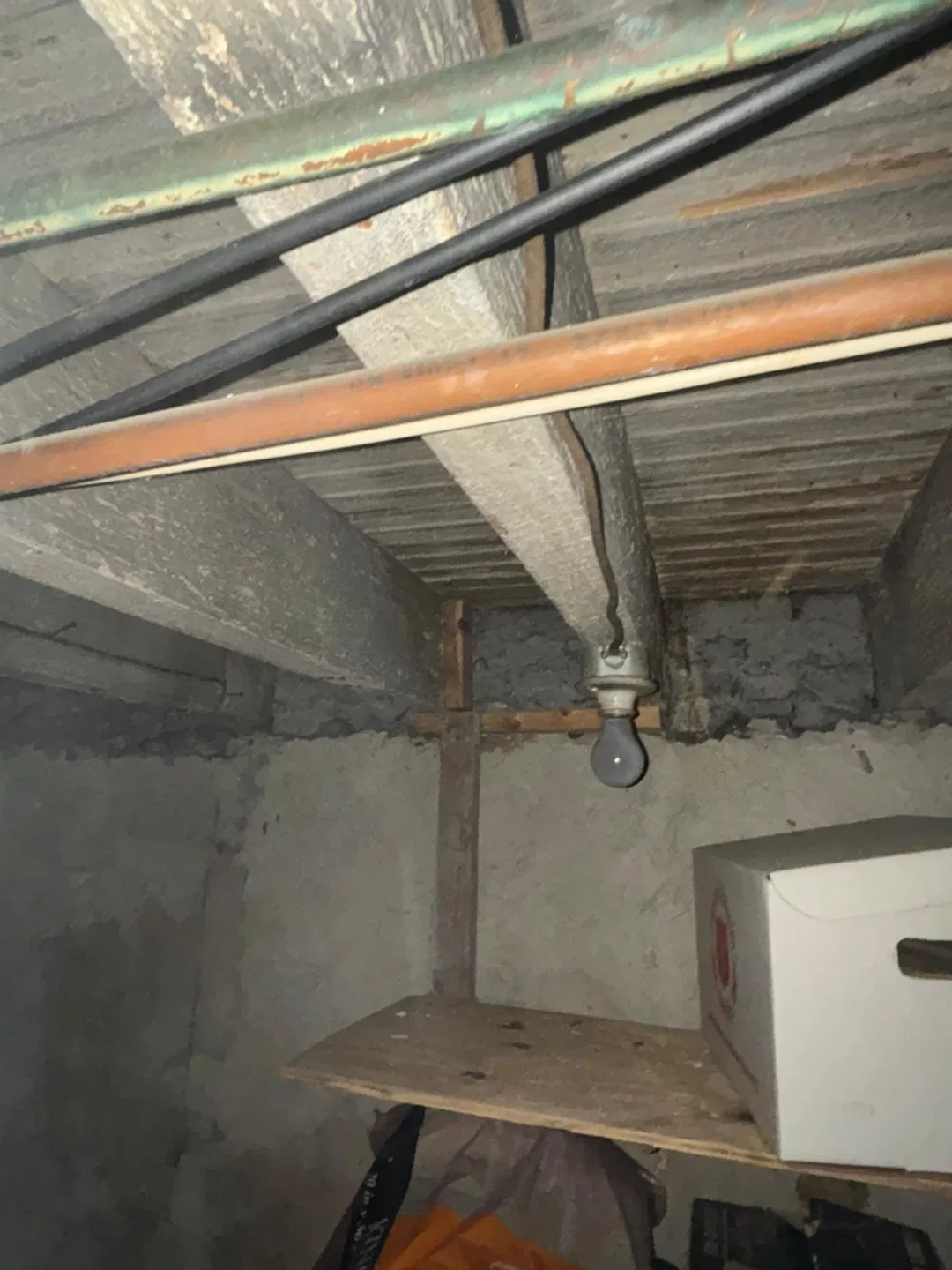
Humidity loves a basement with no airflow. Many Delaware County homes have finished or semi-finished basements where air vents are blocked by furniture or storage boxes. When air can't circulate, moisture gets trapped in corners and behind drywall.
This trapped moisture is exactly where mold spores start to settle. To fix this, try to keep a few inches of space between your belongings and the exterior walls. If your basement feels particularly stuffy, using a floor fan to move air around can make a huge difference.
If you’re planning a renovation, ensure your HVAC system is properly balanced to include the basement. Proper ventilation is one of the best defenses against needing professional water damage restoration later down the road.
3. Venting Your Dryer Directly Into the Basement
This might sound like a "no-brainer," but you'd be surprised how often we see dryer vents that have come loose or were never properly installed. A clothes dryer pumps out a massive amount of hot, moist air. If that vent isn't leading directly outside, you are essentially turning your basement into a sauna every time you dry a load of towels.
Check your dryer vent line today. Look for cracks, lint buildup, or gaps where the hose connects to the wall. If you see condensation on the walls near your laundry area, that’s a major red flag.
Keeping your appliances venting properly is a simple way to avoid the excess moisture that leads to sewage clean up or mold issues if a pipe happens to leak in that humid environment.

4. The "Carpet over Concrete" Trap
We all want a cozy basement, and wall-to-wall carpeting seems like the perfect way to get it. However, concrete is porous. It "breathes" moisture from the soil outside. When you put a carpet and pad directly over a concrete floor without a proper vapor barrier, you’re creating a giant sponge.
That sponge stays damp, dark, and warm: the holy trinity for mold growth. If you notice a musty smell that seems to come from the floor, your carpet might already be infested.
Instead of traditional carpet, consider moisture-resistant flooring options like luxury vinyl plank (LVP) or specialized basement flooring systems. If you must have carpet, ensure there is a professional-grade moisture barrier installed underneath. If you've already experienced a leak, check out our guide on carpet cleaning mistakes after water damage.
5. Overlooking Foundation Cracks
In areas like Bucks and Delaware County, our older homes often have small settlement cracks in the foundation. You might think a tiny crack is no big deal if you don't see water pouring through it, but humidity isn't just about liquid water.
Water vapor can seep through those cracks constantly. This "invisible" moisture raises the relative humidity of the room, making your dehumidifier work twice as hard. During heavy PA rainstorms, these tiny cracks can quickly become the source of an emergency flood cleanup.
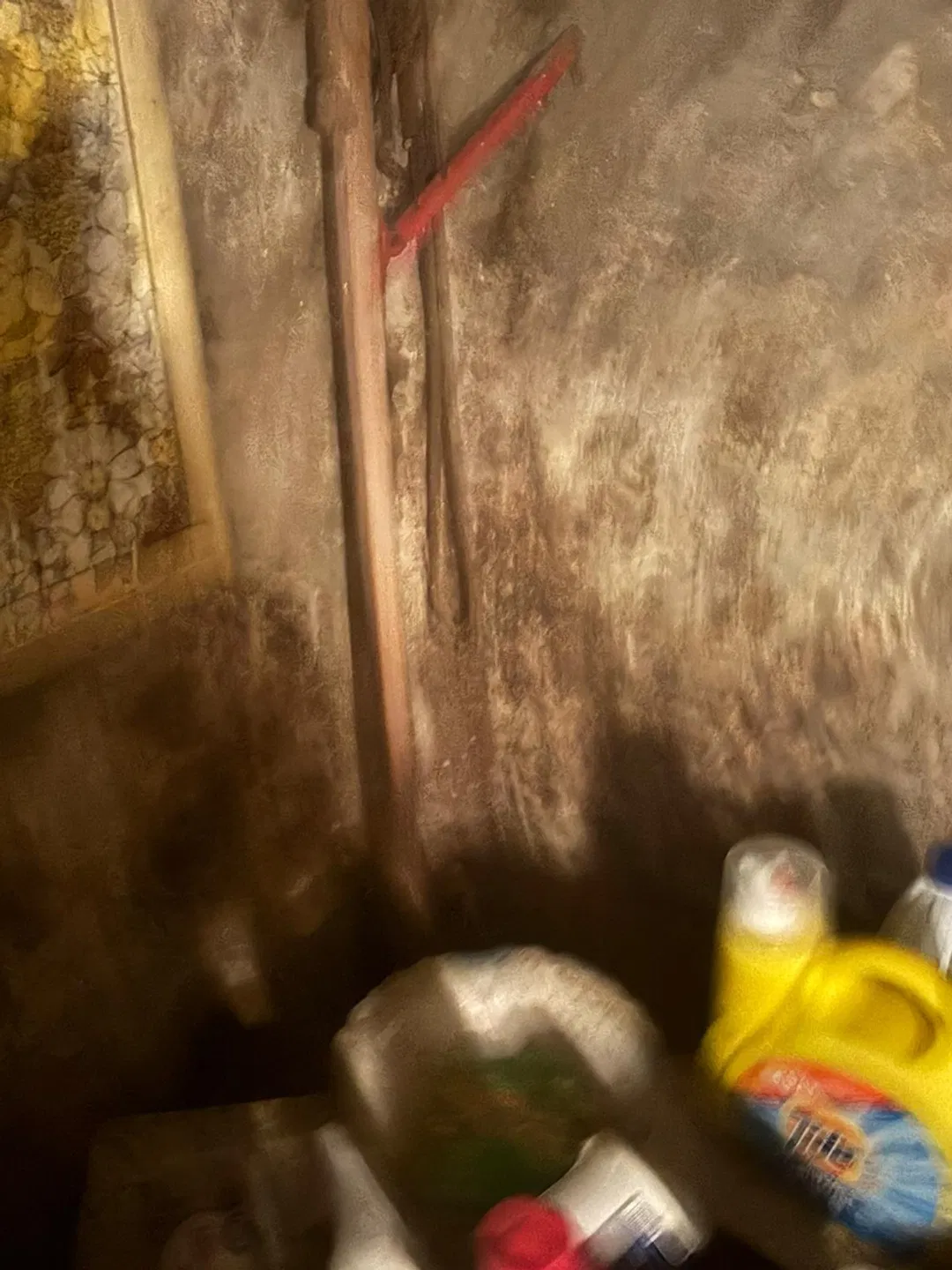
Take a flashlight and inspect your basement walls. If you see white, powdery stains (efflorescence) or visible cracks, it's time to seal them. Using a professional-grade sealant is a smart move, but for larger issues, you might need a pro to look at your exterior drainage.
6. DIY-ing the Root Cause
It’s tempting to try every DIY hack in the book to save a few bucks. We’ve seen people try to "waterproof" their basement with a simple coat of hardware-store paint or by stacking sandbags in the yard.
While DIY efforts are great for maintenance, they rarely solve deep-rooted humidity problems caused by poor exterior grading or a failing sump pump. If your gutters are overflowing or your yard slopes toward your house, all the dehumidifiers in the world won't keep your basement dry.
If you're struggling with recurring dampness, it might be time to look at the big picture. Regular sump pump maintenance is a great place to start, but sometimes you need a professional assessment to find where the water is actually coming from.
7. Not Monitoring Humidity Levels
How do you know if your basement is too humid? If you’re waiting until you can "feel" the dampness or smell the mold, it’s already too late. One of the most common mistakes is flying blind.
You can pick up a tool called a hygrometer for less than $15 at most local hardware stores. This little device tells you exactly what the humidity percentage is. For a healthy basement, you want to keep that number between 30% and 50%.
Anything over 60% is the "danger zone" where mold starts to thrive. By monitoring the levels daily, you can catch issues before they escalate. If you see the numbers spiking even with your dehumidifier running, you know there’s an underlying problem that needs attention.
When the Mistakes Lead to Mold
Sometimes, despite our best efforts, the Pennsylvania weather or an old foundation wins. If you find yourself staring at dark spots on your baseboards or smelling a persistent funk that won't go away, don't panic.
At My Water Damage Hero, we specialize in helping our neighbors navigate the stress of property damage. Whether it's a slow humidity build-up or a sudden pipe burst requiring emergency flood cleanup, we have the tools to get your home back to normal.
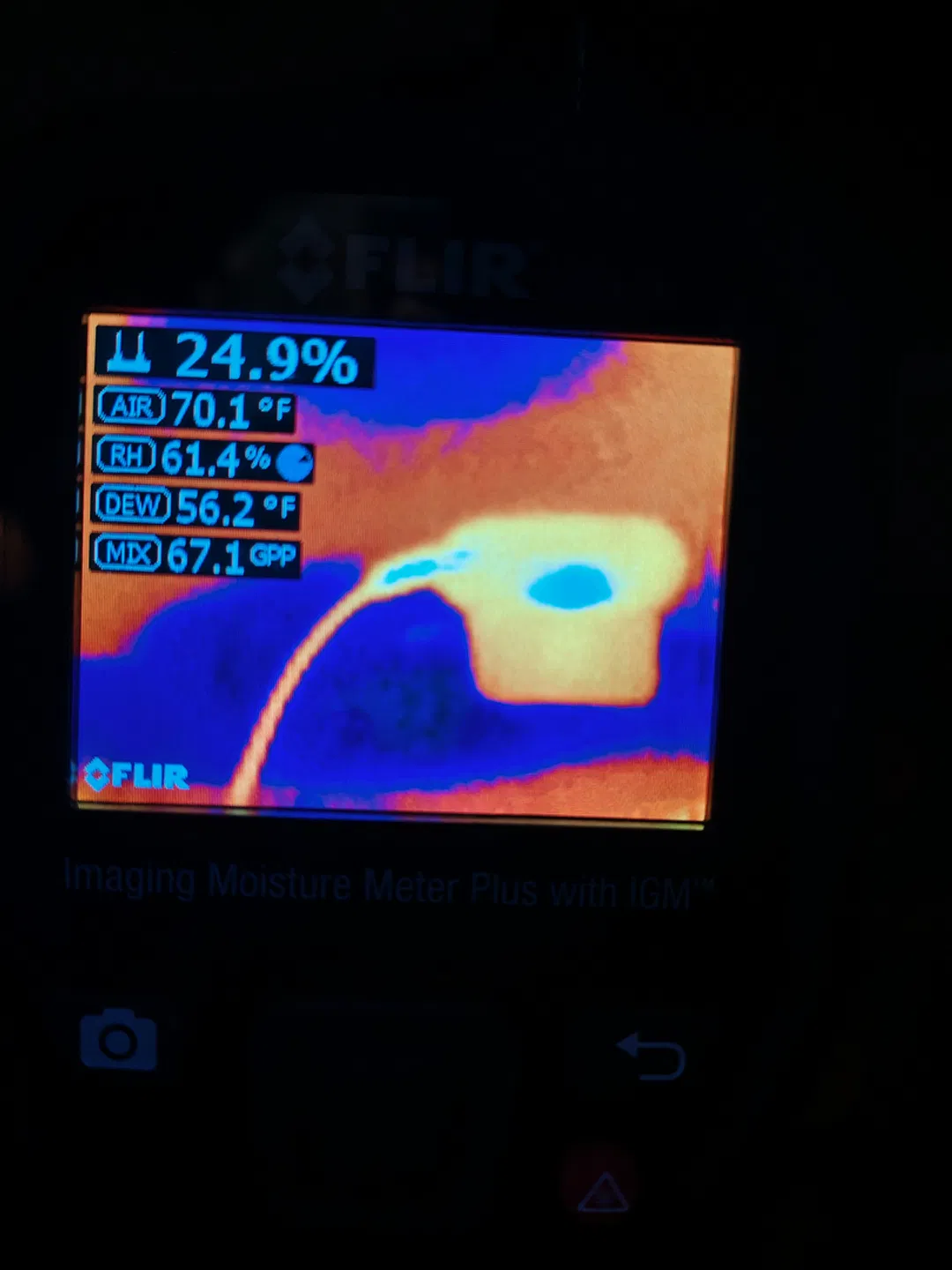
We use advanced technology like FLIR thermal imaging to find hidden moisture behind your walls, ensuring that when we treat a space, the problem is gone for good. Mold testing is a key part of our protocol to keep your family safe.
Let the Heroes Help
Managing a basement in Delaware County can feel like a full-time job. Between the seasonal humidity and the occasional heavy storm, there's always something to keep an eye on. But remember, you don't have to tackle it alone.
If you’re worried about the humidity levels in your home or if you’ve discovered a mess that’s too big for a DIY fix, reach out to us. From Berks to Chester and everywhere in between, My Water Damage Hero is ready to help 24/7.
Call us today at 610-228-7440 for a professional assessment. Let’s keep your basement dry, your air clean, and your home mold-free! For more tips on protecting your property, check out our about us page to see how we serve our community.
Comments