Boost Your Home’s Defenses Instantly with These 5 Water Damage Restoration Tips for Delaware County Families
- info603880
- Mar 25
- 4 min read
Waking up to the sound of rushing water is never how you want to start your morning. Whether it’s a burst pipe in the middle of a Delco winter or a flash flood after a heavy spring downpour, water damage is stressful. It’s messy, it’s overwhelming, and let’s be honest: it’s a bit scary.
If you’re standing in a puddle right now, take a deep breath. You’ve got this, and we’re here to help. At My Water Damage Hero, we’ve seen it all across Delaware, Montgomery, and Chester counties. We know that the first few hours are the most critical.
To help you protect your home and your sanity, we’ve put together five essential water damage restoration tips that every Delaware County family should know. These tips will help you boost your home's defenses instantly and stop a small leak from turning into a total renovation project.
1. Find Your "Kill Switch" and Use It
When water is pouring into your home, every second counts. Your first priority isn't grabbing a mop: it's stopping the flow. You need to know exactly where your main water shut-off valve is located. For most homes in our area, it’s usually in the basement near the front of the house or in a utility closet.
Stop the flow, then stop the power. Once the water is off, turn off the electricity to the affected areas at the breaker box. Water and electricity are a deadly combo. If you can’t reach the breaker safely without stepping in water, stay back and call a professional immediately.
While you're checking your defenses, you might want to look into 10 reasons your home flood defense isn't working to ensure your sump pump and valves are actually doing their job.
2. The 24-Hour Rule: Start the Big Dry
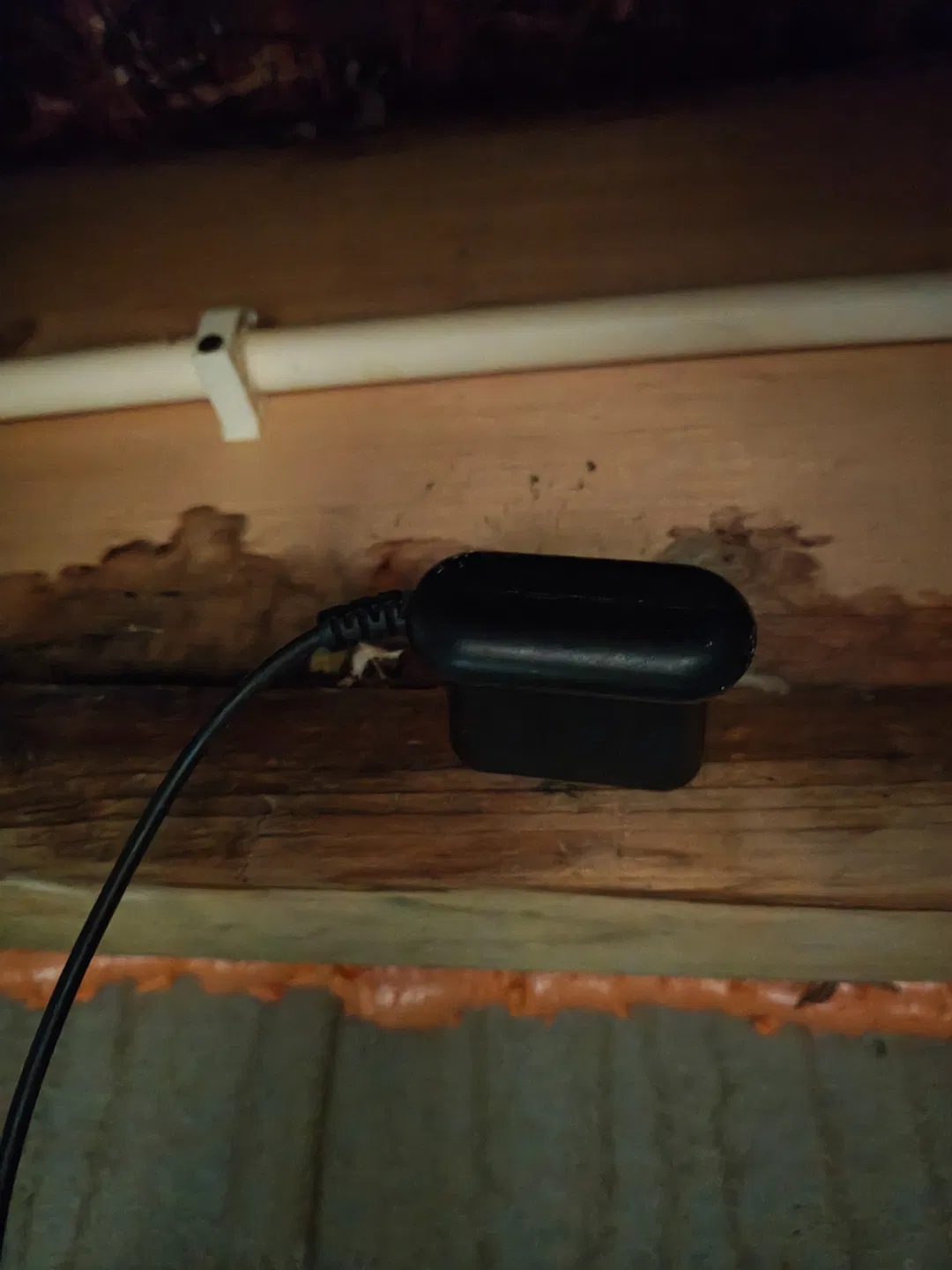
Time is the enemy. Mold loves moisture, and it doesn't take long to move in: usually within 24 to 48 hours. This is why emergency flood cleanup needs to happen fast.
Here is how you can jumpstart the process:
Create cross-currents: Open windows and doors if the humidity outside is lower than inside.
Use fans wisely: Position fans in opposite corners of the room to keep the air moving. This helps pull moisture out of drywall and carpets.
Dehumidify: If you have a dehumidifier, crank it to the highest setting.
Don't wait until you smell that "musty" odor. If things still feel damp after a day, you might be dealing with hidden moisture. This is when mold remediation becomes a real concern. If you're worried about what you can't see, check out our guide on how to stop mold before it starts.
3. Document Like a Detective
Before you start ripping up soaked carpet or tossing ruined boxes, grab your phone. You need a "paper trail" for your insurance company.
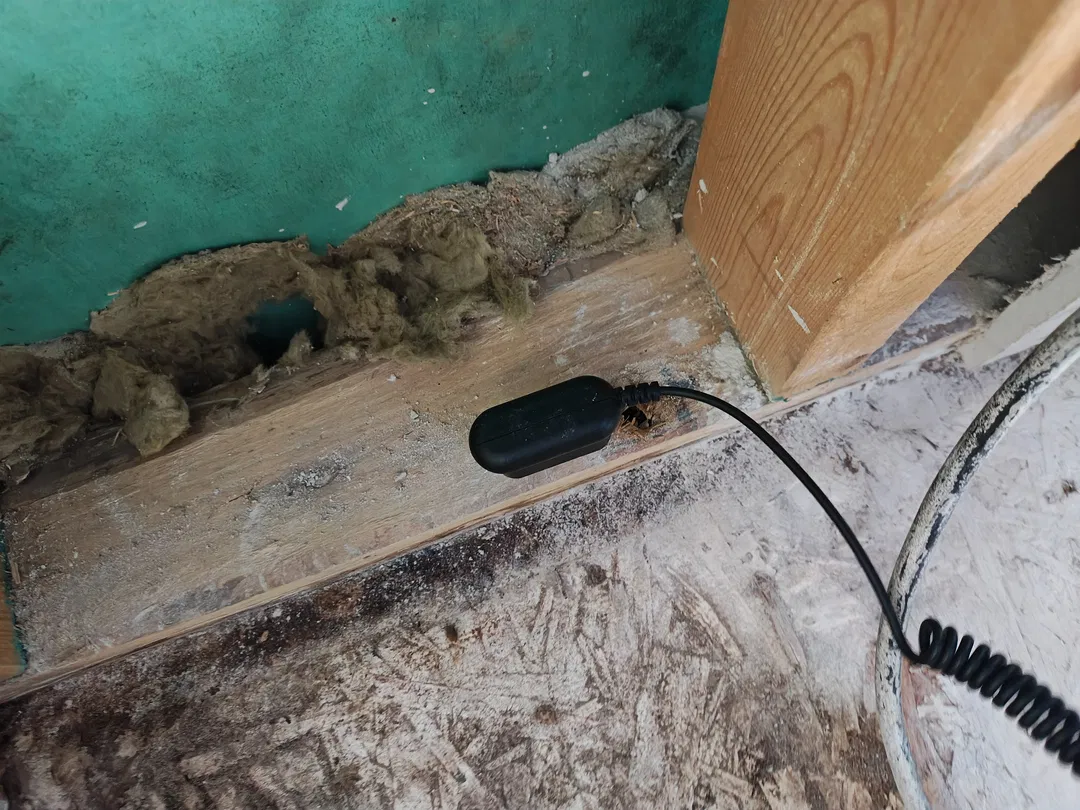
Take photos and videos of everything. Show the standing water, the damaged furniture, and even the source of the leak if possible. This assessment is your best friend when filing a claim. Insurance adjusters need to see the "before" to justify the "after."
We often tell our neighbors in Berks and Bucks counties that the more detail you have, the smoother your claim will go. For a deeper dive into what to do first, take a look at our ultimate guide to emergency flood cleanup in SEPA. It covers the crucial first 72 hours.
4. Safety First: The Danger of "Dirty" Water
Not all water is created equal. In the restoration world, we categorize water based on how clean it is.
Category 1: Clean water from a broken supply line.
Category 2: "Gray" water from a dishwasher or washing machine.
Category 3: "Black" water, which is highly contaminated (sewage or groundwater).
If you are dealing with a sewer backup, stop right there. Sewage clean up is not a DIY job. It contains pathogens and bacteria that can make your family seriously ill. Always wear protective gear: heavy gloves, boots, and masks: if you must enter a damp area.
In Chester County, we see many basement backups that require professional disinfection. You can read more about the 10 health risks of sewage clean up to understand why protective gear is non-negotiable.
5. Know When to Call the Heroes
We love a good DIY project as much as the next person, but water damage restoration is one area where professional help pays for itself. Professionals have tools that the average homeowner just doesn't have in their garage.
Think about things like:
Industrial Air Movers: These aren't your standard floor fans; they move massive amounts of air to dry structures from the inside out.
Moisture Meters: We use these to find water hidden behind your walls or under your hardwood floors.
Professional Water Extraction: Getting the standing water out quickly is the only way to save your subfloors.
Whether you are in Montgomery County or right here in Delaware County, calling for a professional assessment early can save you thousands in long-term repairs. If you are debating between doing it yourself or calling us, check out our post on DIY mold test kits vs. professional inspections.

Why Local Expertise Matters
Your home is likely your biggest investment. When disaster strikes, you want someone who knows the local area and the specific challenges of homes in SEPA. From the older stone foundations in Chester County to the modern builds in Montgomery County, every home reacts to water differently.
At My Water Damage Hero, we’ve spent years helping our neighbors recover from the unexpected. We pride ourselves on being fast, friendly, and transparent. We don’t just dry your floors; we restore your peace of mind. You can learn more about our history and why we do what we do on our 10-year hero journey page.
Quick Recap for Busy Families
If you’re skimming this while juggling a million other things, here is your "Cheat Sheet":
Shut it off: Kill the water and the power immediately.
Dry it out: Open windows, run fans, and use a dehumidifier.
Record it: Take pictures of everything before you clean up.
Stay safe: Wear gear and avoid contaminated water.
Get help: If the job is bigger than a bucket, call the professionals.
Water damage doesn't have to be the end of the world. With a quick response and the right tips, you can protect your family and your home from the worst of it.
If you find yourself facing an emergency, don't hesitate. We are available 24/7 for families across Delaware County and the surrounding regions. Stay dry out there, neighbors!

Comments