7 Mistakes You’re Making with Your Sump Pump (And How to Prevent Water Damage Restoration in Bucks County)
- info603880
- Apr 23
- 6 min read
It’s a rainy Tuesday night in Bucks County. You’re sitting on the couch, maybe watching the news or finishing up a book, when you hear it, that steady, rhythmic thump-hummm coming from the basement. It’s your sump pump, the unsung hero of your home, working overtime to keep the groundwater from turning your finished basement into an indoor swimming pool.
But here’s the scary part: most homeowners don't give their sump pump a second thought until they’re standing ankle-deep in water, frantically searching for an emergency flood cleanup crew.
We see it all the time at My Water Damage Hero. A simple mistake or a forgotten maintenance task leads to thousands of dollars in damage. The good news? Most of these disasters are totally preventable. If you live in Montgomery, Berks, or Bucks County, you know our weather can be unpredictable. Let’s make sure your "hero" in the basement is actually ready for the job.
Here are the 7 biggest mistakes you’re probably making with your sump pump and how to fix them before you need a water extraction service.
1. Buying the "Wrong Size" Pump
When it comes to sump pumps, bigger isn't always better, but smaller is definitely worse. Many homeowners head to the big-box store and grab the cheapest 1/3 HP (horsepower) pump they can find.
Here’s the thing: your pump needs to be sized specifically for your home’s "head height" (how high it has to lift the water) and the volume of water your soil produces. If the pump is too small, it will run constantly, overheat, and eventually burn out right when the storm is at its peak. If it’s too large, it will "short cycle," turning on and off too rapidly, which also kills the motor early.
How to prevent it: Ideally, your pump should handle about 1.5 times the potential water volume of your pit during a heavy rain. If you aren't sure, a 1/2 HP pump is often the "sweet spot" for many SEPA homes with deep basements.

2. Letting the Pit Become a Trash Can
Your sump pit isn't just a hole in the ground; it’s the intake for a precision machine. Over time, dirt, gravel, silt, and even loose bits of insulation or kids' toys can find their way into the pit.
When the pump kicks on, it acts like a vacuum. If a piece of gravel gets sucked into the impeller, it can jam the motor or shatter the plastic components. Even worse, fine silt can build up at the bottom, eventually burying the intake and causing the pump to run "dry," which leads to total mechanical failure.
How to prevent it: Check your pit every few months. Use a wet/dry vac to suck out any mud or debris at the bottom. Ensure the pump is sitting on a sturdy "pedestal" or a brick rather than directly on loose dirt or gravel. This prevents the intake from sucking up the "gunk" at the very bottom.
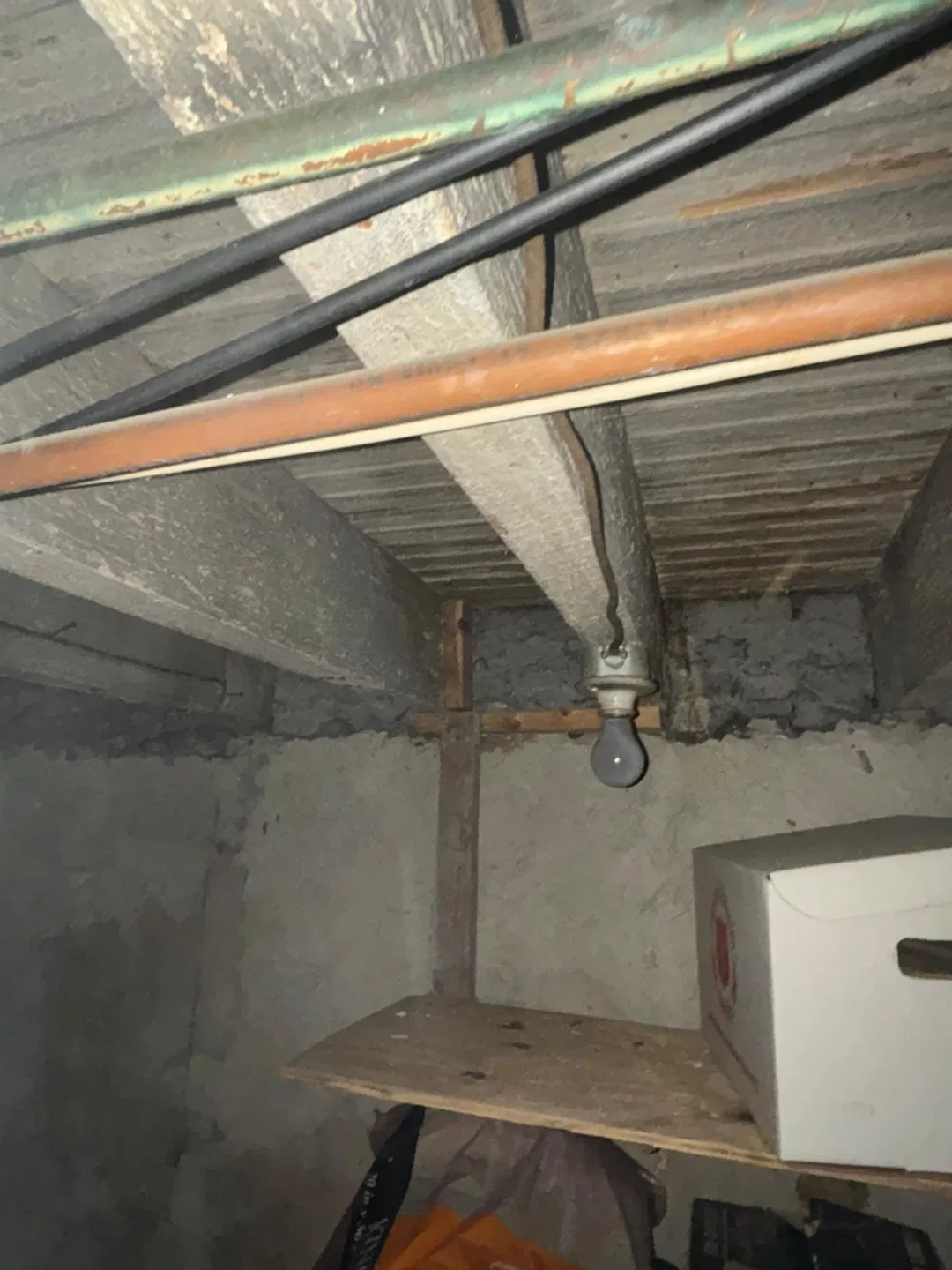
3. Ignoring the "Float Switch" Obstruction
The float switch is the "brain" of your sump pump. It’s usually a tethered or vertical ball that rises with the water level. When it reaches a certain height, it clicks the pump on.
One of the most common reasons for water damage restoration calls in Bucks County is a "stuck float." If the pump shifts slightly in the pit, the float can get pinned against the wall. If it's stuck in the "down" position, the pump never turns on. If it's stuck "up," the pump runs until the motor burns out.
How to prevent it: Gently reach into the pit and move the float up and down. Does it move freely? Does it click the pump on? Make sure the pump is centered in the basin so the float has plenty of "elbow room" to do its job.
4. The "Backwards" Check Valve Error
The check valve is that little device on the discharge pipe above the pump. Its job is to make sure that once water is pumped out, it stays out. Without a working check valve, all the water left in the pipe flows right back into the pit as soon as the pump turns off. This causes the pump to work twice as hard for the same result.
We’ve seen DIY installations where the check valve is installed upside down! If the arrow on the valve points toward the pump instead of away from it, no water will leave the pit at all.
How to prevent it: Check your discharge pipe. You should see a valve with an arrow pointing up. If your pump seems to be running every 30 seconds even after the rain stops, your check valve might be failing or installed incorrectly. Replacing this is a cheap way to avoid a major emergency flood cleanup.

5. Improper Discharge Pipe Placement
It doesn’t matter how fast your pump works if the water is just being dumped right next to your foundation. We often find discharge pipes that end just 2 feet from the house. In a heavy storm, that water just soaks back through the soil and ends up right back in your sump pit. It’s a never-ending cycle that eventually leads to foundation issues and mold remediation needs.
Another big mistake? Tying your sump pump into your septic system. This can overwhelm your septic tank and lead to a disgusting sewage clean up nightmare that costs a fortune to fix.
How to prevent it: Extend your discharge pipe at least 10 to 20 feet away from the foundation, preferably toward a natural slope or a storm drain. Ensure it isn't pointed toward your neighbor's yard, that’s a quick way to start a local feud!
6. Living Without a Battery Backup
In SEPA, heavy rain usually comes with wind and lightning. And what does wind and lightning bring? Power outages.
If your sump pump is strictly electric, it’s useless the moment the power goes out. This is the #1 cause of basement flooding during hurricanes and severe summer storms. Relying on a single power source is like driving a car without a spare tire.
How to prevent it: Invest in a high-quality battery backup system. These systems feature a second, smaller pump and a dedicated battery that can keep your basement dry for several hours (or even days) without AC power. If you’re really serious, consider a water-powered backup pump if your home is on municipal water, it uses water pressure to create suction and never needs a battery!
7. The "Set It and Forget It" Mentality
You haven’t had a flood in three years, so your pump must be fine, right? Wrong. Sump pumps are mechanical devices with a limited lifespan, usually 7 to 10 years. Because they sit in a damp, corrosive environment, parts can seize up over time.
If you don't test your pump until the water is already rising, you're playing a dangerous game. By the time you realize it's broken, the damage is already done. You’ll be looking at soaked carpets, ruined drywall, and the distinct "musty" smell that signals you need a moisture detection scan.
How to prevent it: Perform the "Bucket Test" once every three months. Pour 5 gallons of water into the pit and watch the pump activate. Listen for strange grinding noises or vibrations. If it sounds like a blender full of rocks, it’s time for a replacement.
What to Do if the Worst Happens
Even with the best maintenance, things can go wrong. Maybe a freak storm overwhelmed your system, or a lightning strike fried the circuit board. If you walk downstairs and see water creeping across the floor, don't panic.
Safety First: If the water has reached your electrical outlets, do not enter the basement. Turn off the power at the main breaker if it's safe to reach.
Save the Stuff: Move electronics and heirlooms to higher ground.
Call the Pros:Water damage restoration is a race against the clock. After 24 to 48 hours, mold can begin to grow, turning a "wet basement" into a "mold remediation" project.
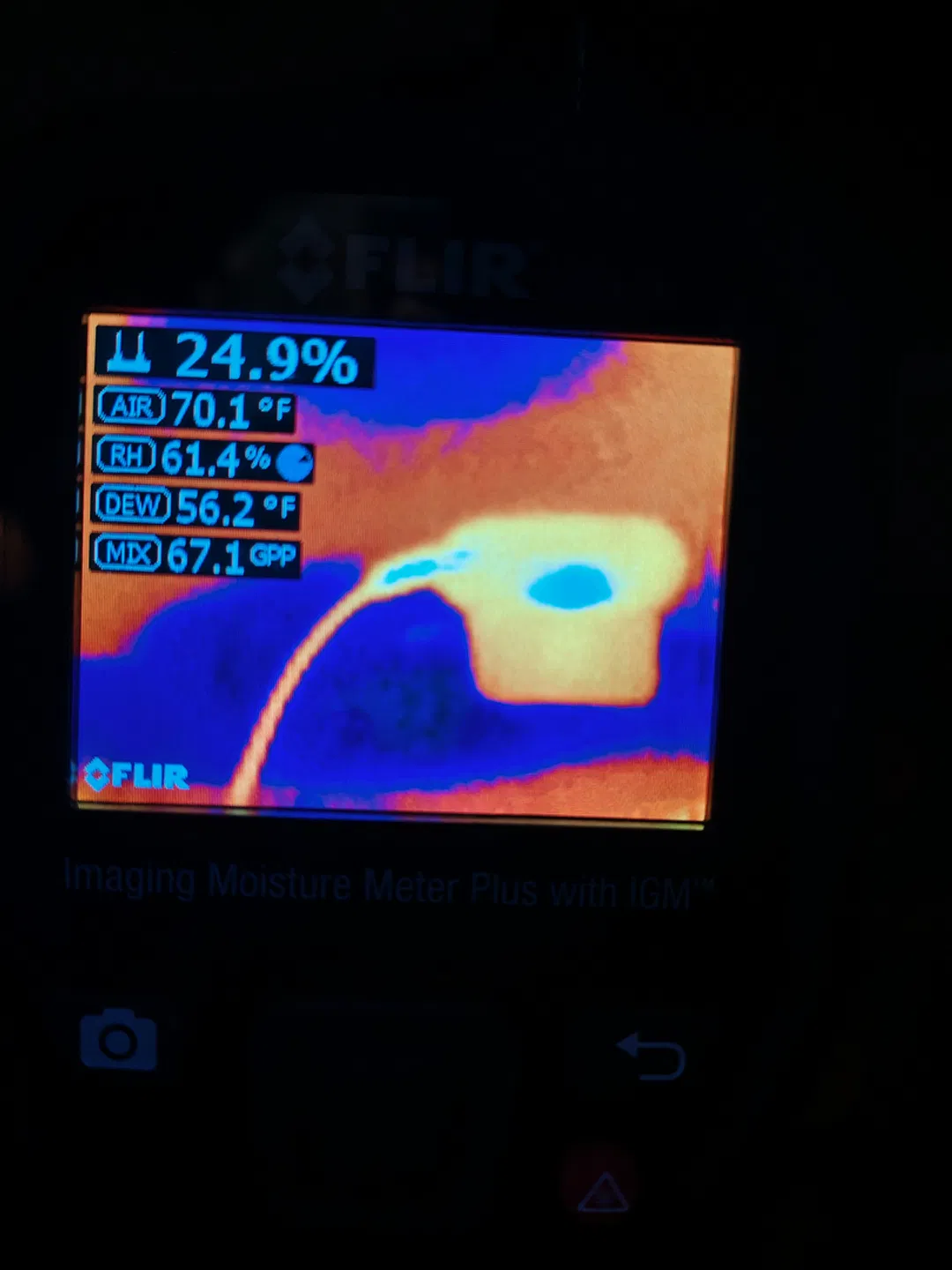
At My Water Damage Hero, we specialize in helping families in Delaware, Chester, Montgomery, and Bucks counties get their lives back to normal. We don't just suck out the water; we use advanced moisture meters and industrial dehumidifiers to ensure your home is truly dry, preventing future structural issues.
Final Thoughts from Penny
Your sump pump is the only thing standing between you and a very expensive, very soggy mess. Taking 10 minutes this weekend to check your pit, clear out some debris, and test your float switch could save you thousands of dollars and weeks of stress.
But hey, if you do find yourself facing a "stressful mess," remember that you don't have to tackle it alone. Our team is just a call away, ready to be the heroes your home deserves.
Stay dry out there, Bucks County!

Need help right now? Check out our Contact Us page for 24/7 emergency assistance or learn more about our story and why we love serving the SEPA community!
Comments