7 Mistakes You’re Making with Basement Storage (and How to Avoid Water Damage Restoration in Berks County)
Hey there, Berks County neighbors! We’ve all been there. You walk down into the basement with a stack of holiday decorations or a box of old clothes, and you just... find a corner. Before you know it, that corner becomes a mountain of memories, "just-in-case" items, and things you haven't touched since the Eagles won the Super Bowl in 2018.
It’s easy to treat the basement as a "catch-all," but here’s the thing: your basement is the most vulnerable part of your home when it comes to water. Whether it’s a heavy PA rainstorm, a sneaky pipe leak, or a sump pump that decides to take a vacation at the worst possible time, your stored items are on the front lines.
At My Water Damage Hero, we see it every day. Homeowners call us for water damage restoration 101: a beginner’s guide to protecting your Berks County home because their precious belongings are floating in two inches of water. The good news? Most of this heartache is preventable.
Let's dive into the seven most common mistakes you're making with basement storage and how you can fix them today to avoid a stressful mess later.
1. The "Cardboard Box" Trap
This is arguably the biggest mistake we see in Berks and Montgomery counties. Cardboard is cheap, easy to find, and fits perfectly in a car trunk. But in a basement? Cardboard is basically a sponge.
Not only does cardboard soak up water instantly during a flood, but it also absorbs ambient humidity. This creates the perfect breeding ground for mold. If you’ve ever walked into a basement and noticed that "musty" smell, you’re likely smelling damp cardboard. Once mold takes hold, you’re looking at a need for mold remediation rather than just a simple cleaning.
The Fix: Switch to plastic airtight bins. They protect your items from moisture, pests, and even minor flooding. If a pipe drips on a plastic bin, your high school yearbooks stay dry. If it drips on a cardboard box, those yearbooks are history.

2. Storing Items Directly on the Floor
It’s tempting to just slide a box onto the concrete floor and call it a day. However, even if you don't have a major flood, concrete is porous. It "breathes," and moisture can seep through the slab, making the bottom of your boxes damp.
In the event of a minor leak or a small backup, even half an inch of water can ruin everything touching the floor. We’ve seen entire basements of furniture and electronics ruined because they weren't elevated just a few inches. This often leads to a frantic call for emergency flood cleanup.
The Fix: Use shelving units or simple wooden pallets to get your items at least 4 to 6 inches off the ground. Metal or plastic shelving is best, as wood can also rot and grow mold if the basement stays damp.
3. Treating the Basement Like a Museum for Heirlooms
We understand. You want to keep your wedding dress, your grandmother's lace tablecloths, and your childhood photo albums safe. But the basement is the most dangerous place for these items.
Sensitive materials like fabric, paper, and wood are incredibly susceptible to humidity fluctuations. Over time, the moisture in the air causes photos to stick together and fabrics to develop permanent yellowing and mold growth. By the time you notice it, you might need a professional mold protocol just to handle the cleanup.
The Fix: Keep the "unreplaceables" in a climate-controlled part of the house, like a bedroom closet or an attic (as long as it’s ventilated). If they must stay in the basement, use vacuum-sealed bags inside plastic bins.
4. Ignoring Humidity and Airflow
A basement can look dry but still be "wet." High humidity is the silent enemy of home safety in Southeastern PA. When the air is thick with moisture, it settles on surfaces, leading to rot and mold.
Many homeowners forget that their basement needs to breathe. If you pack boxes wall-to-wall and floor-to-ceiling, you’re creating "dead zones" where air doesn't circulate. This is where mold loves to hide. You might not even know you have a problem until the smell becomes unbearable or someone starts sneezing.
The Fix: Run a dehumidifier year-round, especially in the humid summer months. Keep it set to around 45-50%. Also, leave a little space between your storage bins and the exterior walls to allow for airflow.
5. Blocking Access to the Sump Pump and Utilities
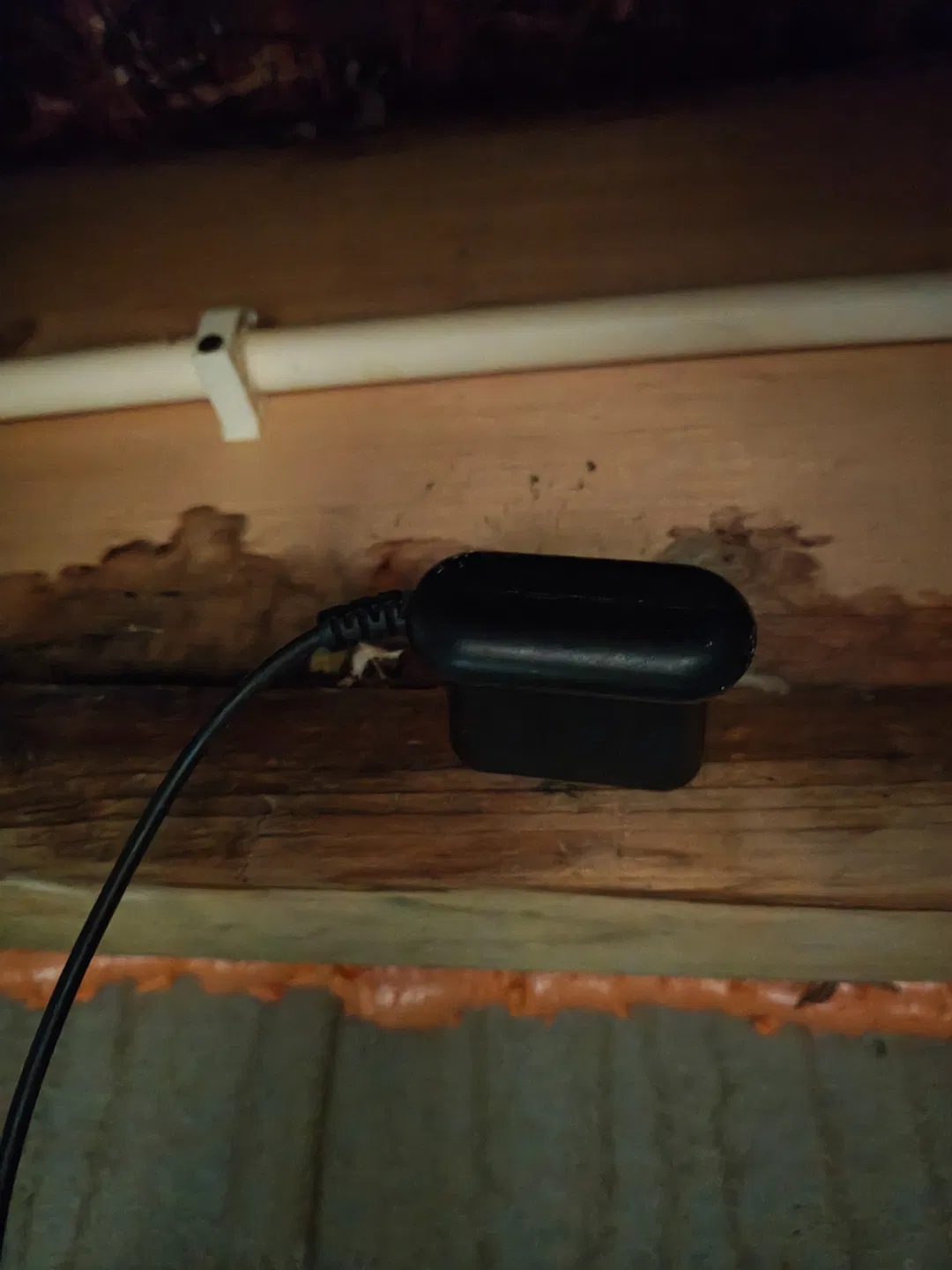
When a pipe bursts or the sky opens up and floods your yard, every second counts. If our team at My Water Damage Hero arrives for an emergency flood cleanup and we can't find your sump pump because it’s buried under a mountain of old sports equipment, we’re losing valuable time.
The same goes for your water main shut-off valve and your furnace. If there’s a sewage backup, you need to be able to reach your clean-out immediately. Blocking these areas isn't just a storage mistake; it’s a safety hazard.
The Fix: Create a "clear zone." Mark a 3-foot perimeter around your sump pump, water heater, electrical panel, and water shut-off with tape on the floor. Nothing: absolutely nothing: should ever be stored in that zone. You'll thank yourself later when you're not playing "find the valve" in the dark during a leak. Check out our tips on 7 mistakes you’re making with sump pump maintenance to ensure yours is ready for action.

6. Storing Food and "Natural" Items Improperly
Storing a year's supply of paper towels or canned goods in the basement? That's fine if done correctly. But storing bags of flour, pet food, or even large amounts of birdseed in their original paper packaging is a recipe for disaster.
Not only does the paper absorb moisture (leading to mold), but it also attracts pests. If your basement has any history of dampness, these organic materials will rot and create a terrible odor. We’ve seen cases where a small flood turned into a sewage clean up nightmare because organic materials mixed with the water and became a biohazard.
The Fix: If you store food, use galvanized metal bins or heavy-duty plastic containers with locking lids. Regularly inspect these areas for signs of moisture or "critter" activity.
7. Thinking "Out of Sight, Out of Mind"
The biggest mistake of all is simply not checking on your storage. You put things down there in September and don't look at them again until May. In those months, a small trickle from a foundation crack could have been slowly soaking your carpet or your stored boxes.
Daily or even weekly inspections are the "secret sauce" to avoiding massive water damage restoration bills. Many successful SEPA homeowners have a 5-minute daily water damage restoration prevention routine. It sounds like a lot, but it’s just a quick walk-through to look for new spots or smells.
The Fix: Make it a habit. Once a week, take a walk through your basement with a flashlight. Look at the corners, check around the pipes, and give the air a good sniff. If something smells different, investigate it immediately.
Why Local Expertise Matters in Berks County
Living in Berks County, we deal with specific challenges: older homes with stone foundations, high water tables, and those intense seasonal storms. Protecting your home is about more than just having a nice basement; it’s about protecting your investment and your family’s health.
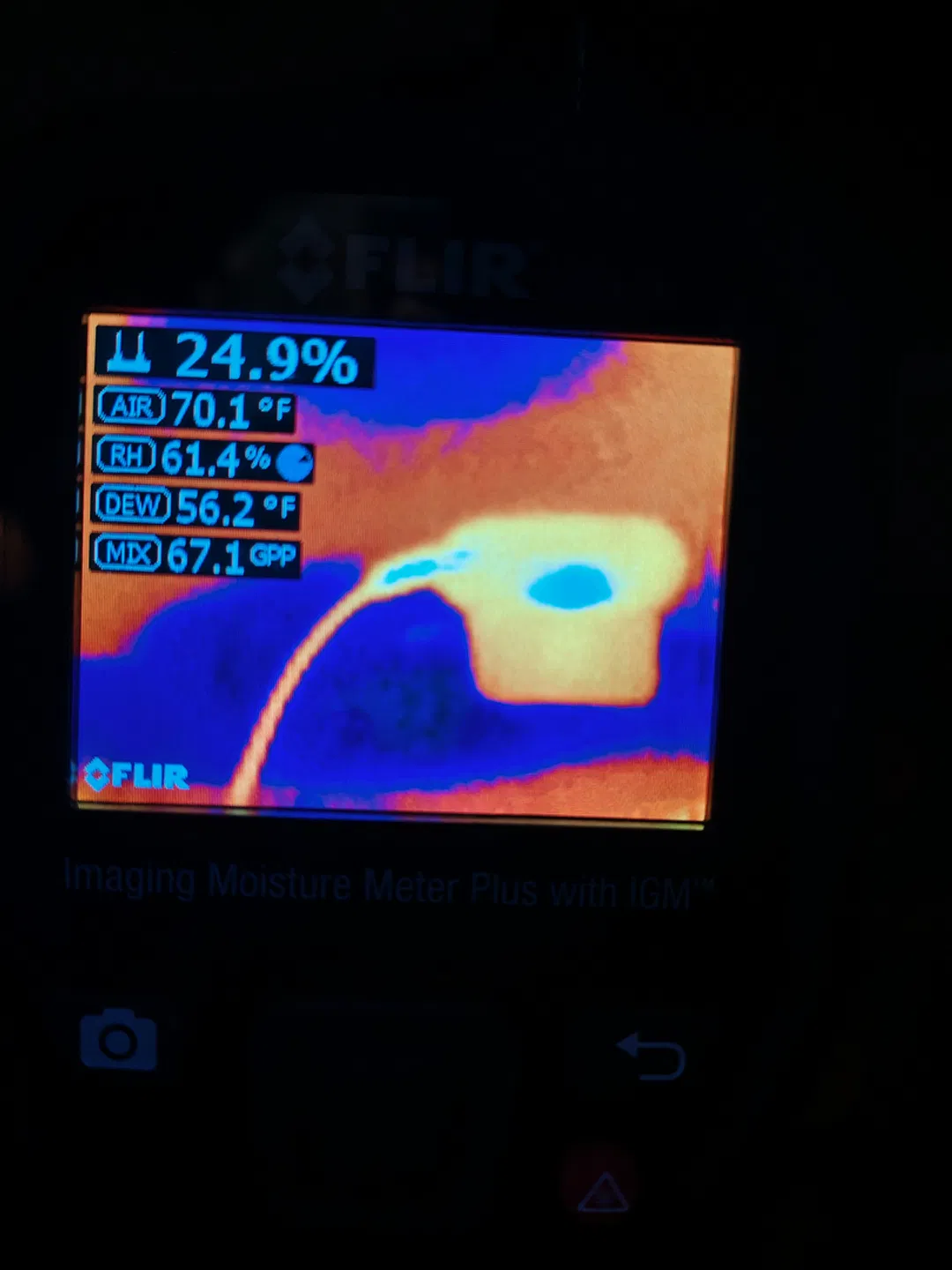
If you do find yourself facing a "stressful mess," don't panic. Whether it’s a tiny mold spot or a major flood, you don't have to handle it alone. Professional restoration isn't just about sucking up water; it’s about using high-tech tools like moisture meters and infrared cameras to ensure your home is truly dry and safe.
At My Water Damage Hero, we pride ourselves on being your neighborly experts. We serve Montgomery, Berks, Bucks, Delaware, and Chester counties with 24/7 emergency response. We know that when you're standing in a flooded basement, you don't need a sales pitch: you need a hero.

Ready to Secure Your Home?
Don't wait for the next big storm to realize your storage habits are putting your home at risk. Spend this weekend clearing out the cardboard, elevating your bins, and checking that sump pump. It’s the fastest way to get better at preventing water damage.
If you’ve discovered a leak or that dreaded "musty smell" while reorganizing, give us a call. We offer transparent pricing and fast scheduling to get your Berks County home back to normal in no time. Stay dry, neighbors!
Comments