The Fastest Way to Get Better at Preventing Water Damage: Your Daily SEPA Home Safety Guide
- info603880
- Apr 14
- 5 min read
Hey there, neighbor! If you’re reading this, you probably care a lot about your home. Whether you’re nestled in a historic stone house in Bucks County or a cozy suburban split-level in Montgomery County, your home is your sanctuary. But let’s be real for a second: water is a sneaky ninja. It doesn’t need a massive storm to cause chaos. Sometimes, it’s just a slow drip behind the dishwasher or a tiny crack in a pipe that turns your Saturday morning into a full-blown emergency.
The stress of finding a puddle in the basement is overwhelming. We get it. That "sinky" feeling in your stomach when you realize you might need water damage restoration is something we want to help you avoid entirely.
The good news? You don’t need to be a certified plumber to become a pro at prevention. You just need a routine. This guide is designed for busy SEPA homeowners: from Delaware County to Berks and Chester: to help you master home safety in just a few minutes a day.
The 5-Minute Morning "Walk-About"
You brush your teeth, you grab your coffee, and you head out the door. But what if you added five minutes to that routine to save yourself thousands of dollars? Creating a 5-minute leak check routine is the single fastest way to get better at protecting your property.
Here is your daily checklist:
The Kitchen Kick: Give the baseboard under your kitchen sink a quick glance. Any dampness or "musty" smell?
The Toilet Listen: When you flush, does it stop running when it should? A toilet that runs constantly isn't just a waste of water; it’s a sign of a failing valve that could eventually leak.
The Fridge Floor: Take a peek at the floor in front of your refrigerator. If you have an ice maker, the plastic line behind it is a common culprit for slow, hidden leaks.
The Utility Room Peek: If your water heater is in a spot you pass by daily, just look for any pooling water at the base.
By making this a habit, you catch the "drip" before it becomes a "flood." It’s much easier to tighten a valve today than to call for emergency flood cleanup tomorrow.
Why SEPA Homes are Unique Risks
Living in Southeastern Pennsylvania comes with its own set of challenges. We deal with heavy spring rains that soak the ground in Chester County and humid summers that turn Delaware County basements into petri dishes.
Because of our local climate, mold remediation is a topic we talk about a lot. In our area, moisture doesn't just sit; it breeds. If you have a small leak that goes unnoticed for even 48 hours, mold can start to take hold. This is why staying on top of daily checks is even more critical for us than it might be for someone living in a drier climate.

High-Tech Help: The "Set It and Forget It" Strategy
If you really want to level up your prevention game quickly, technology is your best friend. We’re in 2026, and the tools available to homeowners now are incredible. You can actually monitor your home’s health from your phone while you’re at work in West Chester or grabbing lunch in Media.
Smart Water Sensors are tiny devices you place near high-risk areas: like under the washing machine, near the sump pump, or behind the water heater. If they detect even a teaspoon of water, they send an alert straight to your smartphone.
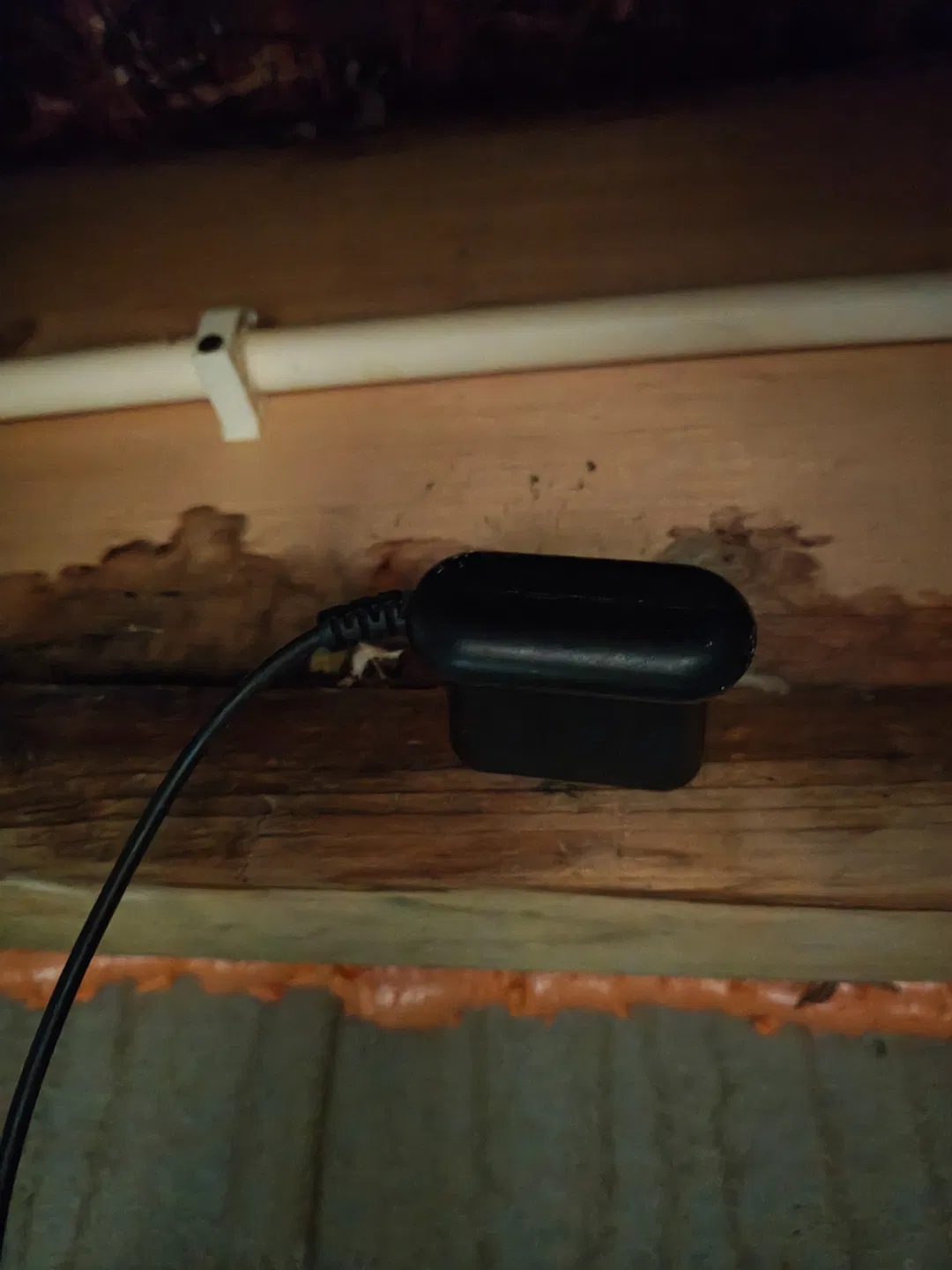
For many of our clients in Montgomery and Bucks counties, these sensors have been the difference between a quick mop-up and a total basement renovation. If you haven't looked into smart moisture detection yet, you're missing out on the easiest way to sleep better at night. Check out some smart moisture detection secrets to see how the pros use this tech.
Managing the "Big Three" Inside Your Walls
When we get called out for water damage restoration, it’s usually because of one of three things: appliances, pipes, or backups.
1. The Washing Machine
Those rubber hoses that come with most washers? They have a lifespan. In the SEPA area, with our varying water pressure, they can brittle and burst. Swap them out for stainless steel braided hoses. It takes ten minutes and provides years of peace of mind.
2. The Sump Pump
If you have a basement in Pennsylvania, your sump pump is your best friend. But even best friends need a check-up. Once a month, pour a bucket of water into the pit to make sure it kicks on. If it doesn't, you might be looking at a future need for emergency flood cleanup. Also, make sure you know if your insurance covers sump pump failure, as many standard policies actually don't!
3. Sewage Lines
This is the one nobody wants to talk about. Sewage clean up is a tough, messy job that requires professional biohazard handling. To prevent this, never flush "flushable" wipes (they aren't actually flushable for older SEPA sewer lines) and be careful with what goes down your garbage disposal.
Don't Forget the Outside
Your home’s first line of defense is its exterior. If water can't get in, it can't cause damage.
Gutters: In Berks and Bucks counties, we have a lot of beautiful trees. Those trees drop leaves that clog gutters. Clogged gutters lead to water overflowing and pooling at your foundation, which eventually leads to a wet basement. Clean them twice a year: no excuses!
Downspouts: Make sure they carry water at least 5 to 10 feet away from your house.
Grading: Take a walk around your house during a heavy rain. Is the water flowing toward your foundation or away from it? If it’s toward, you might need to add some topsoil to change the slope.
When Prevention Fails: The First 48 Hours
Sometimes, despite your best efforts, life happens. A pipe freezes in a Delaware County cold snap, or a heavy storm overwhelms your drainage. When that happens, the clock starts ticking.
The first 48 hours are the most critical. This is the window where we can usually dry things out before mold becomes a major factor. If you find standing water:
Safety first: Turn off the electricity to the affected area if it’s safe to do so.
Stop the source: Shut off your main water valve.
Call the pros: Reach out for water damage restoration immediately.
At My Water Damage Hero, we use advanced technology like FLIR moisture detection to find water hidden behind your drywall that the naked eye can’t see.
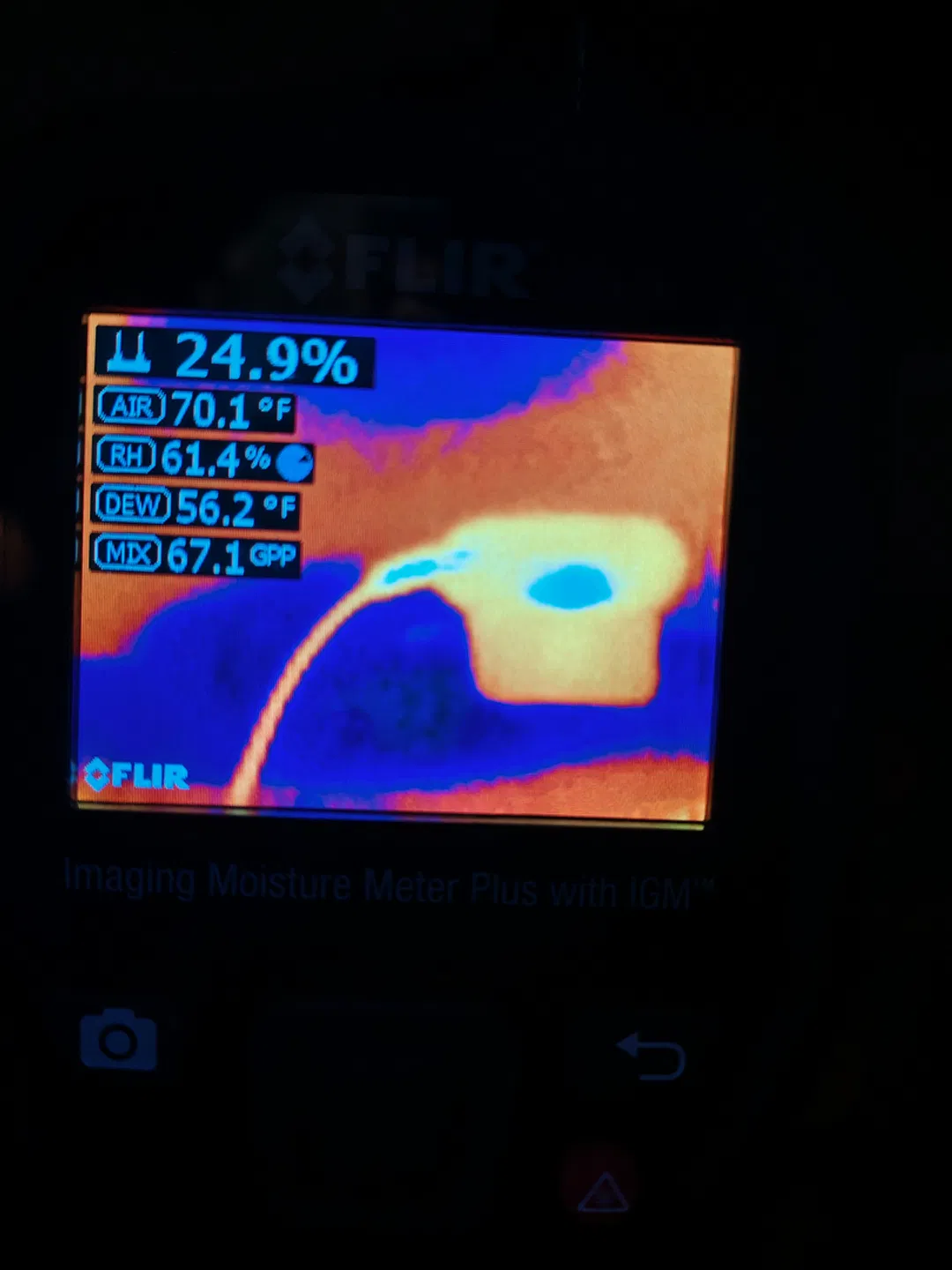
Knowing exactly where the water is helps us target the drying process, which saves you time and money. We’re big believers in doing the job right the first time so you don't have to deal with recurring issues later.
Final Thoughts for Our SEPA Neighbors
Building these daily habits doesn't take much effort, but the payoff is massive. Think of it like a "health check" for your home. You’re not just looking for problems; you’re ensuring your family stays safe and your investment stays protected.
Whether you're looking for more daily habits or you need immediate help with a mess, we are here for you. We live and work in these counties too, and we treat every home like it's our own.
If you ever find yourself staring at a puddle and feeling that panic rise, just remember: you don't have to handle it alone. Take a deep breath, give us a call at My Water Damage Hero, and we'll get your life back to normal.
Stay dry, stay safe, and keep up those 5-minute checks!
Need professional help or a free estimate? Visit our Contact Us page or learn more About Us and how we serve the Montgomery, Berks, Bucks, Delaware, and Chester county communities 24/7.
Comments