5 Steps How to Prep Your Pipes and Avoid Emergency Flood Cleanup (Easy Guide for Delaware County Homeowners)
- info603880
- Mar 24
- 5 min read
Hey there, neighbor! If you’re living in Delaware County, you know exactly how unpredictable our weather can be. One day we’re enjoying a crisp spring breeze, and the next, a surprise cold snap has us digging our heavy coats back out of the attic.
While we can’t control the PA weather, we can definitely control how our homes handle it. There is nothing quite as stressful as waking up to the sound of rushing water in your basement because a pipe finally gave up the ghost. It’s loud, it’s messy, and it’s the last thing any busy Delco homeowner wants to deal with.
But don’t fret! Most of these plumbing nightmares are totally preventable with just a little bit of prep work. At My Water Damage Hero, we’ve seen it all, from small drips to full-blown indoor swimming pools. We’ve put together this easy 5-step guide to help you prep your pipes and avoid the need for emergency flood cleanup.
Let’s dive into how you can protect your sanctuary.
1. Insulate Pipes in Your Home’s "Cold Zones"
Think of your pipes like your own body, when it gets freezing out, they need a coat! In many Delaware County homes, especially the beautiful older ones in places like Media or Havertown, plumbing often runs through unheated areas.
Identify and wrap pipes located in basements, attics, garages, and crawl spaces. These are your "vulnerable zones" because they don't benefit from your home’s central heating.
What to use:
Foam pipe insulation sleeves: These are super cheap and literally snap right onto the pipe. You can find them at any local hardware store.
Fiberglass insulation: Good for tight corners, just make sure to secure it with heavy-duty tape.
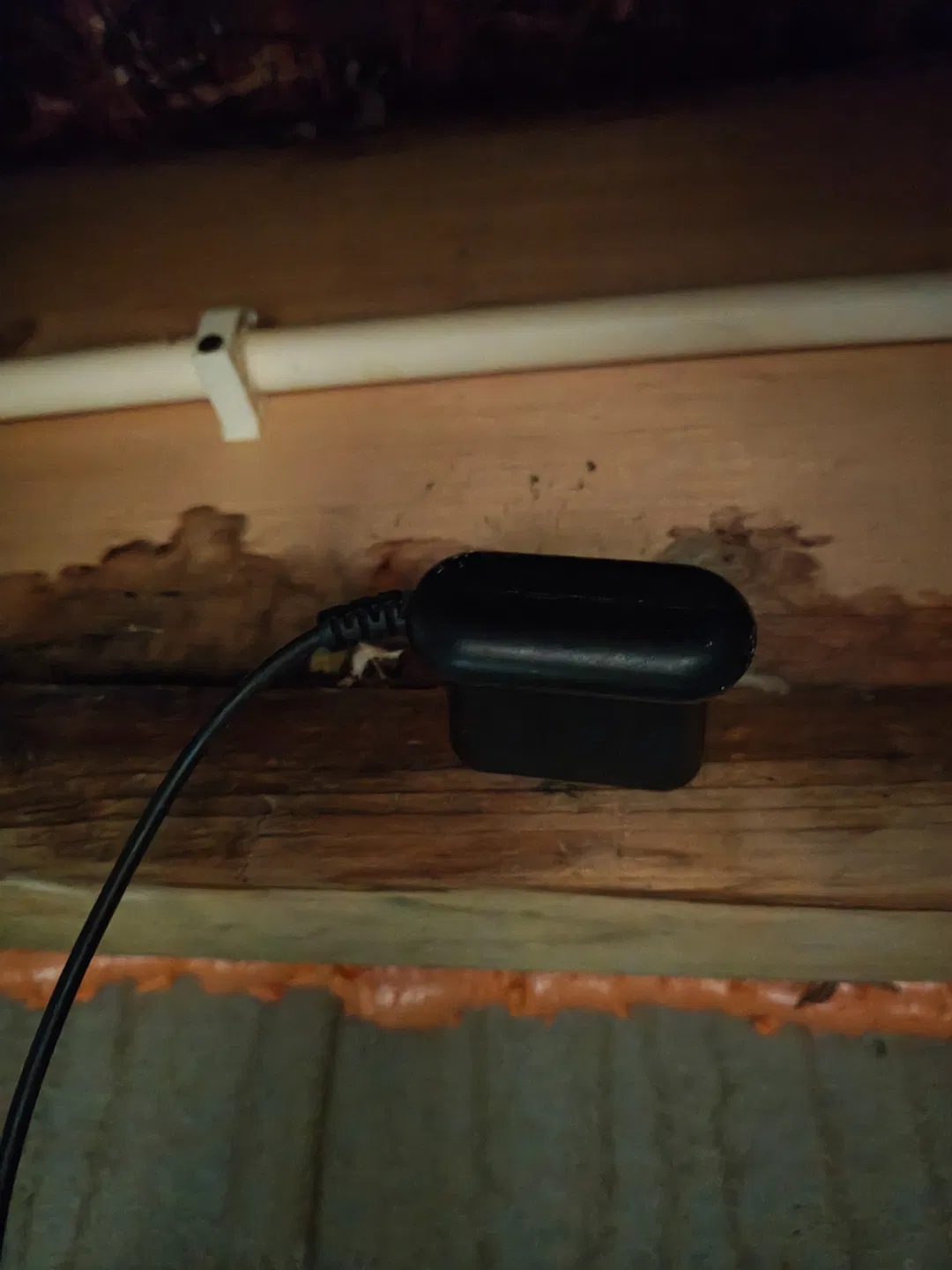
Heat tape: For those stubborn pipes near exterior walls that always seem to freeze, heat tape is a lifesaver. It’s an electrical cord that warms the pipe just enough to keep the water flowing.
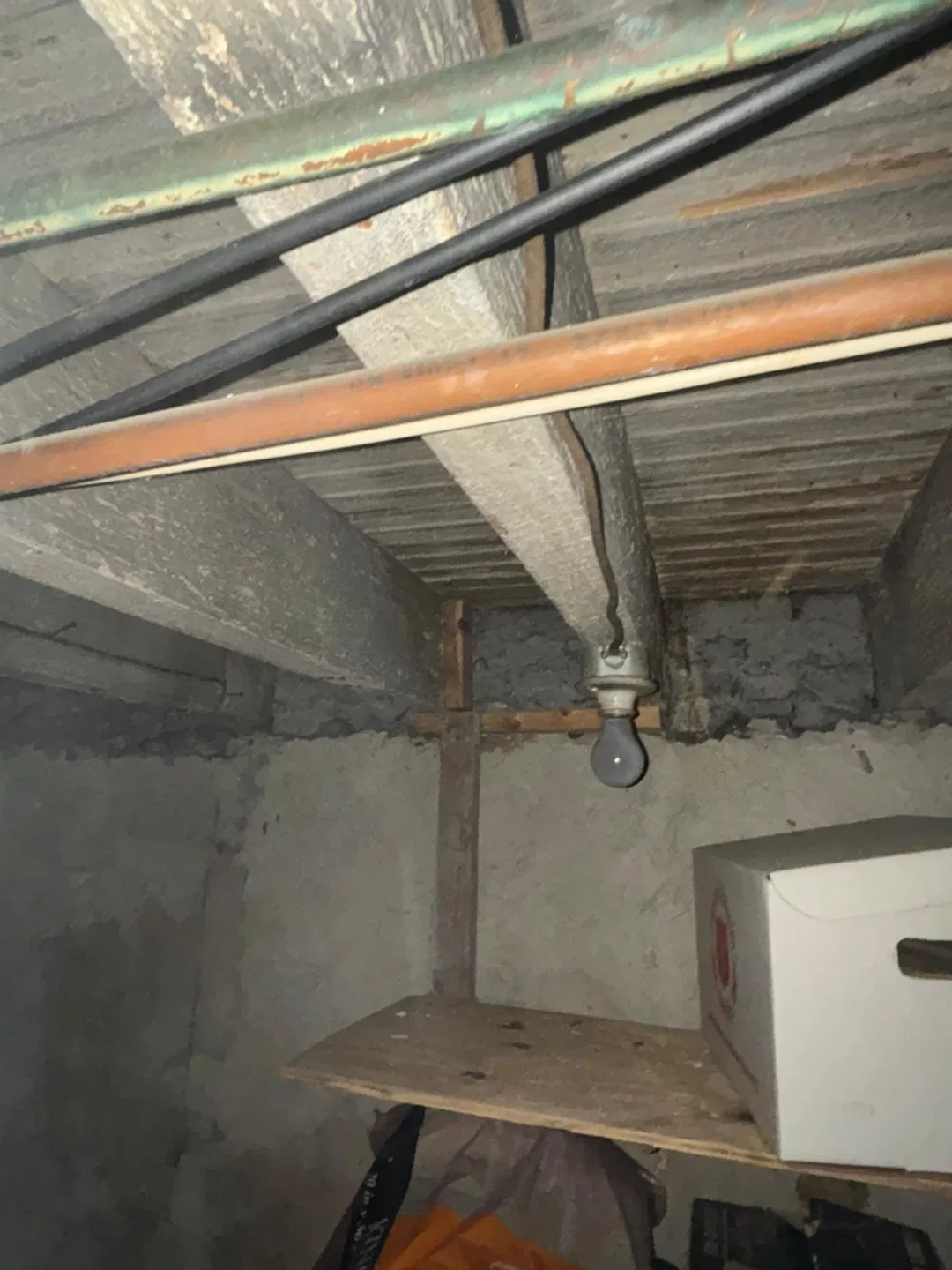
By taking an hour on a Saturday to wrap these exposed lines, you’re significantly lowering your risk of needing water damage restoration later on.
2. The Outdoor Drain-Down: Hoses and Spigots
This is the step most people forget until it’s too late. If you leave a garden hose attached to your outdoor faucet during a freeze, the water inside the hose freezes and expands. That pressure backs up right into the pipe inside your wall. Pop! Now you have a hidden leak inside your siding or basement wall.
Here is your checklist:
Disconnect all hoses: Do this before the first frost (usually late October, but keep an eye on the forecast). Drain them and store them in the shed or garage.
Shut off the interior valve: Most homes have a separate shut-off valve for the outdoor spigots. Find it, turn it off, and then go outside and open the faucet to let the remaining water drain out.
Insulated covers: If you can't find a shut-off valve, grab one of those foam "faucet socks" to provide an extra layer of protection against the Delco chill.
If you’ve already noticed dampness near your foundation, it might be time for a professional water damage assessment to make sure a small crack hasn't already started.
3. Seal the Drafts (Don't Let the Cold In!)
Small drafts are the silent killers of plumbing. A tiny crack in your foundation or a gap around a dryer vent can let in a jet of freezing air that points directly at a water line. Even if your thermostat says 70 degrees, that specific pipe could be sitting in a 20-degree breeze.
Take a walk around your home's exterior and look for:
Cracks in the foundation.
Gaps around cable lines, phone lines, or vents.
Poorly sealed windows in the basement.
Pro-tip: Use spray foam insulation or caulk to seal these gaps. It’s an easy DIY fix that keeps your home warmer and your pipes safer. While you’re down there checking for drafts, keep an eye out for any musty smells. Often, a slow leak leads to mold long before it leads to a flood, and you might need mold remediation to keep your air quality safe.
4. Maintain a Consistent Indoor Temperature
We all want to save money on the heating bill, but "vacation mode" can sometimes lead to an emergency flood cleanup nightmare.
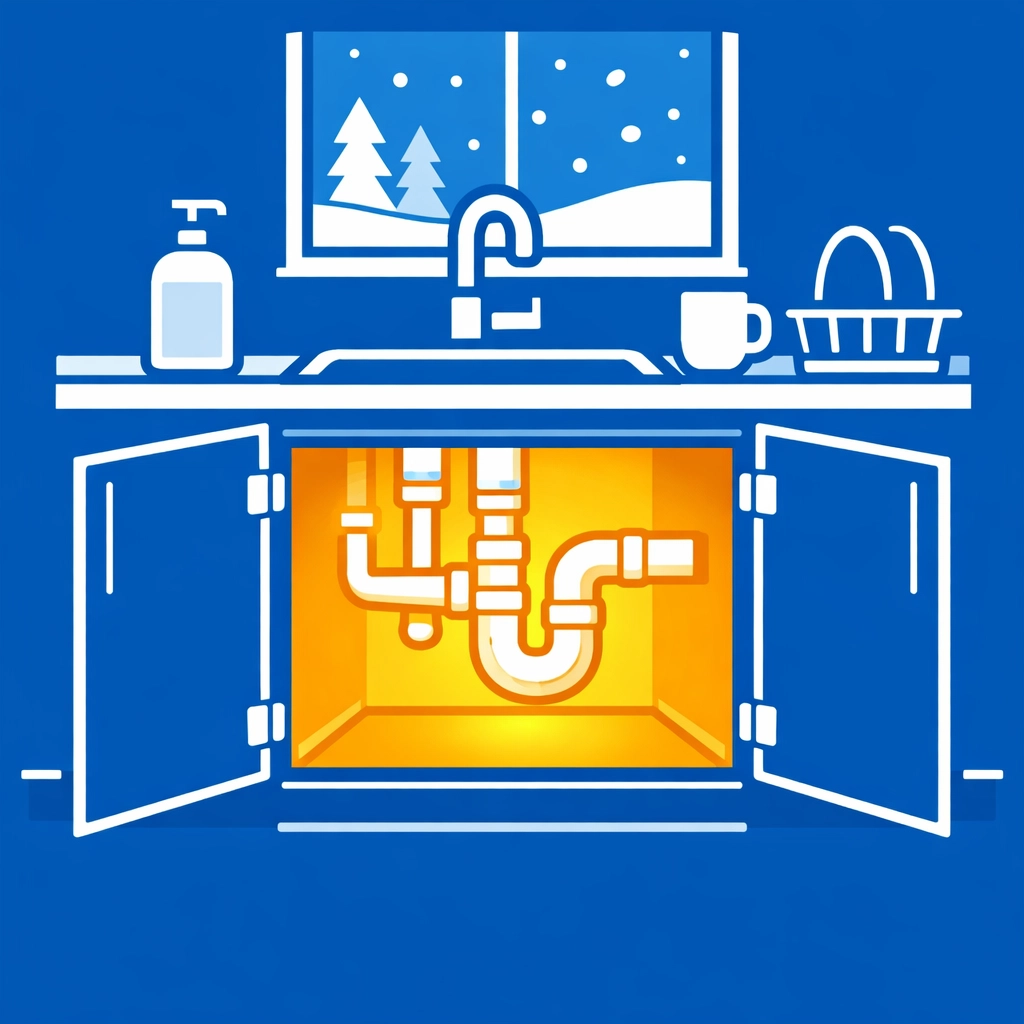
Keep the heat on: Never set your thermostat lower than 55°F, even if you’re heading down to the shore for the weekend. Open those cabinets: If you have a sink on an exterior wall (common in kitchens), open the cabinet doors overnight during extreme cold. This allows the warm air from your house to circulate around the pipes. The "Drip" Trick: If the temperature is projected to stay below freezing for more than 24 hours, let your furthest faucet have a tiny, pencil-thin drip. Moving water is much harder to freeze than standing water.
5. Start Early (and Know When to Call a Hero)
The best time to prep your pipes was yesterday. The second best time is today! Don't wait for the "Big Freeze" to hit Delaware County before you start thinking about your plumbing. By late October, you should have your hoses put away and your insulation checked.
But let’s be real, life happens. Maybe you just moved into a new place in Upper Darby, or you’ve been so busy with work you haven't looked at your crawl space in years. If you find a pipe that looks "frosted," or if your water pressure suddenly drops during a cold spell, you might have a frozen pipe on your hands.
Whatever you do, don't use a blowtorch to thaw it! (Yes, we’ve seen people try this). A hair dryer or a space heater is much safer, but if the pipe has already cracked, you need to turn off your main water valve immediately.
When Prep Fails: The Reality of Emergency Flood Cleanup
Sometimes, despite your best efforts, a pipe bursts. It’s a heart-sinking feeling to walk into your basement and see your belongings floating. If this happens, your first call should be to your water company or a plumber, but your second call should be to My Water Damage Hero.
Why? Because a plumber fixes the pipe, but they don't fix the damage.
Standing water in a home is a ticking time bomb. Within 24 to 48 hours, mold can begin to grow. If the water came from a drain line, you might even be looking at a sewage clean up situation, which requires specialized biohazard training to handle safely.

Our Restoration Process
When we arrive at your Delaware County home, we don't just "mop up." We use a scientific approach to ensure your home is actually dry and safe:
Extraction: We use industrial-strength truck-mounted vacuums to remove the bulk of the water quickly.
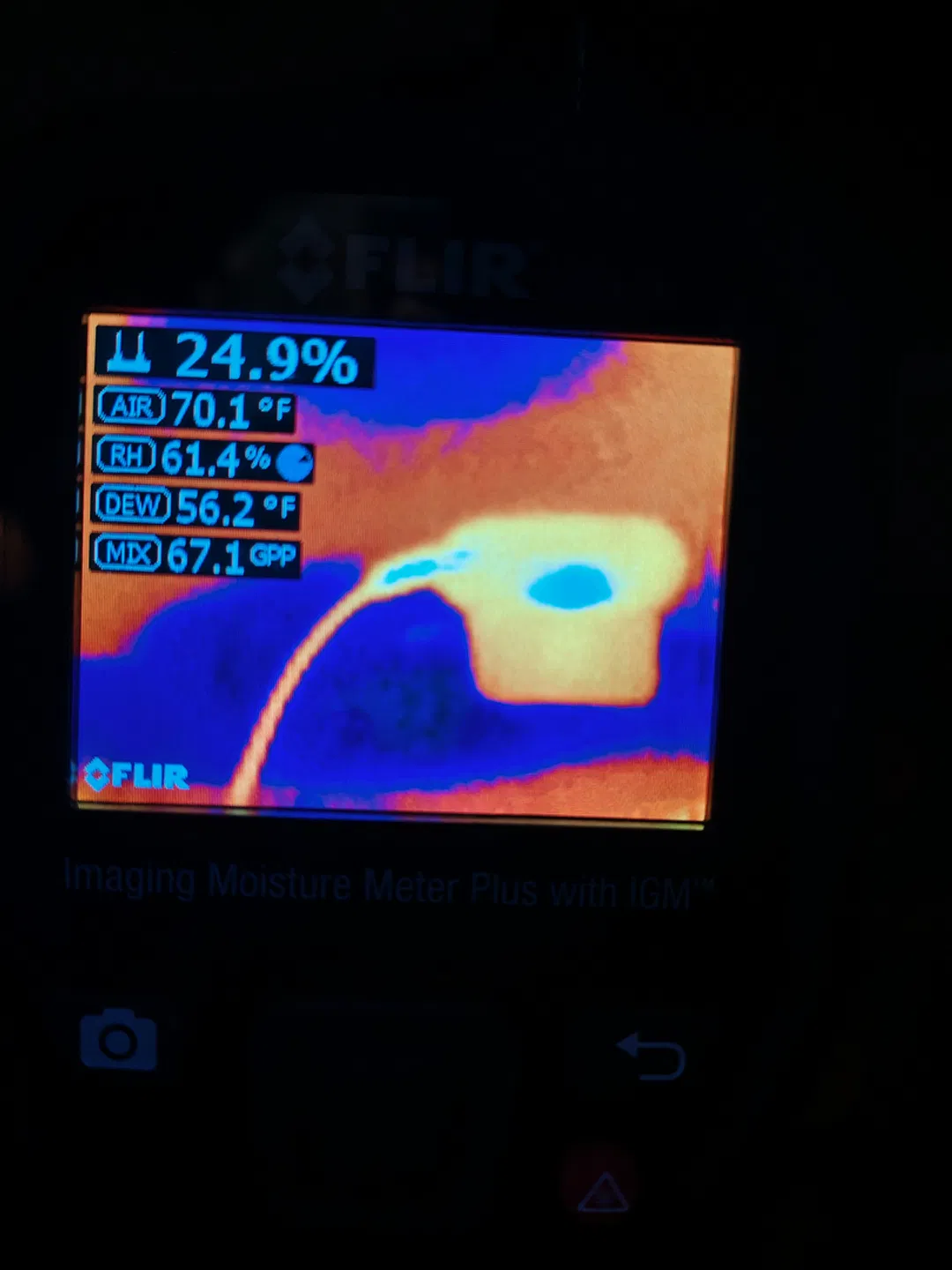
Moisture Mapping: We use FLIR moisture detection scans to find water hiding behind your drywall and under your flooring.
Drying & Dehumidification: We set up high-velocity air movers and LGR dehumidifiers to pull moisture out of the air and the structure itself.
Sanitization: This is crucial. We treat the area to prevent mold growth and ensure no bacteria are left behind.
Don't Face the Flood Alone
Delaware County is a great place to call home, and we want to help you keep it that way. Whether you’re looking for advice on how to choose the best mold testing service or you're standing ankle-deep in a flooded laundry room, we’re here for you.
Remember, the goal is to avoid the emergency. Check your pipes, seal your drafts, and keep that heat running. But if the worst happens, don't panic. Take a deep breath, turn off the water, and give us a call. We’re your local experts in water damage restoration, mold remediation, and emergency flood cleanup.
Stay dry, Delco! We’ve got your back.
Comments