Your Quick-Start Guide to Water Damage Restoration: Do This First After a Storm Hits Montgomery County
There’s a specific sound that every homeowner in Montgomery County dreads. It’s not the thunder or the wind whipping through the trees: it’s the sound of water dripping where it shouldn’t be. Whether it’s a sudden sump pump failure during a heavy downpour or a localized flash flood, seeing your basement or living room turn into a swimming pool is a total nightmare.
If you’re reading this right now and your socks are soaking wet, take a deep breath. We know it’s overwhelming. Your head is probably spinning with questions about insurance, ruined furniture, and how on earth you’re going to get all that water out.
At My Water Damage Hero, we’ve seen it all across Montgomery, Berks, Bucks, Delaware, and Chester counties. We know the stress you’re under. This guide is designed to be your "emergency manual." It’s the quick-start guide to water damage restoration that tells you exactly what to do in the first few hours to save your home and your sanity.
1. Safety Is Your Top Priority (No Exceptions!)
Before you go rushing into a flooded room to save your high school yearbooks, stop. Water and electricity are a deadly combination. If the water level has reached any electrical outlets, baseboard heaters, or your extension cords, do not step into that water.
Shut off the power: If you can safely reach your circuit breaker without standing in water, turn off the power to the affected areas. If you can't reach it safely, call an electrician or your utility provider immediately.
Watch for structural issues: Water is incredibly heavy. If you notice sagging ceilings or buckled walls, stay out of the room.
Wear protection: Even if the water looks "clean," it can carry bacteria from the ground or your pipes. If you have boots and gloves, put them on.
2. Stop the Flow (If You Can)
If your water damage isn't coming from the storm outside but from a burst pipe or a leaking appliance, you need to find the "off" switch.
Most homes have a main water shut-off valve. If you don't know where yours is, now is the time to find it! Usually, it’s in the basement or a utility closet near where the water line enters the house. If you're dealing with frozen pipes, turning this valve off can prevent a small leak from becoming a total disaster.
If the water is coming from a storm surge or local flooding, you obviously can’t "turn off" the rain. In that case, focus on safety and moving to higher ground.
3. The 24-Hour Rule: Why Speed Matters
Here’s the thing about water: it doesn't just sit there. It travels. It wicks up into your drywall, soaks into your floorboards, and finds every tiny crack in your foundation.
The most critical window for water damage restoration is the first 24 to 48 hours. This is the "golden window" before mold starts to take hold. Once mold spores find a damp, dark environment, they can begin to colonize in as little as a day. This is why emergency flood cleanup isn't something you can put off until the weekend.

4. Document Everything for Insurance
Before you start pumping out water or throwing away ruined carpet, grab your phone. You need to document the damage thoroughly for your insurance claim.
Take photos and videos: Capture the height of the water on the walls. Take photos of specific items that are damaged: electronics, furniture, rugs, and appliances.
Don't throw things away yet: It’s tempting to toss that soaked rug immediately, but your adjuster might need to see it. Keep a "trash pile" in the garage or outside if you must, but don't get rid of it until your insurance company gives the green light.
Keep receipts: If you buy fans, shop-vacs, or cleaning supplies, keep every single receipt. These are often reimbursable as part of your claim.
5. Start the Water Extraction Process
If the water is shallow and it's safe to do so, you can start the process of water removal. However, most household shop-vacs aren't designed for large-scale flooding. They fill up fast and can be incredibly heavy to dump.
Professional-grade equipment is usually the way to go here. We use industrial-strength truck-mounted vacuums that can pull hundreds of gallons out of a home in a fraction of the time it takes a DIYer.

6. Drying and Dehumidifying: The Invisible Battle
Removing the standing water is only about 20% of the job. The real challenge is the moisture you can't see. This is the moisture trapped inside your walls and under your flooring.
If you don't dry these areas completely, you're setting yourself up for future structural rot and a major need for mold remediation down the road.
Air Circulation: Use high-velocity fans to move air across wet surfaces.
Dehumidification: Industrial dehumidifiers are essential. They pull moisture out of the air, which in turn helps pull moisture out of the materials in the room.
Moisture Detection: Professionals use specialized tools like moisture meters and FLIR (thermal imaging) cameras to see where the water is hiding behind the drywall.
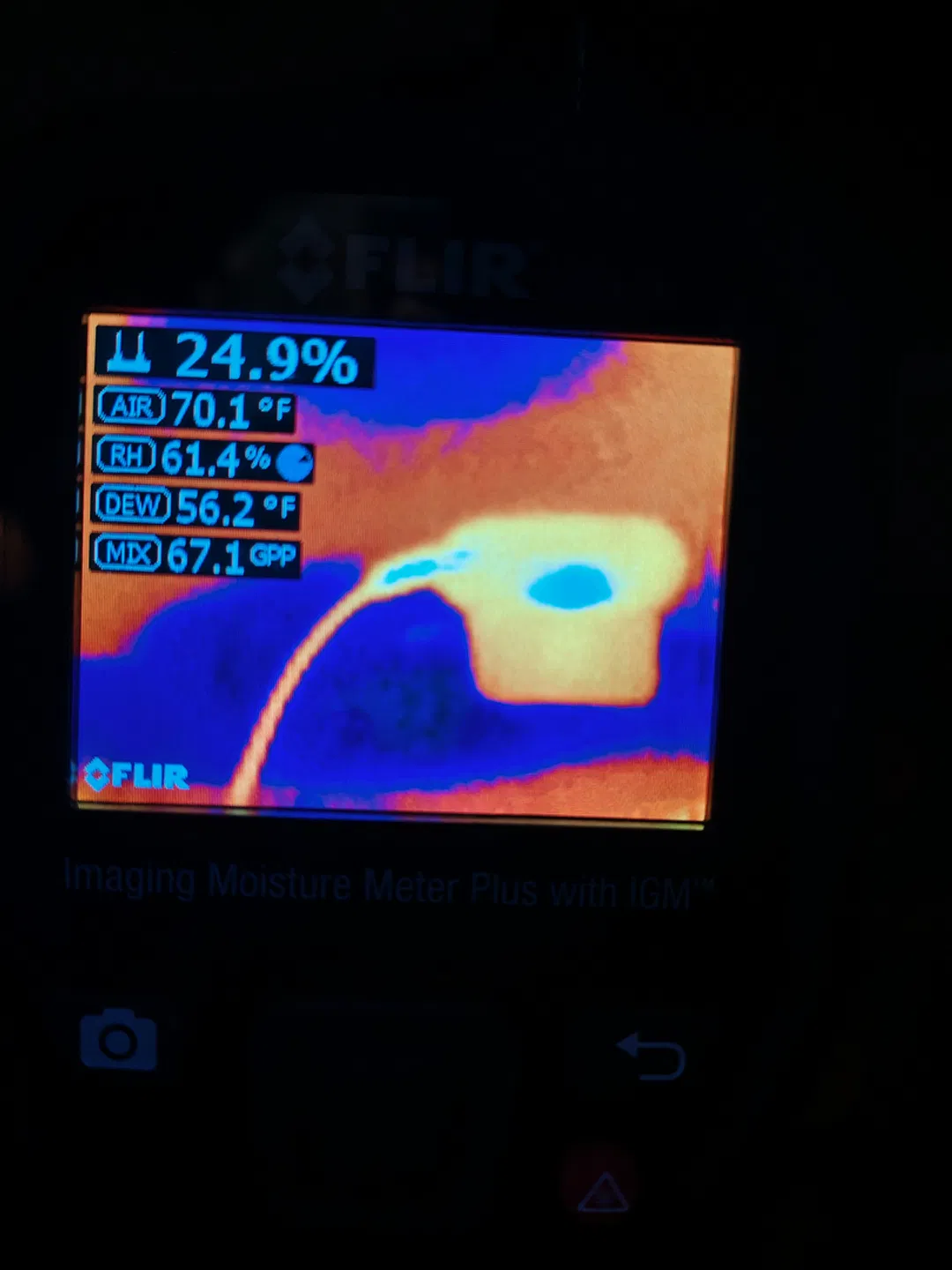
If you're curious about how we pinpoint these hidden damp spots, check out our water extraction service tips for PA homeowners.
7. Beware of Category 3 Water (Sewage)
Not all water is created equal. In the restoration world, we categorize water by its cleanliness:
Category 1 (Clean Water): From a broken supply line or a sink overflow.
Category 2 (Gray Water): Might contain some contaminants (like dishwasher or washing machine water).
Category 3 (Black Water): This is highly contaminated and dangerous. This includes sewage clean up and rising floodwaters from rivers or streams.
If you suspect you're dealing with sewage or outdoor floodwater, do not attempt to clean it yourself. This water contains pathogens, bacteria, and chemicals that can make you very sick. This is a job for pros who have the right biohazard gear. You can learn more about our sewage clean up services here.
8. Don't Forget About Mold
In Montgomery and Chester counties, our humidity can be brutal. When you add that humidity to a wet basement, you've created a mold paradise.
Even if you think you’ve dried everything out, keep an eye out for:
A musty, earthy smell.
Discoloration on walls or ceilings (even small spots).
Peeling wallpaper or bubbling paint.
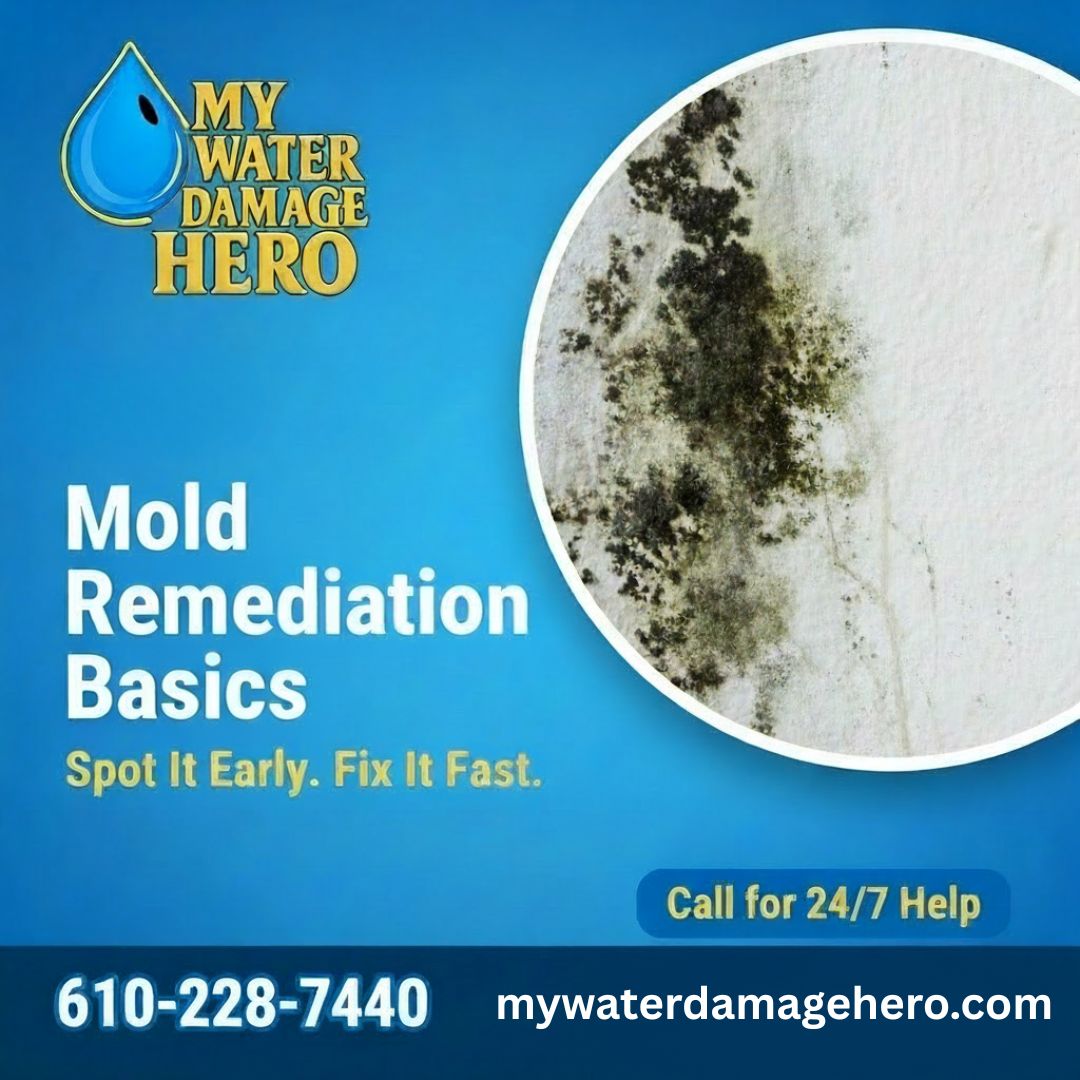
If you spot any of these signs, it's time to talk about mold remediation. Getting it handled early is much cheaper and easier than waiting until it spreads through your HVAC system.
Why Local Expertise Matters
When a storm hits our neck of the woods: from the suburbs of Montgomery County to the rolling hills of Berks: you want someone who knows the area. We understand the local architecture, the common basement drainage issues in Pennsylvania homes, and exactly how to work with local insurance adjusters.
Our goal at My Water Damage Hero isn't just to suck out the water. We want to restore your peace of mind. We know that your home is your sanctuary, and seeing it damaged is heartbreaking.
Whether you need flood clean up after a summer storm or help with a burst pipe in the dead of winter, we are just a phone call away. We pride ourselves on being fast, friendly, and incredibly thorough.
Your Quick Checklist for the Next 4 Hours:
Safety Check: Is the power off? Are you wearing boots?
Stop the Source: If it's a pipe, turn off the main valve.
Call the Pros: Get an expert on the way to start the extraction.
Insurance Call: Notify your agent that you have a claim.
Documentation: Take 20-30 photos of everything.
Move Items: Get high-value items (electronics, heirlooms) to a dry area.

Final Thoughts
Storms happen, and pipes burst: it’s just a part of homeownership in Pennsylvania. But water damage doesn't have to mean the end of your beautiful home. By acting fast, prioritizing safety, and calling in the experts for the heavy lifting, you can get things back to normal faster than you think.
If you’re currently facing a wet mess in Montgomery, Bucks, Berks, Delaware, or Chester County, don't wait. The clock is ticking on that 24-hour mold window!
Feel free to reach out to us here or explore our water damage restoration resources to learn more about how we can help you save your home. We're here to be your hero!
Comments