Why Everyone in Berks County Is Talking About Water Damage Restoration (And You Should Too)
- info603880
- May 18
- 6 min read
Hey there, neighbor! If you’ve spent any time chatting over the backyard fence or scrolling through local community groups lately, you might have noticed a recurring theme. Whether you’re in Reading, Wyomissing, or out toward Boyertown, homeowners all across Berks County are talking about a common headache: water damage.
It’s not exactly the most glamorous topic for a Saturday morning coffee, but it’s a vital one. Between our beautiful historic homes and the unpredictable Pennsylvania weather, water issues are becoming more frequent. But why is everyone suddenly an expert on water damage restoration? And more importantly, why should you be paying attention before the next big storm hits?
Let’s dive into what’s happening in our corner of the world and how you can protect your home from becoming the next neighborhood cautionary tale.
1. Why Berks County is a Hotspot for Water Issues
We love Berks County for its rolling hills and character-filled architecture. However, those same features can make our homes a magnet for moisture. Many of our local houses feature older drainage systems that simply weren’t designed for the heavy downpours we’ve been seeing lately.
When the ground gets saturated, that water has to go somewhere. Often, it finds its way into foundations, window wells, and those lovely finished basements we use for game nights and home offices. Combine that with aging pipes in our more established neighborhoods, and you have a recipe for a soggy surprise.
Winter doesn't offer much relief, either. The freeze-thaw cycles we experience in Southeast PA are notorious for causing pipes to expand and crack. One tiny hairline fracture in a pipe hidden behind a wall can lead to a massive need for emergency flood cleanup by the time you notice a damp spot on the drywall.
2. The Invisible Enemy: Hidden Moisture
Here is a secret that the pros know: the water you can see isn't usually the biggest problem. It’s the water you can’t see that causes the real damage.
When a leak happens, water doesn't just sit on the surface. It wicks up into your baseboards, soaks into the insulation inside your walls, and gets trapped under your laminate or hardwood flooring. If you just mop up the puddle and call it a day, you’re leaving the door wide open for structural rot and, even worse, mold.
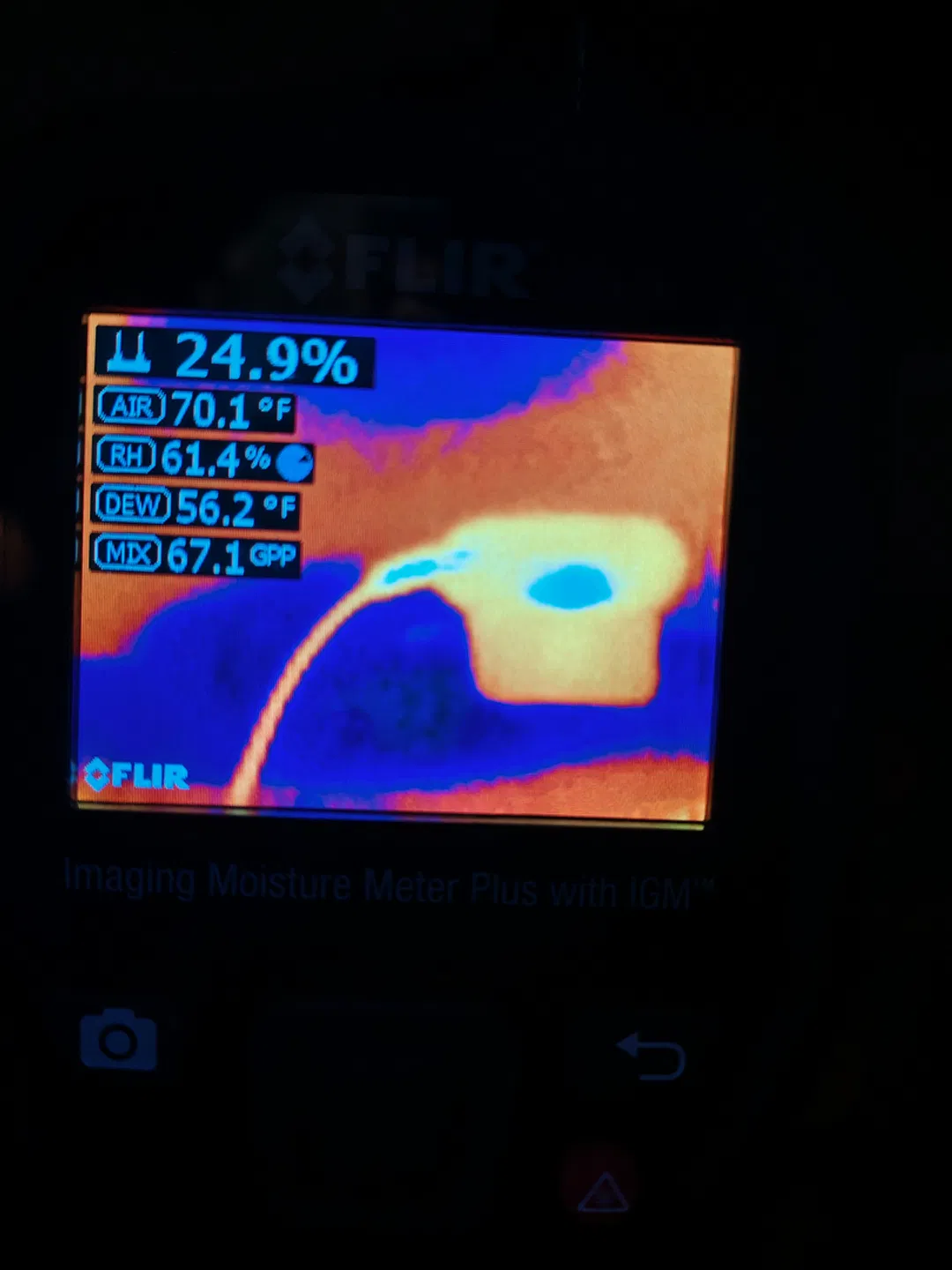
Professional restoration teams use high-tech tools like thermal imaging cameras and moisture meters to "see" through walls. This allows us to pinpoint exactly where the moisture is hiding so we can dry it out completely. Without these tools, you're basically just guessing: and guessing with your home’s structural integrity is a risky move.
3. The 48-Hour Rule for Mold Remediation
If there is one thing that gets people talking, it’s the "M" word: Mold. In our humid Pennsylvania climate, mold doesn't wait around. It can start colonizing on organic materials: like your drywall, carpet padding, and wood framing: within 24 to 48 hours of exposure to moisture.
This is why "waiting to see if it dries on its own" is a dangerous game. By the time you start smelling that tell-tale musty odor, the mold has likely already taken hold. Mold remediation becomes a much more involved (and expensive) process than simple drying.
If you've recently had a leak or a damp basement, it’s worth looking into how to improve your home safety to prevent these issues from spiraling. Taking fast action isn't just about saving your floor; it’s about protecting your family’s respiratory health.
4. Why Your Shop-Vac Isn't Enough
We’re a "DIY" kind of community here in Berks. We like to roll up our sleeves and fix things ourselves. But when it comes to emergency flood cleanup, a household Shop-Vac and a few box fans usually won't cut it.
Industrial-grade water extraction equipment is designed to pull gallons of water out of carpet and padding that a standard vacuum would leave behind. Furthermore, professional-grade air movers and dehumidifiers move thousands of cubic feet of air per minute, pulling deep-seated moisture out of the very "bones" of your house.

If you don't achieve "S500" industry drying standards, that moisture lingers. This leads to warped floorboards, peeling paint, and a home that never quite feels (or smells) "clean" again. If you're feeling overwhelmed, remember that emergency flood cleanup is a specialized science, not just a cleaning chore.
5. The Messy Reality of Sewage Clean Up
It’s the topic nobody wants to discuss at the dinner table, but it’s a reality for many Berks County residents, especially those in areas with older municipal sewer lines. During heavy storms, these lines can become overwhelmed, leading to a sewage backup in your basement or crawlspace.
This isn't just "dirty water." It’s a significant health hazard. Sewage clean up requires specialized sanitization protocols and personal protective equipment (PPE) to ensure that harmful bacteria and pathogens are completely eliminated. This is definitely one of those times where you want to call in the "heroes" rather than trying to tackle it with a bucket and bleach.
6. What Does Professional Restoration Actually Look Like?
If you’ve never had to call a restoration company, you might wonder what actually happens when we show up. It’s not just about a truck and some fans; it’s a structured process designed to get your life back to normal as quickly as possible.
Inspection and Assessment: We use those moisture meters we mentioned to find every drop of water.
Water Removal: Using heavy-duty extractors to get the bulk of the water out immediately.
Drying and Dehumidification: Setting up a "drying vortex" in your home to pull moisture from the air and materials.
Cleaning and Sanitizing: Ensuring no mold or bacteria are left behind.
Restoration: Replacing drywall, painting, and fixing floors so your home looks like the damage never happened.
Working with a company that understands the local landscape: from the specific building styles in Chester County to the basement quirks of Berks: makes a huge difference in the quality of the result.
7. How to Be Your Own Home Hero: Prevention Tips
While we’re always here to help, we’d much rather you avoid the stress of a flood in the first place! Here are a few quick tips for our Berks, Bucks, and Montgomery County neighbors:
Check Your Gutters: Make sure they are clear of leaves and that downspouts are directing water at least 5 to 10 feet away from your foundation.
Know Your Shutoff: Does everyone in your house know where the main water shutoff valve is? If a pipe bursts, those few seconds spent finding the valve can save you thousands of dollars.
Sump Pump Maintenance: If you have a sump pump, test it every few months. Consider a battery backup for those times when a storm knocks out the power.
Inspect Your Appliances: Check the hoses on your washing machine and dishwasher. If they look cracked or bulged, replace them with braided stainless steel lines.
For more deep-dive tips, check out our ultimate guide to water damage restoration for homeowners in the SEPA area.
8. Navigating the Insurance Maze
One of the biggest reasons people in Berks County are talking about professional restoration is the insurance aspect. Filing a claim for water damage can be incredibly confusing. What’s covered? What’s "gradual damage" vs. "sudden loss"?
A reputable restoration company doesn't just dry your floors; they help document the damage for your insurance adjuster. Taking detailed photos, providing moisture readings, and creating a professional estimate helps ensure you get the coverage you're entitled to under your policy.
9. Peace of Mind Is the Goal
At the end of the day, water damage is about more than just wet carpet. It’s about the stress of your home: your sanctuary: being turned upside down. The reason this topic is trending in our local area is that people are realizing they don't have to face it alone.
Whether it's a minor leak or a major flood, knowing who to call and what steps to take can turn a potential disaster into a manageable situation.

If you’re noticing a musty smell in the basement or you’re worried about a damp spot on the ceiling, don't wait for it to get worse. Reach out for a professional opinion. We’re proud to serve our neighbors across Berks, Delaware, and Bucks counties, ensuring that every home remains a safe, dry, and happy place to live.
Stay dry out there, Berks County! And remember, if water wins a round, we’re here to help you win the fight. For more info on our services or to get help now, feel free to visit our Contact Us page. We’re always ready to be your hero!
Comments