Why a $20 Water Sensor Will Change the Way You Prevent Emergency Flood Cleanup in Bucks County
- info603880
- Mar 18
- 5 min read
Hey there, neighbor! Tonya here from My Water Damage Hero. If you live in Bucks County, you know we’ve got some beautiful homes, from the historic stone farmhouses in Doylestown to the cozy suburban spots in Bensalem. But whether your home is 200 years old or two years old, there’s one silent villain we all face: water.
We’ve all been there. You walk down to the basement to grab a load of laundry, and squish. Your heart drops. Your mind immediately starts racing: How long has this been leaking? Is there mold? How much is this going to cost?
What if I told you that a tiny device, about the size of a deck of cards and costing less than a pizza, could have saved you from that nightmare? I’m talking about a simple water sensor. Today, I want to dive into why this $20 investment is the absolute best way to prevent the need for emergency flood cleanup in your home.
The Smallest Hero in Your Home
Here’s the thing about water: it doesn’t need much space to cause a massive problem. A tiny pinhole leak in a pipe behind your washing machine can dump hundreds of gallons of water in a single day. If that happens while you’re at work or away for a weekend at the Poconos, you’re coming home to a disaster.
A water sensor (sometimes called a leak detector) is a simple gadget that sits on the floor near water-prone areas. When its metal contacts touch even a tiny bit of moisture, it lets out a loud alarm. Some "smart" versions even send an alert straight to your smartphone.
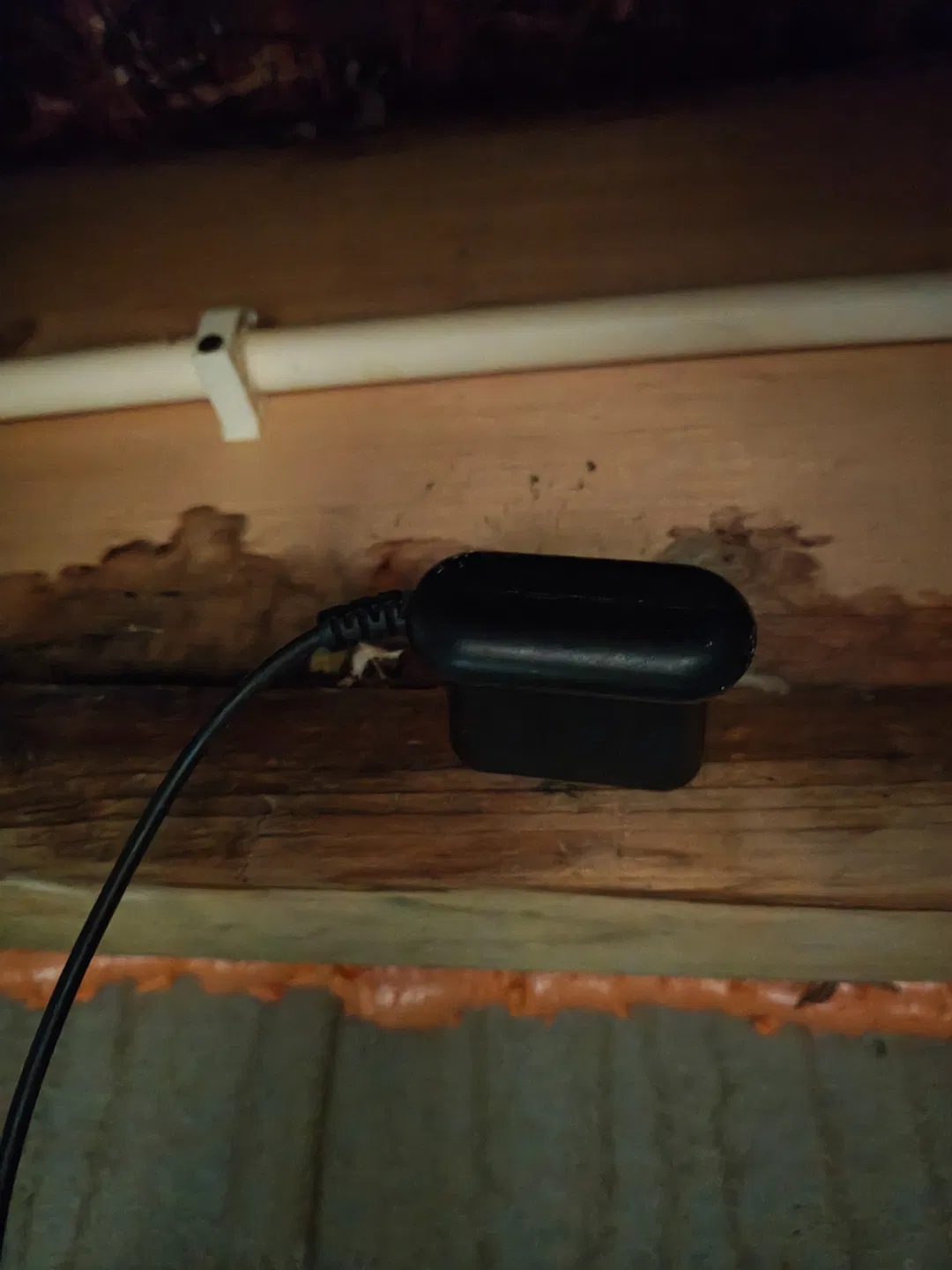
Think of it as a smoke detector for your plumbing. You wouldn't live in a house without a smoke alarm, right? So why take the risk with water? Early detection is the difference between a quick "mop and dry" and a full-scale water damage restoration project that involves ripping out drywall and flooring.
The Math of Prevention: $20 vs. Thousands
Let’s be real for a second. We all love saving money. When you look at the costs of water damage repair, the numbers can be overwhelming.
The $20 Path: You buy a sensor. It detects a slow drip under your water heater. You tighten a valve. Total cost: $20 plus five minutes of your time.
The "Oh No" Path: The leak goes unnoticed for three days. It soaks into the subfloor, travels under the baseboards, and starts climbing up the drywall. Now you’re looking at professional extraction, industrial dehumidifiers, and potentially mold remediation. Total cost: Thousands of dollars and weeks of stress.
When you catch water early, you stop the "wicking" process. Water loves to move upward and outward. Once it hits your drywall or your expensive hardwood floors, the clock starts ticking. Within 24 to 48 hours, mold can begin to grow. By spending a twenty-dollar bill now, you’re essentially buying insurance against a massive headache later.
Where Should You Put These Little Life-Savers?
In our experience serving homeowners across Montgomery, Berks, and Bucks counties, we see the same "hot spots" over and over again. If you’re going to pick up a few sensors, here is where you should put them:
The Sump Pump: This is huge for Bucks County basements. If your pump fails during a heavy spring rain, you want to know immediately, not when you see your holiday decorations floating.
Under the Kitchen Sink: Between the garbage disposal, the dishwasher connection, and the faucet lines, there’s a lot that can go wrong here.
Behind the Toilets: We’ve seen many cases where a slow leak at the base of a toilet rotted out the entire bathroom floor before anyone noticed.
The Water Heater: These have a habit of springing leaks as they age. A sensor at the base of the tank is a must.
The Laundry Room: Washing machine hoses are notorious for bursting.
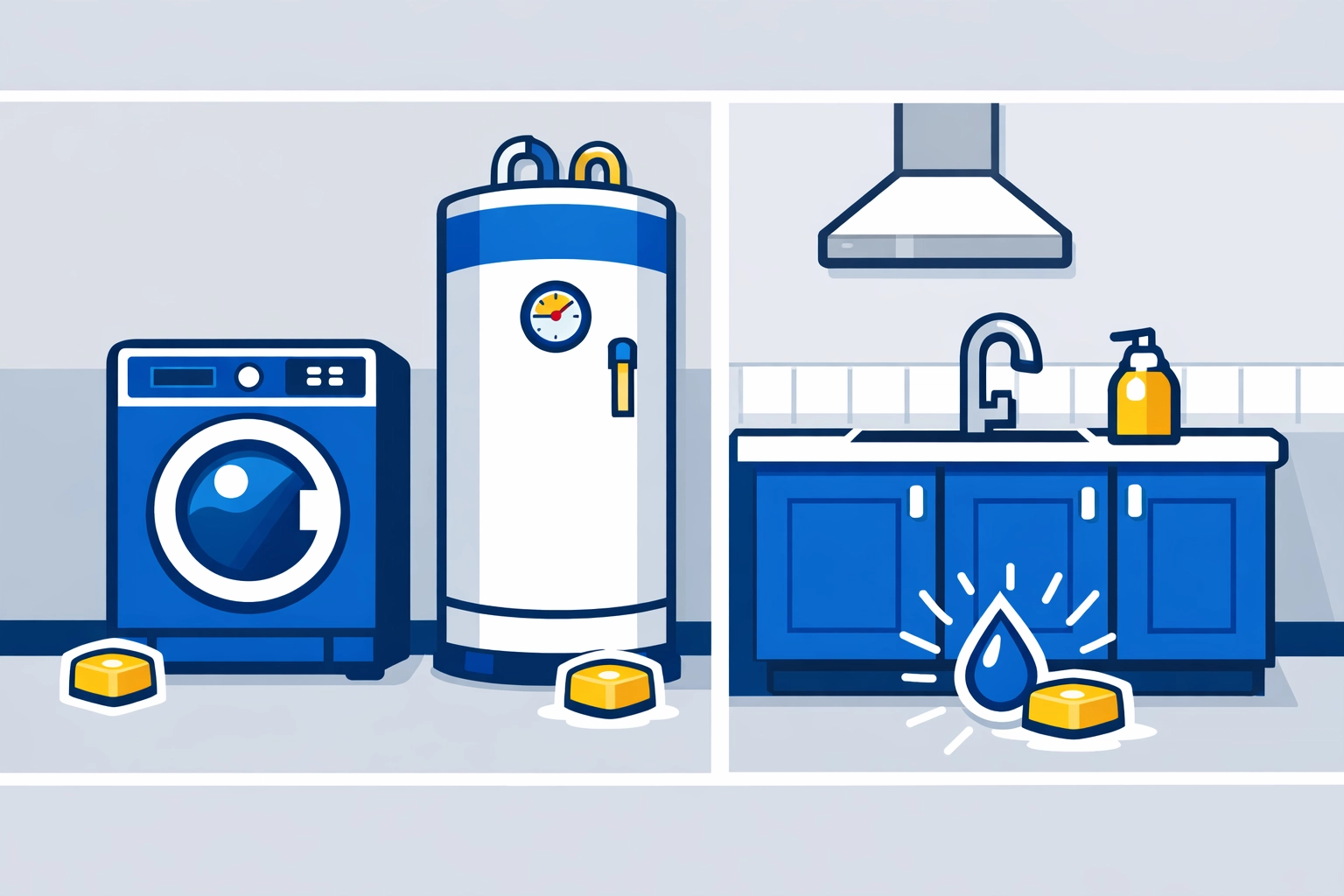
Beyond the Beep: The Hidden Benefits
Preventing emergency flood cleanup is the main goal, but there are other perks to being proactive with sensors:
1. Lower Insurance Premiums
Believe it or not, many insurance companies in Pennsylvania offer discounts if you have smart home leak detection systems installed. They know that a sensor significantly reduces the chance of a massive claim. It's a win-win for everyone.
2. Peace of Mind
Remember that "did I leave the stove on?" feeling? Now imagine being on vacation and worrying about a pipe bursting during a cold snap. With a smart sensor connected to your Wi-Fi, you can check your app and see that everything is bone-dry back home. You can actually enjoy your trip!
3. Protecting Your Health
When water sits, it creates a breeding ground for bacteria and fungi. If you have a hidden leak, you might be dealing with a sewage clean up situation or a mold outbreak without even knowing it. Sensors help you find the moisture before it becomes a health hazard for your family.
When the Sensor Isn’t Enough: Knowing When to Call the Pros
Even with the best sensors, accidents happen. Maybe a pipe bursts while you’re at the store, or a massive storm overwhelms your home's defenses. If you find standing water, don't panic, but do act fast.
Here’s a quick tip: if the water is clear, you might be able to handle a small spill. But if the water is cloudy, smells bad, or has come from a backup, you are likely looking at a sewage clean up scenario. This requires specialized equipment and protective gear to handle safely.
At My Water Damage Hero, we use advanced technology to make sure your home is truly dry. It’s not just about what you can see; it’s about what’s hidden behind the walls.
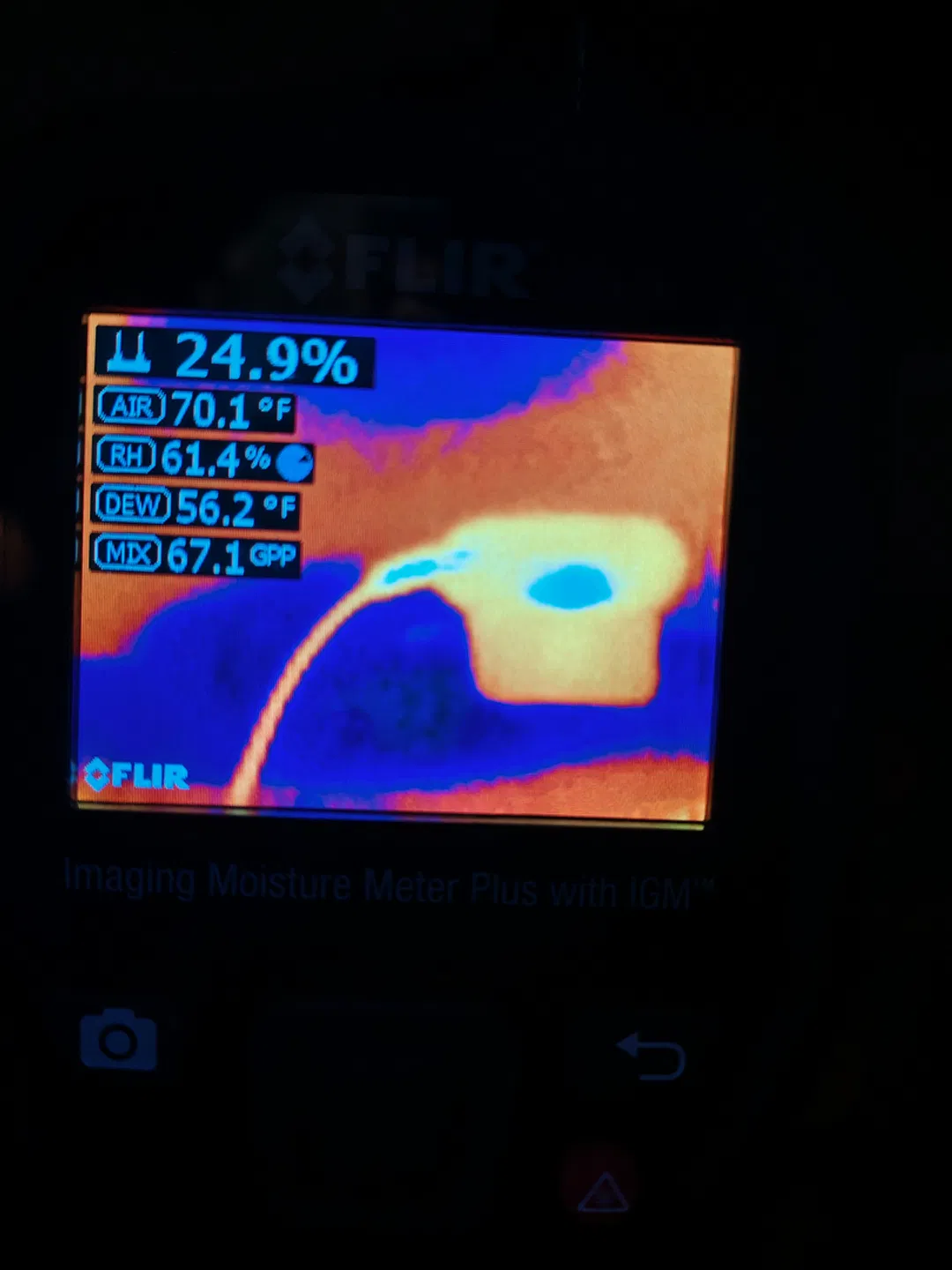
We use FLIR thermal imaging and moisture meters (like the one in the photo above) to track moisture levels. This ensures that we don't just dry the surface, but we prevent the deep-seated dampness that leads to long-term structural issues and mold.
Creating a 5-Minute Safety Habit
I always tell our friends in Chester and Delaware counties that the best defense is a good offense. Besides buying sensors, you can create a simple 5-minute leak check routine.
Once a month, just walk through your house and:
Check the batteries on your water sensors.
Look for any new water spots on your ceilings.
Give your sump pump a quick test.
If you do find something suspicious during your check, don't wait. A small damp spot today is a mold remediation nightmare tomorrow.
We’re Here for Our Neighbors
We love being part of this community. Our goal isn't just to fix damage: it's to help you prevent it. We want you to have the same peace of mind we want for our own families. Whether you’re dealing with a sudden burst pipe or you’re worried about a weird smell in the basement, we are just a phone call away.

We offer 24/7 emergency response across the region. We know that water doesn't wait for business hours, so neither do we. Our technicians arrive in full gear, ready to extract water, dry your home, and get your life back to normal as quickly as possible.
Final Thoughts: Take the $20 Leap
If you take one thing away from this post, let it be this: go get a water sensor. Put it by your sump pump or under your kitchen sink. It is the single most cost-effective tool in your home maintenance arsenal.
And if the worst does happen, remember that you don't have to face it alone. We’ve helped hundreds of families in the area navigate the stress of water damage restoration, and we’d be honored to help you too.

Stay dry, stay safe, and keep an eye on those pipes!
If you need help or just have a question about a potential leak, feel free to contact us or learn more about our story. We’re always here to be your hero!
Comments