The Ultimate Guide to Water Damage Restoration in Delaware County: Everything You Need to Succeed After a Leak
- info603880
- Apr 3
- 5 min read
Hey there, neighbor! If you’re reading this while standing in a puddle or staring at a suspiciously soggy ceiling, take a deep breath. We know exactly how you feel. Whether it’s a burst pipe in Media, a flooded basement in Upper Darby, or a leaky roof in Havertown, water damage is one of the most stressful things a homeowner can face. It’s messy, it’s overwhelming, and it feels like your home is working against you.
But here is the good news: you’ve got this, and you’re not alone. At My Water Damage Hero, we’ve seen it all across Delaware County. From minor drips to major floods, we know the secret to a successful recovery is acting fast and having a solid plan.
In this guide, we’re going to walk you through everything you need to know about water damage restoration, from those frantic first few minutes to the moment your home feels like home again.
The Golden Rule: Time is Not Your Friend
If there is one thing we want you to remember, it’s this: water damage doesn't stay still. It moves, it soaks, and it starts causing trouble the second it hits your floor. Within just 24 to 48 hours, mold can start to take root. That’s why an emergency flood cleanup isn’t just about getting the water out; it’s about stopping a secondary disaster, mold, before it starts.
If you’re dealing with a massive mess right now, don't wait. You can check out our emergency flood cleanup tips here to get moving.
Step 1: Immediate Safety and Damage Control
Before you grab a mop, you need to make sure you’re safe. Water and electricity are a dangerous duo.
Turn off the power: If the water has reached any outlets or your electrical panel, don’t go near it. Call an electrician or your utility company immediately.
Stop the source: If it’s a plumbing leak, shut off the main water valve. If it’s a natural flood, you might have to wait for the rain to stop, but you can still start moving valuables.
Gear up: Wear heavy work gloves and rubber boots. Floodwater can be "gray" or "black," meaning it might contain chemicals or sewage.
Document everything: Before you touch a single thing, take photos and videos. Your insurance company will need these to process your claim.

Step 2: Professional Assessment (Finding the Hidden Water)
Sometimes, the water you see is only 10% of the problem. Water loves to hide behind baseboards, under laminate flooring, and deep inside your drywall. This is where professional water damage restoration experts come in.
We use high-tech tools like FLIR thermal imaging cameras and specialized moisture meters to "see" through your walls. These tools tell us exactly where the moisture is hiding so we don't have to tear down your whole house to find a single leak.
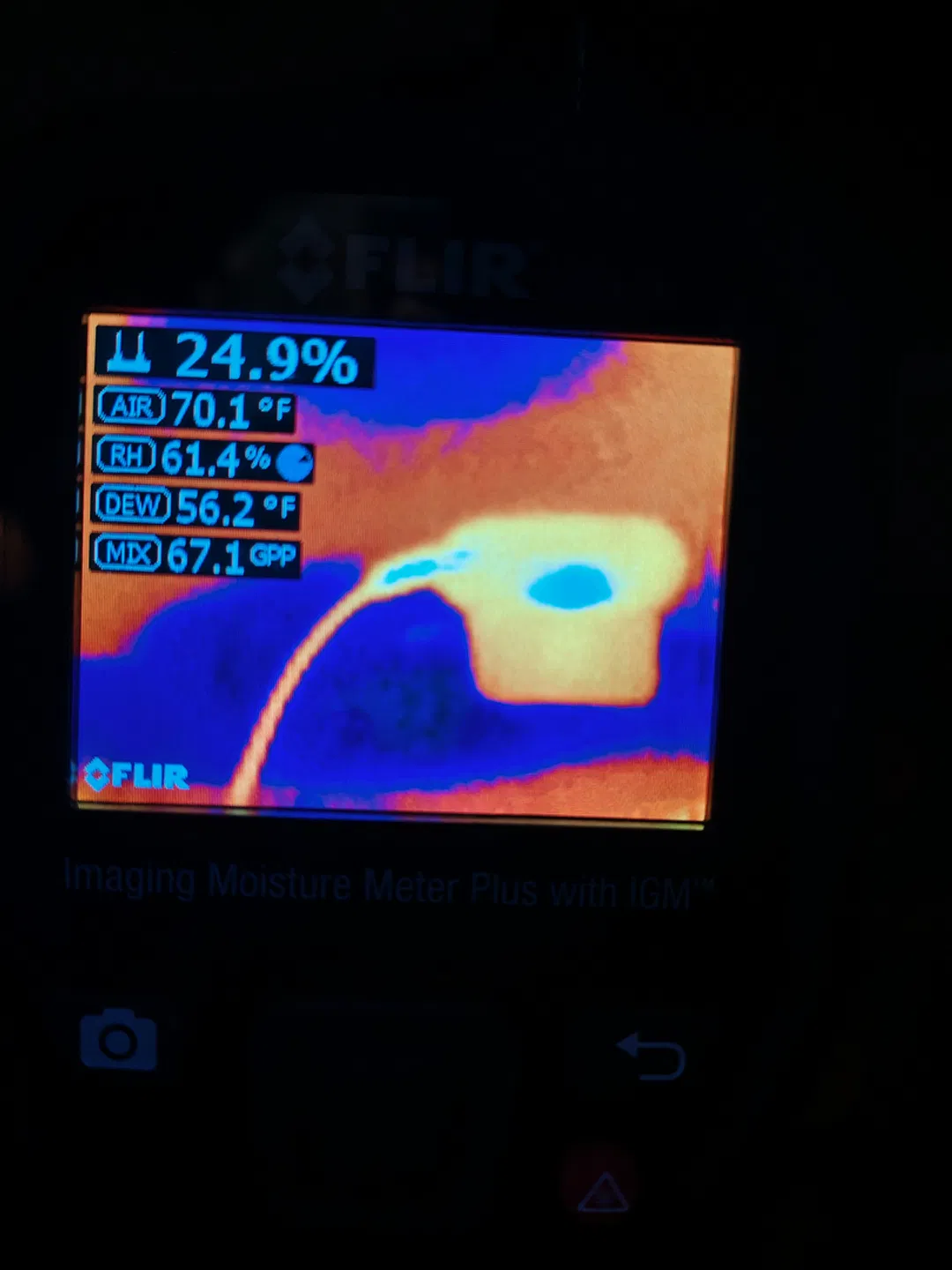
If you're curious about how we find those sneaky leaks in places like Bucks or Montgomery County, you might find our post on hidden moisture mapping really helpful.
Step 3: Water Removal and The Big Dry
Once we know where the water is, it’s time for the heavy lifting. This stage is all about extraction and evaporation.
Extraction: We use industrial-grade vacuums and pumps to get the standing water out fast. This is way more effective than a shop-vac you might have in the garage.
Dehumidification: Simply opening the windows usually isn't enough, especially with the humidity we get here in SEPA. We use industrial dehumidifiers to pull moisture out of the air.
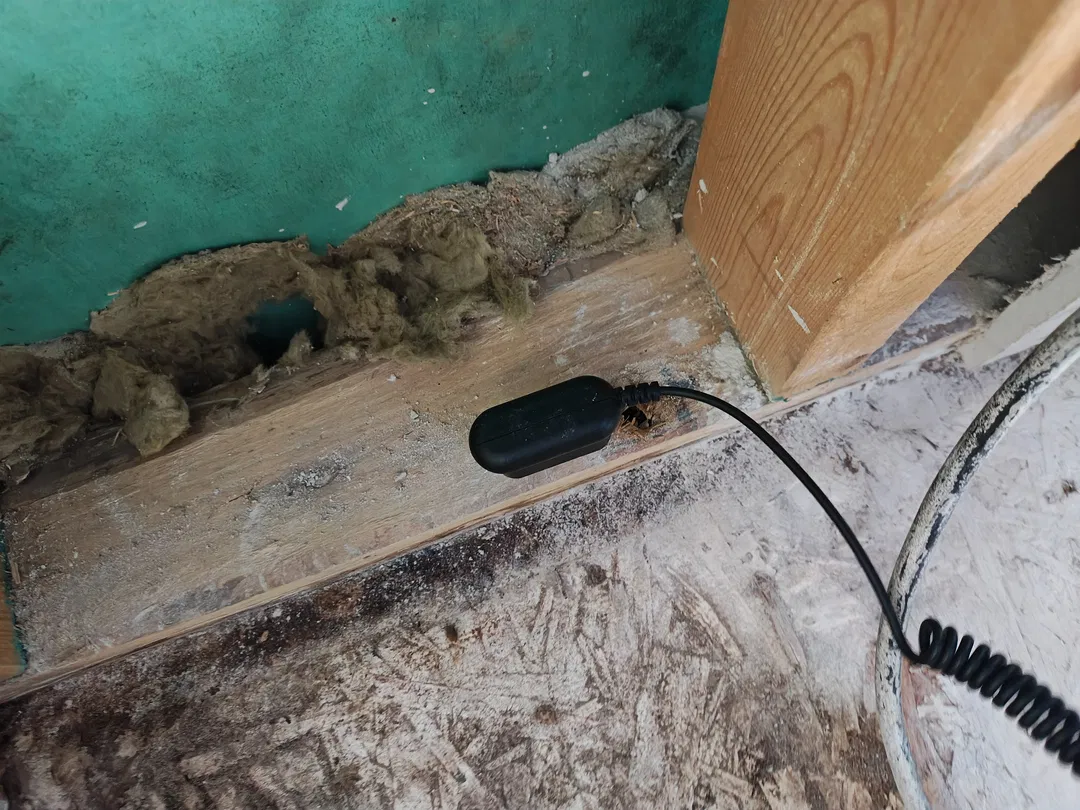
Air Movers: We position high-velocity fans to circulate air and speed up the drying of carpets, wood framing, and drywall.
Step 4: Cleaning and Sanitizing
Whether it’s a clean water leak from a pipe or a sewage clean up situation, everything that got wet needs to be cleaned.
If you're dealing with sewage, please, leave it to the pros. Sewage (Category 3 water) is filled with bacteria and pathogens that can make your family very sick. We use hospital-grade disinfectants to ensure your home isn't just dry, but actually safe to live in. For more on the differences between clean and dirty water, check out our guide for Chester County homeowners.
Step 5: Repairs and Restoration
This is the light at the end of the tunnel! Once everything is bone-dry and sanitized, the rebuilding begins. This could be as simple as replacing a few feet of baseboard or as involved as a full basement remodel.
The goal of restoration is to make it look like the leak never happened. We want you to walk into your room and feel that sense of "home" again, not the "stress" of a construction zone.
Knowing Your Local Delaware County Resources
Living in Delaware County means we have some specific resources available if things get really bad. If you are facing a major flooding event, don't forget these local helps:
311 Service: Great for checking on plumbing or electrical inspections after a flood.
Flood Assistance Program: In certain areas, programs like the one run by the Milford Housing Development Corporation can help with mucking, drywall removal, and even insurance deductibles for eligible residents.
Crisis Cleanup Hotline: During major storms, local hotlines often open up to help with tarping roofs and removing debris.
Why You Shouldn't Skip Mold Remediation
We see it all the time: a homeowner mops up the floor, the carpet feels dry to the touch, and they think they’re in the clear. Then, three weeks later, there’s a musty smell that won't go away.
Mold remediation is a critical part of the restoration process. If moisture stays trapped behind your walls, mold will grow. It doesn't just damage your home’s structure; it can affect your air quality. If you see spots on your walls or smell something "off," it’s time to call in a specialist to test the area.
Daily Habits to Prevent the Next Leak
While we love being the "Hero" that saves the day, we’d much rather you never have a leak in the first place! Here are a few quick tips for our Delaware County neighbors:
Check your sump pump: Especially before those big spring storms.
Inspect your hoses: The rubber hoses on your washing machine are a common culprit for indoor flooding. Consider switching to braided stainless steel.
Know your shut-off valve: Ensure everyone in the house knows how to turn off the main water line.
For a deeper dive into prevention, check out our 10 daily home checks for SEPA homeowners.
We’re Here for You
Water damage is a journey, but it doesn't have to be a nightmare. From the first call to the final coat of paint, we are here to guide you through it. If you’re in Delaware County, Montgomery, Berks, Bucks, or Chester County, My Water Damage Hero is just a phone call away, 24/7.
You don’t have to do this alone. We’ve got the tools, the expertise, and the friendly local touch to get your life back to normal.

Ready to get started? Whether you need a quick moisture inspection or a full-scale restoration, we’re ready to help. Contact us today or learn more about us and how we serve the SEPA community.
Stay dry out there, Delco!
Comments