The Ultimate Guide to Daily Home Safety in Bucks County: Prevent Emergency Flood Cleanup Like a Pro
- info603880
- Mar 19
- 5 min read
Hey there, Bucks County neighbors! Living in this beautiful corner of Pennsylvania comes with a lot of perks: historic charm, great parks, and that classic East Coast seasons vibe. But if we’re being real, those seasons can sometimes play a little rough with our homes. Whether it’s a sudden spring downpour or a mid-winter pipe freeze, water is always looking for a way in.
We’ve all been there: that sinking feeling when you walk into the basement and hear a splash instead of a thud. Dealing with an emergency flood cleanup is a stressful mess that no one wants to tackle on a Tuesday morning. But here’s the good news: you have more power than you think!
At My Water Damage Hero, we see the aftermath of floods and leaks every day. Most of the time, these disasters could have been avoided with a few simple, daily habits. Think of this guide as your "Pro Playbook" for keeping your home dry, safe, and mold-free. Let’s dive into how you can protect your Bucks County sanctuary like a seasoned pro.
Why Bucks County Homes Are at Risk
Before we get into the "how," let’s talk about the "why." Our local geography in Bucks County, from the banks of the Delaware River to the hilly terrain of Upper Bucks, means we deal with unique drainage challenges. Many of our homes are older, featuring charming stone foundations that look great but can be porous.
When the ground gets saturated, hydrostatic pressure pushes water through tiny cracks in your foundation. If your emergency flood cleanup plan is just "hope it doesn't rain," it's time for an upgrade! Prevention is much cheaper (and way less smelly) than restoration.
Daily Habits That Save Your Basement
You don’t need to be a home inspector to keep your house safe. It’s all about being observant. Here are some quick daily and weekly habits that take less than five minutes but save you thousands of dollars.
1. The "Under-Sink" Quick Peek
Once a day, or even every other day, take a quick look under your kitchen and bathroom sinks. Are there any damp spots on the cabinet floor? Any tiny drips coming from the P-trap? Catching a slow drip today prevents a cabinet-destroying leak tomorrow.
2. Monitor Your Water Bill
This isn't exactly a "walk-around" habit, but keep an eye on your monthly utility bill. If you notice a sudden spike in water usage that you can’t explain (like filling a pool or extra-long showers), you might have a hidden leak behind a wall. This is a common precursor to needing professional water damage restoration.
3. Listen to Your Home
Our homes "talk" to us. If you hear a faint hissing sound or a rhythmic dripping behind a wall, don't ignore it. That’s your house telling you a pipe is failing. If you ignore it, you’ll likely end up searching for water removal services sooner rather than later.
The Sump Pump: Your Home's Heartbeat
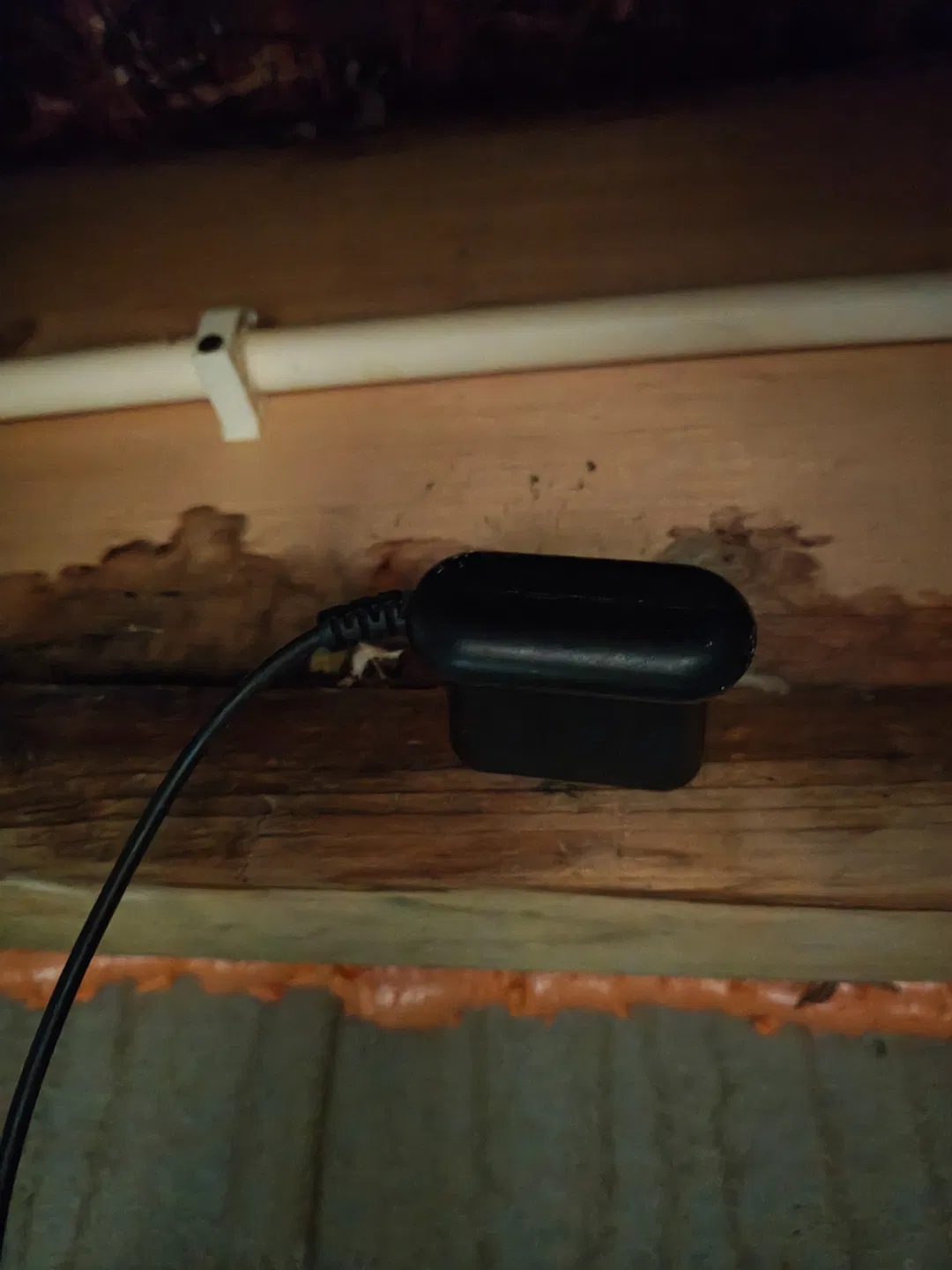
If you have a basement in Bucks County, your sump pump is essentially the most important appliance in your house. It’s the gatekeeper that stands between a dry basement and an indoor swimming pool.
Test it regularly: Pour a five-gallon bucket of water into the sump pit to make sure the float switch triggers the pump.
Listen for the "thump": When it kicks off, you should hear a solid sound. If it’s grinding or humming without moving water, it’s time for a replacement.
Battery Backups are Non-Negotiable: Storms often knock out the power right when you need the pump most. A battery backup ensures you aren't stuck waiting for an emergency flood cleanup team while the water rises.
Outdoor Maintenance: Directing the Flow
Believe it or not, most basement floods start outside. If the water doesn't have a clear path away from your house, it will find a path into your house.
Gutter Check: Make sure your gutters aren't overflowing. If water is cascading over the side of the gutter, it’s landing right next to your foundation.
Downspout Extensions: Your downspouts should discharge water at least 5 to 10 feet away from the foundation. If they just dump water at the corner of the house, you’re basically inviting a flood.
Grading: Take a walk around your yard. Does the soil slope toward your house or away from it? You want a gentle slope leading away to keep the foundation dry.
Dealing with the "Gross Stuff": Preventing Sewage Backups
There is nothing quite as unpleasant as a sewage backup. It’s a health hazard, it smells terrible, and it requires specialized sewage clean up techniques to make the area safe again.
To avoid this nightmare, watch what goes down your drains:
No "Flushable" Wipes: Spoiler alert: they aren't actually flushable. They are the #1 cause of clogs in local sewer lines.
Grease belongs in the trash: Pouring bacon grease or cooking oil down the sink is a recipe for a "fatberg" that will eventually push sewage back into your home.
Tree Root Awareness: If you have large trees near your sewer line, have a plumber snake the line every few years to clear out thirsty roots.
Mold: The Silent Resident
Where there is water, mold isn't far behind. In our humid SEPA summers, mold can start growing within 24 to 48 hours of a water event. If you notice a musty smell in your basement or see dark spots on your drywall, you’re likely looking at a need for mold remediation.
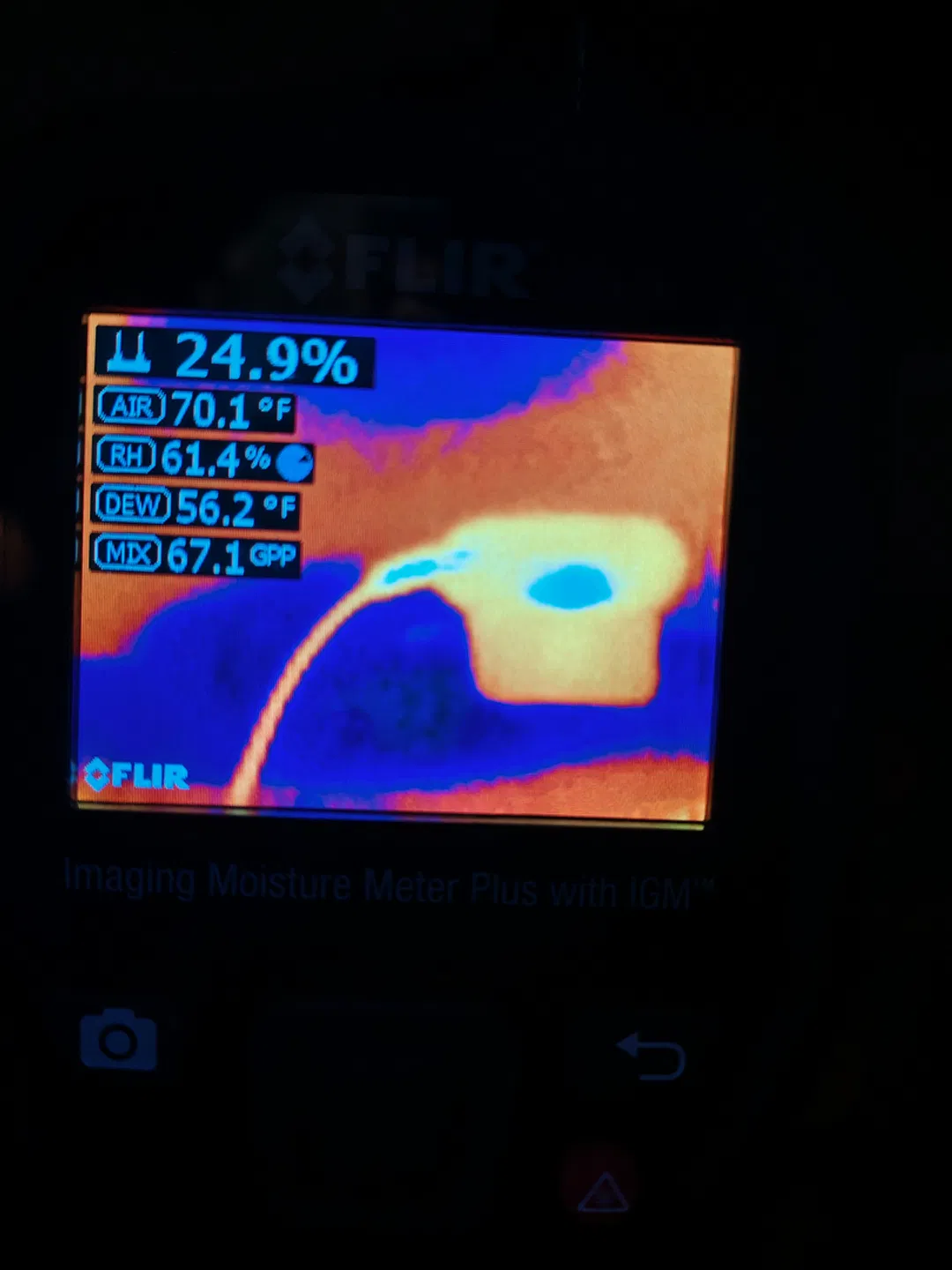
Keep your humidity levels below 50% using a high-quality dehumidifier. This makes your home a much less friendly environment for mold spores to take root. If you’re unsure if that "funny smell" is a problem, a professional inspection with a moisture meter can give you the answers you need.
Tech to the Rescue: Smart Sensors
We live in the future, so why not use it to protect your home? Smart water sensors are relatively cheap and incredibly effective. Place them near:
The water heater
The sump pump pit
Behind the washing machine
Under the refrigerator (especially if you have an ice maker line)
These sensors connect to your Wi-Fi and send an alert to your phone the second they detect moisture. Catching a leak when it’s just a puddle is the difference between a quick mop-up and a full-scale water extraction project.
When the Unexpected Happens
Even with the best habits, accidents happen. A pipe can burst while you're at work, or a historic storm can overwhelm even the best sump pump. When that happens, the most important thing is to act fast.
Don't wait! Standing water is a ticking clock for structural damage and mold growth. You need a team that knows Bucks, Montgomery, and Chester counties inside and out. At My Water Damage Hero, we’re your neighbors, and we’re here to help you get your life back to normal.
Whether it’s fire damage, smoke damage, or a basement full of water, we have the industrial drying equipment and the expertise to handle it. We take the stress off your shoulders so you can focus on your family.

Your Daily Safety Checklist Summary
Let’s wrap this up with a quick "Cheat Sheet" you can keep in mind:
Morning: Check the kitchen sink for drips.
Weekly: Walk around the exterior. Check gutters and downspouts.
Monthly: Test the sump pump and check the date on your fire/CO alarms.
Seasonally: Inspect the attic for roof leaks and the basement for new cracks.
Always: Keep our number handy. You hope you never need us, but you’ll be glad you have it if you do!
Keeping your Bucks County home safe doesn't have to be a full-time job. By staying proactive and mindful of these small details, you’re protecting your investment and your peace of mind.
If you’re currently facing a mess or just want to chat about mold testing, feel free to reach out to us. We love helping our community stay dry and safe! Stay safe out there, Bucks County!
Comments