15 Daily Habits to Master Your Home Safety and Avoid the Need for Water Extraction Service in Pennsylvania
- info603880
- Mar 15
- 5 min read
Let’s be honest: life in Montgomery, Berks, and Bucks counties is busy. Between the morning rush and getting home from work, the last thing you want to deal with is a soaking wet basement or a ceiling that’s starting to sag. We’ve seen it all here at My Water Damage Hero: from small drips that turned into massive mold remediation projects to sudden pipe bursts that required immediate emergency flood cleanup.
The truth is, while some disasters are unavoidable (looking at you, Pennsylvania flash floods!), many home water issues start small. By adopting a few simple, daily habits, you can protect your sanctuary and keep your wallet happy. You don't need to be a professional plumber to keep your home safe; you just need to be a little observant.
Here are 15 daily habits to help you master home safety and avoid the stress of needing a professional water extraction service.
1. The "Under-Sink" Quick Peek
Every morning when you grab the dish soap or the bathroom cleaner, take two seconds to look at the bottom of the cabinet. Is there a new ring of dampness? A stray drop hanging from the P-trap? Catching a slow drip today prevents a full-blown water damage restoration nightmare next week.
2. Listen for the "Phantom" Flush
Have you ever been sitting in your living room in Delaware County and heard the toilet down the hall flush itself? Or maybe you hear a faint, constant hissing? That’s water: and money, literally going down the drain. A leaking flapper can waste hundreds of gallons a day and, if the overflow tube is blocked, it can lead to a messy bathroom floor.
3. Empty the Dehumidifier Daily
If you live in a place like Chester County, you know our basements can get swampy. If you use a manual-drain dehumidifier, make it a habit to empty it every evening. A full tank means the machine shuts off, allowing humidity levels to spike. High humidity is the primary invitation for mold to move in.
4. The "Only When Home" Appliance Rule
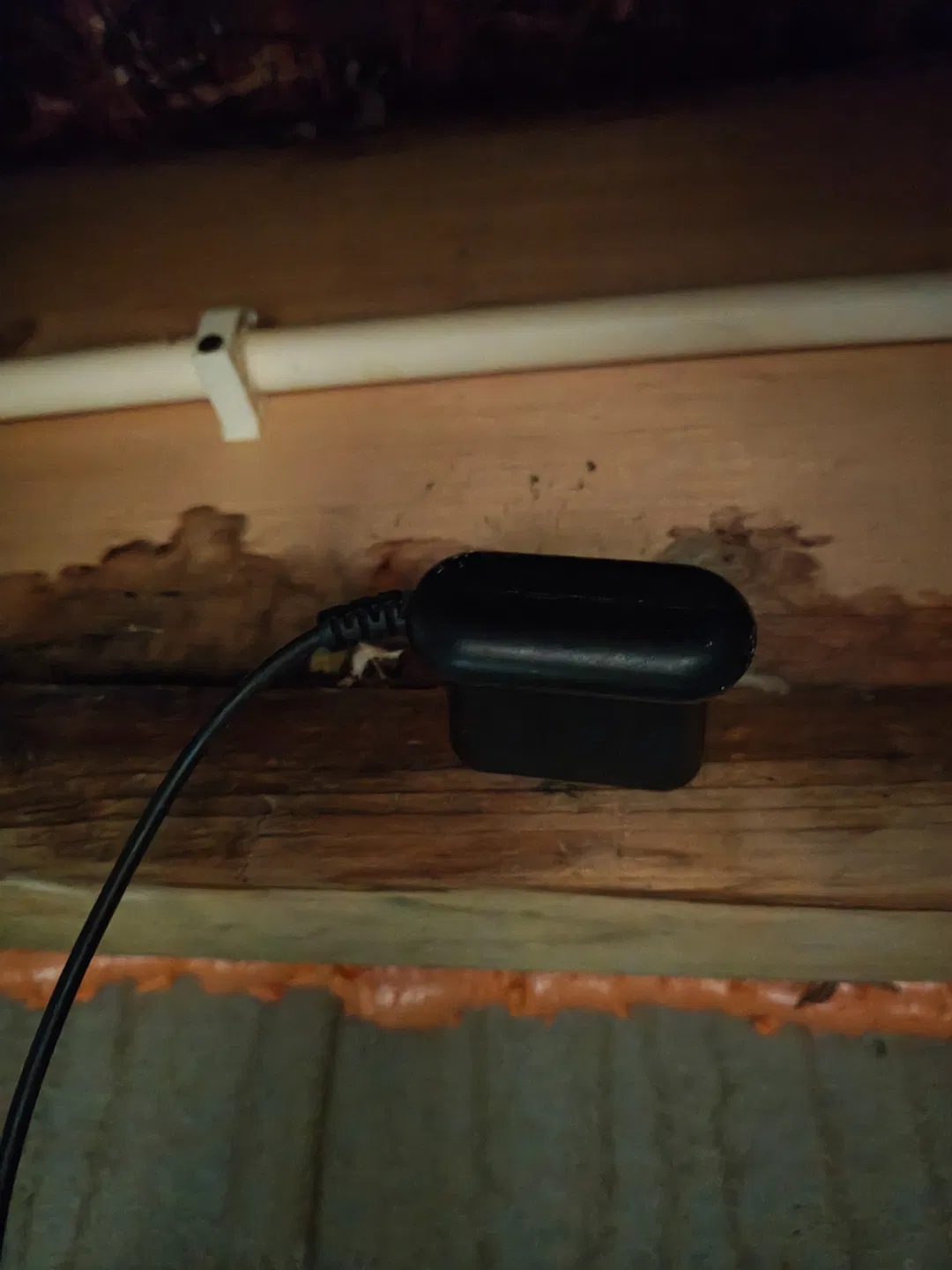
It’s tempting to start the dishwasher or the washing machine right before you head out to the grocery store. Don't do it. If a supply hose snaps or a seal fails while you’re out, you’ll come home to a lake. Only run these high-water appliances when you are home to hear the "uh-oh" sounds of a leak.
5. Visual Check of the Sump Pump
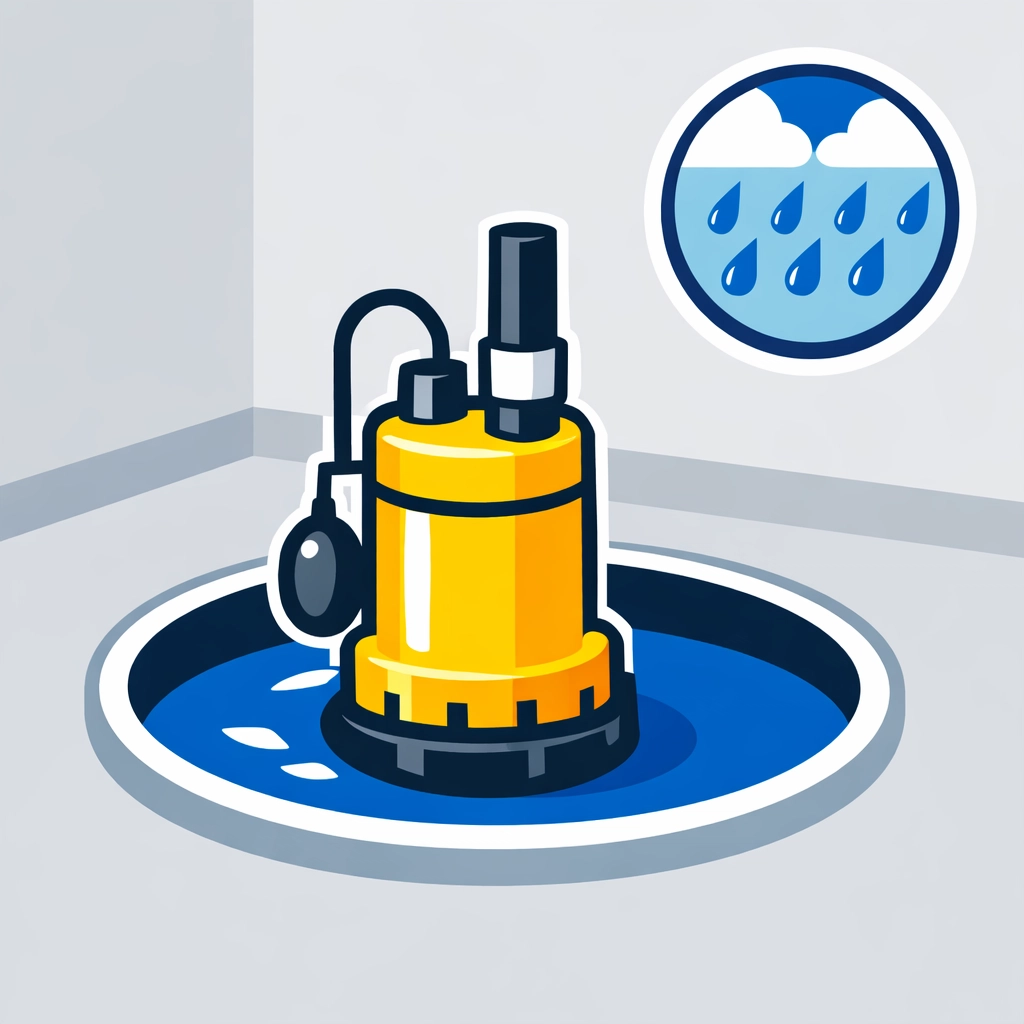
If you have a basement, your sump pump is your best friend. Every time you head downstairs to grab a load of laundry, glance at the pit. Is it dry? Is the tether for the float switch clear of obstructions? Pennsylvania storms can hit fast; you want that pump ready to go at a moment's notice.
6. The "Flushable" Lie
Here’s a tip to avoid a nasty sewage clean up in your home: stop believing the packaging on "flushable" wipes. They don't break down like toilet paper. Make it a daily habit to toss those (and feminine products) in the trash instead. Your main sewer line will thank you, and you won't have to deal with the health risks of a backup. You can read more about why this matters in our post on sewage clean up health risks.
7. The Refrigerator Floor Check
When you’re grabbing your morning milk, look at the floor near the base of the fridge. Ice makers are notorious for slow, sneaky leaks at the back of the unit. If you see a tiny trickle or a warped floorboard, pull that fridge out immediately. Those hidden leaks are a top cause for emergency flood cleanup in kitchens.
8. Clear the "Splash Zone"
In the bathroom, make it a habit to wipe up any water that splashed out of the tub or shower. Water that sits on the floor can seep into the subfloor or travel down into the ceiling below. A quick 10-second wipe with a bath mat or towel saves your floor's structural integrity.
9. Look Up! (Check Your Ceilings)
Once a day, just glance at your ceilings as you walk through your home. Are there any new yellow or brown stains? Discoloration is the first sign of a roof leak or a leaking pipe in the walls. Catching it when it’s a small spot is the difference between a minor patch job and a major water damage restoration project.
10. The 30-Second Gutter Glance
When you’re walking to your car in the morning, look up at your gutters. Are they sagging? Is there a small tree growing out of them? Clogged gutters cause water to overflow and pool right at your foundation, which is the #1 cause of wet basements in the SEPA area. Keeping them clear is a simple way to avoid emergency flood cleanup.
11. The "Finger-Swipe" on Appliance Hoses
Once a week (let’s call it "Maintenance Monday"), reach behind your washing machine and run your finger along the rubber hoses. If they feel wet or "blistered," they are about to burst. We highly recommend switching to braided stainless steel hoses for much better peace of mind.
12. Monitor Your Water Bill
Okay, this might be a monthly habit, but checking your digital meter daily (if your utility provider allows it) is a game-changer. If your water usage spikes and you haven't been watering the lawn or filling a pool, you have a "silent leak" somewhere. Finding it early prevents the need for massive water damage repair costs.
13. Know Your Main Shut-Off
Does everyone in your house know where the main water shut-off valve is? If a pipe bursts at 2 AM, those seconds spent searching for the valve are the difference between a damp carpet and a ruined house. Make it a habit to keep the area around your shut-off valve clear of clutter so you can reach it in a panic.
14. Be Mindful of "Musty" Smells
If you walk into a room and it smells like a wet basement: even if you can't see water: don't ignore it. That "old book" or "dirty sock" smell is often the first sign of hidden moisture and mold. If you catch it early, mold remediation is much simpler and less expensive. If you're in the Pottstown area, check out our guide on expert mold testing.
15. The "Clear the Vents" Check
Make sure your HVAC vents and return air grilles aren't blocked by furniture or curtains. Proper airflow helps regulate humidity in your home. When air stagnates, moisture builds up on cold surfaces, leading to condensation and: you guessed it: mold.
When Habits Aren't Enough
We know you're doing your best to keep your home safe. But sometimes, despite every precaution, the Pennsylvania weather or an old pipe has other plans. If you find yourself standing in a puddle, don't panic. You have neighbors who are ready to help.
At My Water Damage Hero, we specialize in making the "overwhelming" feel manageable. Whether you need emergency flood cleanup or a professional sewage clean up, our team is available 24/7 across Montgomery, Berks, Bucks, Delaware, and Chester counties.
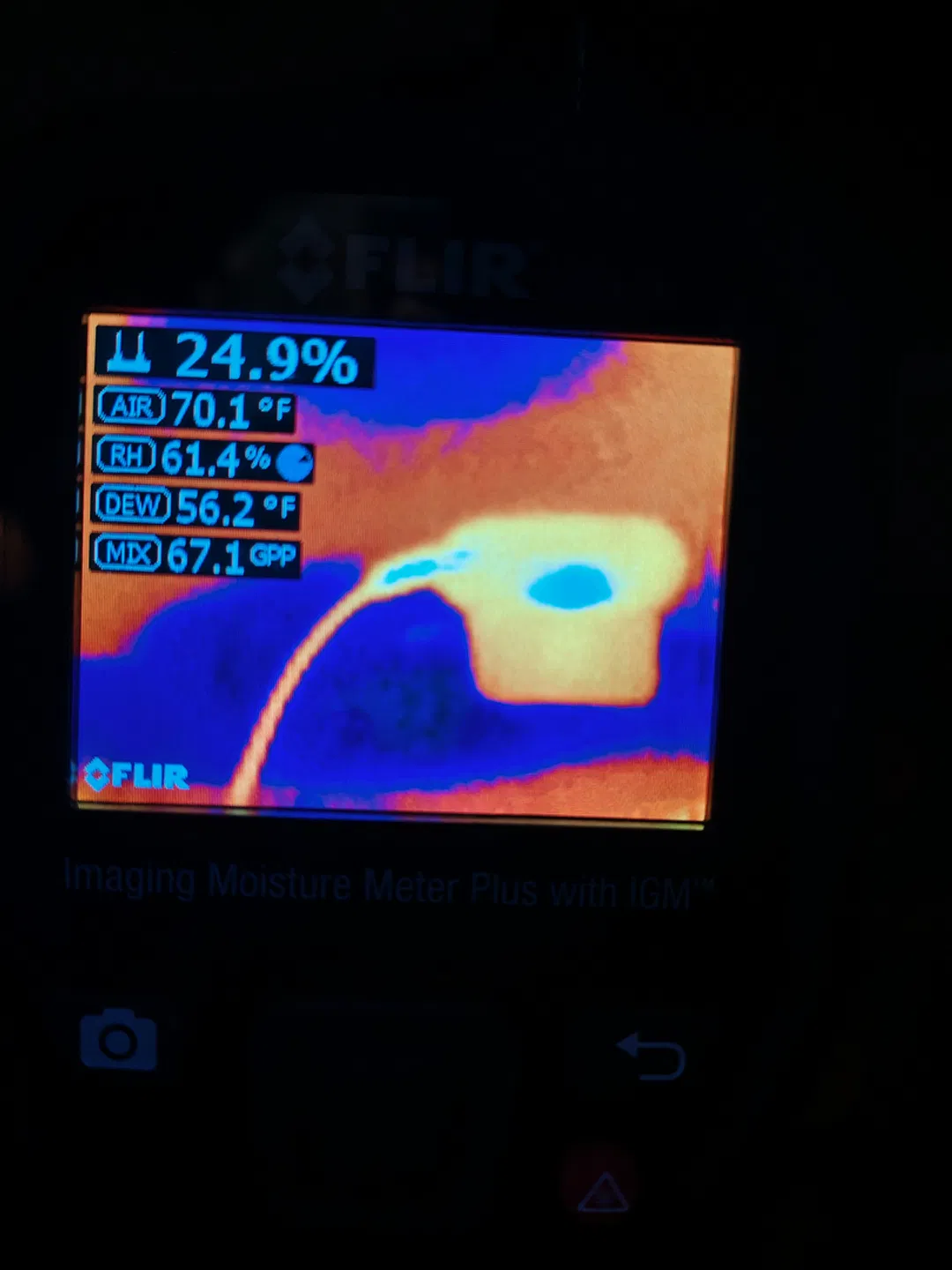
We use advanced technology like thermal imaging and heavy-duty water extraction equipment to ensure your home is dried properly, preventing long-term structural issues and health risks.
Remember: The faster you act, the less damage is done.
If you’re worried about a potential leak or have already experienced a disaster, contact us today. We’re here to restore your home and your peace of mind.

Quick Summary for the Busy Homeowner:
Daily: Check under sinks, listen for leaks, and glance at your ceilings.
Weekly: Inspect appliance hoses and the sump pump.
Monthly: Check your water bill for spikes.
Always: Know where your shut-off valve is!
Stay dry out there, Pennsylvania! Your home is your biggest investment( let's keep it safe together.)
Comments