Stop Wasting Time on DIY Leak Detection: Try These 7 Quick Home Safety Hacks for Berks County Homeowners
- info603880
- Apr 9
- 6 min read
Do you ever lay in bed at night in your Berks County home, wondering if that faint "ticking" sound is just the house settling or a pipe slowly flooding your basement? You aren't alone. We’ve all been there: stalking through the hallway with a flashlight, feeling like a DIY detective, trying to find a leak before it turns into a full-blown disaster.
The truth is, water damage is sneaky. It doesn’t always start with a massive pipe burst; it often begins with a tiny, silent pinhole leak behind your drywall or under your floorboards. By the time you see a puddle, the damage is already well underway.
But don't panic! While DIY leak detection has its limits, there are several quick "hacks" you can use to stay ahead of the game. At My Water Damage Hero, we want to help you protect your home before you need to call us for water damage restoration.
Here are 7 quick home safety hacks every Berks County homeowner should know to stop wasting time and start protecting their property.
1. The 30-Minute Water Meter "Freeze"
This is the gold standard of DIY leak detection. It’s simple, free, and incredibly effective for catching those hidden leaks that haven't shown their face yet.
How to do it:
Make sure no water is being used inside or outside your home (turn off the dishwasher, laundry, and tell everyone to stay off the taps).
Find your water meter: usually located in the basement or in a pit near the street.
Take a photo of the dial or write down the numbers.
Wait exactly 30 minutes.
Check the meter again.
If those numbers have changed, you have a leak. It’s that simple. If the change is small, it might be a dripping faucet or a toilet. If it’s a big jump, you might need emergency flood cleanup sooner rather than later.
2. The Food Coloring Toilet Test
Toilets are the number one cause of "mystery" high water bills. A leak in the flapper valve can waste hundreds of gallons a day without making a single sound.
The Hack: Drop a few drops of dark food coloring (blue or red works best) into the tank at the back of the toilet. Don’t flush! Wait about 15 to 20 minutes. If you see the color seeping into the toilet bowl, you’ve got a leak. Most of the time, this is a quick fix involving a $10 flapper from the local hardware store. For more routine checks like this, check out our 10 daily home safety checks for Berks County.
3. The "Cold Spot" Walkthrough
Our Berks County winters and springs can be tough on pipes. If you have an unfinished basement or a crawlspace, take a walk through it once a week.
Instead of just looking for water, look for "sweating" pipes or feel the drywall in areas where plumbing runs. If a section of the wall feels significantly colder or "softer" than the rest, there is likely moisture trapped behind it. This is often where mold remediation starts, as mold loves those dark, damp spaces behind your walls.

]
4. Use a Flashlight and a Mirror for Sink Cabinets
Trying to see the back of a dark vanity cabinet is a recipe for a neck cramp. Instead, grab a small hand mirror and a bright flashlight.
The Hack: Angle the mirror behind the P-trap (the U-shaped pipe) under your sinks. The flashlight will reflect off any standing water or dampness on the back wall or the bottom of the cabinet. Often, slow leaks from the sink drain don’t puddle: they just saturate the wood, leading to rot and a musty smell. Catching this early can save you from a major kitchen or bathroom renovation.
5. Follow Your Nose (The Musty Warning)
Your nose is one of the best leak detectors you own. If you walk into a room: especially a basement, laundry room, or bathroom: and notice an earthy, "wet basement" smell, don't ignore it.
That smell is often the first sign of microbial growth. If you wait until you see the black spots on the wall, you're already dealing with a situation that requires professional mold remediation. If you’re curious about whether a leak has already caused issues, you might want to read about whether you really need mold testing after a leak.
6. Install Smart Water Sensors
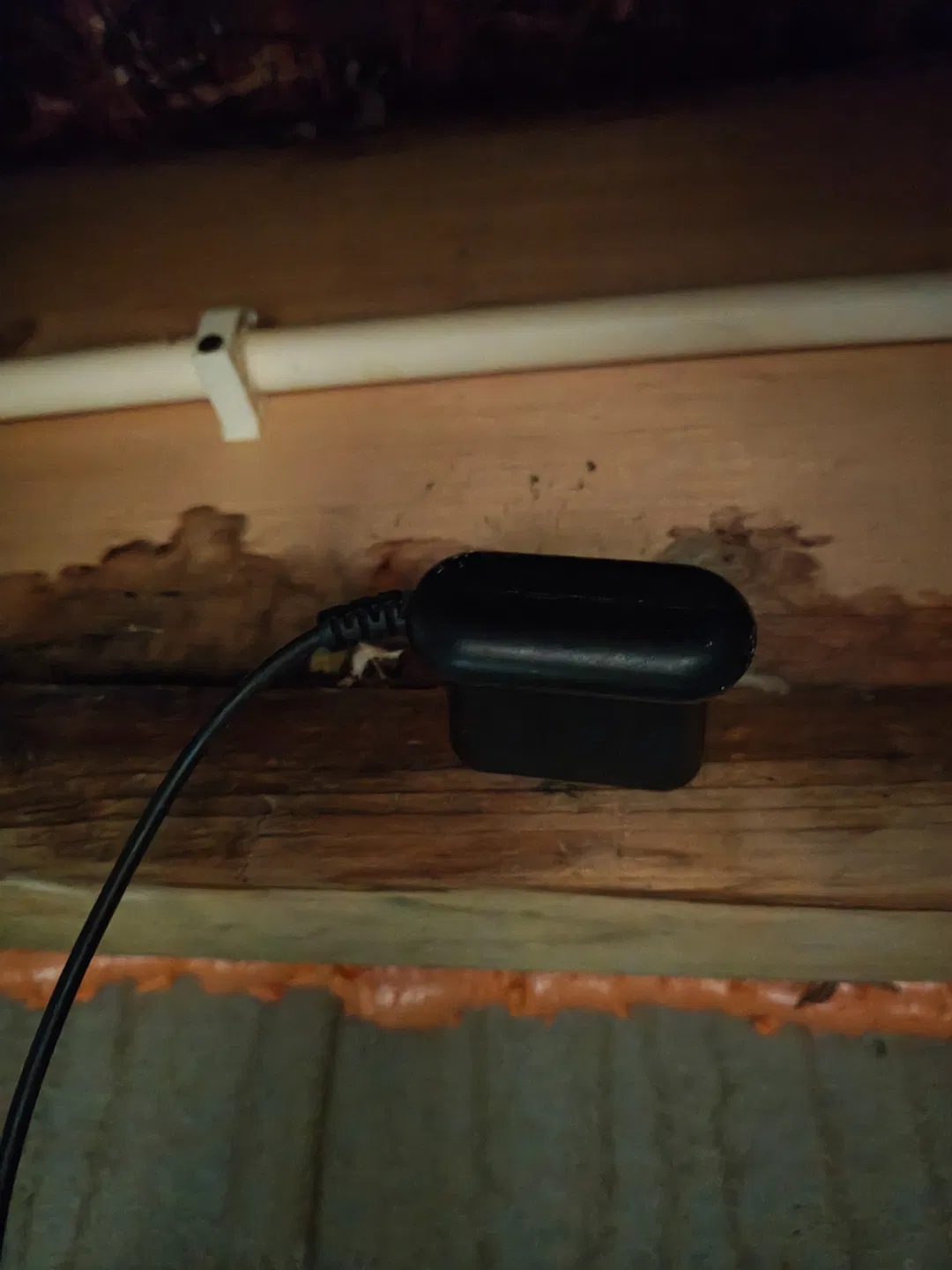
If you want to stop being a detective and let technology do the work, invest in a few smart water sensors. These are small, battery-operated pucks you place in high-risk areas:
Under the refrigerator (ice maker lines are notorious for leaking).
Near the water heater.
Next to the sump pump.
Under the kitchen sink.
When these sensors touch water, they send an alert straight to your phone. It’s the ultimate "set it and forget it" safety hack for busy homeowners.
7. The "Quiet Night" Listening Tour
Once or twice a month, when the house is totally quiet at night, take a moment to just... listen. Turn off the TV, put down your phone, and walk through your home.
Listen for the sound of running water in the walls or a rhythmic "drip, drip" in the basement. In many SEPA homes with older plumbing, sounds travel through the framing. If you hear water moving when no one is using a tap, you might have a pinhole leak in your copper piping or a loose connection in your PEX lines.
Why DIY Detection Has Its Limits
While these hacks are great for everyday maintenance, they can’t see through walls. Water is incredibly good at hiding. It can travel down a stud, across a ceiling joist, and puddle ten feet away from where the actual leak is located.
This is where "wasting time" becomes a real risk. If you spend three days trying to find the source of a damp spot on your ceiling, that water is soaking into your insulation and structural wood every single hour.
At My Water Damage Hero, we use advanced technology to find what the human eye (and food coloring!) can’t.
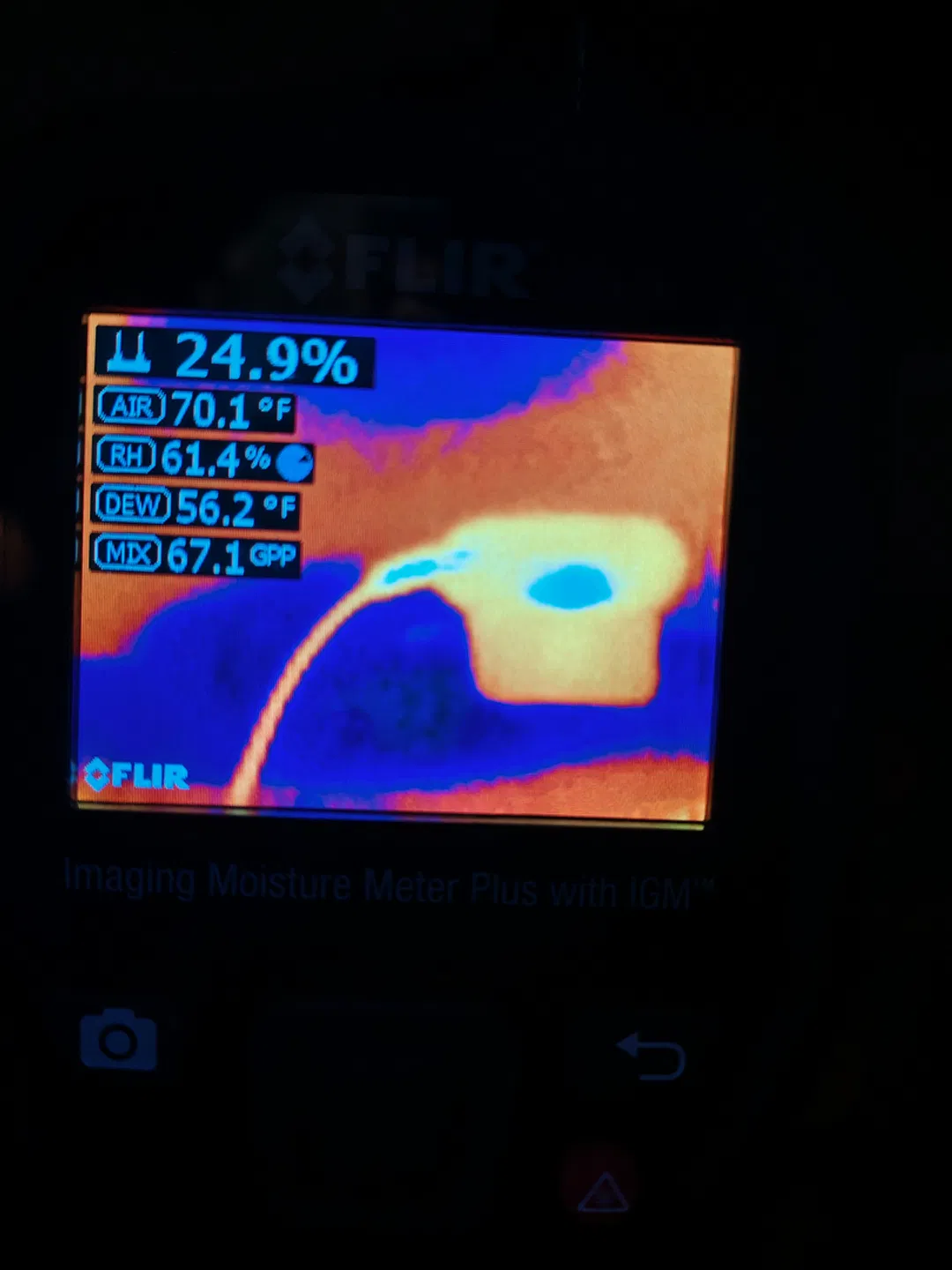
Infrared Thermal Imaging
We use FLIR imaging to see temperature differences in your walls. Since water is typically cooler than your home’s ambient temperature, it shows up as a dark "bloom" on our screens. This allows us to find the exact source of a leak without tearing down your entire living room wall.
Professional Moisture Meters
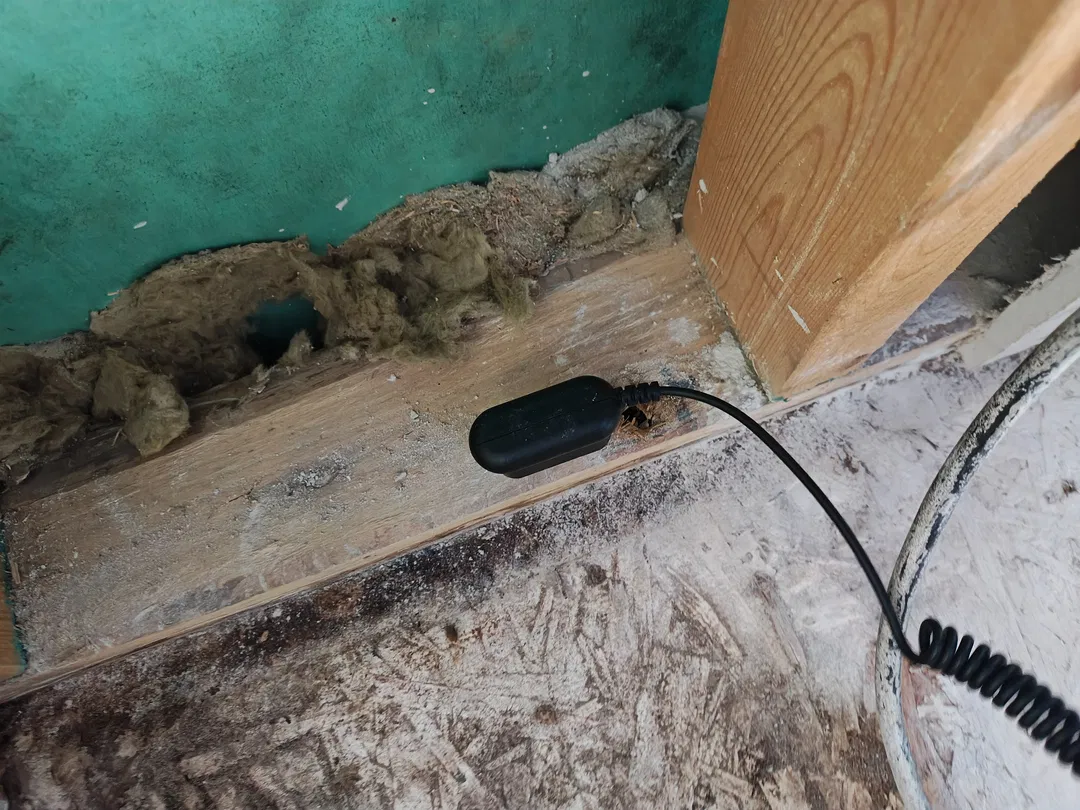
Not all dampness is visible. Our professional-grade moisture meters can tell us exactly how much water is trapped inside your subfloor or behind your tile. This is critical for knowing if we can dry the area out or if materials need to be removed to prevent sewage clean up issues or mold.
The 24 to 48-Hour Rule
The most important thing to remember is the clock. Once water enters your home’s structure, you have about 24 to 48 hours before mold begins to colonize. This is why "DIY-ing" for too long can actually cost you more money in the long run.
If you find a leak and the area is already soaked, it’s time to move past the hacks and get professional help. Fast action is the difference between a simple dry-out and a massive water damage restoration project. If you're in the middle of a mess right now, read our guide on what happens in the first 48 hours of an emergency flood cleanup.
Local Experts You Can Trust
Berks County is a beautiful place to live, from the rolling hills of Kutztown to the historic streets of Reading. But our local climate: with its heavy spring rains and humid summers: creates a perfect storm for water issues.
Whether you’re dealing with a burst pipe, a failing sump pump, or a mysterious moldy smell in the attic, My Water Damage Hero is here for you. We’re neighbors helping neighbors across Berks, Montgomery, Bucks, Delaware, and Chester counties.
We know that dealing with water damage is stressful. It’s overwhelming to see your home: your biggest investment: under threat. But you don't have to tackle it alone.

Ready to protect your home?
If you’ve tried these hacks and found something concerning, or if you’ve had a major spill that needs emergency flood cleanup, give us a call. We offer 24/7 emergency response because water doesn't wait for business hours, and neither do we.
Don't let a small drip become a big disaster. Stay proactive, use these hacks, and know that your local "heroes" are just a phone call away!
For more tips on keeping your SEPA home safe, check out our ultimate daily home safety checklist to stop emergencies before they start.
Comments