Looking for Faster Water Damage Restoration? Here Are 10 Daily Safety Tips Montgomery County Homeowners Should Know
- info603880
- Apr 10
- 5 min read
Let’s be honest: nobody wakes up in Montgomery County thinking, “Today seems like a great day for a flooded basement.” But here we are in mid-April, and between the spring showers and the fluctuating temperatures, water has a way of finding its way into our homes.
If you’ve ever dealt with a soggy carpet or a dripping ceiling, you know the panic that sets in. You want it fixed, and you want it fixed now. We get it. At My Water Damage Hero, we see it every day. But did you know that the fastest way to handle water damage restoration is actually to prevent the damage from getting out of hand in the first place?
Speed is everything in our world. The faster you act, the less likely you are to need extensive mold remediation or structural repairs. To help you stay dry and stress-free, we’ve put together 10 daily and weekly safety tips that every homeowner from Norristown to Lower Merion should keep in their back pocket.
1. Know Your Main Water Shut-Off Valve
This is rule number one. If a pipe bursts or a supply line snaps, every second that water flows is another gallon you’ll have to pay to have extracted. Do you know where your main shut-off valve is? It’s usually in the basement or a utility closet near the front of the house.
Make sure every adult in the house knows how to turn it off. It’s the difference between a small mop-up and a full-scale emergency flood cleanup. If you can’t find it, give us a call or check out our about us page to see how we help neighbors identify these risks.
2. Give Your Sump Pump a Literal "Hand"
In SEPA, our basements are notorious for taking on water. Your sump pump is your home’s first line of defense. Once a month: or daily if we’re in a heavy rain stretch: take a peek in the pit.
Gently lift the float switch to make sure the motor kicks on. If it doesn't, you're sitting on a potential emergency flood cleanup situation. Consider a battery backup, too, because as we know, Montgomery County storms often like to take the power out with them.

3. Inspect Appliance Hoses Daily
It sounds tedious, but it takes thirty seconds. Check the back of your washing machine and dishwasher. Are the hoses brittle? Do you see a slow drip? Those rubber hoses have a lifespan, and when they go, they go big.
If you see any signs of wear, swap them out for braided stainless steel hoses. They are much more durable and can prevent a massive water damage restoration project in your laundry room. You can find more quick habits like this in our guide to 10 daily home checks.
4. Monitor Your Humidity Levels
In the humid months, mold is just waiting for an invitation. Keep your home’s humidity below 60%. If your basement feels "heavy" or smells musty, your humidity is likely too high.
High humidity leads directly to the need for mold remediation. A simple hygrometer (they’re cheap and available at any local hardware store) can tell you exactly where you stand. If the numbers are high, crank up the dehumidifier.

5. Watch for "Ghost" Leaks in the Toilet
Have you ever heard your toilet "cycle" or refill when no one has used it? That’s a leak. While it might just seem like a waste of water, a leaking toilet can eventually lead to floor damage or, worse, a sewage clean up emergency if the line backs up.
A quick daily listen can save you a lot of money on your water bill and prevent hidden moisture from rotting your subfloor.
6. Clear the Debris from Your Gutters
This is especially important for our friends in the woodier parts of Bucks and Montgomery Counties. Leaves and twigs clog gutters, causing water to pour over the sides and pool right against your foundation.
From there, it’s a short trip into your basement. Ensure your downspouts are pointing at least five to ten feet away from your home. If you're noticing dampness despite clear gutters, you might want to read about how we find hidden leaks using moisture mapping.
7. Use Technology to Your Advantage
We live in 2026; let's use the tools we have! Smart water sensors are game-changers. You can place these small discs near your water heater, under the kitchen sink, or by the sump pump.
If they detect even a drop of moisture, they’ll ping your phone. This allows for near-instant response, which is the "secret sauce" to faster water damage restoration.
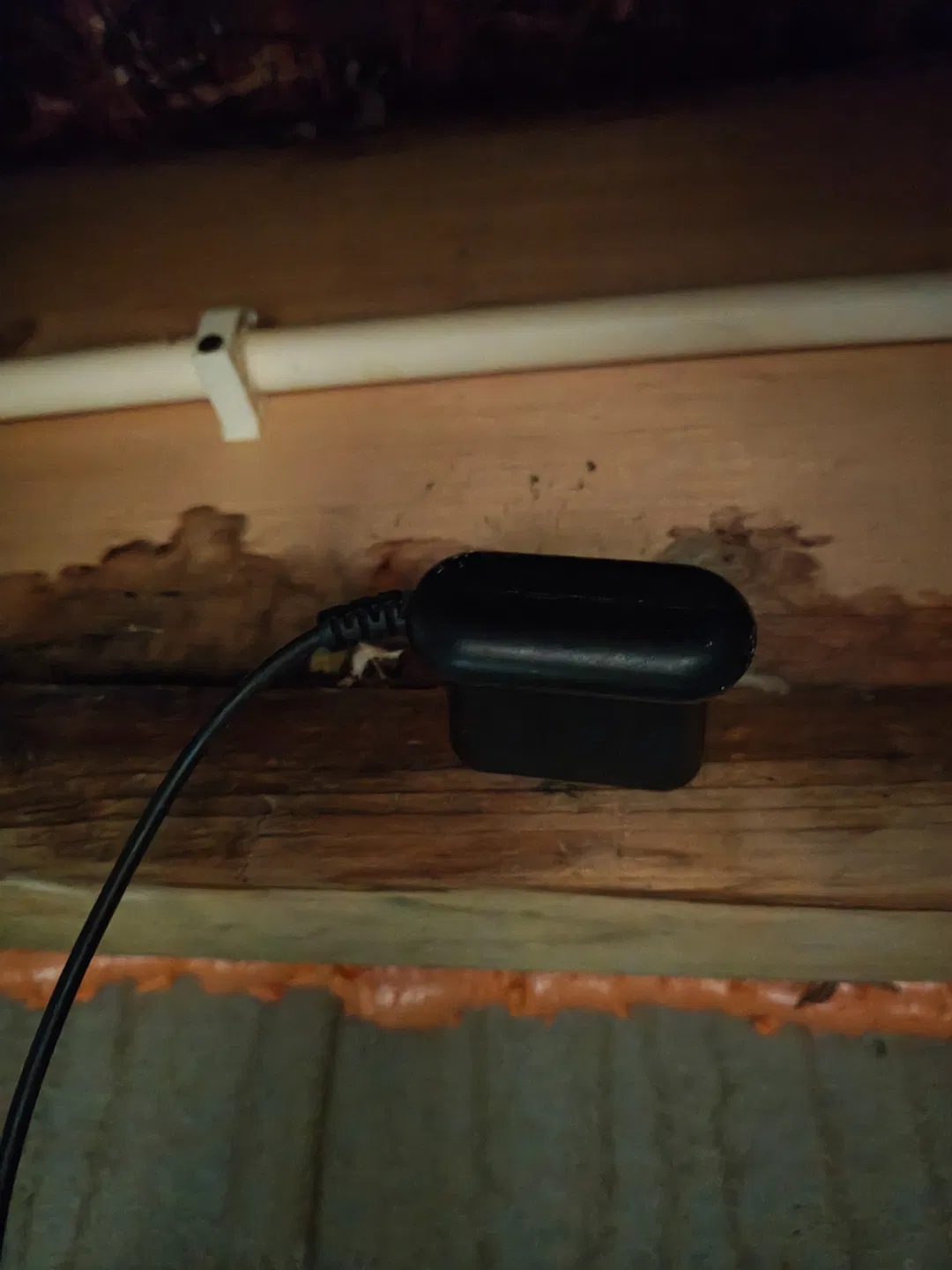
8. Check Your Attic After a Heavy Rain
We often focus on the basement, but water comes from above, too. In Montgomery County, our spring storms can be intense. After a big blow, take a flashlight up to the attic. Look for damp rafters or stained insulation. Catching a roof leak early prevents the water from traveling down through your walls and causing hidden mold growth.
9. Be Mindful of What Goes Down the Drain
This is a huge one for preventing sewage clean up disasters. Avoid putting fats, oils, and greases down the kitchen sink. They solidify and create "fatbergs" that can back up your entire system.
In the bathroom, only flush toilet paper. Even "flushable" wipes aren't really flushable for most older SEPA plumbing systems. A backup is a health hazard and a mess you definitely don't want to deal with yourself.
10. Have a Restoration Pro on Speed Dial
The absolute fastest way to get your home back to normal is to have a plan before the emergency happens. If you find standing water, don't wait. The clock starts ticking immediately for mold to begin growing: usually within 24 to 48 hours.
By calling My Water Damage Hero right away, you get professional-grade water extraction and industrial drying equipment on-site before the secondary damage (like warped floors and mold) can even start.

Why "DIY" Can Sometimes Slow You Down
We love a good weekend project as much as the next person, but water damage restoration is one of those things where "doing it yourself" can actually lead to a longer, more expensive recovery.
Common mistakes include:
Using a household vacuum: They aren't built for large volumes of water and can be an electrical hazard.
Only drying what you can see: Water hides behind baseboards and under pads. If it’s not professionally dried, you’ll be calling us for mold remediation in two weeks.
Not using a dehumidifier: Just because the floor feels dry doesn't mean the air isn't holding onto moisture that will eventually settle back into your drywall.
Serving Our Neighbors Across SEPA
We’re proud to serve Montgomery, Berks, Bucks, Delaware, and Chester counties. We know the local architecture: from the historic stone homes in Chestnut Hill to the newer developments in Lansdale. We know exactly where these houses tend to fail and how to fix them fast.
If you’re worried about a recent leak or just want to be prepared, contact us today. We’re here 24/7 because water damage doesn’t wait for business hours.
Final Thoughts for Montgomery County Homeowners
Living in such a beautiful part of Pennsylvania comes with its challenges, but a little bit of daily vigilance goes a long way. Check those hoses, listen to your toilet, and keep your sump pump happy.
If things do go wrong, remember that you aren’t alone. We’ve helped thousands of your neighbors turn a disaster back into a home. Whether it's a small leak or a major emergency flood cleanup, we’ve got the tools and the heart to get it done.
Stay dry, Montco! And if you can't, give the heroes a call.

Comments