How to Create a Water-Safe Kitchen in 5 Minutes: Your Daily SEPA Homeowner Checklist
- info603880
- Apr 5
- 5 min read
Hey there, neighbor! If you’re like most of us living in Montgomery, Bucks, or Delaware County, the kitchen is the absolute heart of your home. It’s where the coffee brews in the morning, where the kids do their homework, and where everyone gathers during the holidays. But here’s the thing: that beautiful kitchen is also the number one spot for potential water disasters.
Between the dishwasher, the refrigerator’s ice maker, the sink, and the garbage disposal, there is a whole lot of plumbing crammed into one small space. A tiny drip today can turn into a full-blown emergency flood cleanup scenario by next week.
The good news? You don’t need to be a master plumber to keep your home safe. You just need five minutes a day. At My Water Damage Hero, we’ve seen how quickly a small leak can lead to mold remediation needs, and we want to help you prevent that.
Let’s dive into your daily 5-minute SEPA homeowner checklist to keep your kitchen dry and your stress levels low.
1. The 60-Second "Under-Sink" Peek
We all do it: we cram the space under the kitchen sink with cleaning supplies, extra sponges, and half-empty bottles of dish soap. This clutter is the perfect hiding spot for a slow, steady leak.
Take one minute every morning (maybe while the coffee is brewing) to open those cabinet doors. You aren't looking for a flood; you’re looking for the little signs. Is there a new water stain on the cabinet floor? Is the wood looking a bit "puffy" or warped? Are the pipes feeling damp to the touch?
If you see a drip, don't ignore it. A small drip is just a "pre-flood." Catching it now prevents the need for major water damage restoration later.
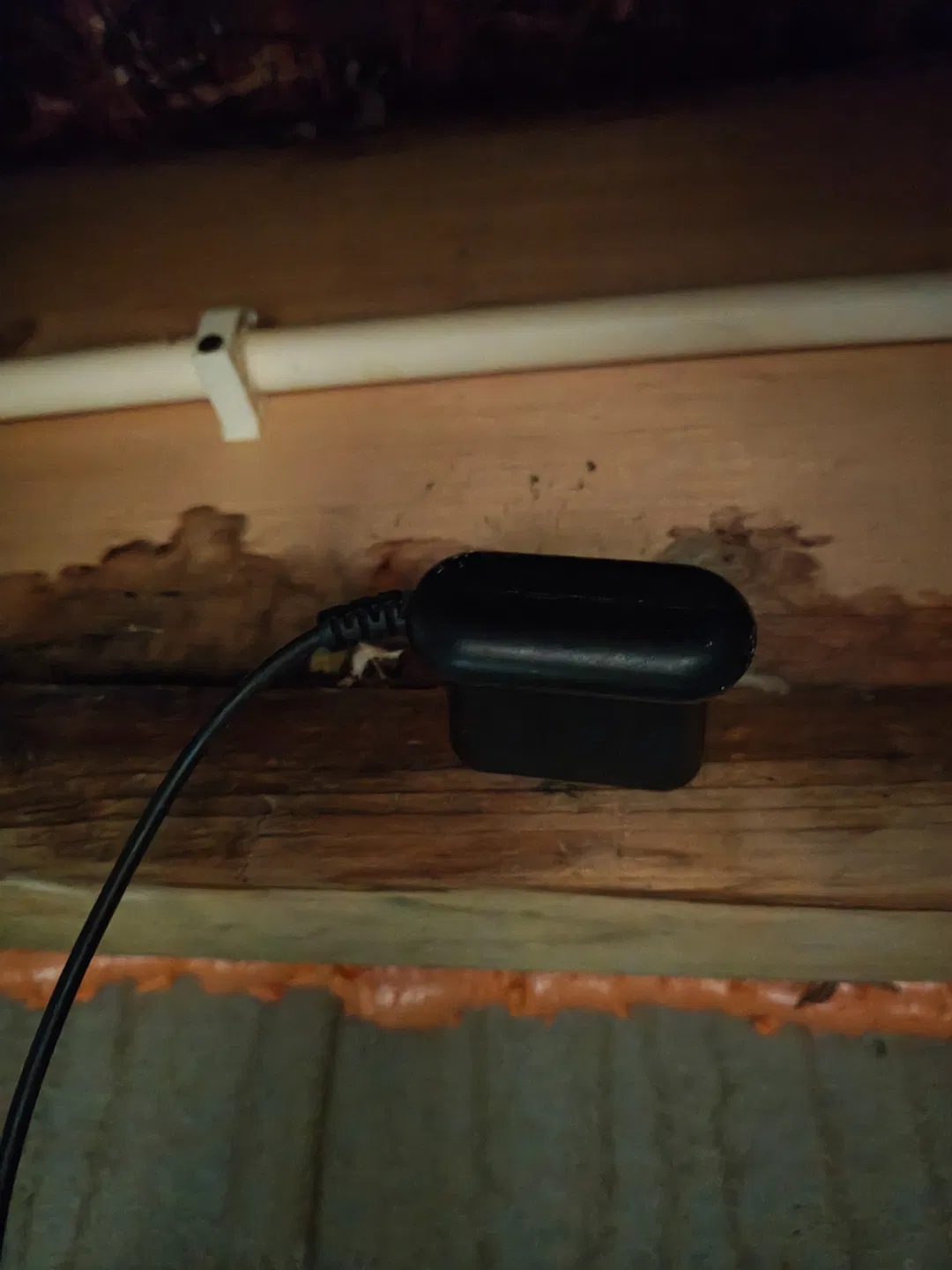
A water detection sensor is installed on a wooden joist beneath a PVC pipe, monitoring for leaks or signs of water damage. The wood shows evidence of previous moisture exposure, indicating risk for further water intrusion and potential mold growth.
2. The Appliance "Footprint" Check (1 Minute)
Your dishwasher and refrigerator are the heavy hitters of the kitchen. They also have a habit of leaking from the back where you can’t see the source.
Once a day, take a quick walk around your appliances. Look at the "footprint": the area where the appliance meets the floor.
The Dishwasher: Look for any suds or moisture escaping from the bottom panel. If the floor tiles nearby feel soft or the laminate is peeling, you might have a slow leak underneath.
The Refrigerator: Check the floor near the kickplate. If you have an ice maker, the plastic tubing in the back can become brittle and crack.
In Berks and Chester counties, where many homes feature beautiful hardwood floors in the kitchen, catching an appliance leak early is the difference between a quick fix and needing water extraction services for your entire ground floor.
3. The "Disposal Listen" (1 Minute)
The garbage disposal is a marvel of modern convenience, but it’s also a common source of vibration-related leaks. Over time, the constant shaking can loosen the mounting ring or the "P-trap" connection.
When you turn it on, listen closely. Does it sound different? Is there a rattling noise that wasn't there yesterday? While it’s running, take a quick look under the sink with a flashlight. Vibrations can cause seals to fail, leading to sewage clean up issues if the backup gets bad enough.
If you notice the sink is draining slowly, stop using the disposal immediately. Backed-up water puts immense pressure on your pipes, and in older homes throughout SEPA, those pipes might not be up to the task.

4. The Countertop & Backsplash Wipe (1 Minute)
This might seem like just a cleaning tip, but it’s actually a vital safety check. As you wipe down your counters, pay attention to the caulking where the countertop meets the backsplash.
If the caulk is cracked or missing, water from your daily chores can seep behind the cabinets. Once water gets behind the wall, it stays there. This creates a dark, damp environment that is basically an invitation for mold.
If you find yourself needing mold remediation, it’s often because of these "hidden" moisture spots. A quick bead of silicone caulk can save you thousands in restoration costs.
5. The "Smell Test" (1 Minute)
Your nose is one of the best leak detectors you own. Mold and mildew have a very distinct, earthy, or musty smell.
Walk into your kitchen after being out of the house for a few hours. Does it smell fresh, or is there a hint of "old basement"? If you smell something funky, don't just light a candle. Follow the scent. It often leads to a hidden leak behind the dishwasher or inside a wall.
In our humid SEPA summers: especially in areas like Delaware County: moisture thrives. If you suspect a hidden leak but can't find it, that’s where professional technology comes in. We use specialized tools like FLIR imaging to "see" moisture behind your walls without having to tear anything down.
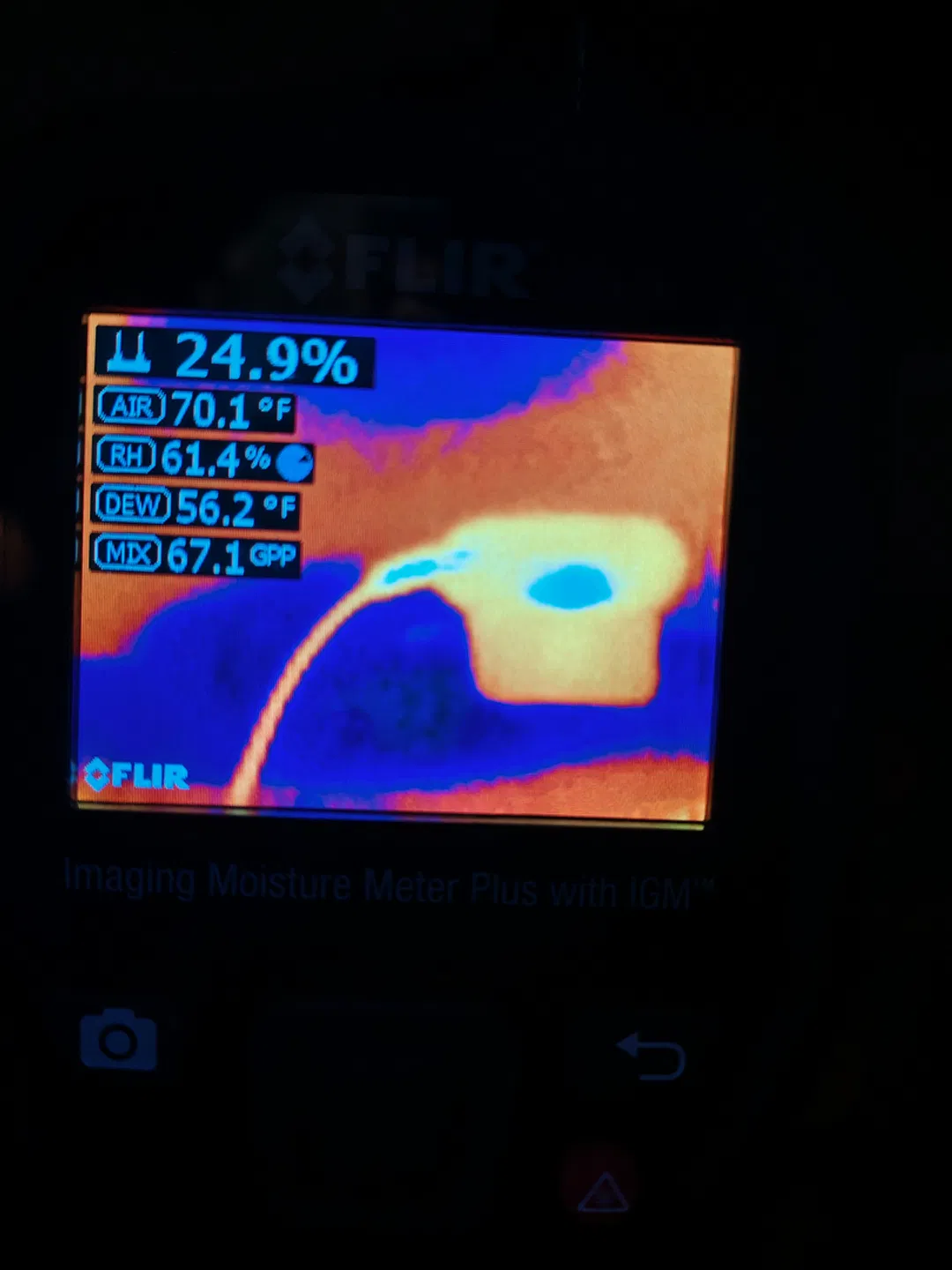
FLIR imaging moisture meter screen showing a thermal scan with a highlighted area of potential water intrusion. The meter displays 24.9% moisture, confirming the presence of moisture requiring remediation.
Why 5 Minutes Matters in SEPA
You might be thinking, "Tonya, it's just a little water. Can't it wait until the weekend?"
Here’s the thing: water doesn't take days off. In fact, most water damage restoration projects we handle in Montgomery and Bucks Counties could have been much smaller (and cheaper!) if they had been caught just 48 hours earlier.
When water sits, it doesn't just stay wet. It begins to break down the structural integrity of your subfloor. It ruins your cabinetry. Most importantly, it can lead to mold growth in as little as 24 to 48 hours. By spending five minutes today, you are essentially "insurance-proofing" your kitchen.
If you’re worried you’ve already missed something, check out our 10 daily home checks for a more comprehensive look at your whole house.
What to Do if You Find a Leak
Don't panic! Finding a leak during your 5-minute check is actually a win: it means you caught it before it became a disaster. Here is your quick action plan:
Shut off the water: If the leak is at a specific fixture, use the local shut-off valve (usually located under the sink).
Dry what you can: Use towels to soak up standing water.
Assess the damage: Is the wood soft? Is there a smell? If the water has spread under the flooring or behind the walls, household fans won't be enough.
Call in the Heroes: For anything more than a minor surface spill, you need professional drying equipment.
We specialize in emergency flood cleanup and use industrial-grade air movers and dehumidifiers to ensure your kitchen is truly dry, not just "dry to the touch."

A technician in protective gear uses industrial water extraction equipment to remove standing water. Several air movers and drying machines are operating to speed up the drying process.
Your Safety is Our Priority
At My Water Damage Hero, we aren't just a restoration company; we’re your neighbors. Whether you’re dealing with a leaky sink in West Chester or a major pipe burst in Doylestown, we’re here to help 24/7.
Prevention is always the best medicine, which is why we encourage these daily habits. But we also know that life happens. Pipes age, appliances fail, and sometimes the rain in SEPA is just too much for our homes to handle.
If you find yourself facing a soggy kitchen, don't wait. Reach out to us at our contact page or give us a call. We’ll get a hero out to your home in Montgomery, Berks, Bucks, Delaware, or Chester County faster than you can say "water-safe kitchen!"
Stay dry, stay safe, and keep up with those 5-minute checks!
Comments