How to Create a 5-Minute Emergency Flood Cleanup Plan for Your Chester County Home
If you’ve lived in Chester County for a while, you know our weather can be a bit unpredictable. From heavy summer downpours to rapid snowmelts in the spring, water has a way of finding its way into our basements and living rooms when we least expect it.
When you look down and see your socks are soaked or hear that dreaded "glug-glug" coming from the floor drain, panic is natural. Your heart starts racing, and your brain goes into overdrive. Where is the water coming from? How much is this going to cost? Is my favorite rug ruined?
Here’s the thing: the first few minutes after you discover water are the most critical. Instead of scrambling, you need a plan. We’ve put together this 5-minute emergency flood cleanup plan specifically for our neighbors in Chester County to help you take control of the situation before it takes control of you.
Minute 1: Safety First, Questions Later
The very first thing you need to do is ensure everyone in the house is safe. Water and electricity are a deadly combination. If the water has reached your electrical outlets or your circuit breaker is in a flooded area, do not enter the water.
Kill the Power: If you can safely reach your electrical panel without stepping into water, turn off the breakers for the affected areas.
Gear Up: If you have them handy, grab rubber boots and gloves. Floodwater: especially if it involves sewage clean up: can contain nasty bacteria or chemicals.
Evacuate if Necessary: If the water is rising fast or the structural integrity of your home feels "off," just get out. Your life is worth more than your drywall.

Minute 2: Stop the Intrusion
Now that you’re safe, you need to figure out how to stop the "bleeding." If the flood is caused by a burst pipe or a leaking appliance, find the main water shut-off valve for your home and turn it clockwise until it stops.
If the water is coming from the outside due to a storm, there might not be a "valve" to turn off, but you can still take action:
Check the Sump Pump: Is it humming? If not, check if the float is stuck or if the power is out. If you need a backup, this is the time to realize it.
Sandbags or Barriers: If you keep emergency supplies, toss a barrier in front of the door where water is seeping in.
Contact Local Authorities: If the water is coming from a backed-up street sewer, call the Chester County Department of Environmental Protection (DEP) emergency line at (484) 250-5900. They need to know if there's a systemic issue in your neighborhood.
Minute 3: Document the Damage
Before you start hauling things out or mopping up, grab your phone. We know it feels counter-intuitive when you want to save your stuff, but your insurance company is going to want proof.
Take a quick video walking through the affected rooms. Take photos of:
The water level against the walls.
Damaged furniture and electronics.
The source of the leak (if visible).
Any high-value items that are currently submerged.
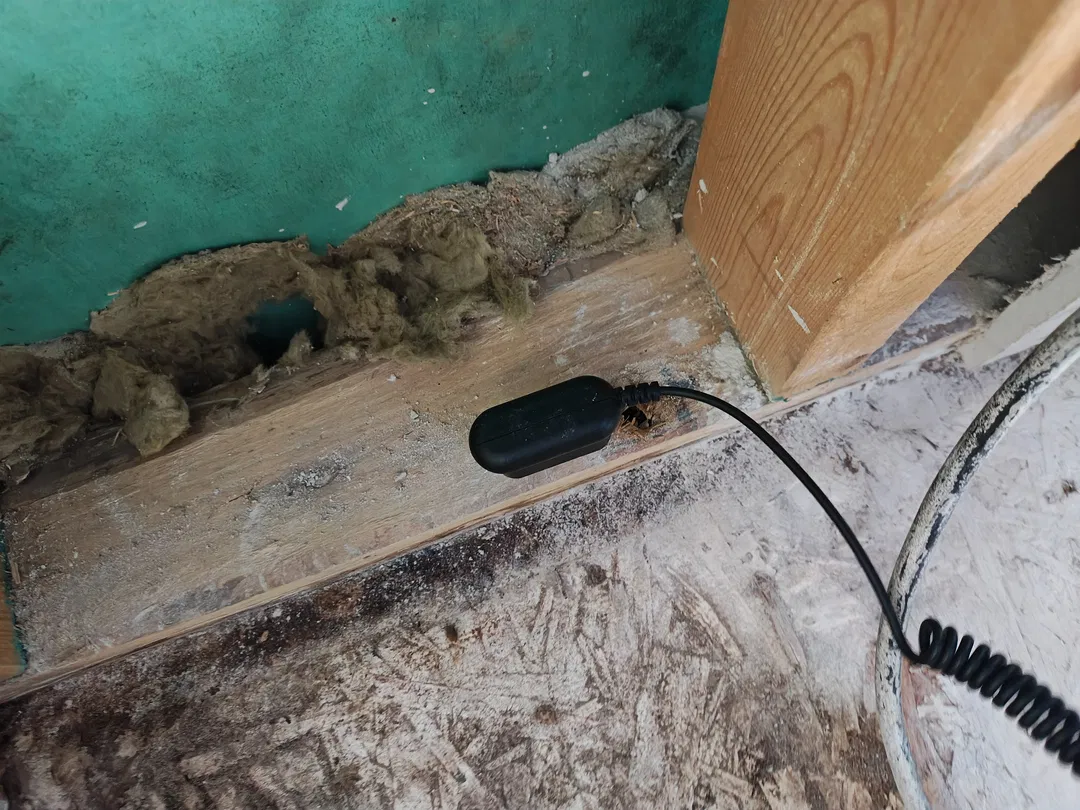
This documentation is vital for your water damage restoration claim. Without it, getting reimbursed for the full extent of the damage can be a much bigger headache.
Minute 4: The "Quick Save" Move
You can't move everything in five minutes, but you can save the big-ticket items or the things that are most susceptible to permanent damage.
Furniture Blocks: If you have heavy furniture you can’t move, try to prop the legs up on aluminum foil or plastic containers. This prevents the wood from soaking up water (wicking) and stops the finish from staining your carpet.
Clear the Floor: Pick up area rugs, "breathable" items like books or photo albums, and small electronics. Move them to a higher floor or a dry area.
Curtains Up: If you have floor-length drapes, loop them over the curtain rod so they aren't sitting in the puddle.
Minute 5: Call for Professional Backup
By the fifth minute, you should be on the phone. While a DIY spirit is great for painting a bedroom, emergency flood cleanup is a whole different beast.
Why call a pro so fast? Because of the 24-hour rule. Mold remediation becomes a necessity incredibly quickly. Within 24 to 48 hours, mold spores can begin to colonize on damp drywall, carpeting, and wood. By calling My Water Damage Hero early, you’re ensuring that professional-grade water extraction and drying equipment are on their way to your Chester County home.
Check out these 5 water damage restoration tips for Chester County families to see more on how to stay prepared.
Why a "Standard" Cleanup Isn't Enough
You might be tempted to just grab a shop-vac and a few box fans. We get it: you want to handle it yourself. But residential fans and vacuum cleaners just can't reach the water that’s trapped behind your baseboards or deep in your subfloor.
Here is what the pros bring to the table:
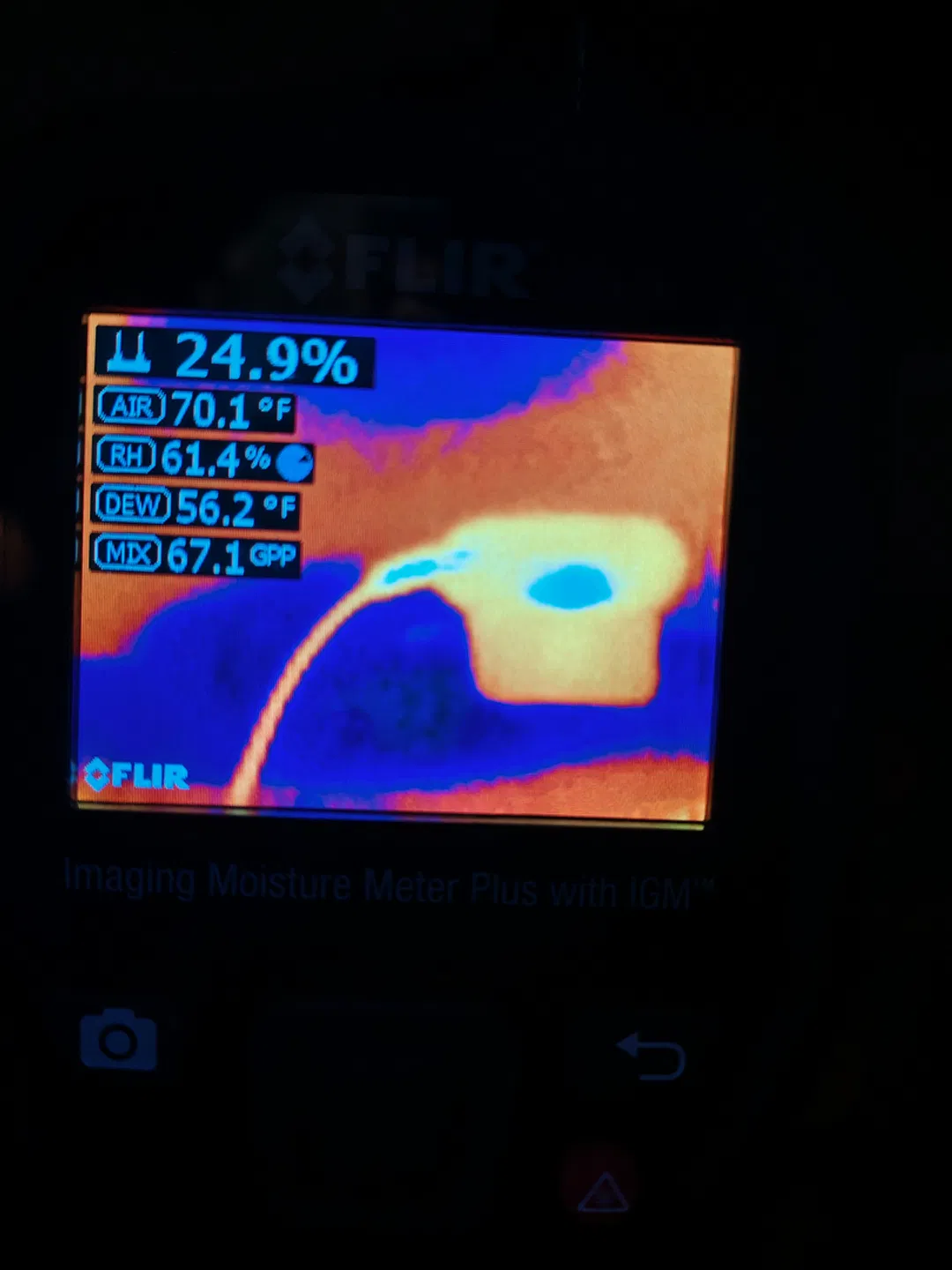
Moisture Meters & Thermal Imaging: We use FLIR moisture detection scans to find water hiding inside walls. If you leave that moisture there, it will turn into a mold problem later.
Industrial Air Movers: These aren't your average floor fans. They move massive amounts of air to evaporate moisture from surfaces rapidly.
LGR Dehumidifiers: Low Grain Refrigerant dehumidifiers pull moisture out of the air, creating an environment where materials can actually dry out instead of just staying "less wet."
If you skip these steps, you might find yourself needing mold remediation in the future because the "hidden" water caused rot and fungal growth.
Understanding the Risks: Sewage and Stormwater
Not all water is created equal. In the restoration world, we categorize water to determine how dangerous it is:
Category 1 (Clean Water): From a broken supply line or a sink overflow. It’s relatively safe but can degrade quickly.
Category 2 (Gray Water): This might contain some contaminants. Think dishwasher or washing machine overflow.
Category 3 (Black Water): This is the dangerous stuff. It includes sewage clean up situations and rising floodwater from rivers or streams. This water is filled with bacteria, pathogens, and chemicals.
In Chester County, when we get those heavy rains that overwhelm our local systems, you're often dealing with Category 3 water. This requires specialized cleaning agents and PPE (Personal Protective Equipment). Don't risk your health by trying to scrub black water with a standard household sponge.
Local Resources for Chester County Homeowners
Dealing with a flood is a community effort. Aside from calling us at My Water Damage Hero, here are a few local points of contact that might help:
Chester County Emergency Management: For widespread flooding events and emergency alerts.
Your Local Township Office: They can often provide guidance on debris removal and if any specific permits are needed for major repairs.
PECO/Your Utility Provider: If your gas or electric needs to be professionally disconnected for safety.
Don't Wait for the Musty Smell
The biggest mistake homeowners make is waiting to see if the area "dries on its own." By the time you notice a musty smell, the damage is already deep. Water extraction needs to happen immediately to save your hardwood floors and prevent the need for total carpet replacement.
Whether you're in West Chester, Kennett Square, or Phoenixville, we are just a phone call away. We know these neighborhoods because we live and work here too. We’ve seen what the Brandywine can do when it overflows, and we’ve helped countless neighbors recover from "impossible" basement floods.

Quick Recap of Your 5-Minute Plan:
Safety: Turn off the power if safe; don't touch water near outlets.
Stop: Shut off the main water valve or clear the sump pump.
Photo: Take videos and pictures for your insurance company.
Save: Move your most valuable/porous items to high ground.
Call: Get the pros on the line for emergency flood cleanup.
Flooding is stressful, but you don't have to face it alone. Take a deep breath, follow your plan, and let the experts handle the heavy lifting. You've got this, Chester County!
Comments