5 Steps How to Handle a Sewage Clean Up Emergency (Easy Guide for Montgomery County)
- info603880
- May 1
- 5 min read
Waking up to a squishy, smelly mess in your basement is probably the last thing you wanted to deal with this morning. Whether it’s a backed-up floor drain in Norristown or a toilet overflow in Lansdale, a sewage emergency is enough to make any Montgomery County homeowner want to pull their hair out.
It’s gross, it’s stressful, and let’s be honest, it’s a bit scary. But here is the good news: you don’t have to handle this alone. While your first instinct might be to grab a mop and start scrubbing, sewage is a different beast compared to a simple leaky pipe. It’s what we call "Category 3" water, which is a fancy way of saying it’s packed with bacteria and pathogens that you really don’t want to touch.
Take a deep breath. We’ve put together this easy 5-step guide to help you navigate the chaos and get your home back to being a safe, clean sanctuary.
Step 1: Prioritize Safety and Evacuate
The very first thing you need to do is get everyone out of the splash zone. This isn't just about avoiding a mess; it's about protecting your health. Sewage can carry nasty things like E. coli, Salmonella, and Hepatitis A.
Keep children, seniors, and pets far away from the affected area. If the backup is in your basement, close the door and keep it shut. If you have to enter the room to grab something essential, you need to gear up. We’re talking rubber boots, heavy-duty gloves, and a face mask.
Don't forget the electricity. Water and electricity are a dangerous duo. If you can safely reach your circuit breaker without stepping into the water, turn off the power to the affected area. If you’re not sure or the breaker box is in the wet zone, leave it alone and call a professional. Your safety is worth way more than your drywalls.

Step 2: Stop the Source (If You Can)
Once everyone is safe, you need to figure out where the water is coming from and stop it. If it’s a toilet overflow, don't flush it again! If it’s a backup through your floor drains or sinks, stop running any water in the house. This includes the dishwasher, the washing machine, and even the shower. Anything you send down the drain right now might just end up right back on your floor.
In many Montgomery County neighborhoods, heavy rain can overwhelm the municipal sewer lines. If the backup is happening during a massive storm, the problem might be coming from the city side. If that’s the case, there isn't much you can do to stop it other than wait for the levels to recede, but you should still notify your local utility department.
If the issue is a simple clog in your main line, shutting off the main water valve to the house can prevent anyone from accidentally adding to the problem while you wait for a sewage clean up crew to arrive.
Step 3: Contain the Mess and Start Basic Extraction
While you wait for the experts to arrive, you can take small steps to prevent the damage from spreading to other parts of your home. If the water is creeping toward a carpeted hallway or another room, you can use old towels or sandbags (if you have them) to create a makeshift barrier.

If the spill is very small, think a gallon or two from a clean-ish toilet overflow, you might feel tempted to use a shop-vac. A word of caution: unless your vacuum is specifically rated for hazardous bio-waste and has a HEPA filter, you might actually be spraying bacteria into the air.
For anything larger than a tiny puddle, you really need professional-grade emergency flood cleanup equipment. Industrial pumps and high-powered extractors are the only way to ensure the sewage is removed quickly before it soaks into your subfloor and wall studs.
Step 4: The Hard Truth About Your Belongings
This is the part that hurts the most for homeowners. When it comes to sewage, you have to be ruthless about what stays and what goes. Anything porous that has touched "black water" (sewage) generally cannot be saved.
What usually has to go:
Carpeting and padding: These act like a giant sponge for bacteria.
Drywall and insulation: Once sewage wicks up into your walls, it’s a breeding ground for pathogens.
Cardboard boxes and soft furniture: If your holiday decorations were in cardboard boxes on the basement floor, it’s time to say goodbye.
Area rugs: Unless they are extremely valuable and can be sent to a specialist for deep-immersion cleaning, it's safer to toss them.
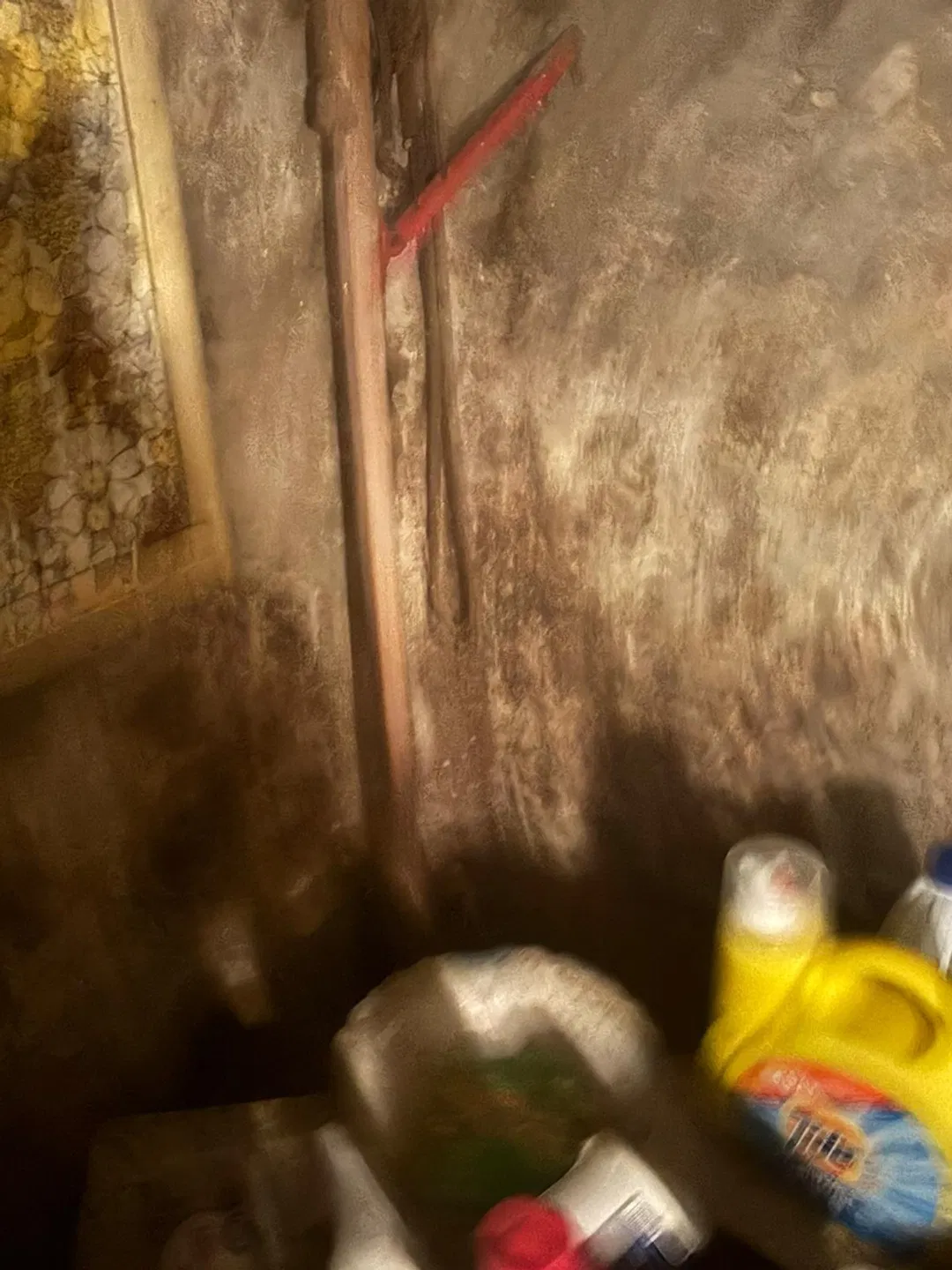
Hard surfaces like tile, concrete, and metal can usually be salvaged, but they require intense sanitization. We use professional-grade antimicrobials that go way beyond what you can find at a big-box store in King of Prussia.
Step 5: Professional Sanitization and Restoration
Clean-looking doesn't mean "clean." Even after the water is gone and the floor looks dry, millions of microscopic bacteria are still hanging out. This is where mold remediation and professional disinfection come into play.
A professional team like My Water Damage Hero uses specialized tools to ensure your home is truly safe. We use:
Air Scrubbers: To remove odors and airborne pathogens.
Dehumidifiers: To pull moisture out of the air and the structure of your home, preventing mold growth.
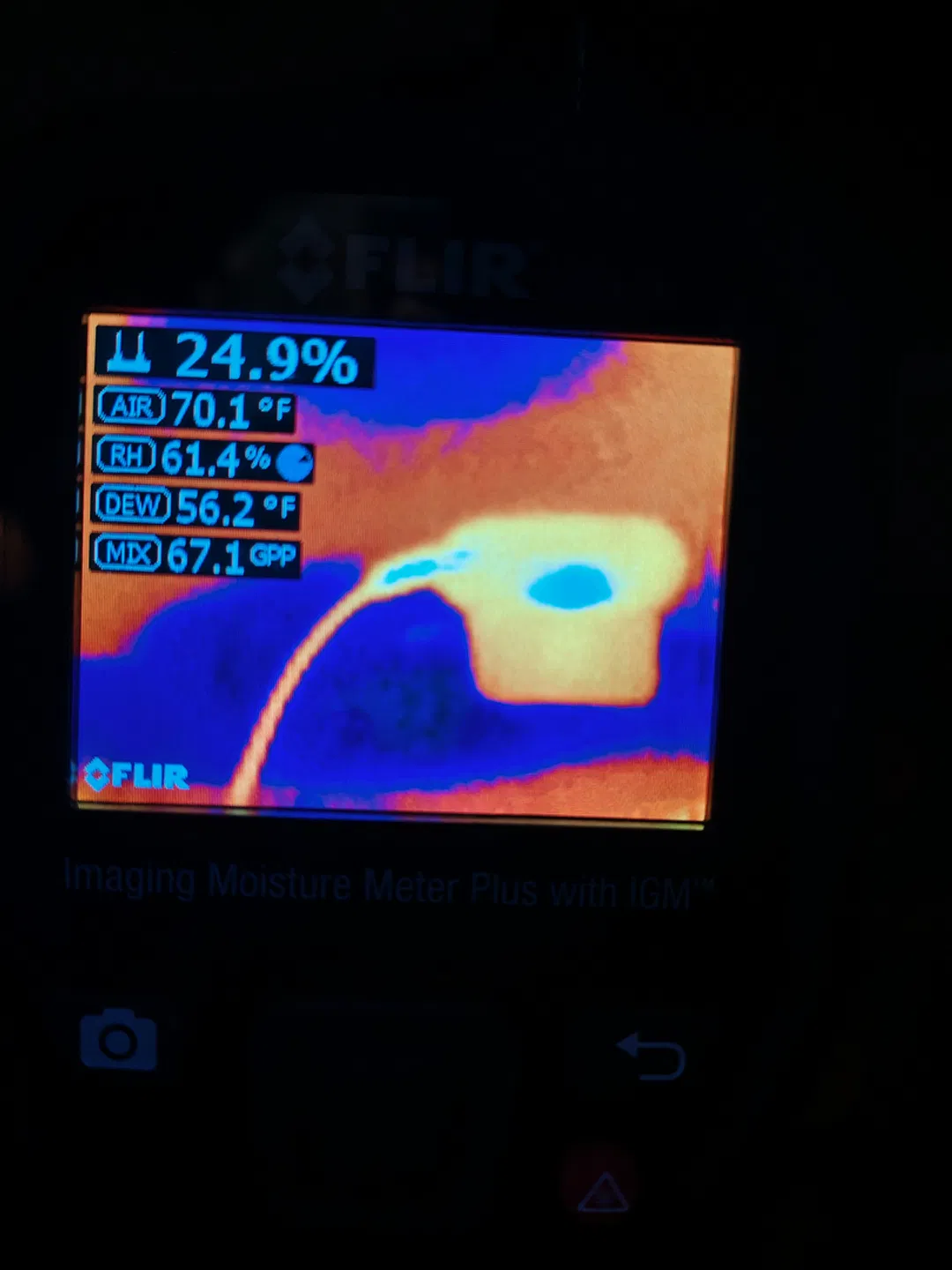
Moisture Meters: To find hidden pockets of water behind cabinets or under flooring that you can’t see with the naked eye.
Once the area is dry and sanitized, the restoration process begins. This might involve replacing drywall, installing new flooring, and making your home look like the backup never happened.
A Quick Note on Insurance
Dealing with a sewage backup in Chester or Delaware County? You might be wondering if your insurance covers this. Here’s a tip: check if you have a "Sewer Backup Endorsement" on your policy. Standard homeowners insurance doesn't always include this by default. If you’re unsure, give your agent a call. We often help our neighbors navigate the claims process to make sure they get the coverage they deserve. You can read more about this in our guide on sewage backup vs. water damage insurance.

Why Montgomery County Trusts My Water Damage Hero
We know that when a pipe bursts or a sewer lines backs up, you aren't just looking for a cleaning crew: you're looking for peace of mind. We live and work right here in the SEPA area. Whether you're in the heart of Pottstown or a quiet neighborhood in Upper Merion, we treat your home like it’s our own.
Our goal is to get your life back to normal as fast as possible. We offer 24/7 emergency response because we know that sewage doesn't wait for business hours to cause trouble.
Don't wait 48 hours. The longer that water sits, the higher the risk of permanent structural damage and severe mold growth. If you're standing in a mess right now, don't fret. Just reach out to us, and we'll send a hero your way.
Summary Checklist for a Sewage Emergency:
Get Out: Clear the area of people and pets.
Cut the Power: If safe, turn off electricity to the wet zone.
Stop the Water: Cease all drain use and shut off the main water valve.
Call the Pros: Contact a water damage restoration expert immediately.
Document Everything: Take photos for your insurance company before the cleanup begins.
Stay safe, Montgomery County! You’ve got this, and we’ve got your back.
Comments