10 Reasons Your Home's Flood Defense Isn't Working (And How to Avoid Emergency Flood Cleanup in Delaware County)
Living in Delaware County, we’re no strangers to the occasional heavy downpour or the sudden rise of local creeks. Whether you’re over in Media, Havertown, or down in Ridley Park, you’ve probably spent a Saturday or two checking your basement walls or wondering if your sump pump is actually up to the task.
It’s stressful, right? That feeling of looking out the window at a "Delco" storm and hoping your home stays dry. We’ve seen it all at My Water Damage Hero. Sometimes, homeowners have "flood defenses" in place, but when the water starts rising, those defenses fail.
If you’ve ever wondered why your basement still gets damp despite your best efforts, or if you want to avoid a massive emergency flood cleanup bill, this guide is for you. Let’s dive into the ten biggest reasons your home’s flood defense might be letting you down: and how to fix it before the next storm hits.
1. You Think It’s a "Set It and Forget It" Deal
Here’s the thing: flood protection isn't a one-time event. You can’t just install a sump pump or a backwater valve and assume you’re safe for the next twenty years. Studies show that a huge majority of homeowners only think about their flood systems after a failure.
The Fix: Think of your flood defense like your car. It needs an oil change: or in this case, a seasonal check-up. Test your sump pump every spring. Pour a bucket of water in there to make sure the float switch actually triggers. If you don't hear that hum, you'll want to call for water damage restoration expertise before the clouds turn grey.
2. Tiny Cracks Are Rolling Out the Red Carpet
You might see a small hairline crack in your basement wall and think, "I'll get to that later." But to pressurized groundwater, that crack is a VIP entrance. As the soil in Delaware County gets saturated, it pushes against your foundation. That tiny gap becomes a geyser in a matter of minutes.
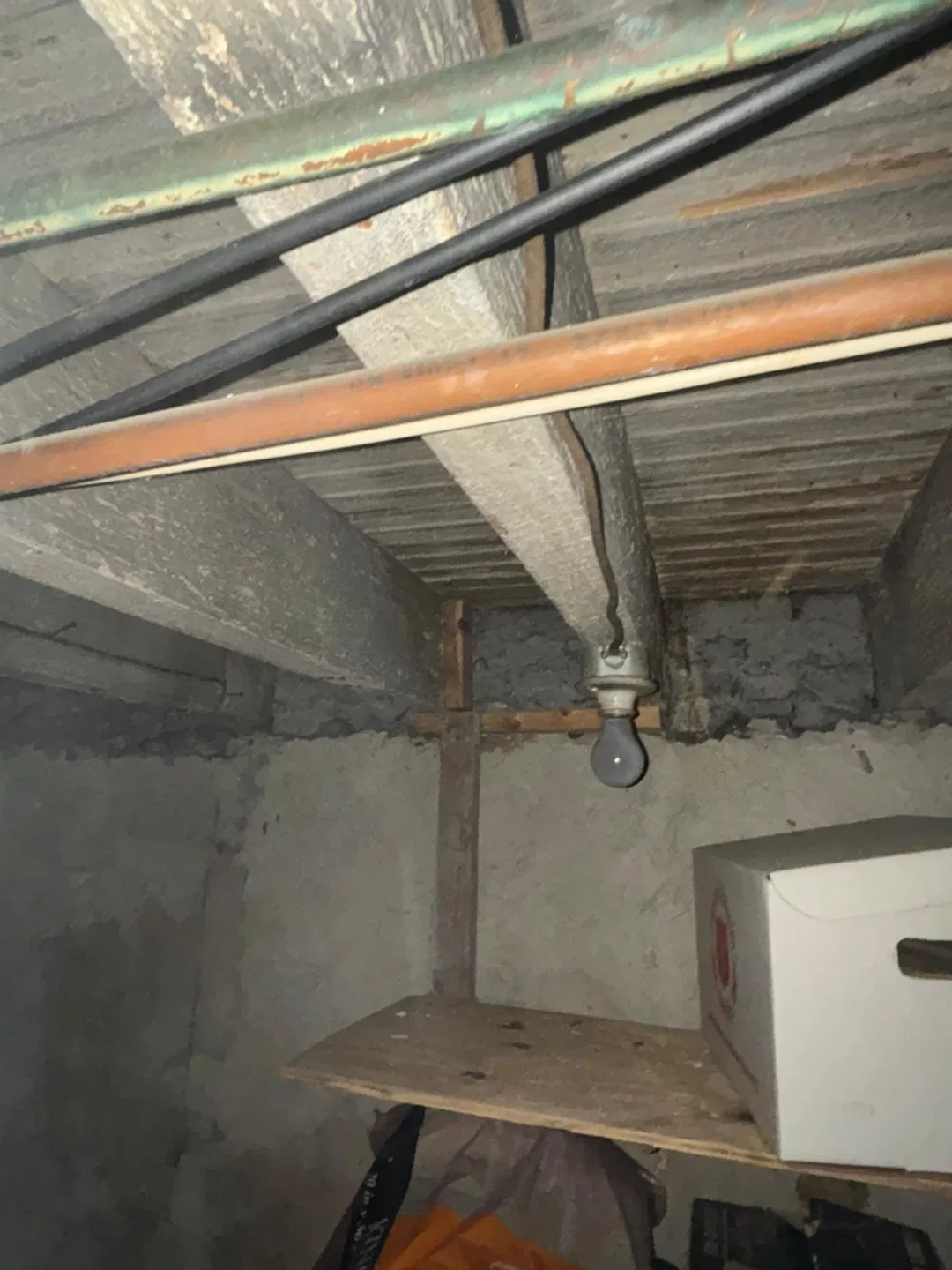
The Fix: Grab a flashlight and do a perimeter check of your basement or crawlspace. If you see any cracks, don't just paint over them. Use a high-quality waterproof sealant or an epoxy injection. If the walls feel "fuzzy" (that white powdery stuff called efflorescence), it's a sign that moisture is already pushing through.
3. Your Yard Is Working Against You
Take a look at your lawn next time it rains. Does the water flow away from your house, or does it pool right against the siding? This is called "grading," and it’s one of the most common reasons defenses fail. If your yard slopes toward your foundation, you’re essentially living in a bowl.
The Fix: You want at least a 6-inch drop over the first 10 feet away from your home. Sometimes, a little DIY landscaping with extra topsoil can save you from a sewage clean up nightmare if your drains get overwhelmed by surface water.
4. The Gutter Trap
We know, cleaning gutters is nobody’s favorite chore. But when your gutters are packed with leaves and Delco grit, they overflow. That water doesn't just disappear; it falls straight down, saturating the ground right next to your foundation. This creates immense pressure that can eventually crack walls or overwhelm your interior drainage.

The Fix: Clean those gutters at least twice a year. More importantly, make sure your downspouts extend at least 6 to 10 feet away from the house. If they just dump water at the corner of your foundation, your flood defense is essentially nonexistent.
5. You’ve Ignored the "Secondary" Entry Points
Most people focus on the floor, but water is sneaky. It can get in through:
Basement window wells that aren't covered.
Air bricks or dryer vents located too low to the ground.
The gap under your garage door.
Pipe penetrations for your HVAC or outdoor spigots.
The Fix: Walk around your home and look for any openings that are less than a foot above the ground. Install window well covers and check that the caulking around your pipes hasn't dried out and cracked. It’s these "little" things that often lead to mold remediation needs later on because the moisture stayed hidden.
6. Sump Pump Power Outages
If your flood defense relies entirely on electricity, what happens when a Delaware County thunderstorm knocks out the power? If your pump stops, the water keeps coming. This is the #1 reason for "preventable" basement flooding.
The Fix: Invest in a battery backup for your sump pump. Or better yet, a water-powered backup if you’re on a municipal water line. It’s the best insurance policy you can buy for your basement. For more tips on keeping your home safe, check out this guide on fast recovery for Delaware County homeowners.
7. Relying on "Old School" Sandbags
Sandbags are better than nothing, but they aren't a "defense." They’re porous, they’re heavy, and once they’ve touched floodwater, they’re often contaminated and need special disposal. If you’re still dragging heavy bags every time the weather gets rough, your defense is outdated.
The Fix: Look into modern flood barriers or "flood shields." These are lightweight, reusable panels that slide into tracks around your doors. They’re way more effective and won't break your back.
8. Hidden Moisture Is Already There
Sometimes your defense is "working," but it’s not perfect. Micro-leaks can lead to high humidity levels that you can't see but can definitely smell. If your basement feels "musty," your flood defense is failing on a microscopic level.
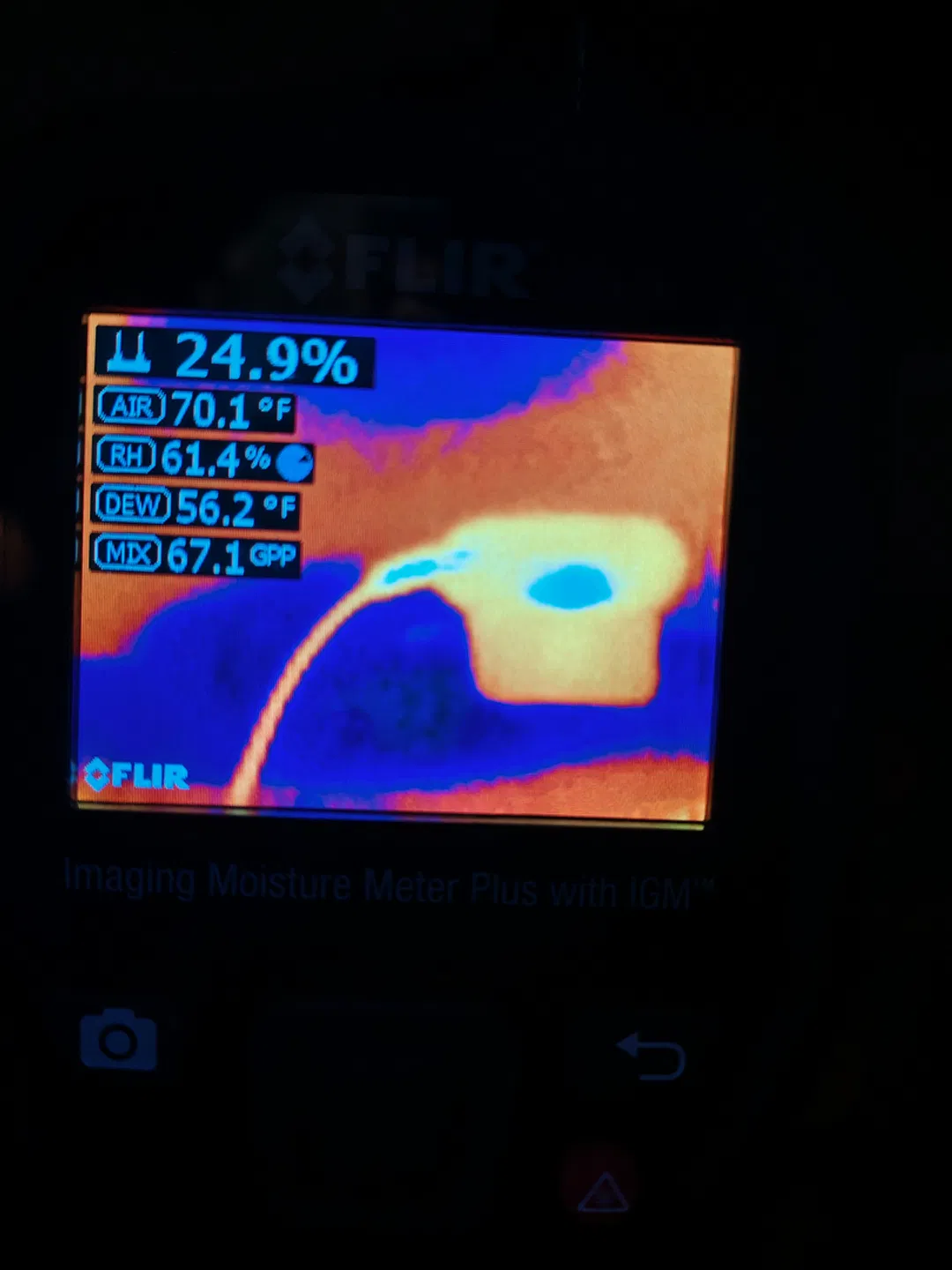
The Fix: We use professional tools like FLIR thermal imaging to find moisture hidden behind drywall. You can’t fight what you can’t see! If you suspect a leak, don't wait. Catching moisture early prevents the need for major mold remediation.
9. The Utility Room Vulnerability
Is your furnace, water heater, and electrical panel sitting directly on the concrete floor? If even an inch of water gets in, your defense might save the structure, but your expensive appliances are toast.
The Fix: Elevate! Placing your utilities on a simple 4-to-6-inch masonry block platform can save you thousands of dollars. It’s a simple Saturday project that pays for itself the first time you have a minor water intrusion.
10. You’re Trying to Do It All Alone
Look, we love a good DIY project. But flood defense is complex. Sometimes, the issue isn't your pump: it's the way your neighborhood's water table has shifted over the years. If you’ve tried the tips above and still see water, it might be time for a professional eye.
The Fix: Get a professional assessment. Experts can spot things you might miss, like hydrostatic pressure issues or failing sewer laterals.
Why Delaware County Homeowners Choose Us
At My Water Damage Hero, we aren't just technicians; we’re your neighbors. We know the local landscape from Upper Darby to Chadds Ford. When you’re facing a "stressful mess," we’re the ones who bring the calm (and the high-tech drying equipment).

We specialize in:
Emergency Flood Cleanup: Fast response to get the water out before it does permanent damage.
Water Damage Restoration: Drying, cleaning, and rebuilding so your home looks better than before.
Sewage Clean Up: Handling the "gross stuff" safely and professionally.
Mold Remediation: Ensuring your family breathes clean air after a flood.
Don’t Wait for the Next Storm
FEMA says that just one inch of water can cause $25,000 in damage. That’s a lot of money to lose over a clogged gutter or a $20 battery. Take 15 minutes this weekend to walk around your house with this checklist.
If you find something that worries you, or if you’ve already found a puddle where it shouldn't be, give us a shout. We’re here 24/7 to help you keep your home dry and safe. Whether you need water extraction or just some friendly advice on your sump pump, we’re just a call away.
Stay dry, Delaware County!
Comments